Emma Thompson and Kenneth Branagh make Shakespeare’s sparring lovers worth an evening. The romance is persuasive, though the physical comedy sometimes needs someone to tell it to sit down.
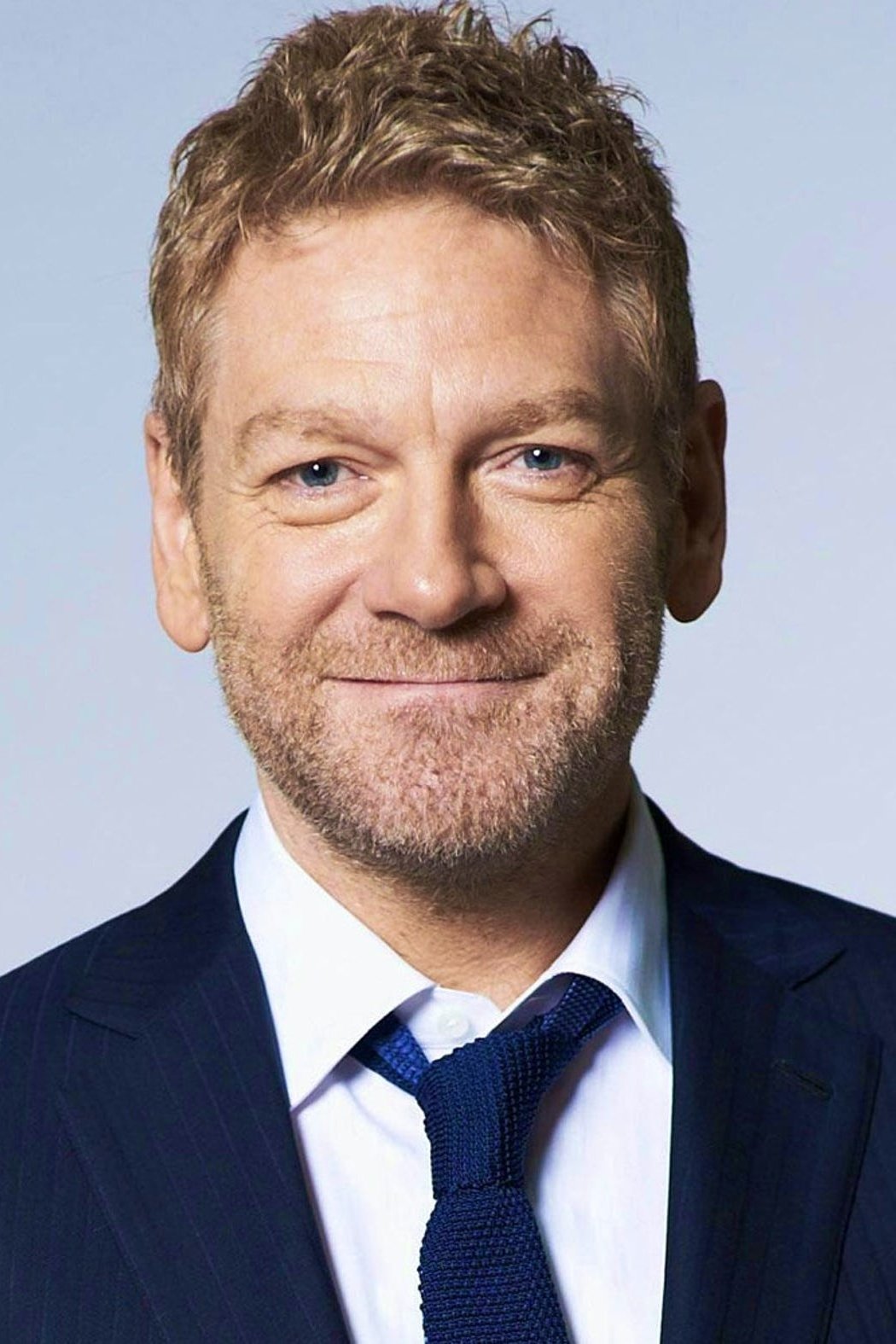
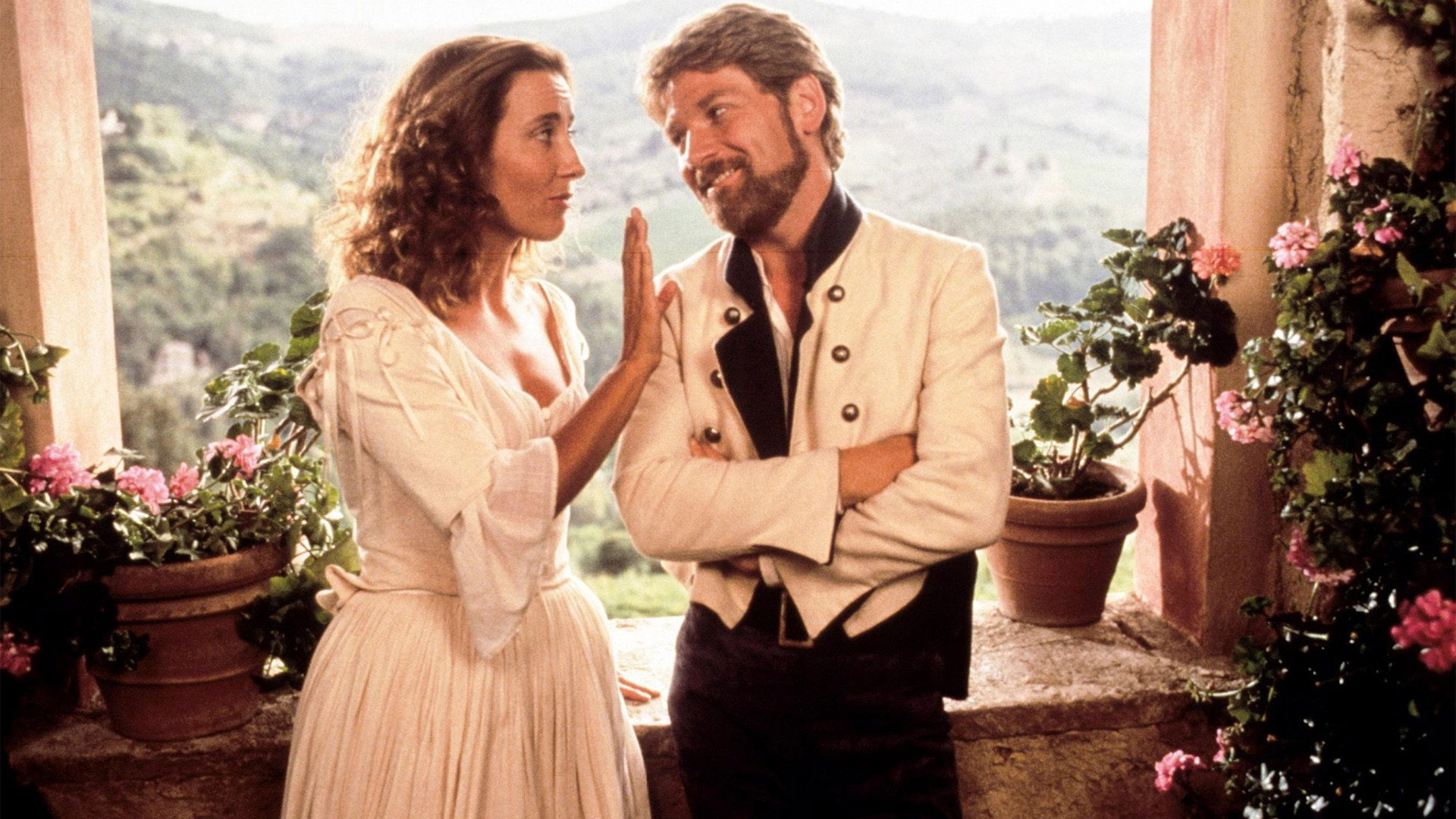
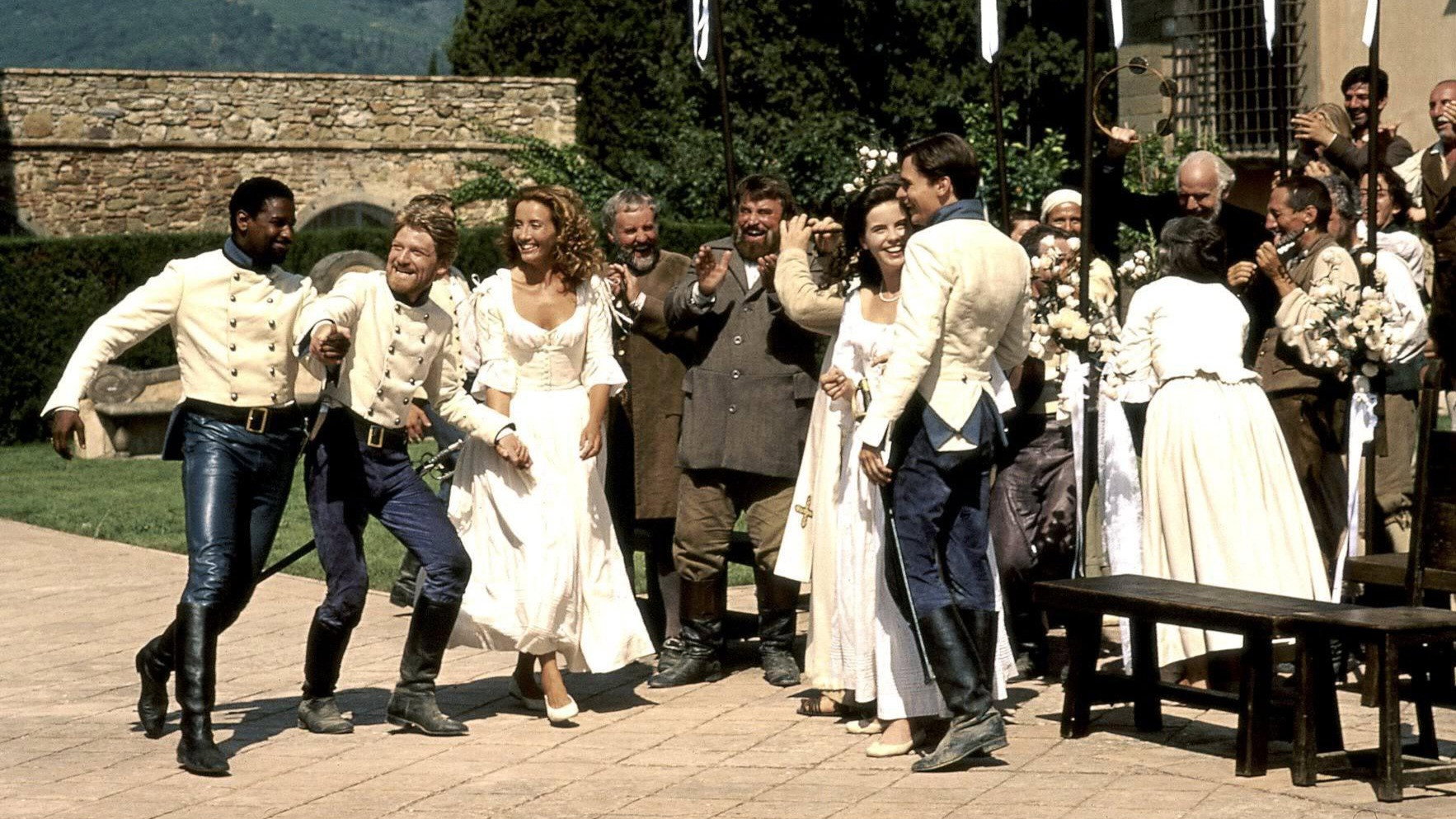
Kenneth Branagh’s Much Ado About Nothing is good company, with romantic leads worth forgiving some strenuous clowning for. His approach to Shakespeare’s comedy is to make the gathering feel inviting before asking us to keep up with its talk. That is a sensible way into a film whose chief pleasure is hearing Emma Thompson’s Beatrice and Branagh’s Benedick answer one another back. The trouble comes when Branagh seems unwilling to trust that pleasure and starts working quite so hard to amuse us.
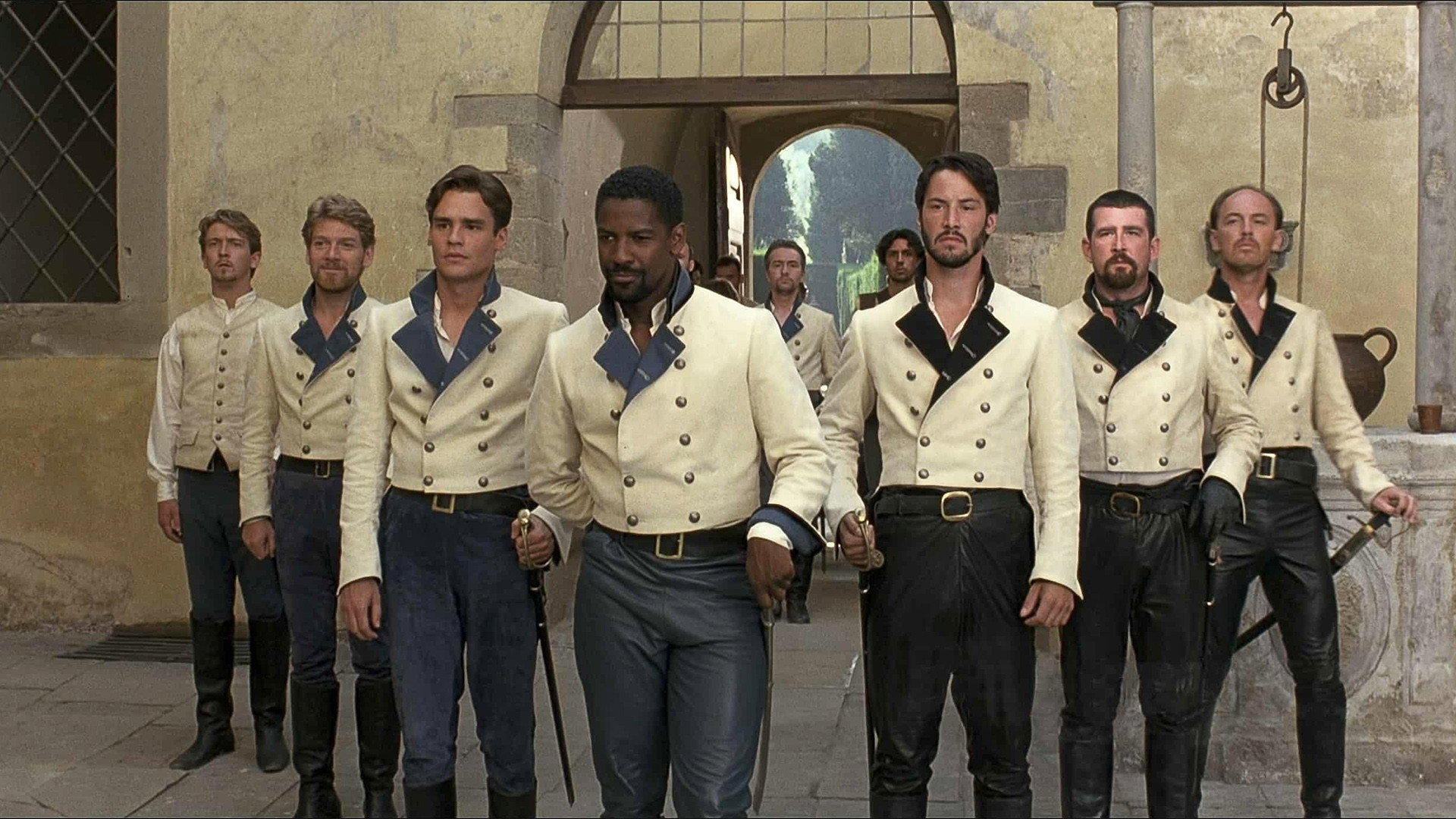
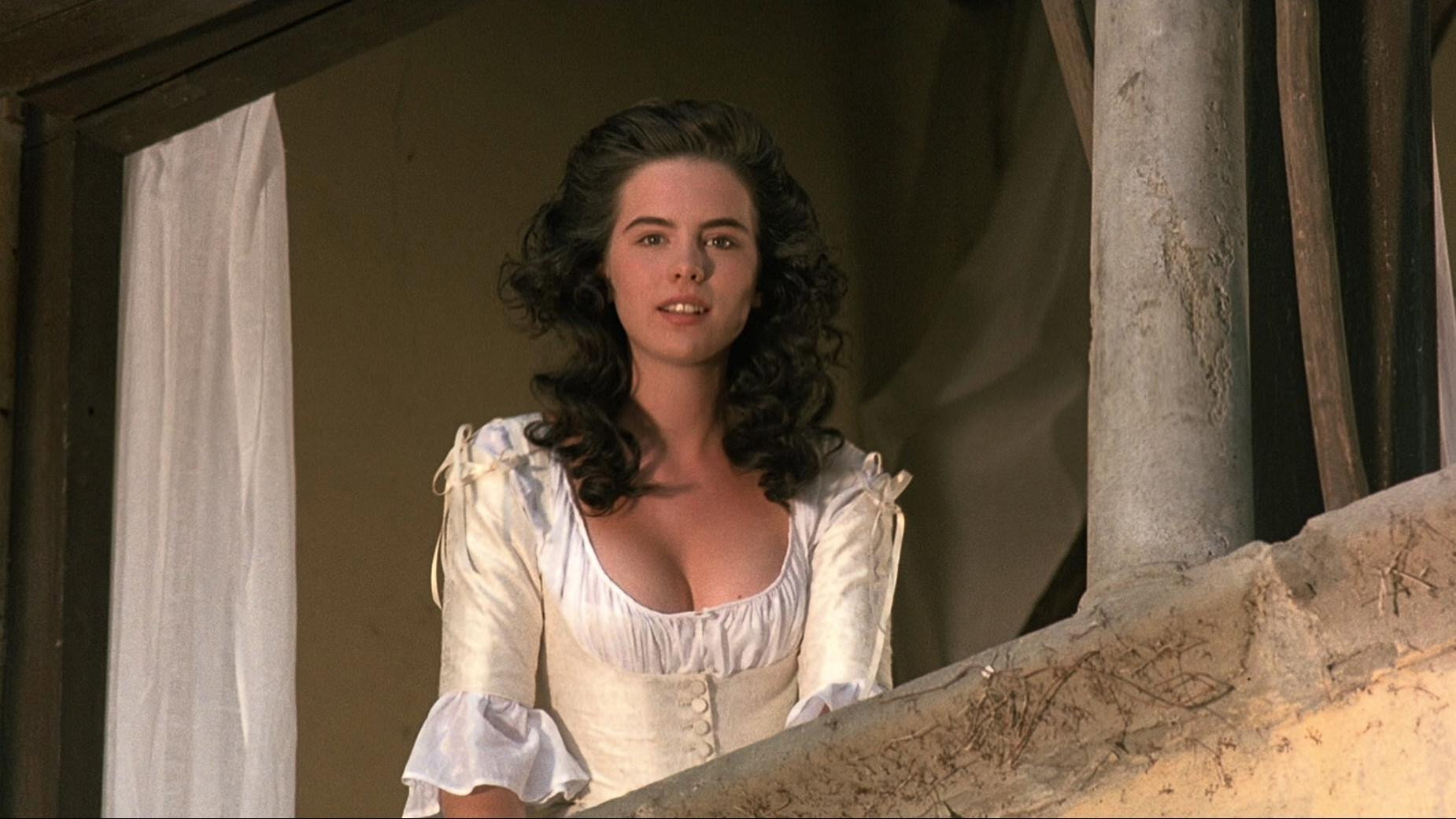
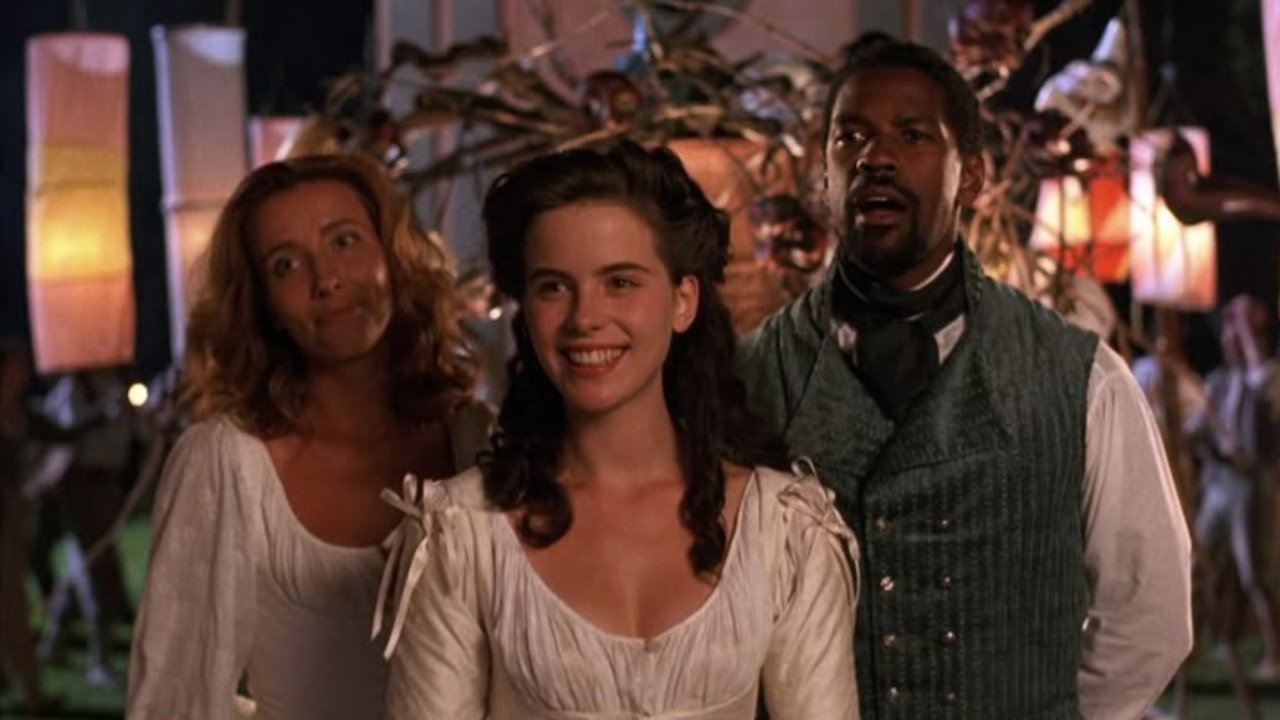
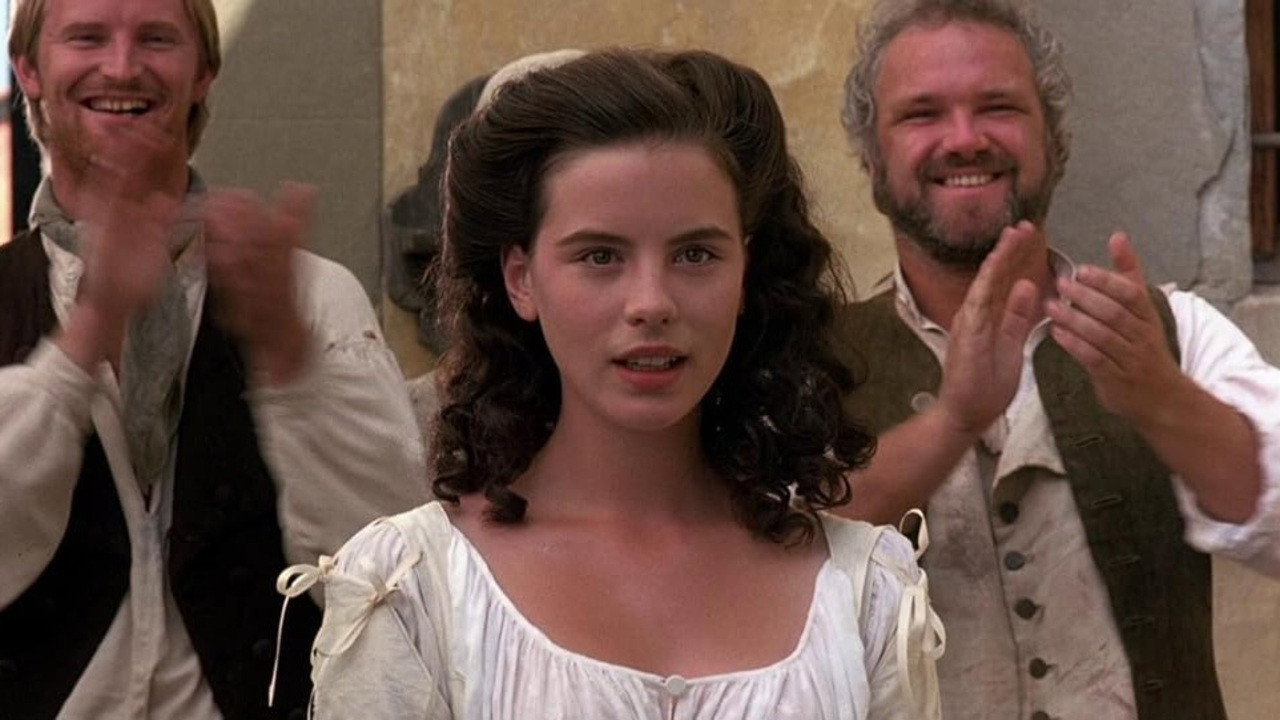
Roger Lanser’s photography makes the Tuscan setting inviting, though the images are sometimes content simply to record its attractiveness. Tim Harvey’s production design gives the masquerade ball a sociable setting without making it feel like a formal display. These are useful choices for a comedy that needs people to seem at ease before they begin misunderstanding one another. Yet the opening’s exuberance sets a level of pleasure the rest of the film cannot quite sustain.
Thompson supplies the better reason to stay. Her Beatrice sounds quick enough to enjoy an argument and sufficiently alert to recognise when one has become personal. We laughed at her exchanges with Benedick because her replies seem to take shape as she speaks. Branagh is a willing opponent, although his insistence on making the comedy visible sometimes gets ahead of the words. When they ease off the effort, the possibility of affection is persuasive, and we begin to care about what they might say without an audience.
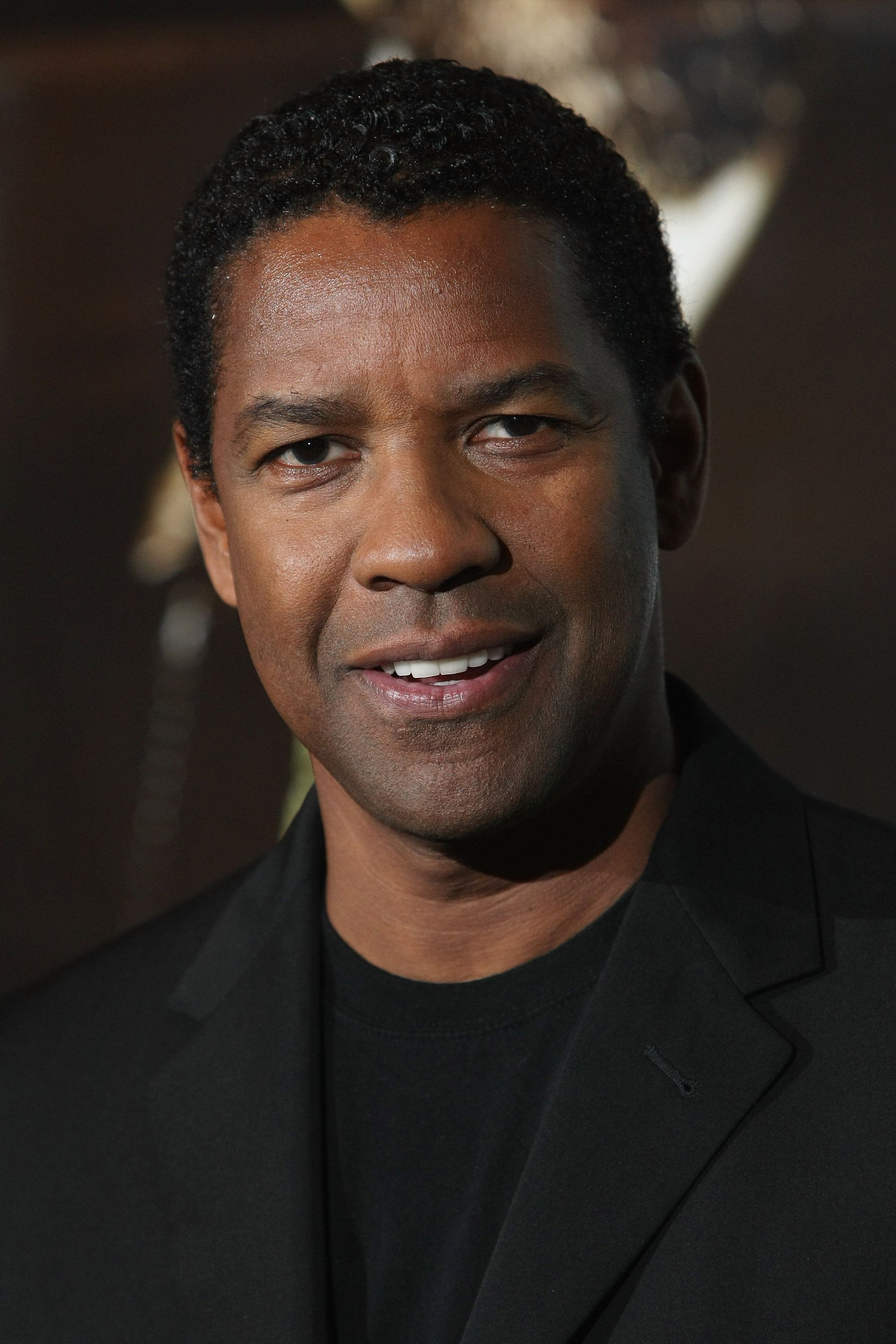
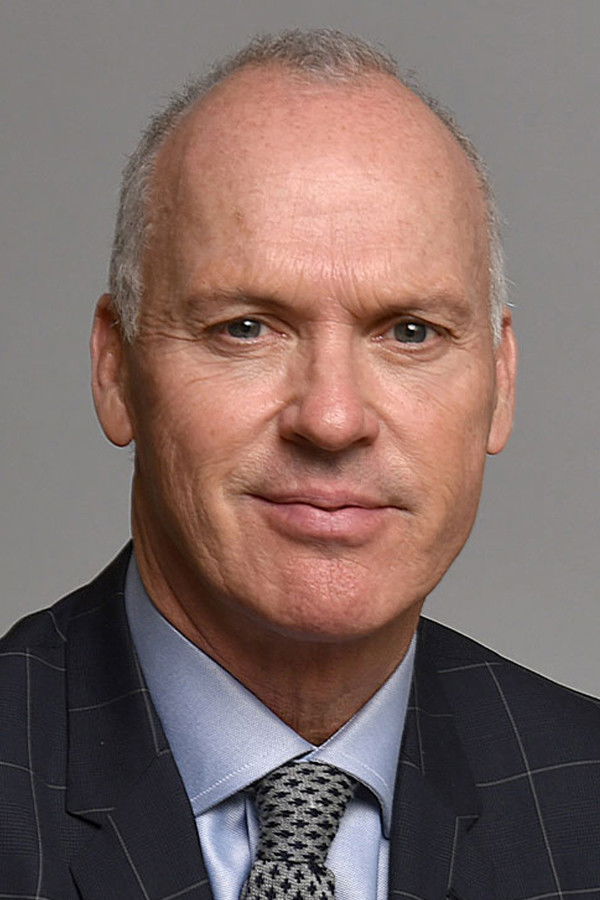
Denzel Washington’s Don Pedro is useful precisely because he does so little to compete with them. His restraint gives the social comedy some gravity and suggests how much can be achieved without another flourish. The contrast exposes the limits of Branagh’s broadest direction: he can make a company look delighted to be together, but he cannot make every comic turn equally funny. Michael Keaton’s Dogberry is an acquired taste, and our appetite for the clowning is smaller than the film expects.
Andrew Marcus’s editing is most effective when the verbal exchanges set the pace. In the physical comedy, the film feels less certain of when to stop, and jokes continue after we have understood them. Patrick Doyle’s music adds to the determined cheer; we would sometimes prefer less encouragement. The romantic mood needs room for embarrassment and unease as well as pleasure. Branagh lets the darker implications of this comedy recede too readily, which makes the brightness start to feel compulsory.
As screen Shakespeare, this works best when the actors speak to each other without appearing to worry about making the language approachable. Thompson and Washington manage that with particular assurance, and the romance benefits from it. The broader comedy is harder to excuse because it seems intended to reassure an audience that Shakespeare can be fun. By that point, the people having the arguments have already persuaded us, and another bout of physical business interrupts something we were enjoying.
The critical consensus falls below a recommendation; we disagree because the central performances give the romance enough warmth to carry it. The objections to forced cheer and slapstick are fair, but they do not account for everything that works between Thompson and Branagh. At 111 minutes, the film gives us enough of that company to outweigh the stretches we would happily trim. Choose it for the sparring and the romance, with some tolerance for a director who occasionally insists on joining in the laughter.