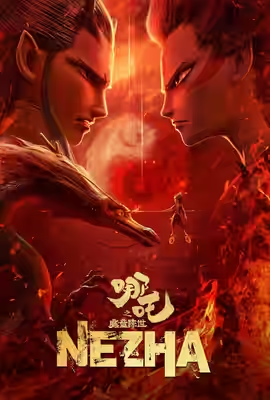
Jiaozi’s animated fantasy gives its battles more care than its storytelling. The movement and detail can be absorbing, but 144 minutes of crowded mythology, crude jokes and renewed combat wear down the pleasure.
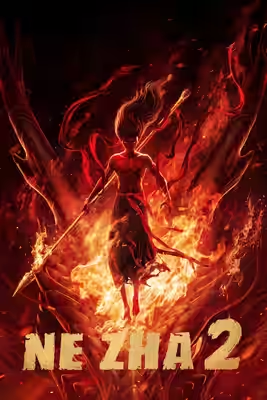
There is much to enjoy in Jiaozi’s Ne Zha 2, and rather too much to get through. Its animated battles are inventive enough to hold the attention even when the story has made following them a chore. At 144 minutes, this is a qualified recommendation for viewers who actively enjoy elaborate fantasy mythology. Anyone hoping the fighting will give them a break from the explanations may discover they need a break from both.
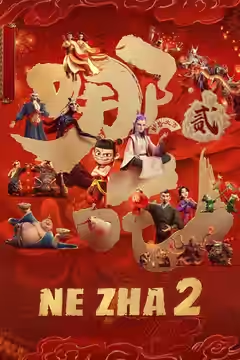
Jiaozi writes as well as directs, and keeps adding complications when the existing ones have barely settled. The large cast gives the mythology breadth, but each new relationship asks for attention the film is already spending elsewhere. We can follow a confrontation as movement without feeling equally sure why it matters to everyone involved. Newcomers have work to do, and the film is not always a helpful teacher.
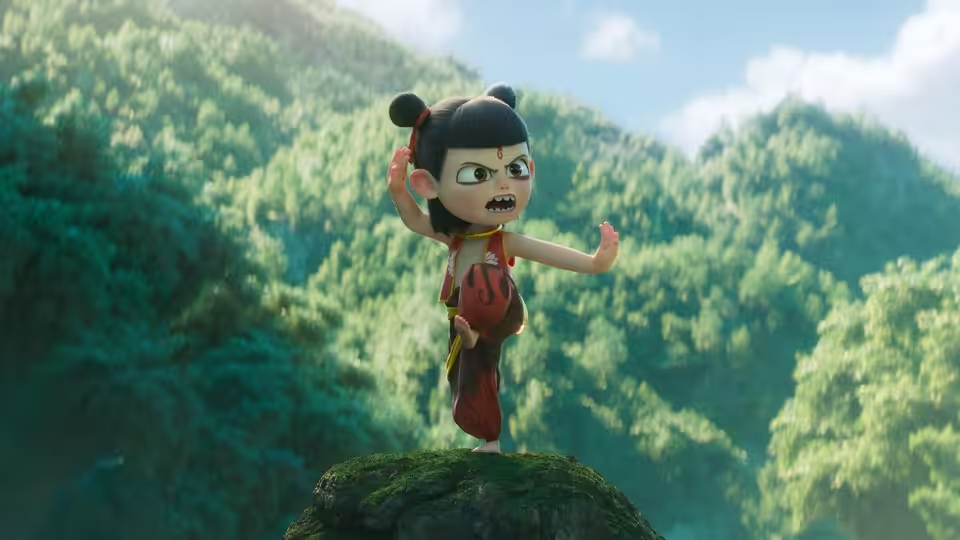
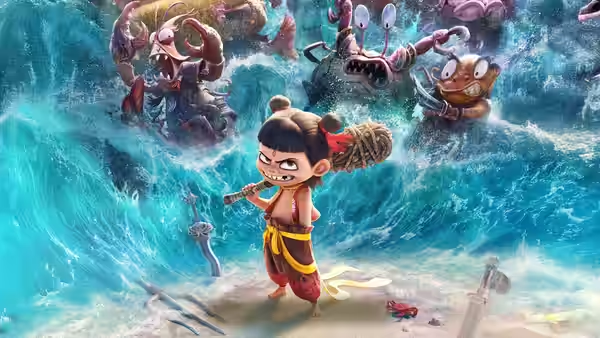
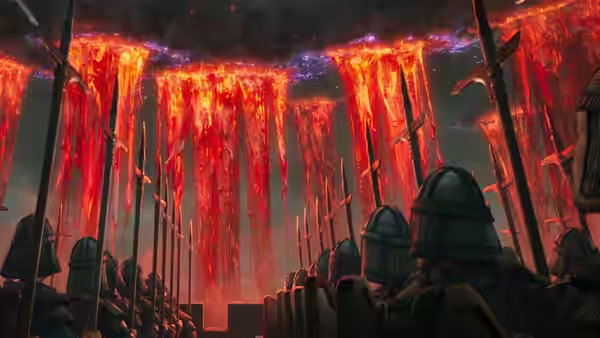
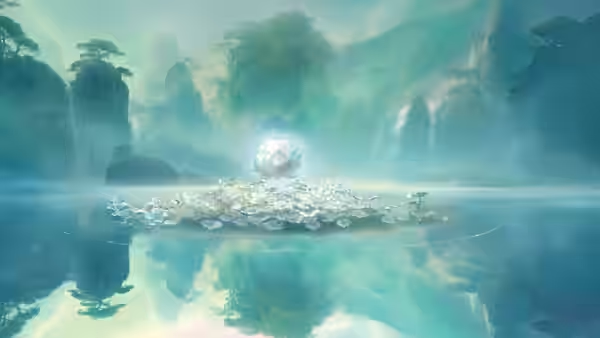
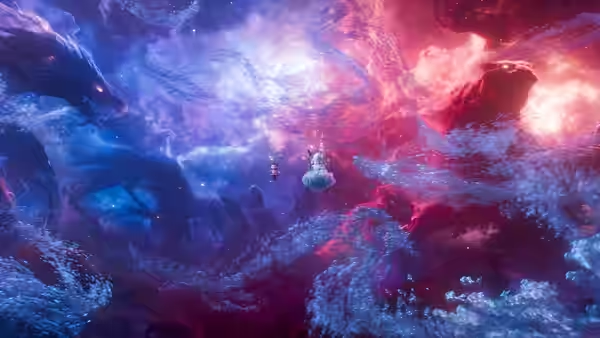
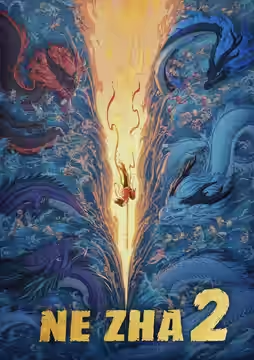
The animation is where that effort is repaid. A fight along a watercourse uses the setting to give the action shape, and the mountain of pagodas offers something more interesting to look at than another expanse of anonymous fantasy scenery. We were exhilarated by the watercourse fight because the martial-arts movement had grace as well as force. The detail invites a closer look even while the battles keep our eyes moving, a demanding combination that the images usually manage.
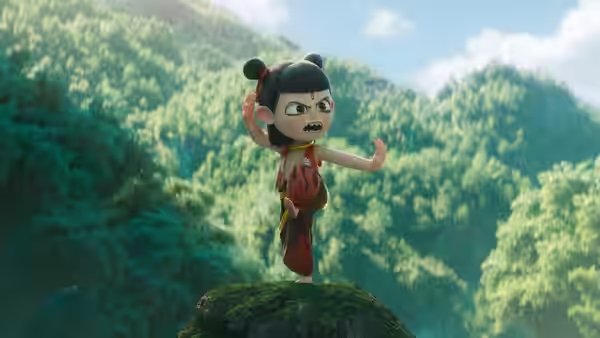
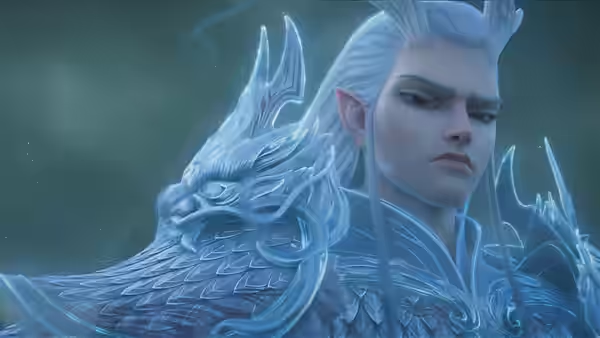
Character animation is just as important here as the wide views. Young Nezha is voiced by Yanting Lü, while Mo Han voices Ao Bing, but the animated performances have their own force alongside the voices. Movement gives these figures a presence that the crowded explanations cannot always provide. The film is easier to engage with when it lets physical comedy carry a scene, rather than asking us to keep another piece of mythology in mind.
The music by Roc Chen, Wan Pin-Chu and Rui Yang cannot disguise the repetitive pacing. Our fatigue comes chiefly from the succession of battles, rather than any single element of the presentation. Once another bout of combat begins to feel like the expected next item, even inventive action has to work harder to hold our attention. The pacing gives us too little chance to enjoy one sequence before being asked to absorb the next.
Nor does the comedy reliably relieve the pressure. The slapstick has an unruly physical energy that suits the animation, but the crude humour becomes another demand on our patience when the plot is already congested. Some of these interruptions could have been dropped without depriving the film of its mischievousness. Its affection for the characters does occasionally come through, which makes it frustrating that so much surrounding business prevents us from settling into their company.
Animated fantasy can accommodate complicated mythology; there is no reason to demand that every unfamiliar name be replaced with something reassuringly simple. The difficulty here is how much arrives together, and how seldom Jiaozi lets one dramatic thread command the film for long. Those drawn chiefly to movement, scale and elaborate environments will find plenty worth their attention. For a first encounter, bring some patience for the explanations and do not expect a quiet evening.