Monica Barbaro and Callum Turner make an appealing pair, but this timid romantic comedy cannot make its annual sex exemption funny enough to forget how grim it is. The chemistry deserves a less muddled film.
One Night Only has an appealing couple and a premise it has not thought through. Will Gluck directs a romantic comedy about an annual twelve-hour suspension of a ban on premarital sex, with New Yorkers Allie and Owen trying to find connection while it lasts. Travis Braun’s screenplay treats that arrangement chiefly as a deadline for romantic mishaps. It is a large thing to ask us to accept before we can enjoy watching two people flirt.
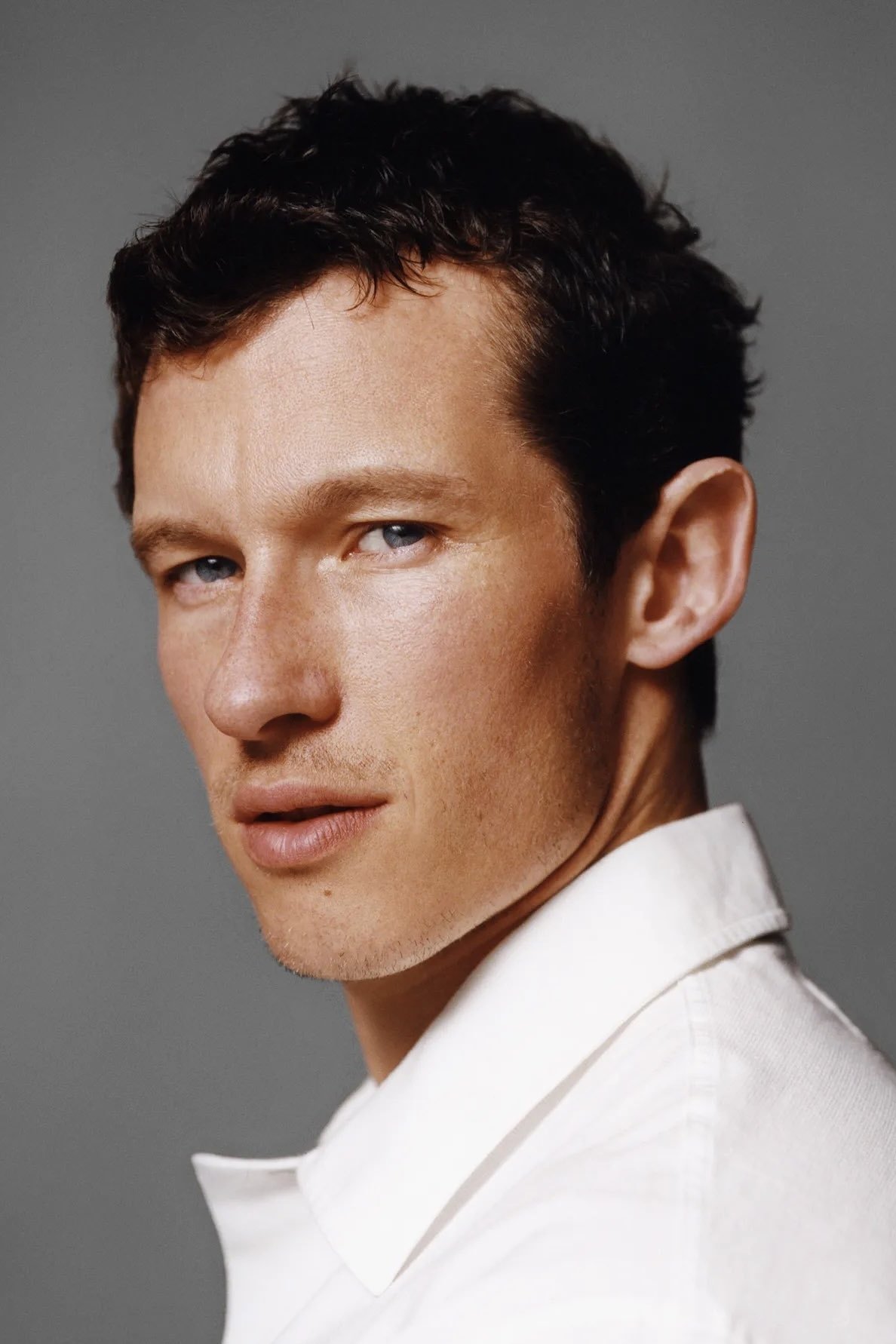
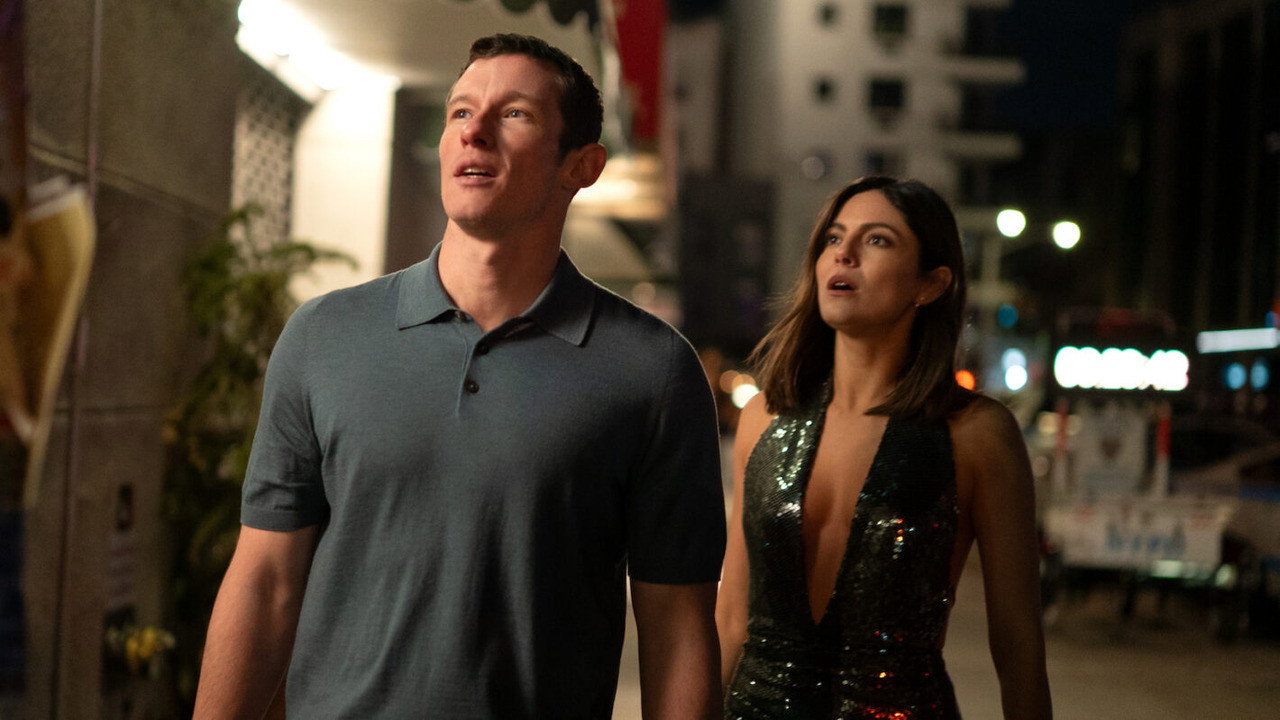
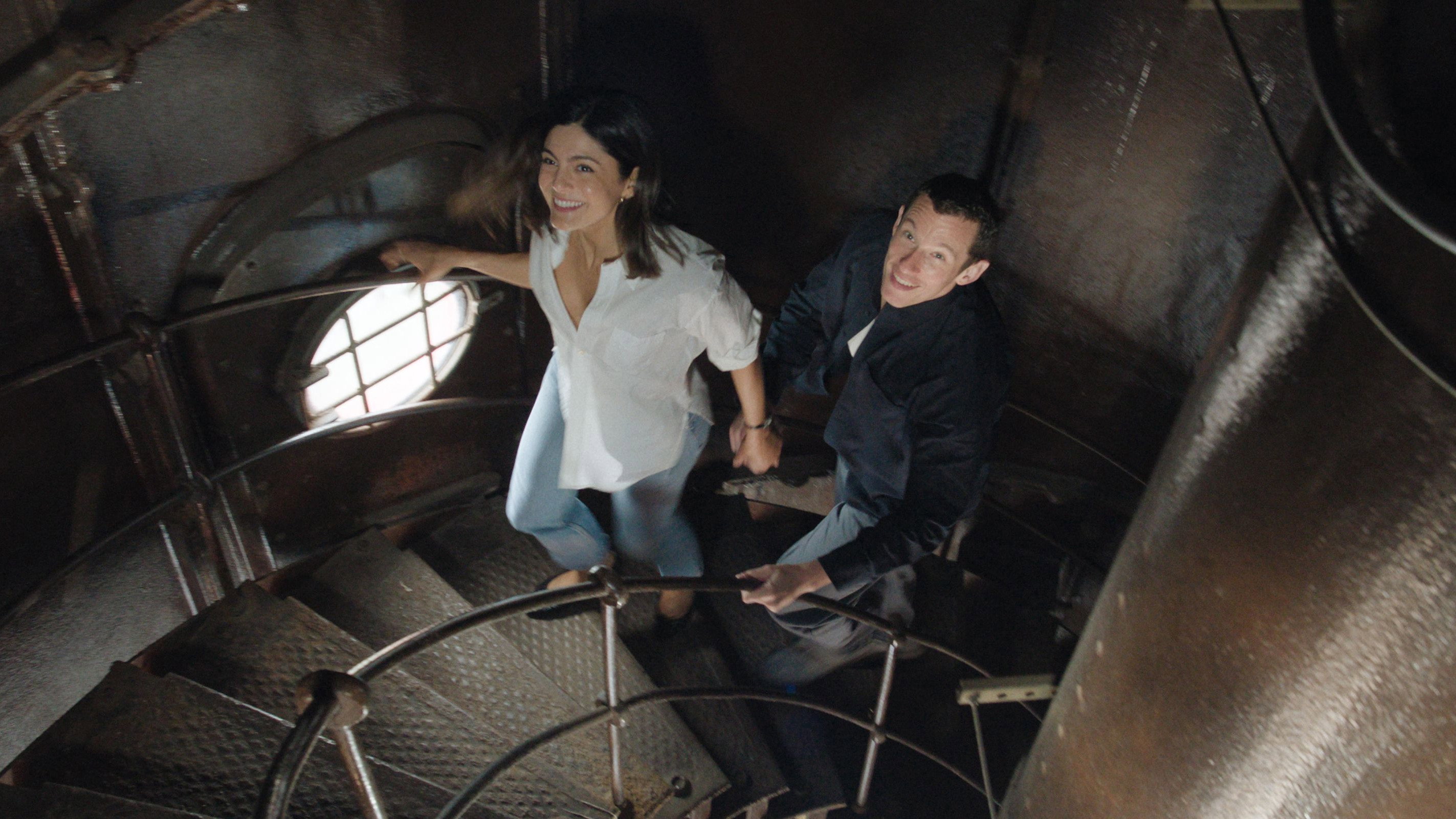
Monica Barbaro plays Allie and Callum Turner plays Owen, and their attraction is the most persuasive thing here. There is enough ease between them to suggest that a film with fewer rules might have found plenty for them to do. Barbaro brings warmth to Allie’s search for connection, while Turner makes an agreeable partner in the business of looking interested and getting into difficulties. The pleasure of watching them together survives some dialogue and situations that do not deserve it.
The comedy occasionally catches up with the casting. We laughed at the daydream sequences, which briefly let sexual imagination into a film otherwise oddly nervous about sex. Gluck finds some freedom there, but Braun’s succession of complications too often feels like an obligation to keep the night busy. Too many of the jokes seem anxious to establish that nobody is enjoying the wrong thing.
Yaron Orbach’s New York photography gives the romance an attractive place to happen, and the location work is one of the film’s uncomplicated pleasures. Scott Kuzio’s production design cannot fill in what the script leaves vague about daily life under the ban. The city looks ready for a night out, but the writing has not made its inhabitants’ acceptance of the restriction believable. That leaves the look of an ordinary romantic comedy carrying a rule that ought to change almost everything about ordinary romance.
Tia Nolan and Robert Nassau edit a film that feels crowded even at 103 minutes. Moving between mishaps does not solve the problem of how little the central situation develops, and the busyness becomes tiring. Christopher Stracey and Este Haim’s music cannot persuade us to relax into a night out governed by this particular clock. The film keeps encouraging us to enjoy ourselves while supplying fresh reasons to question how any of this is supposed to work.
A romantic comedy does not owe us a policy paper, and there is nothing wrong with an absurd obstacle to getting two attractive people together. This particular obstacle makes the government responsible for deciding when unmarried people may have sex. Once Braun makes that the reason for the rush, the film needs some curiosity about what it does to people. Instead, Gluck keeps returning to familiar romantic business, and the effort to stay cheerful begins to feel evasive.
We can see the case for simply enjoying Barbaro and Turner, and the film becomes more engaging whenever their chemistry takes priority. But the jokes are too patchy to make ignoring the premise a worthwhile bargain. Anyone drawn by the possibility of a rude comedy about sexual restrictions will find the timidity particularly frustrating. Save it for an evening when liking the leads is enough.