Film review

The Lobster

2015 · Directed by Yorgos Lanthimos · 1h 59m · MPA R

In a sentenceThe hotel would like everyone paired off before anyone develops a preference

ComedyDramaRomance

In a near-future society that outlaws being single, David (Colin Farrell) checks into a hotel where residents must find a partner or be turned into animals. The Hotel Manager (Olivia Colman) oversees the process, with the Lisping Man (John C. Reilly) and the Limping Man (Ben Whishaw) among David’s fellow guests. David needs to pair up to remain human, but wanting a relationship is not enough to secure one. Inside the hotel, courtship becomes a compulsory task, carried out under rules that give the guests little room to decide what they want for themselves.

Plays from YouTube when you press play; nothing loads from them until then.

Fi1m review

The Lobster makes compulsory coupledom bleakly funny, with Colin Farrell giving its rules a painfully human cost. The hotel satire is sharper than what follows, but the awkward tenderness keeps us interested when the plotting slackens.

Yorgos Lanthimos takes the pressure to settle down and gives it an official penalty: find a partner or cease to be human. The Lobster is a good, disquieting comedy whose hotel scenes make familiar questions about our love lives sound faintly threatening. We recommend it to anyone with a taste for humour delivered without reassurance. The script, by Efthimis Filippou and Yorgos Lanthimos, makes its absurd rule easy to grasp, then watches people try to accommodate it.

Colin Farrell is crucial as David, looking so thoroughly defeated that even making conversation seems an effort. The performance has none of the charm that might let us dismiss him as a romantic lead temporarily down on his luck. We felt unexpectedly protective of him; his hesitant, flattened delivery makes the business of finding a partner seem exhausting before it has begun. He makes us notice David’s distress even when the joke works, without asking the other actors to soften their treatment of him.

Olivia Colman plays the Hotel Manager with a certainty that makes the arrangement seem almost administratively sensible. She never supplies the little wink that would give us permission to stand outside the joke. John C. Reilly’s Lisping Man and Ben Whishaw’s Limping Man belong to a society that can reduce people to a single distinguishing feature, and the names make the nastiness plain. The danger is that the supporting characters can become examples in a lecture, though the actors keep them awkward enough to seem human.

Thimios Bakatakis’s cinematography makes the hotel an uncomfortable place to look at: people sharing the same space seem stranded there. Jacqueline Abrahams’s production design gives the institutional setting a dispiriting respectability. The hotel needs to look plausible, because an obviously fantastical prison would let ordinary social expectations off too easily. Here, the surroundings help us understand why the guests might accept the rules before they question them.

Editor Yorgos Mavropsaridis gives the deadpan exchanges enough room for their discomfort to register, and the pauses are often funnier than an extra line would be. The difficulty comes when the film has to sustain that rhythm across 119 minutes. Its second half is less concentrated, with new characters arriving before the existing ideas have been worked through. Stretches begin to feel like further demonstrations of something the hotel has already established, despite the continuing commitment of the performances.

Rachel Weisz helps prevent the severity from becoming monotonous. Her performance allows a little tenderness into a film whose people have learned to discuss intimacy as though they were filling in a form. Black comedy needs some sense that its people can suffer, and here the rigid delivery sometimes makes their unhappiness difficult to reach. Lanthimos pushes the stiffness close to that limit, but enough vulnerability survives to make the humour uncomfortable for reasons beyond the strangeness of the premise.

We would save this for company that enjoys a comedy becoming uncomfortable. The violence is a real warning, and the deliberately stiff conversation will test anyone who needs the dialogue to sound like people they know. If either of you wants romance to be reassuring tonight, choose something else.


Critical consensus AI synthesised

71
Positive
9
Mixed
5
Negative
0

Most critics respond warmly to The Lobster’s deadpan attack on the pressure to couple up. Praise centres on the absurd premise, the bleak humour and the cast’s refusal to wink at the material. Colin Farrell draws particular approval for his subdued, physically unglamorous performance, while several reviews also find unexpected feeling beneath the stilted exchanges and shocking violence. The rules of this imagined society give critics plenty to recognise about contemporary courtship.

Reservations cluster around the second half, where several critics find the writing less focused and the pace slower. The wider disagreement concerns how much warmth survives the film’s chill: Variety finds profound tenderness in the satire, while Den of Geek considers it too aloof and self-satisfied to explore its ideas deeply. The spread runs from strong enthusiasm to qualified disappointment, with even the more doubtful reviews generally acknowledging the strength of the central conceit.

The AV Club
12 May 2016 · B+ · A.A. Dowd
83

The demented deadpan comedy creates a fun-house reflection of dating culture through its oppressive dystopia of mandatory coupling. Colin Farrell excels in a frumpy, swagger-free turn as the sad-sack lead, though the satire weakens somewhat after the first hour shifts to the woods.

Read the full review →
Radio Times
★★★★ · Calum Baker
80

This chilly, incisive sci-fi satire blends surreal wit and shocking violence in a near-future where singledom is outlawed. The stilted tone may challenge some, but it teases out affecting moments in its study of love’s mechanics.

Read the full review →
The Telegraph
15 October 2015 · ★★★★ · Film Critic
80

Lanthimos’s absurdist comedy is like nothing seen before, a post-Tinder Buñuel that jarringly reimagines Colin Farrell and works through mad comedic alchemy with its ensemble cast. It attacks real fallacies about relationships and systems with slicing weirdness that feels emotionally authentic.

Read the full review →
Screen Daily
15 May 2015 · festival review
70*

Lanthimos continues his absurdist black comedy-drama with trademark weirdness and stilted dialogue intact despite the bigger budget and cast. Pathos seeps through the unsentimental façade and the film’s committed belief in its dystopian premise.

Read the full review →
The New Yorker
9 May 2016 · Anthony Lane
70*

The review commends the film’s tenacious grasp of absurdity and grave intent in satirizing couple-centric society, but notes it remains grim, spiky fare where laughs die quickly. It singles out the central conceit and performances for keeping a straight face while holding the world up to scorn.

Read the full review →
Little White Lies
15 October 2015 · 3/3/4 · Trevor Johnston
60

Lanthimos delivers a dark dystopic satire that proves he retains his radical edge with a marquee cast. The film’s conceptual confidence and singular vision linger, though its drained emotion makes it easier to admire than enjoy.

Read the full review →

Cast

Stills

Awards

Academy Awards, 2017

Nominated
Best Writing, Original Screenplay

European Film Award – People's Choice Award for Best European Film, 2016

Nominated
European Film Award – People's Choice Award for Best European Film

European Film Award for Best Actor, 2015

Nominated
European Film Award for Best Actor

European Film Award for Best Costume Designer, 2015

Won
European Film Award for Best Costume Designer

European Film Award for Best Director, 2015

Nominated
European Film Award for Best Director

European Film Award for Best Film, 2015

Nominated
European Film Award for Best Film

European Film Award for Best Screenwriter, 2015

Won
European Film Award for Best Screenwriter

If you liked this, try…

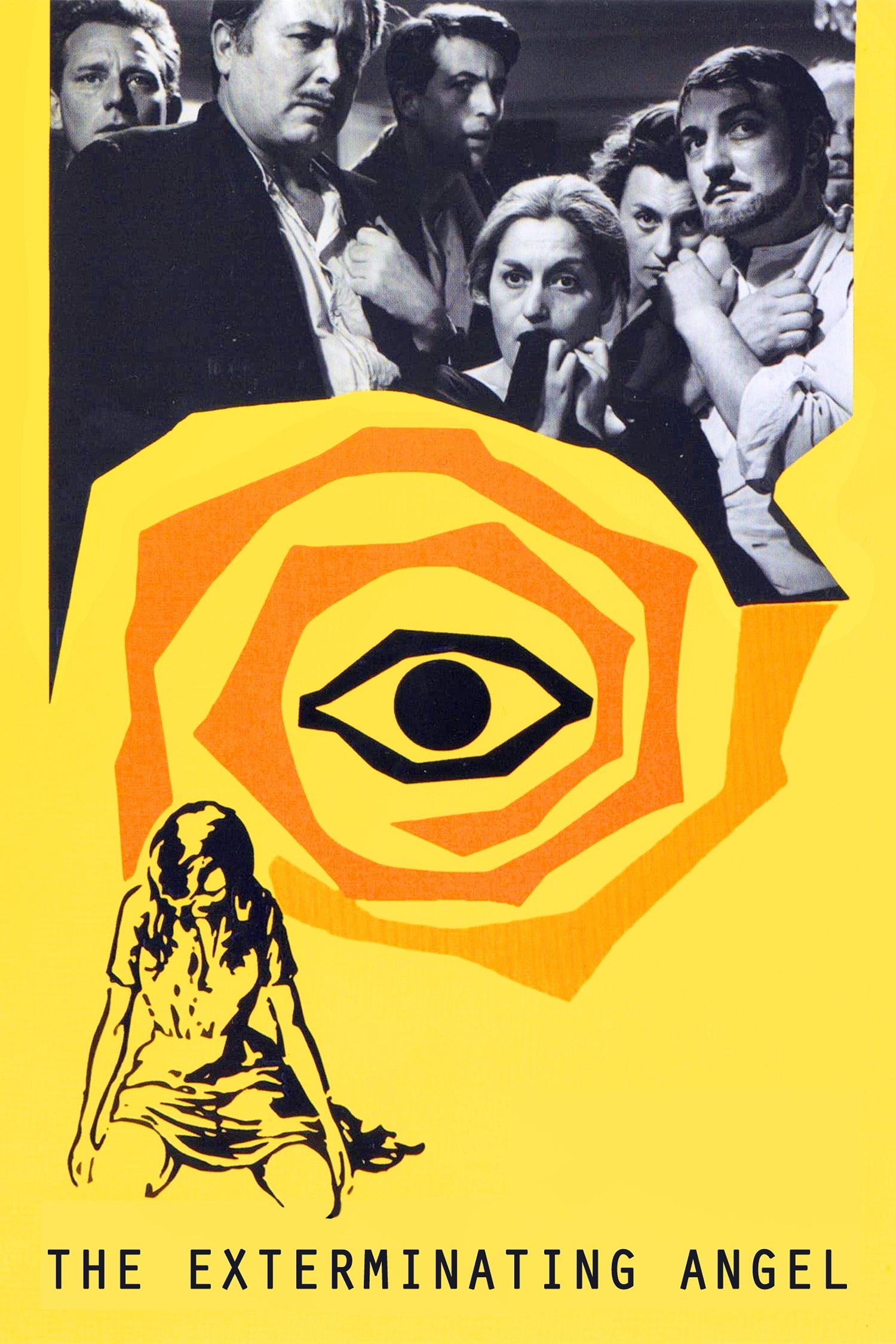
The Exterminating Angel poster

The Exterminating Angel

1962 · Another polite gathering discovers that social rules can become a form of imprisonment.

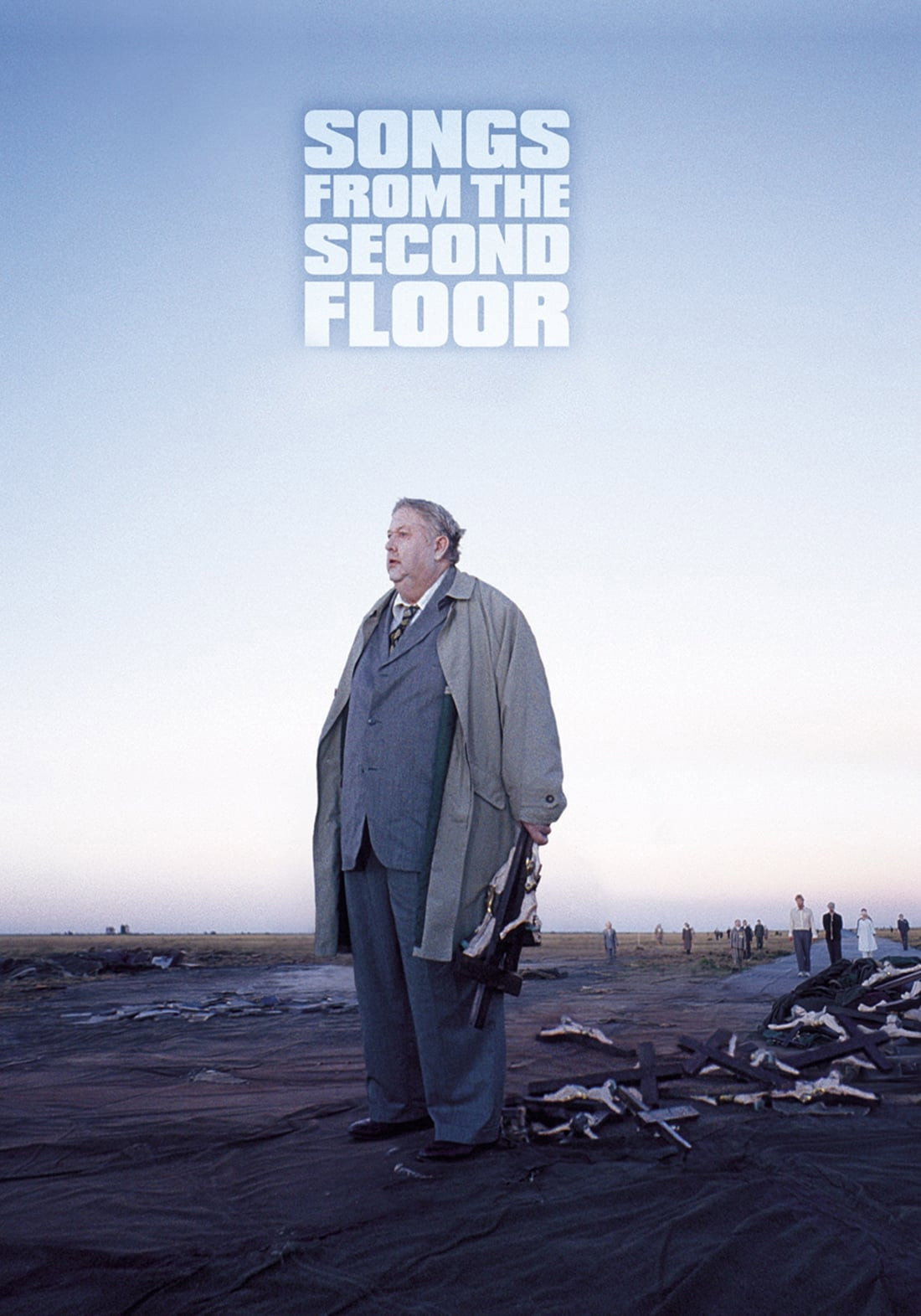
Songs from the Second Floor poster

Songs from the Second Floor

2000 · Rigid compositions and exhausted people turn everyday society into bleak, patiently delivered comedy.

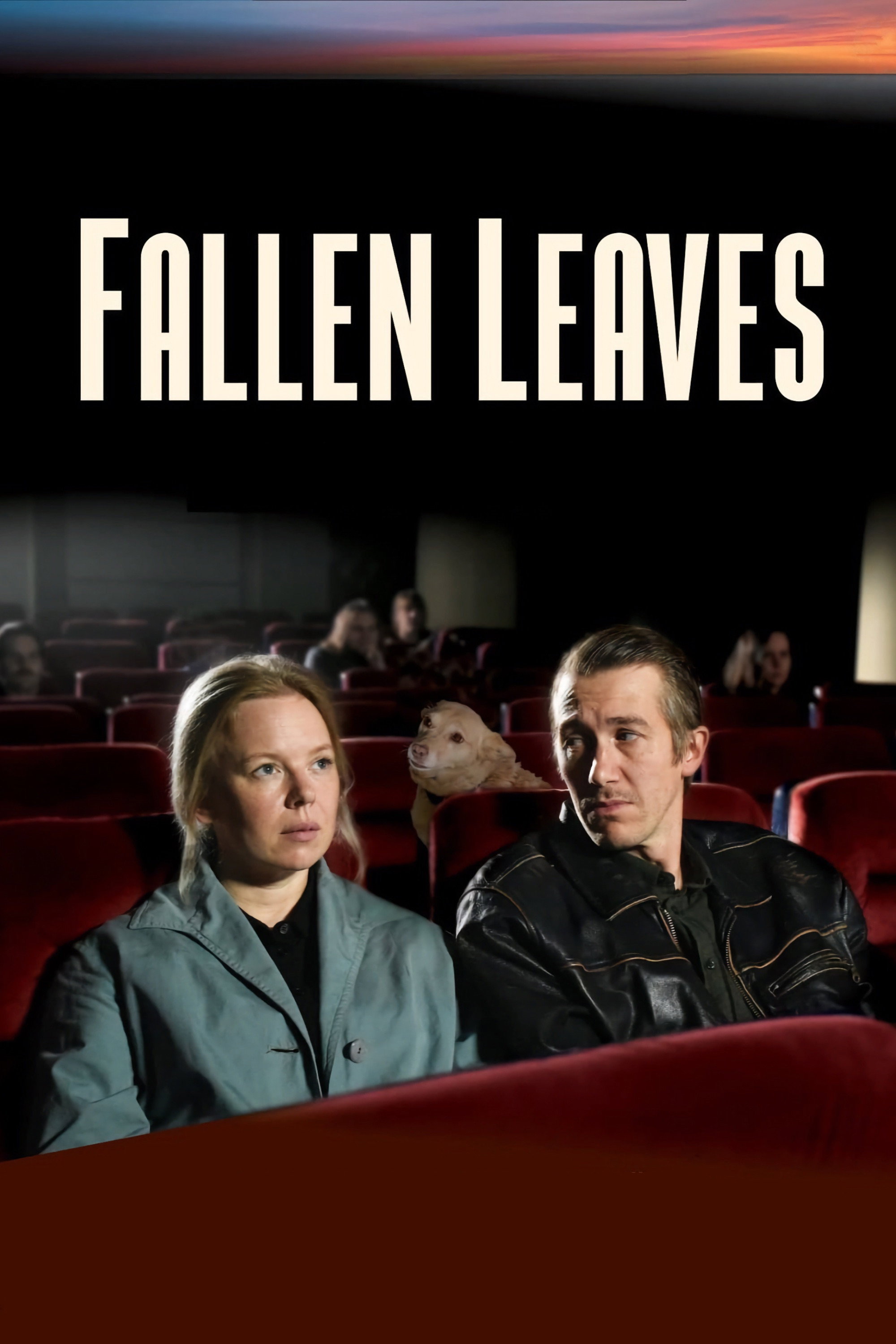
Fallen Leaves poster83

Fallen Leaves

2023 · For more awkward courtship and deadpan humour, with considerably more kindness towards the couple.

I'm a Cyborg, But That's OK poster

I'm a Cyborg, But That's OK

2006 · An unconventional romance that takes strange behaviour seriously without demanding that love cure it.

The Double poster

The Double

2013 · A timid man struggles inside another oppressive system, with humiliation played for uncomfortable laughs.