Film review

Point Break

1991 · Directed by Kathryn Bigelow · 2h 02m · MPA R

In a sentencePatrick Swayze makes abandoning a respectable job to go surfing seem like a sound career decision

ActionThrillerCrime

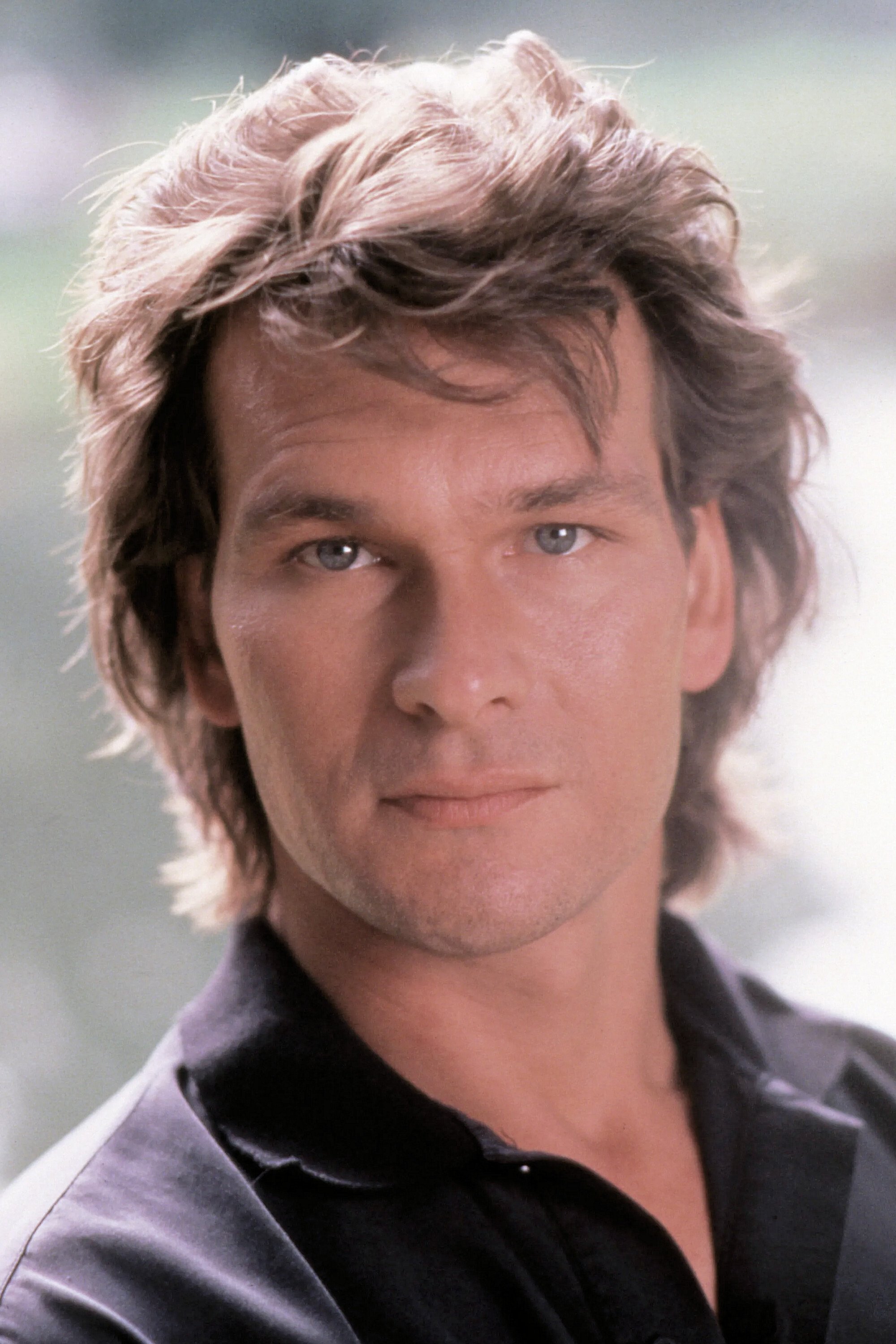
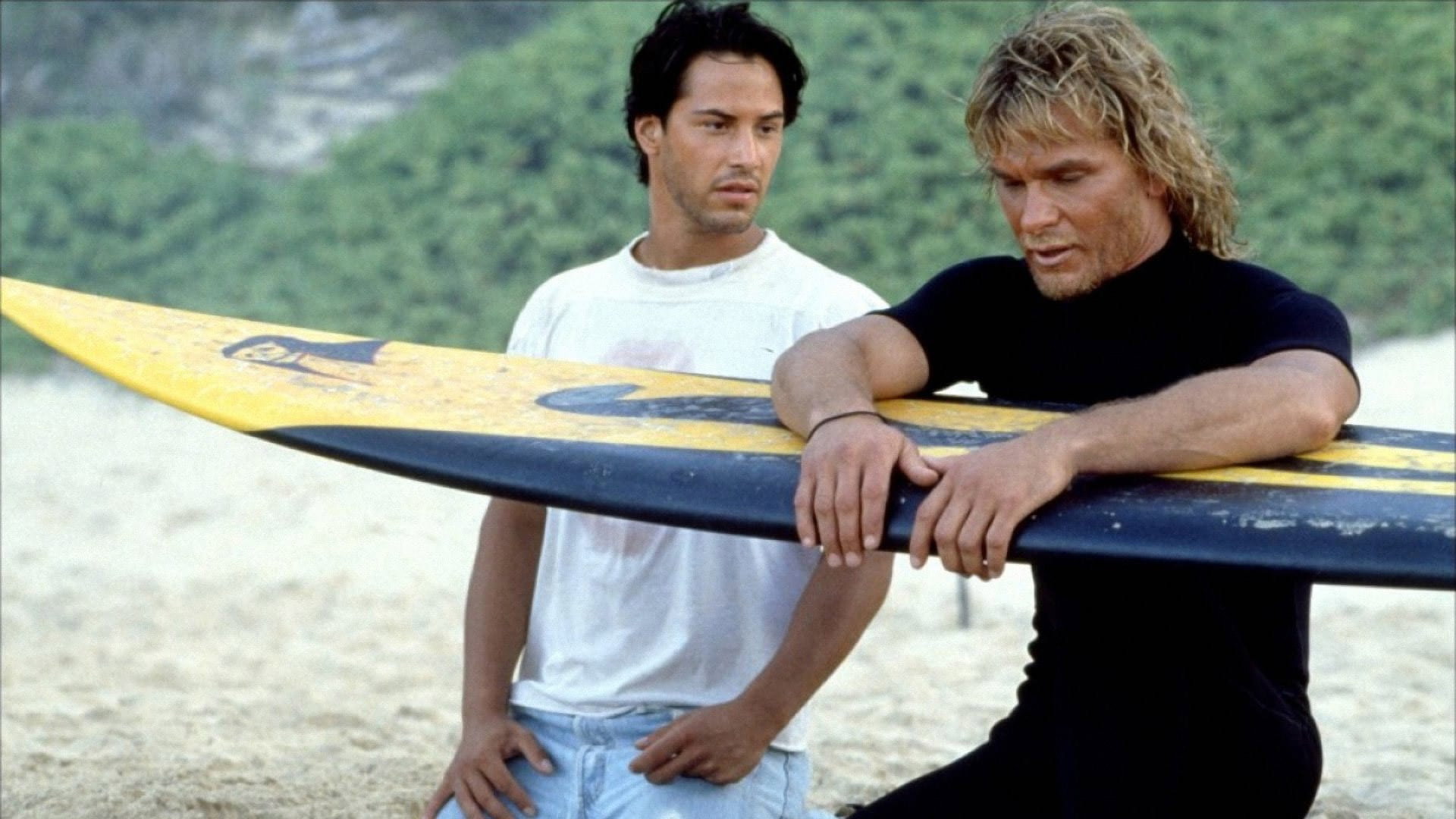
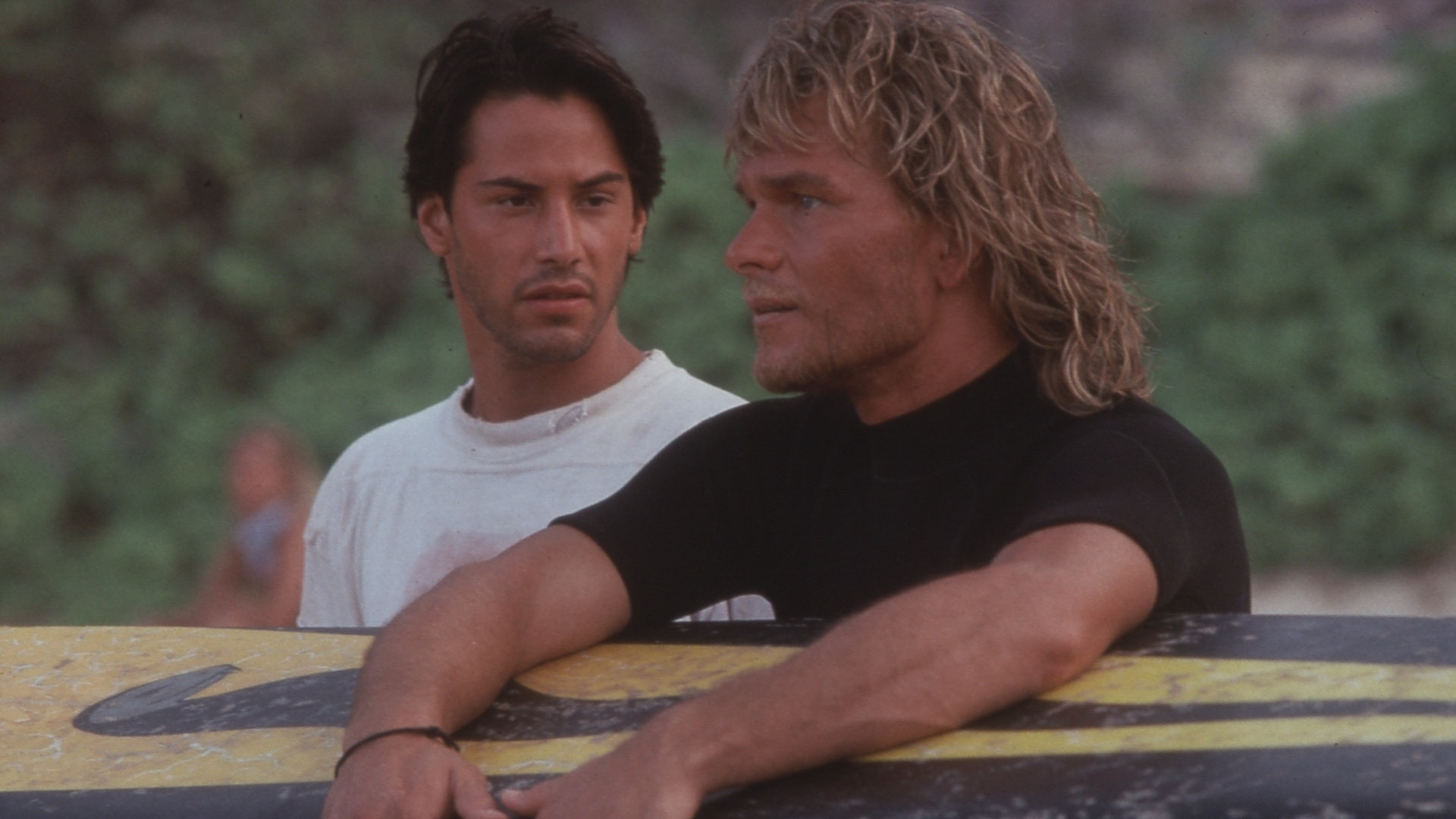
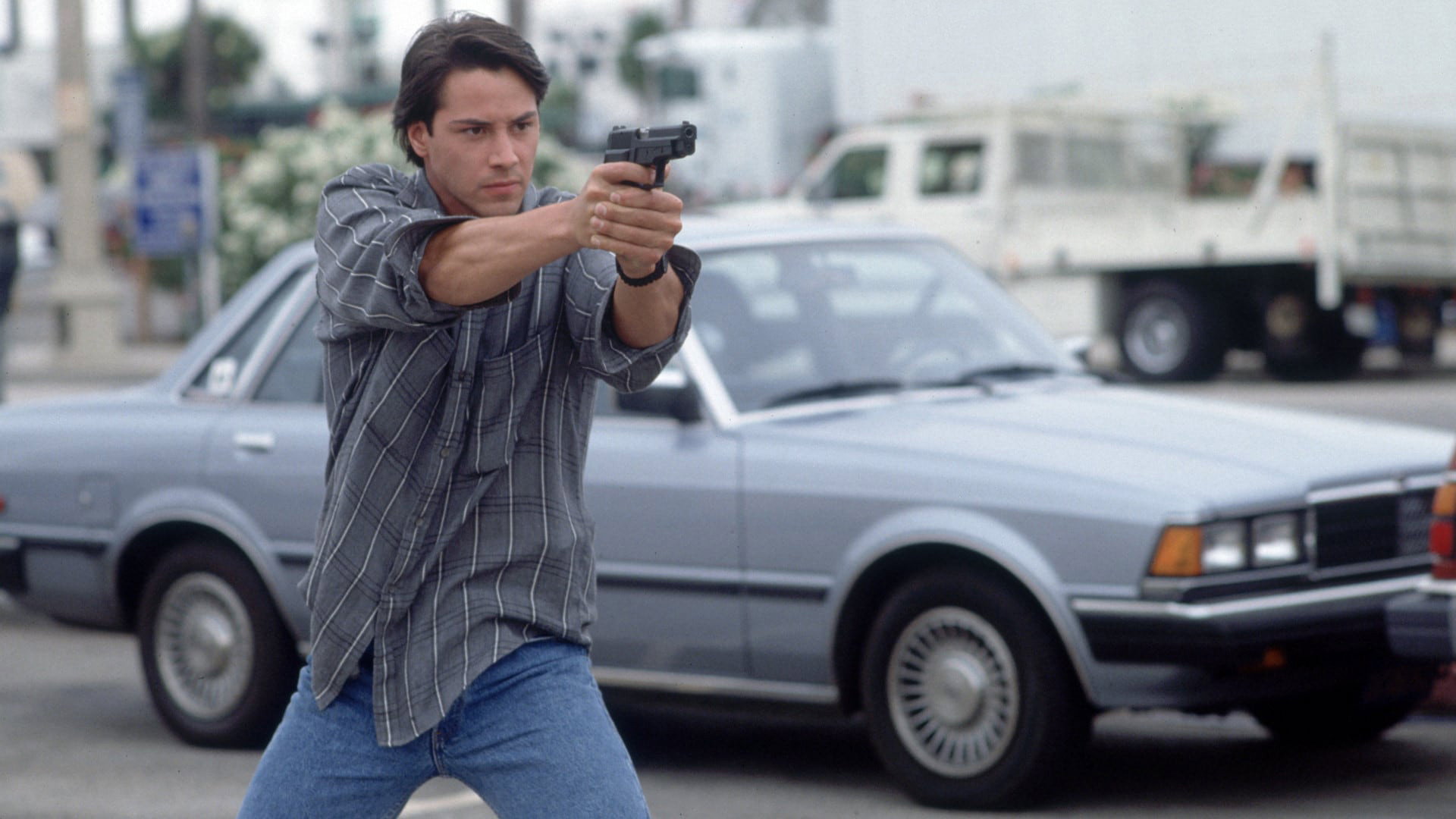
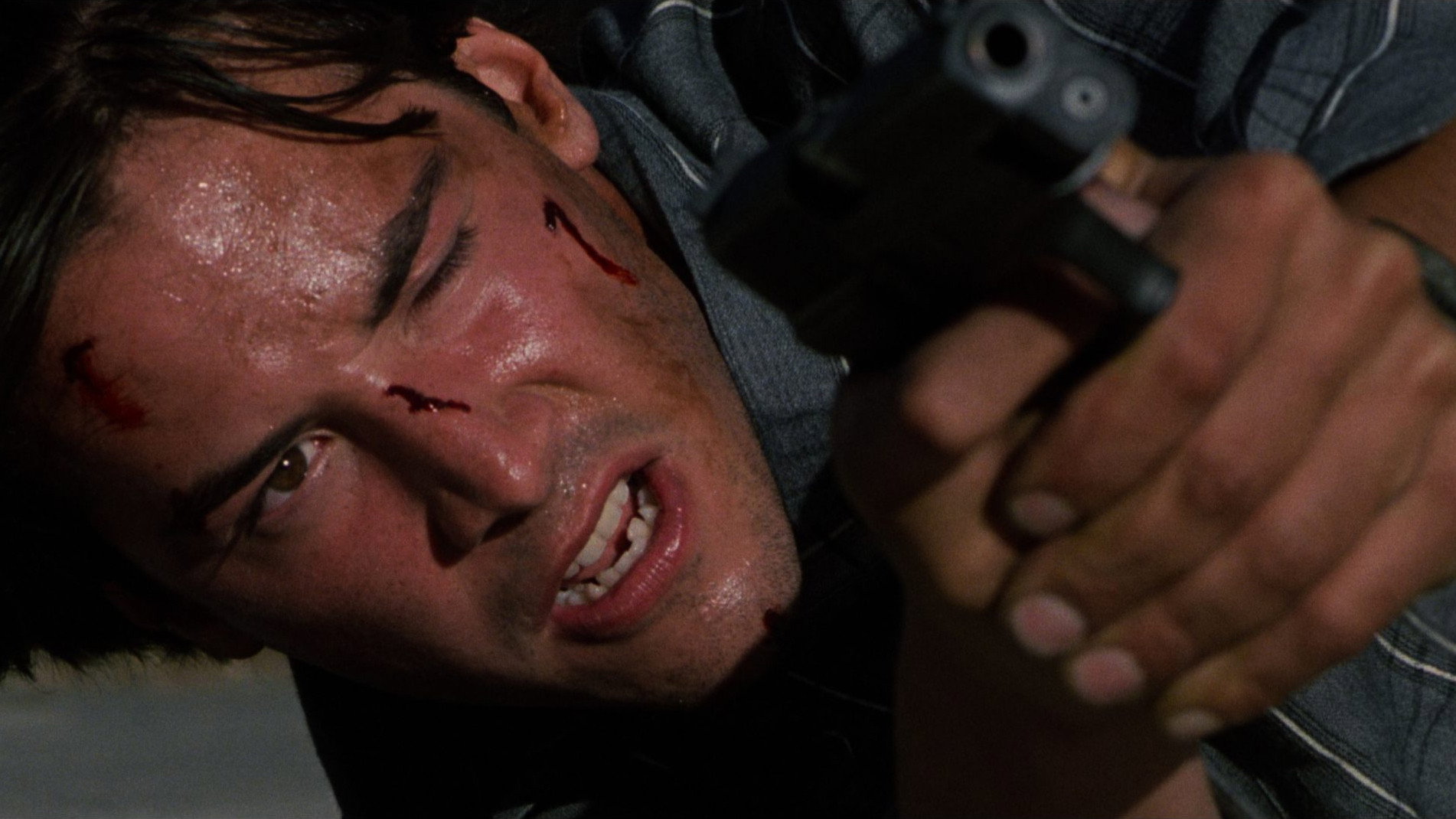
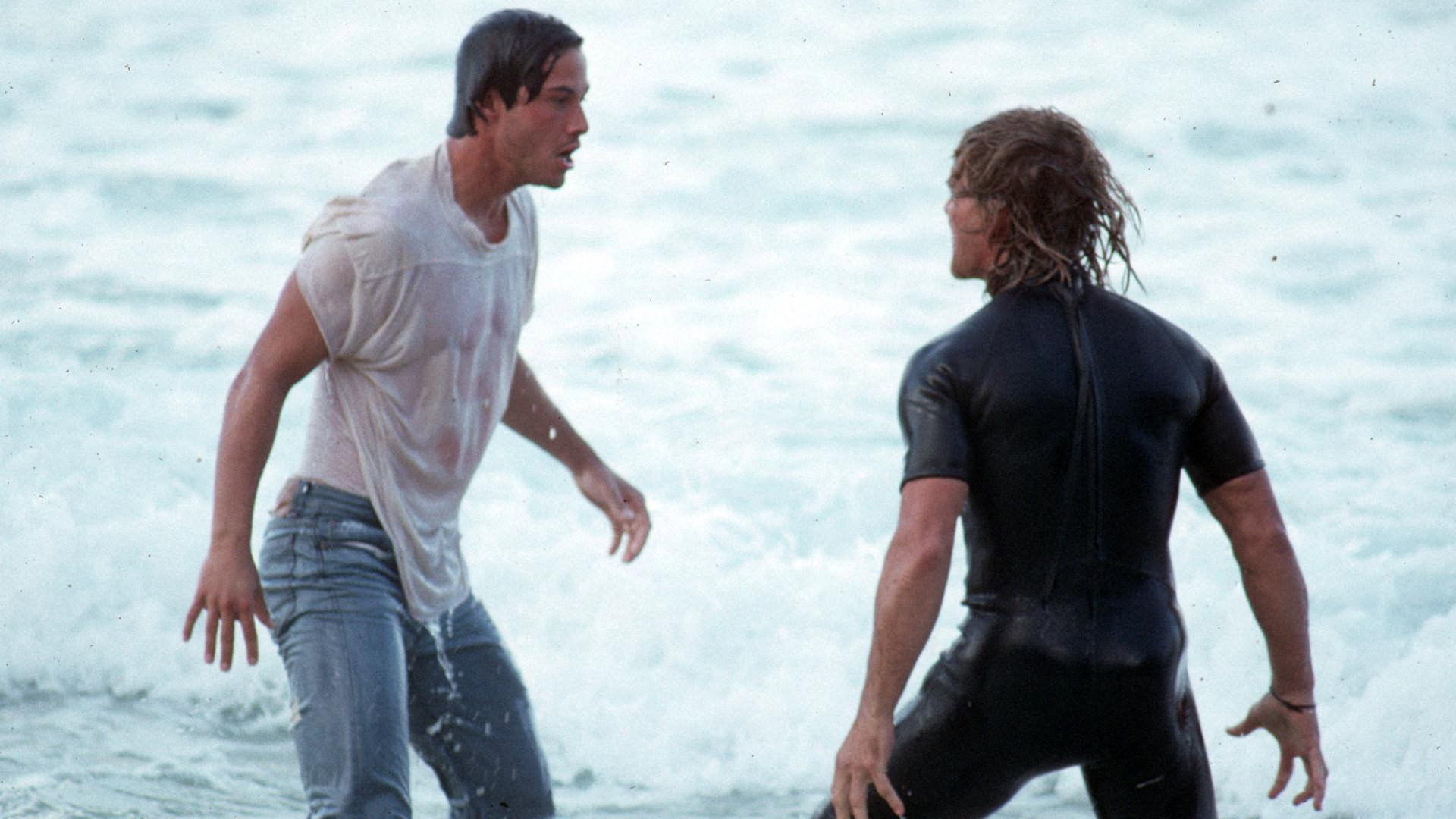
Agent Johnny Utah (Keanu Reeves) finds himself drawn to Bodhi (Patrick Swayze), a surfer who talks about spiritual freedom and seeks out danger. As Utah becomes absorbed in Bodhi’s way of life, his professional duties compete with the appeal of joining him. Surfing, crime and a growing bond between the two men complicate the distinction between right and wrong. Gary Busey plays fellow agent Angelo Pappas, with Lori Petty as Tyler Endicott and John C. McGinley as Ben Harp. The pursuit of excitement threatens to matter more than the pursuit of criminals.

Plays from YouTube when you press play; nothing loads from them until then.

Fi1m review

Kathryn Bigelow makes Point Break thrilling enough to survive its foolish dialogue. Keanu Reeves and Patrick Swayze make the attraction between lawman and surfer convincing, even when the spiritual talk deserves no such courtesy.

Point Break understands why somebody might want to stop being sensible, and Kathryn Bigelow makes that temptation thrilling. The surfing, the danger and the fascination between its leading men all belong to the same story: a respectable job starts to look less appealing beside a life organised around excitement. We recommend it warmly, with a warning about the dialogue. W. Peter Iliff’s screenplay gives its characters plenty to say about freedom, and remarkably little of it survives a moment’s thought.

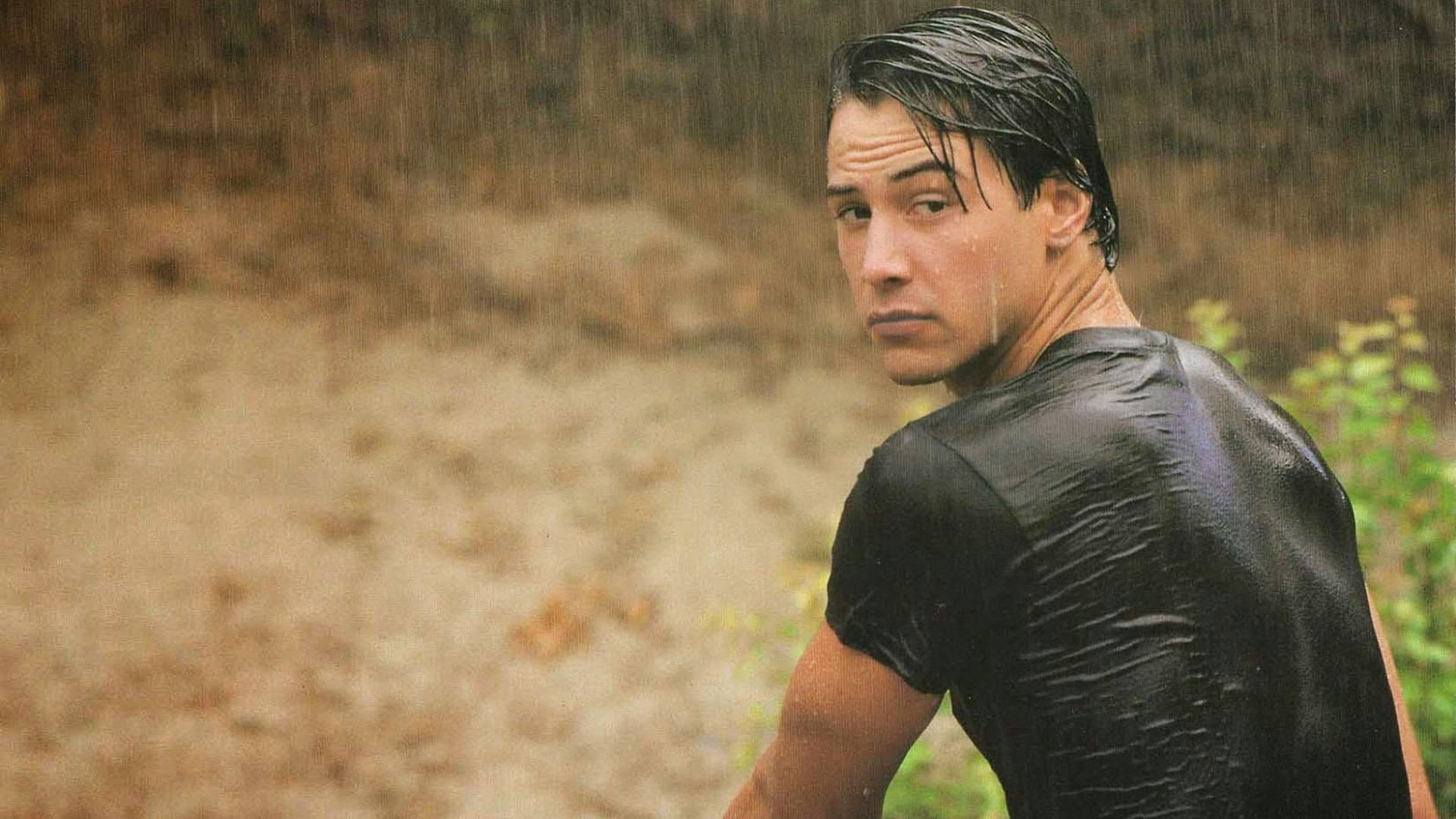
Keanu Reeves is useful casting as Agent Johnny Utah because his earnestness makes the attraction plausible. He gives Utah enough openness for Patrick Swayze’s Bodhi to influence him without making the agent seem empty. Swayze takes the surfer’s spiritual talk seriously, which is essential; a wink would let us dismiss him and leave Utah looking foolish. Gary Busey, as Agent Angelo Pappas, supplies a welcome change of company, with a liveliness that keeps the official side of the story from becoming mere waiting time.

Donald Peterman’s cinematography makes the surfing exciting through the movement of bodies, with enough physical detail to explain the appeal of this life. We were exhilarated by it: for those stretches, Utah’s fascination made complete sense to us. Howard E. Smith’s editing sustains that feeling through the action, letting speed build without making the individual feats seem disposable. The skydiving carries the same charge, although we never found the pursuit of bigger thrills quite as interesting as the people wanting them.

Peter Jamison’s production design serves the bank-chase material well, giving the action places we can understand while the people are moving through them. That clarity matters in a film with so much else competing for attention. Mark Isham’s score helps give the danger emotional weight, and we think the seriousness is justified by the attraction between Utah and Bodhi. Bigelow needs us to feel the temptation, even while the words make us doubt the wisdom of anybody experiencing it.

The trouble comes when Iliff tries to explain what the action has already made clear. Bodhi’s mystical pronouncements offer little to think about, and the macho talk can make these men seem less individual than the performances suggest. The plot’s implausibilities become more noticeable whenever the pace eases. At 122 minutes, the film gives us enough time to notice how often a speech is doing work a look might have managed.

The film is unusually comfortable letting admiration between men become difficult to separate from desire. Bigelow gives that attraction room without stopping to tell us what to call it. This makes it more interesting than an action thriller whose hero merely needs to become tougher, and helps explain why the casting matters as much as the stunts. There is pleasure in watching Reeves be susceptible to somebody, particularly when Swayze can make such nonsense sound worth considering. Choose it for the physical excitement; leave Bodhi’s philosophy unexamined.
Critical consensus AI synthesised

1 of 6
Positive
1
Mixed
0
Negative
0
Radio Times
★★★★ · John Ferguson
80

Bigelow proves action adventure is not just for the lads in this silly but hugely enjoyable thriller with stunningly conceived action set pieces and exhilarating surfing and skydiving scenes. Ignore the mystical claptrap; Reeves and Swayze acquit themselves well.

Read the full review →
Los Angeles Times
12 July 1991 · Michael Wilmington

The movie pairs impressive visual and technical virtuosity with a silly, vacuous story, resulting in something beautiful but dumb. Bigelow and the cast fail to bring conviction to the material, making it all style and technique with no real people or ideas.

Read the full review →
Sight and Sound
· Philip Strick

Bigelow delivers an epic, visceral action canvas with spectacular set pieces in surfing, skydiving and bank chases, confirming her as one of the finest action directors. The film veers into macho claptrap, stepping away from her earlier feminist ambiguities.

Read the full review →
The Hollywood Reporter
12 July 1991

The critic finds the film delivers the expected thrills and strong action sequences directed by Bigelow, while noting the generic story elements and macho stereotypes.

Read the full review →
The New York Times
12 July 1991 · Janet Maslin

The film showcases Bigelow's talents for fast-paced, high-adrenaline action sequences like skydiving and chases, even as the plot spins out of control. Reeves and especially Busey deliver strong performances amid the flakiness.

Read the full review →
Time Out
26 September 2014 · NF

Reeves is seduced by Swayze's spiritual surfer in this tale of adrenaline addiction and blurred good and evil; brilliantly staged action set pieces are almost abstract, with enough high-octane excitement for a dozen movies despite some comic dialogue and implausibility.

Read the full review →

Cast

Stills

Awards

MTV Movie Award for Best Action Sequence, 1992

Nominated
MTV Movie Award for Best Action Sequence

MTV Movie Award for Most Desirable Male, 1992

Won
MTV Movie Award for Most Desirable Male

If you liked this, try…

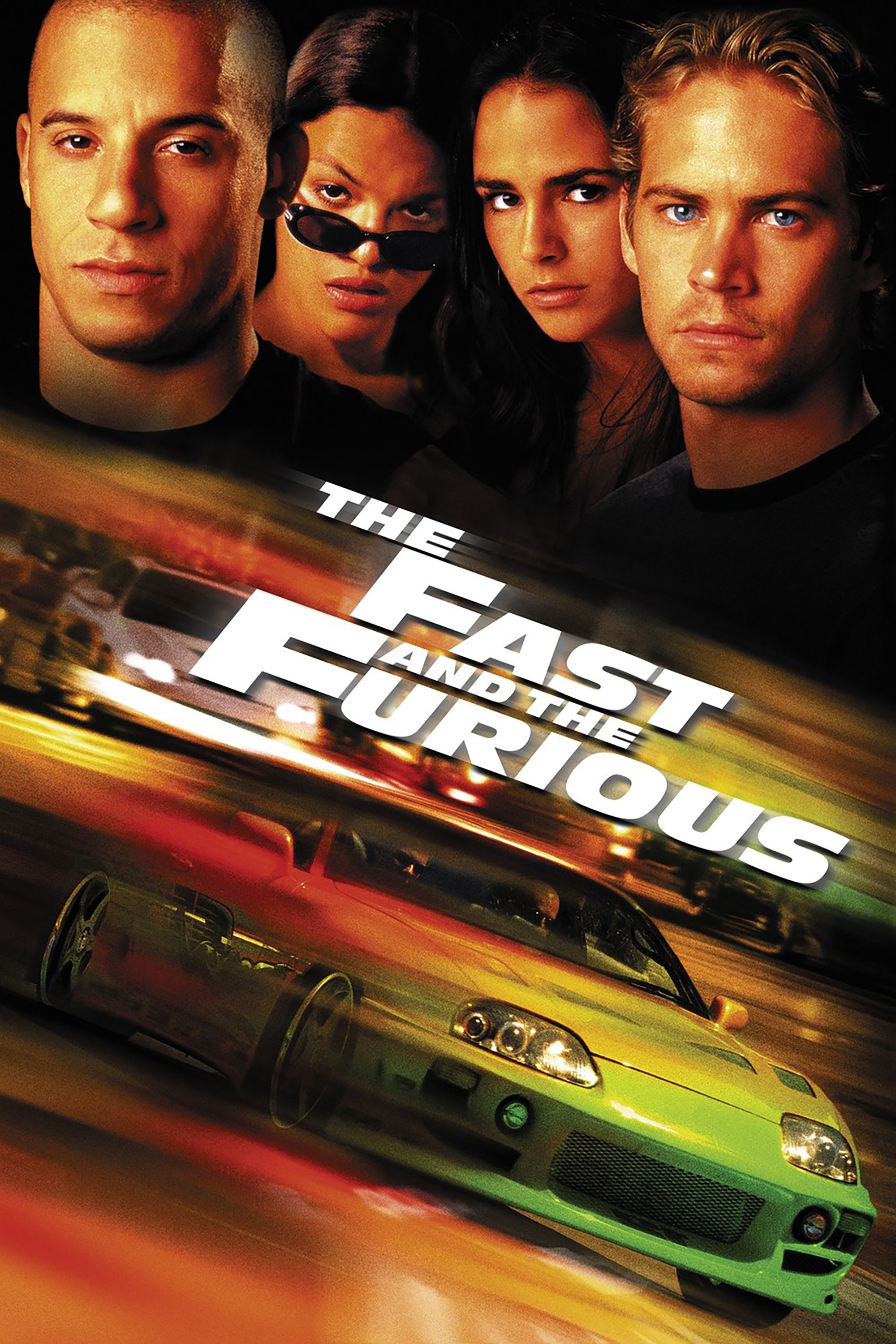
The Fast and the Furious poster

The Fast and the Furious

2001 · Another lawman discovers that the people he pursues make dangerously appealing company

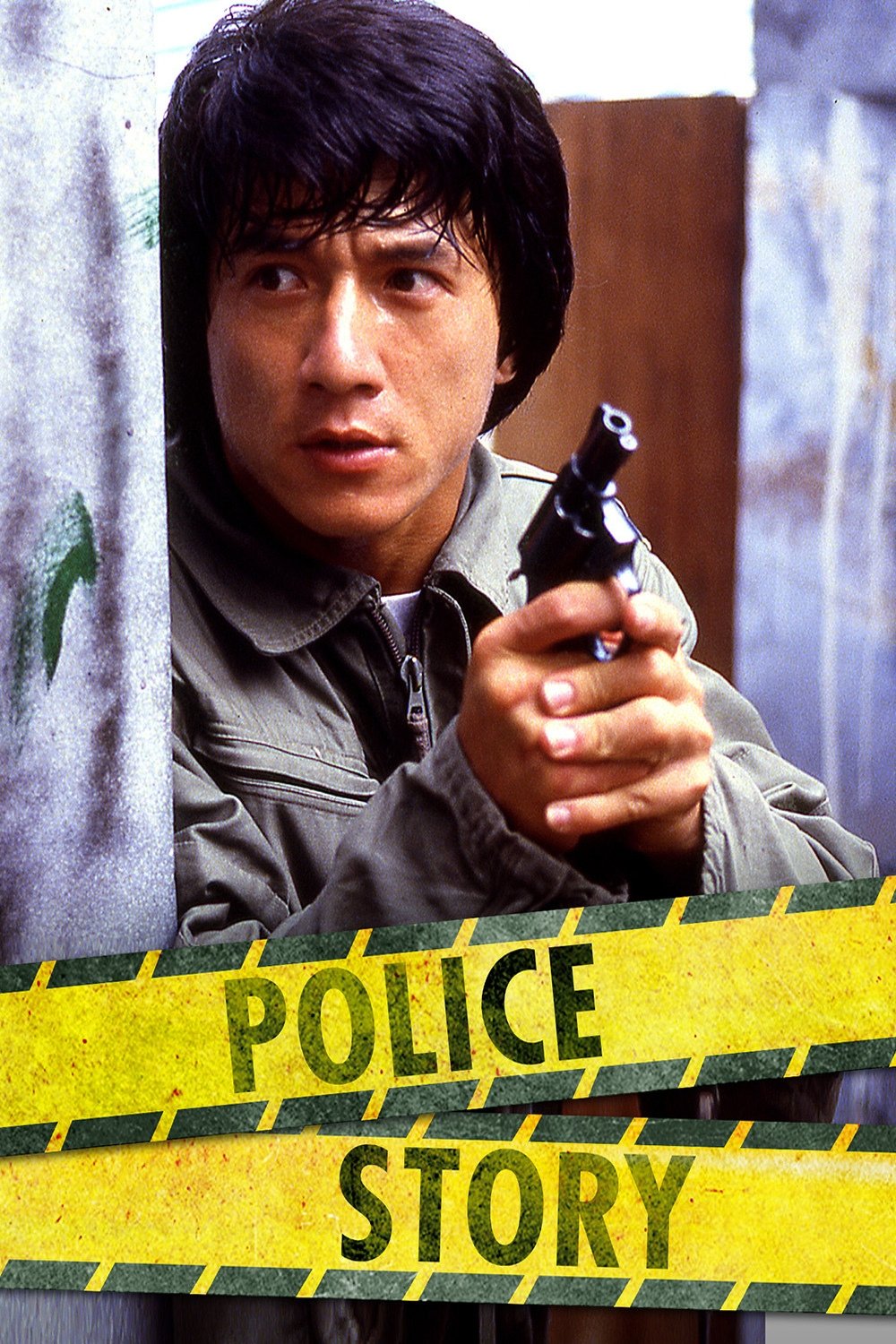
Police Story poster

Police Story

1985 · For physical action staged clearly enough to make every impact count

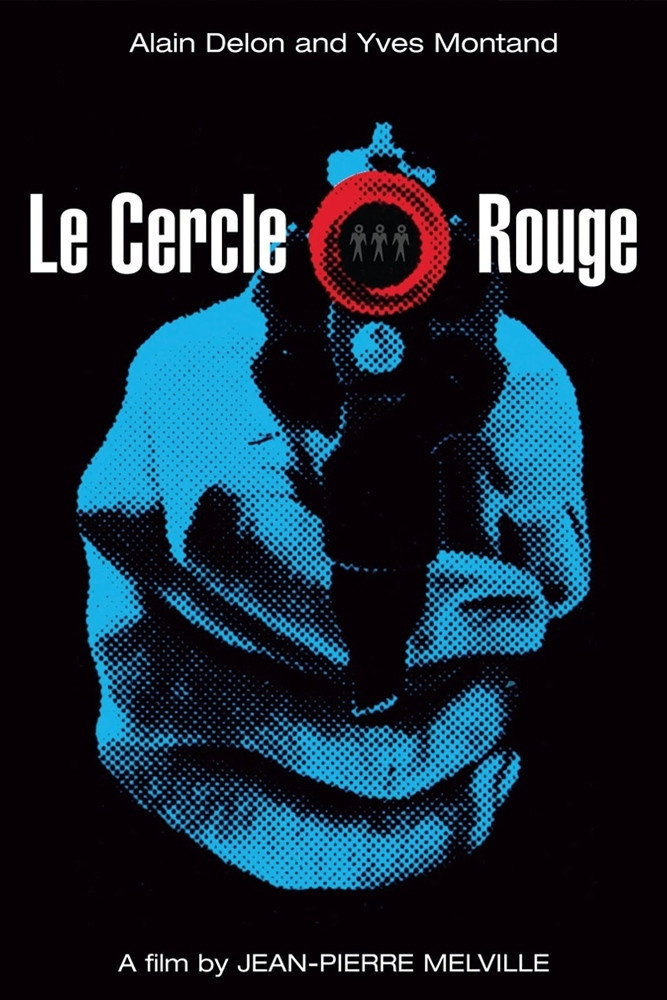
Le Cercle Rouge poster

Le Cercle Rouge

1970 · Criminal fellowship and professional duty, handled with less talk and more patience

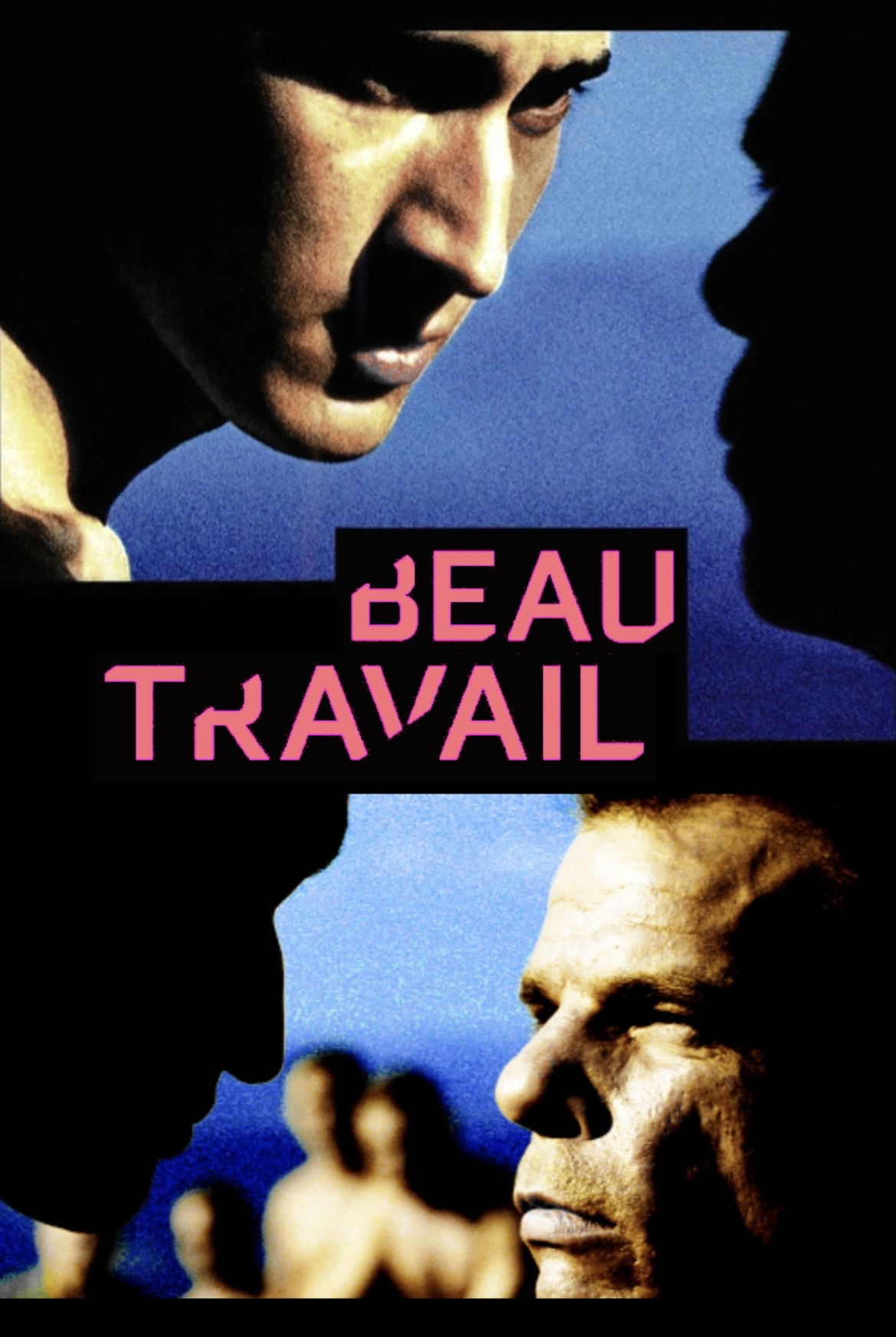
Beau Travail poster

Beau Travail

1999 · Male bodies, discipline and dangerous admiration, with rather less explanatory dialogue

The Wages of Fear poster

The Wages of Fear

1953 · For more suspense built around men who mistake danger for opportunity