Sandra Bullock and Nicole Kidman still make convincing sisters, but Susanne Bier’s sequel is a disappointment. A muddled, overlong story leaves their warmth doing most of the work.
Practical Magic 2 is a disappointing sequel with two leads who make us wish it were better. Director Susanne Bier brings Sandra Bullock and Nicole Kidman back as Sally and Gillian Owens for a family fantasy concerned with inherited magic, love and sisterly loyalty. Those are perfectly serviceable reasons to return, and the film need not apologise for wanting to be comforting. The trouble is how often it relies on the pleasure of recognition when it ought to be giving these people something worth doing.
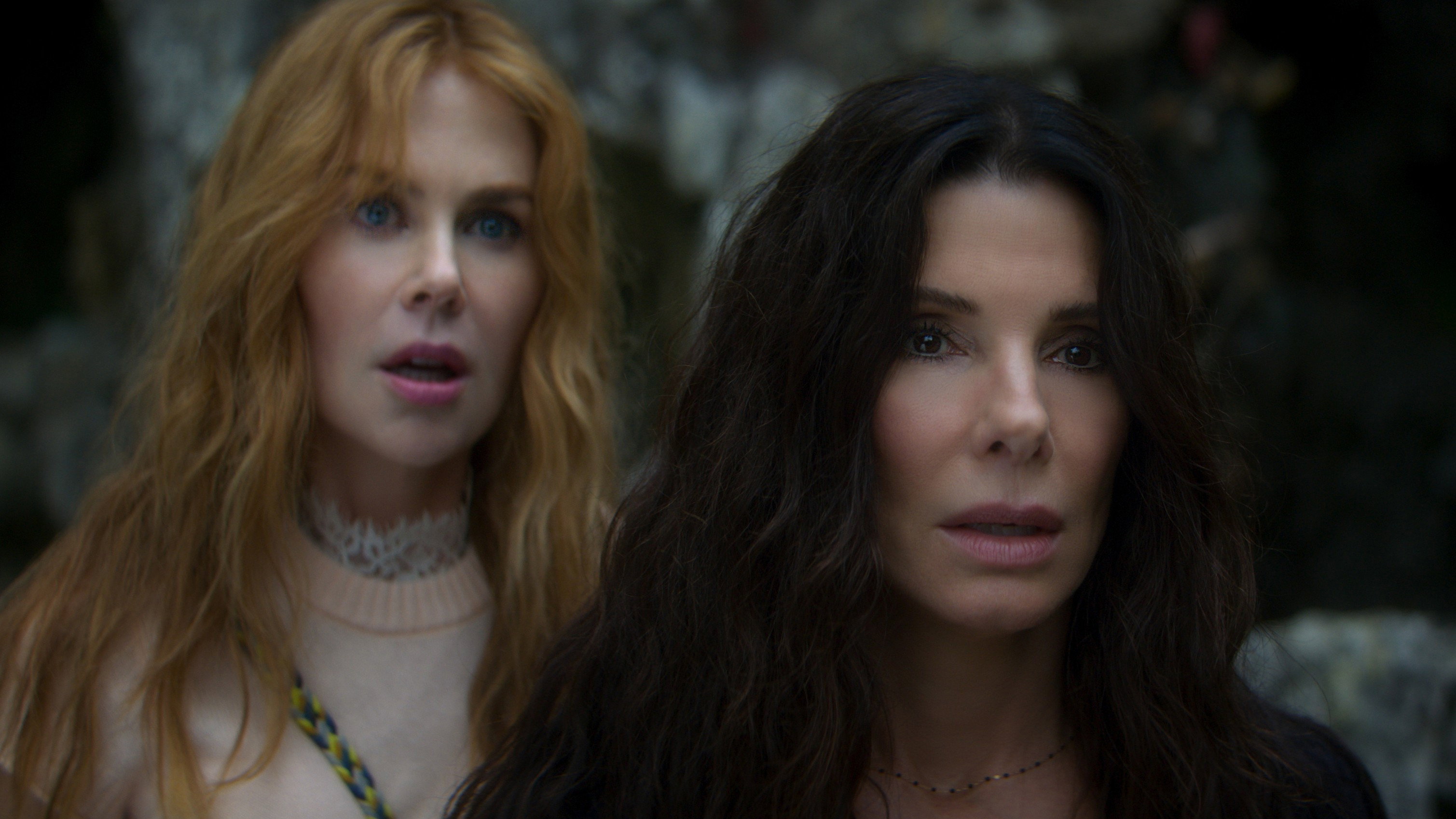
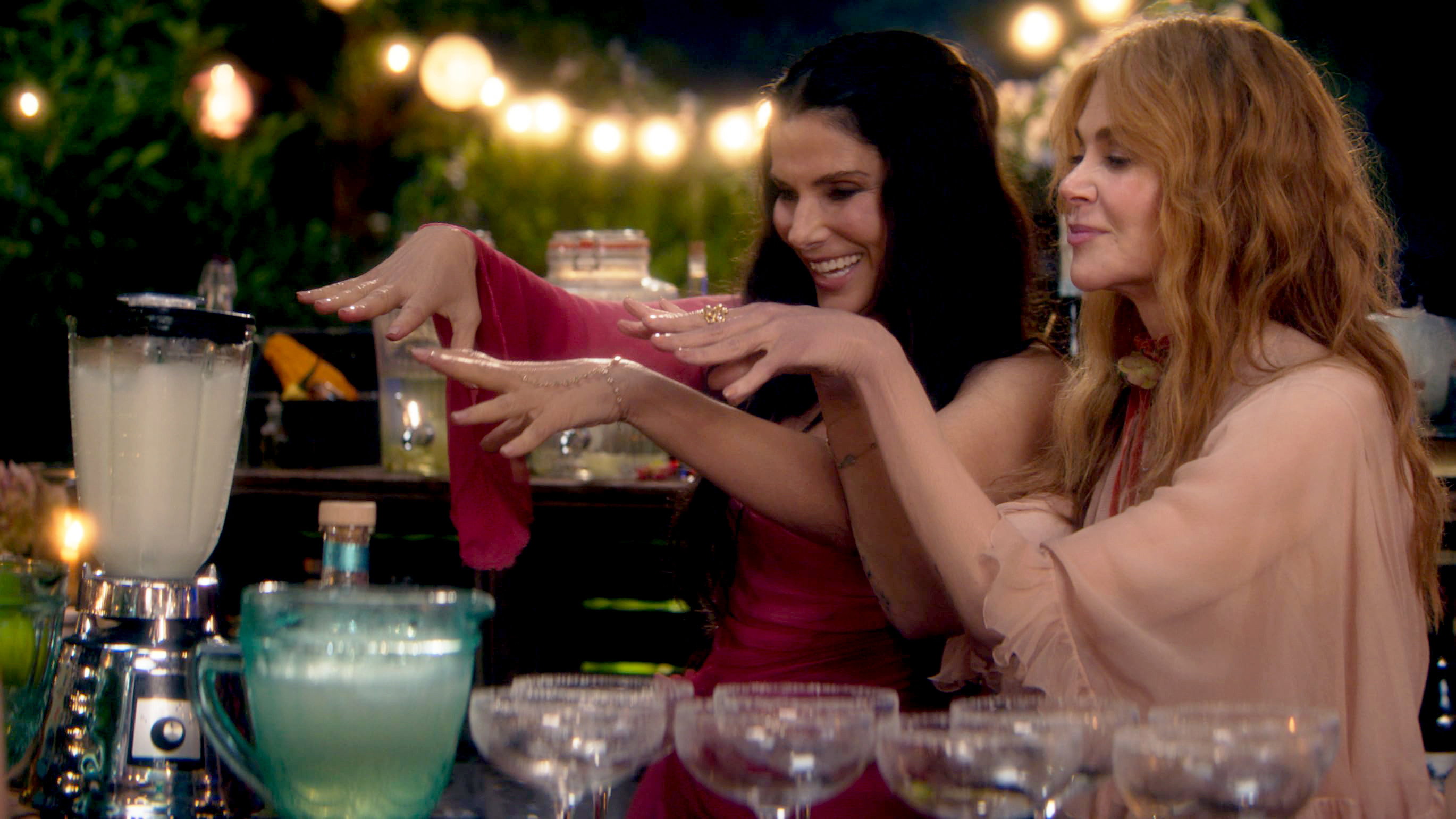
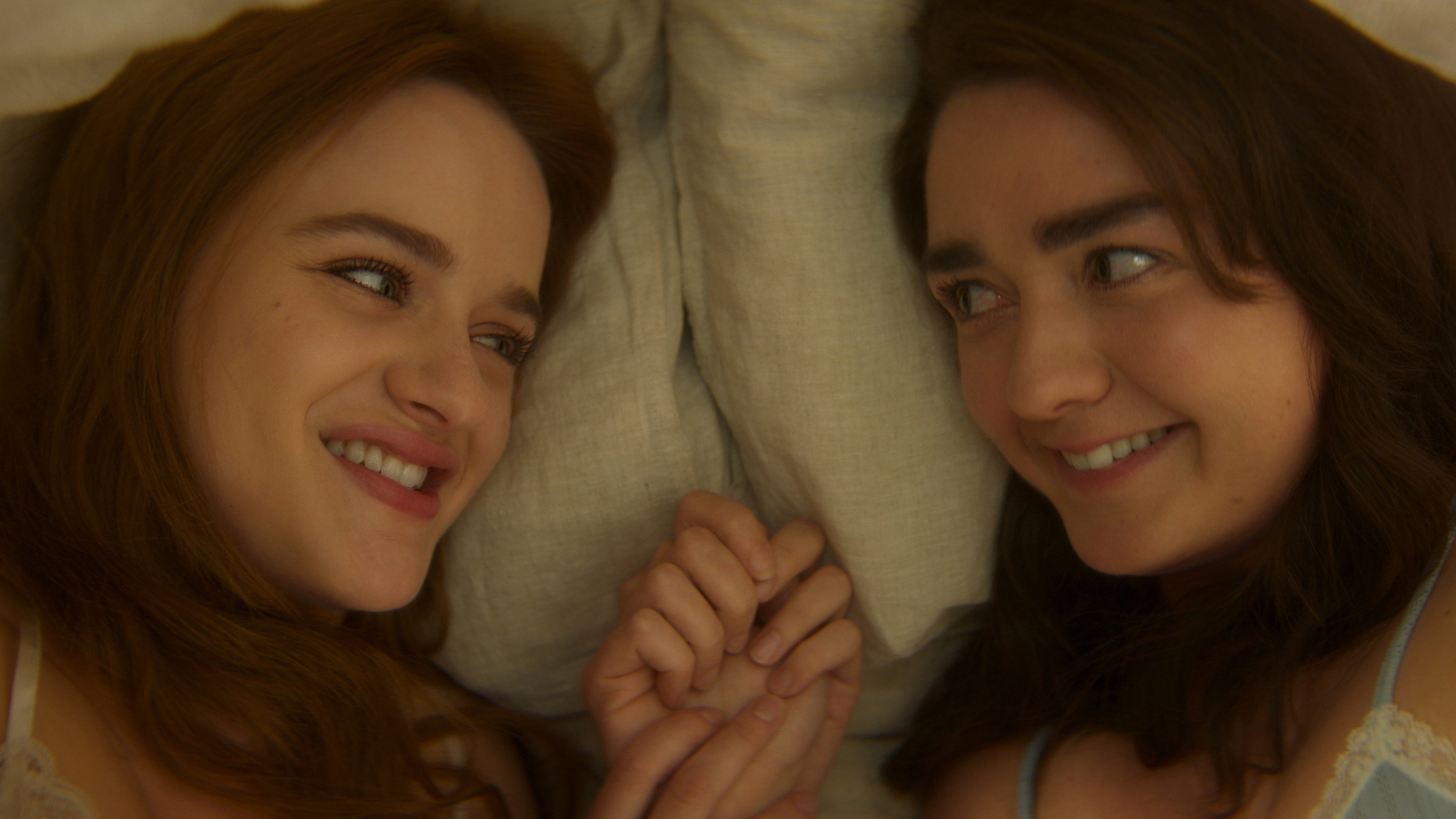
Bullock remains the most persuasive reason to stay, giving Sally a warmth that makes her stiffness amusing rather than merely tiresome. Kidman’s freer Gillian loosens things up, and together they suggest sisters whose differences no longer need explaining. We were touched by their ease together: they make the sisters’ affection credible even when the dialogue is awkward. The reunion also includes Dianne Wiest’s Aunt Jet and Stockard Channing’s Aunt Frances, though their limited time leaves us wishing for more of them.
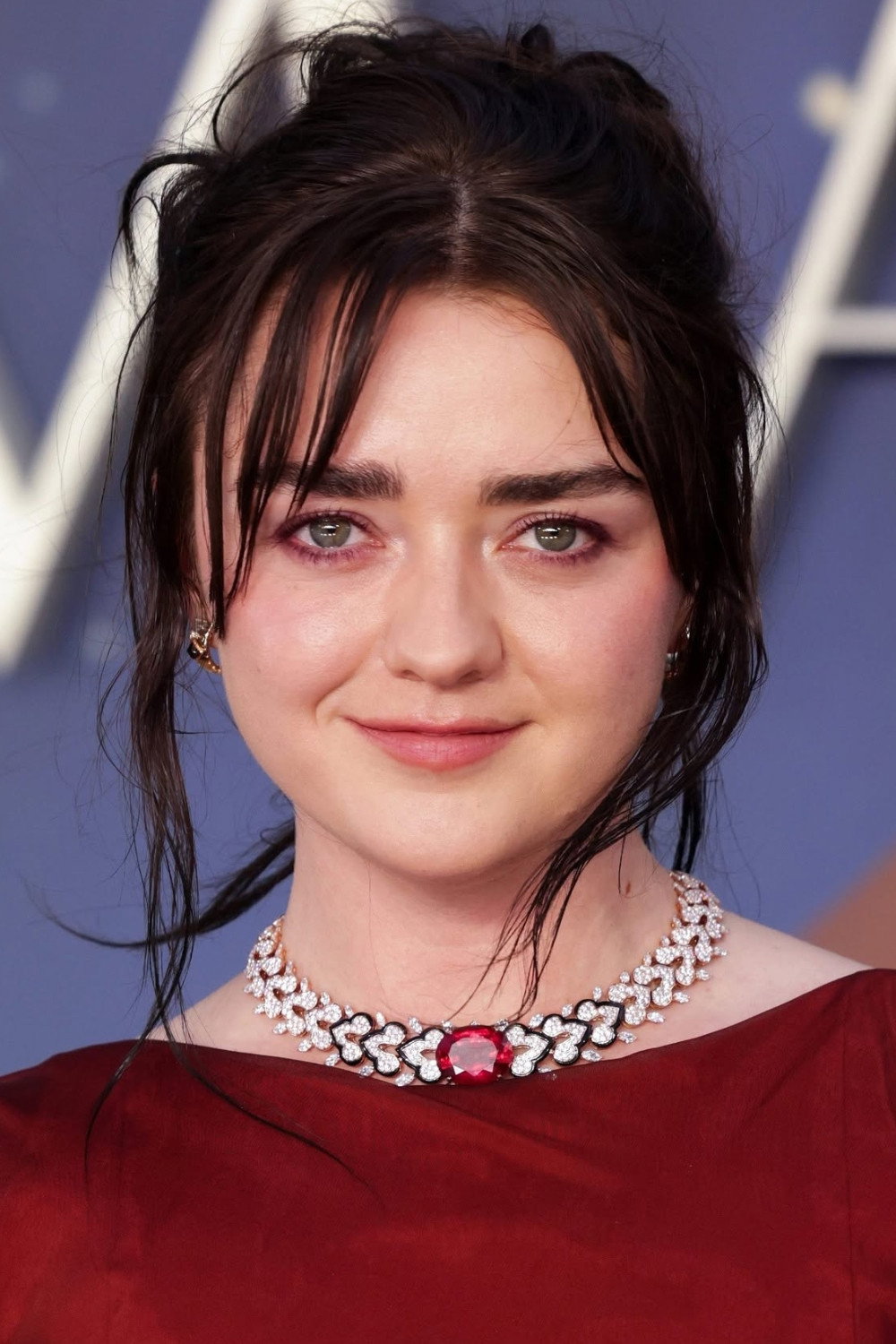
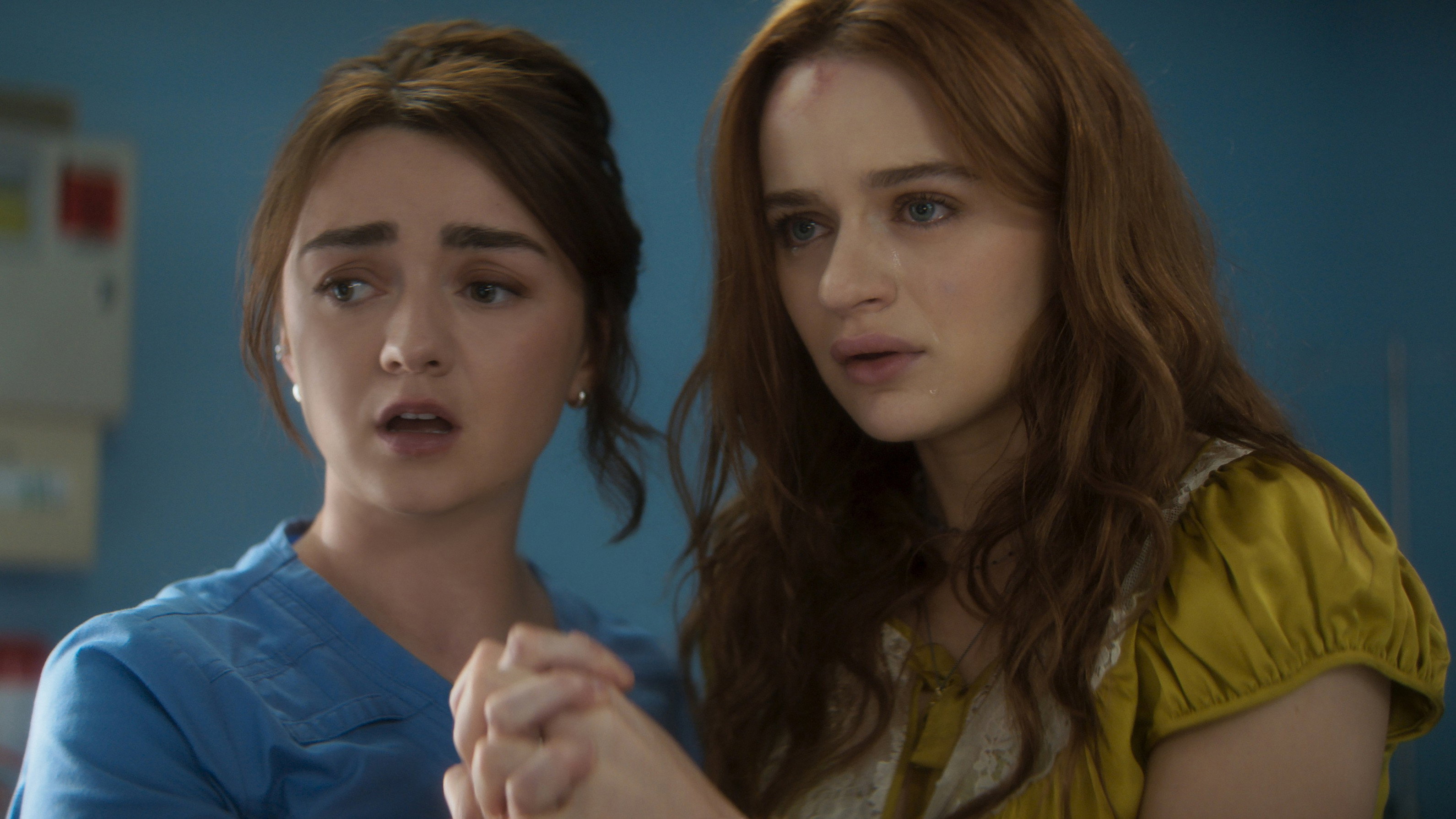
Akiva Goldsman and Georgia Pritchett’s screenplay has a less convincing claim on our attention. The family curse and expanded magical history ought to give the reunion some urgency, but the plot feels both thin and unnecessarily tangled, requiring more explanation than its people can comfortably carry. The sentiment turns sugary, and the writing too often asks the performers to make awkward material sound spontaneous. Joey King plays Kylie Owens and Maisie Williams plays Antonia Owens, but the broader family never becomes as compelling as the central pair.
At 130 minutes, the film gives its slender story an unhelpful amount of space. Sam Williams’s editing does not find a steady rhythm: conversations feel crowded, yet the plot is slow to move. There are stretches when the film appears to be waiting for our affection to do the work, and the muddled plotting makes that wait harder. A romantic fantasy can afford to wander, but this one rarely makes the detours feel worth taking.
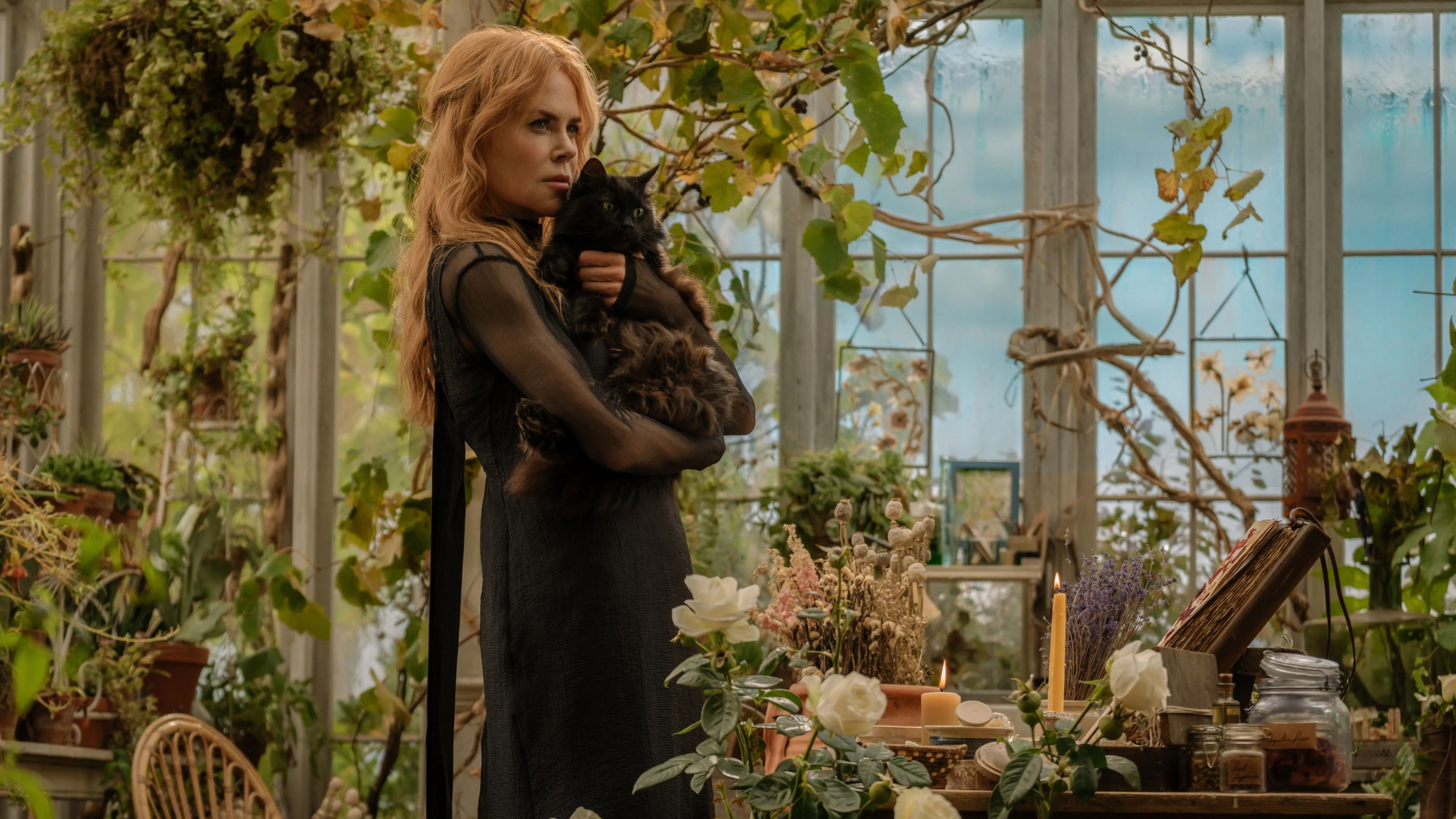
Simon Duggan’s cinematography favours jewel colours and a polish that sometimes makes the surroundings feel too carefully arranged to live in. Tom Burton’s production design offers inviting, luxurious spaces, while Alexandra Byrne’s costumes provide something to enjoy when the dialogue cannot. These are substantial pleasures in a film that wants us to enjoy spending time with its family, though the gloss can become oppressive. Bier is less successful at giving the magic much force; the mild spookiness seldom unsettles the cosy atmosphere.
Rupert Gregson-Williams supplies the music, but the score does less to persuade us of the family’s closeness than the actors do. A romantic fantasy needs some surprise in its courtships or its magic, and this one offers too little of either. Bier makes room for tenderness, particularly around the older characters, and that is worth acknowledging. The conventional storytelling nevertheless makes this family’s powers less interesting than they ought to be.
If Bullock and Kidman together are enough to settle the evening, there is pleasure here, but we would not recommend it for the story. The fantasy needs sharper writing, and the comedy needs more room to let a joke land. Go for the company only if a long evening is part of the appeal.