Film review

Howl's Moving Castle

2004 · Directed by Hayao Miyazaki · 1h 59m · MPA PG

In a sentenceWe would move into this walking castle, despite having several unanswered questions about the plumbing

FantasyAnimationAdventure

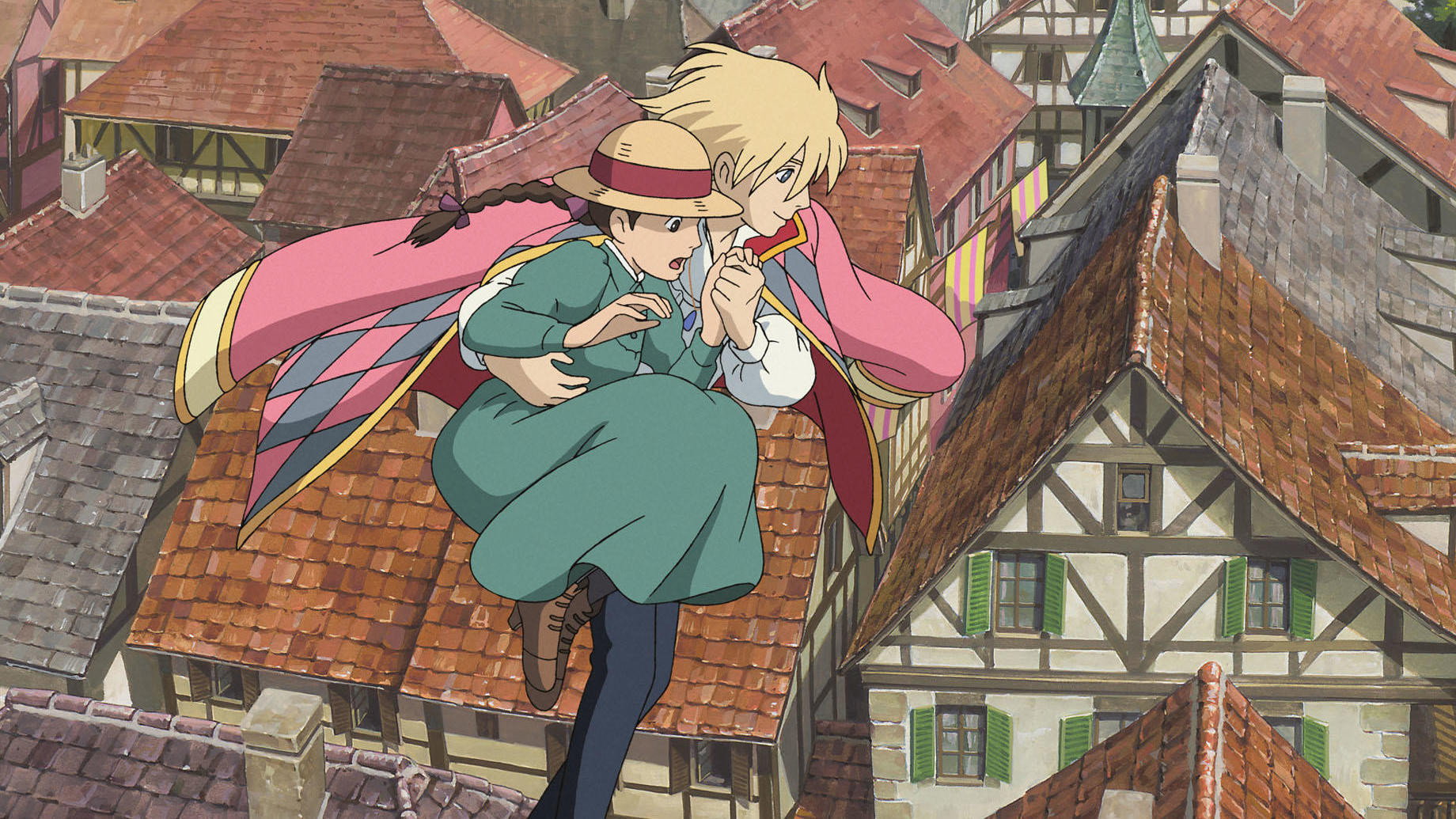
Sophie (voiced by Chieko Baisho) and Howl (Takuya Kimura) inhabit a fairytale world of magic and war, where love and kindness shape the course of an adventure. A castle walks across the landscape, and the characters include the Witch of the Waste (Akihiro Miwa), Calcifer (Tatsuya Gashuin) and Markl (Ryunosuke Kamiki). Questions about youth and the way people care for one another run through the story. Hayao Miyazaki writes and directs this animated adaptation of Diana Wynne Jones’s novel, with a voice cast that also includes Haruko Katō as Madame Suliman.

Plays from YouTube when you press play; nothing loads from them until then.

Fi1m review

Hayao Miyazaki’s fantasy is funny, tender and worth forgiving for its tangled plot. The walking castle is a pleasure in itself, but the film’s kindness gives us a reason to stay.

Hayao Miyazaki’s Howl’s Moving Castle is a warm, funny fantasy that makes an unusually persuasive case for kindness, even when its storytelling becomes difficult to follow. Adapted from Diana Wynne Jones’s novel, it gives magic, romance and war considerable space in the same adventure. The mix can be awkward. But Miyazaki’s interest in how people care for one another makes the confusion worth tolerating.

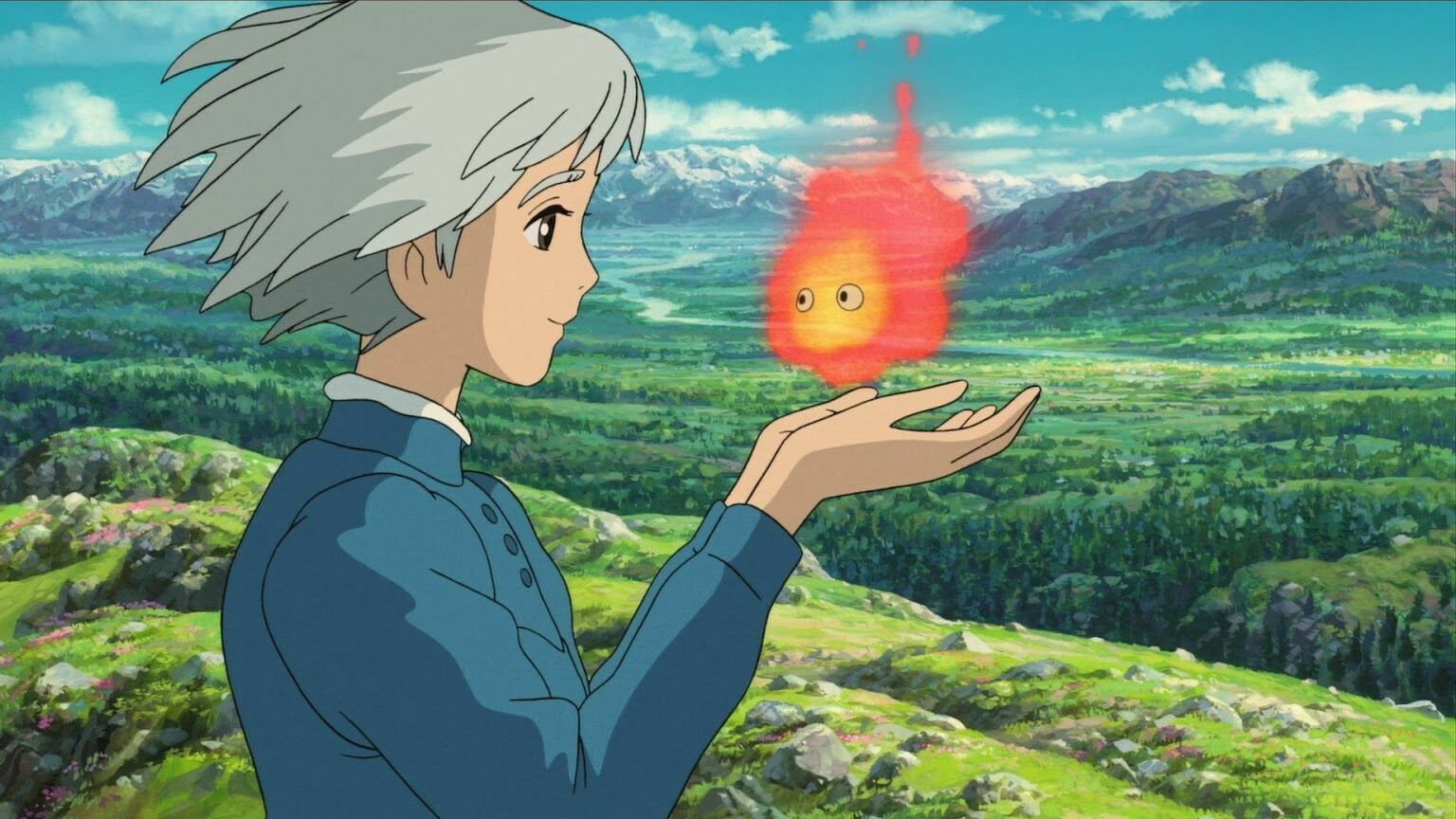
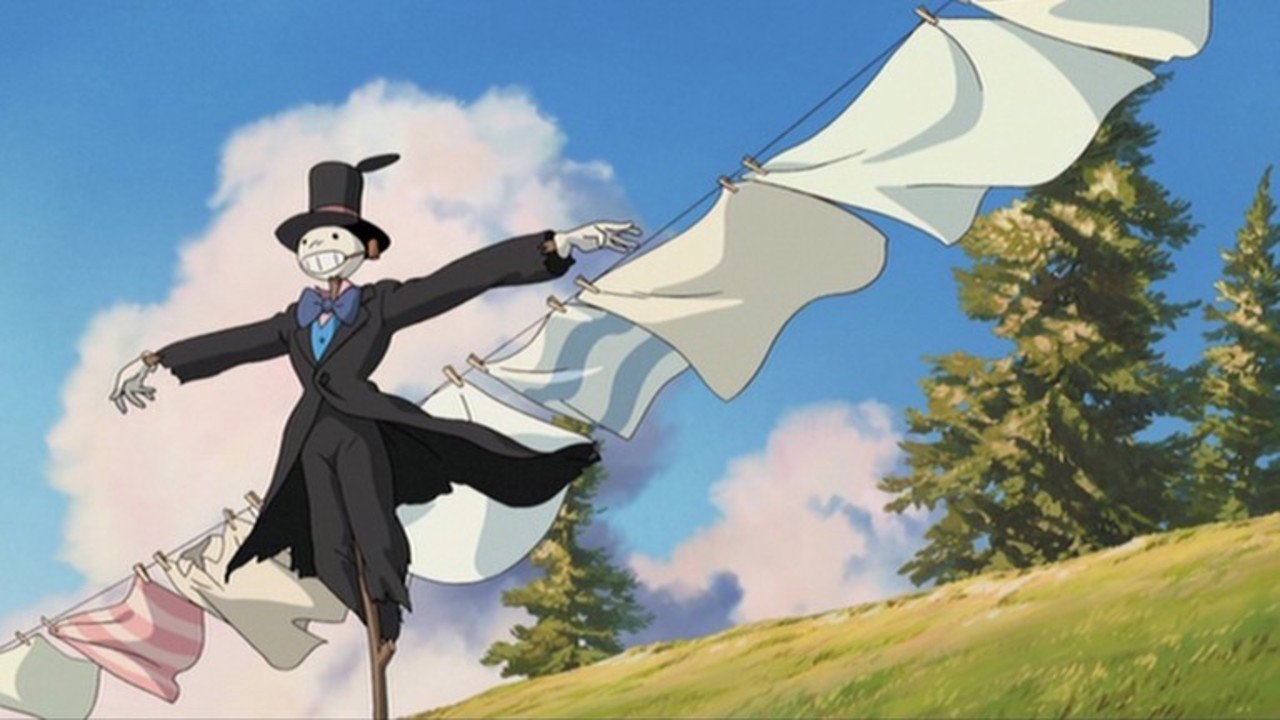
The castle earns its place in the title. We laughed at its clanking progress, then felt an unreasonable affection for it; the effort involved in getting a building to walk is funny in itself. Atsushi Okui’s cinematography lets us take in the intricate shape without losing the pleasure of seeing the whole thing move. The detail never stops it being readable. It is easy to imagine a version of this film in which the building overwhelms every human character.

Sophie prevents that. Chieko Baisho gives her a firmness that keeps the tenderness from becoming sugary, while Takuya Kimura’s Howl benefits from that steadying presence. We are invited to be interested in people who are not always admirable or easy company. The performances allow that, rather than treating every awkward quality as something to be tidied away. Their affection feels convincing because there is room for irritation too.

Miyazaki also gives the threat of war room to disturb the fairy tale. It makes the emphasis on care feel necessary rather than merely nice, and prevents the fantasy from becoming a succession of decorative wonders. There is nothing complicated about the film’s dislike of cruelty. Its gentleness works because the danger is allowed to remain frightening.

The complication comes in Miyazaki’s screenplay, where the magical business becomes harder to follow than it needs to be. A fairytale can ask us to accept the impossible without explaining every spell, but we still need to understand why one event leads to another. At points, that connection is weak. Takeshi Seyama’s editing keeps things moving, then hurries material that needed a little more room, leaving the later stretch congested.

Joe Hisaishi’s music is a large part of the pleasure. It gives the romance space to be openly felt, without making every tender moment sound like an instruction. There is a welcome confidence in letting the music be warm. Alongside the castle’s ungainly movement, it helps the film feel inviting rather than overawed by its own inventions.

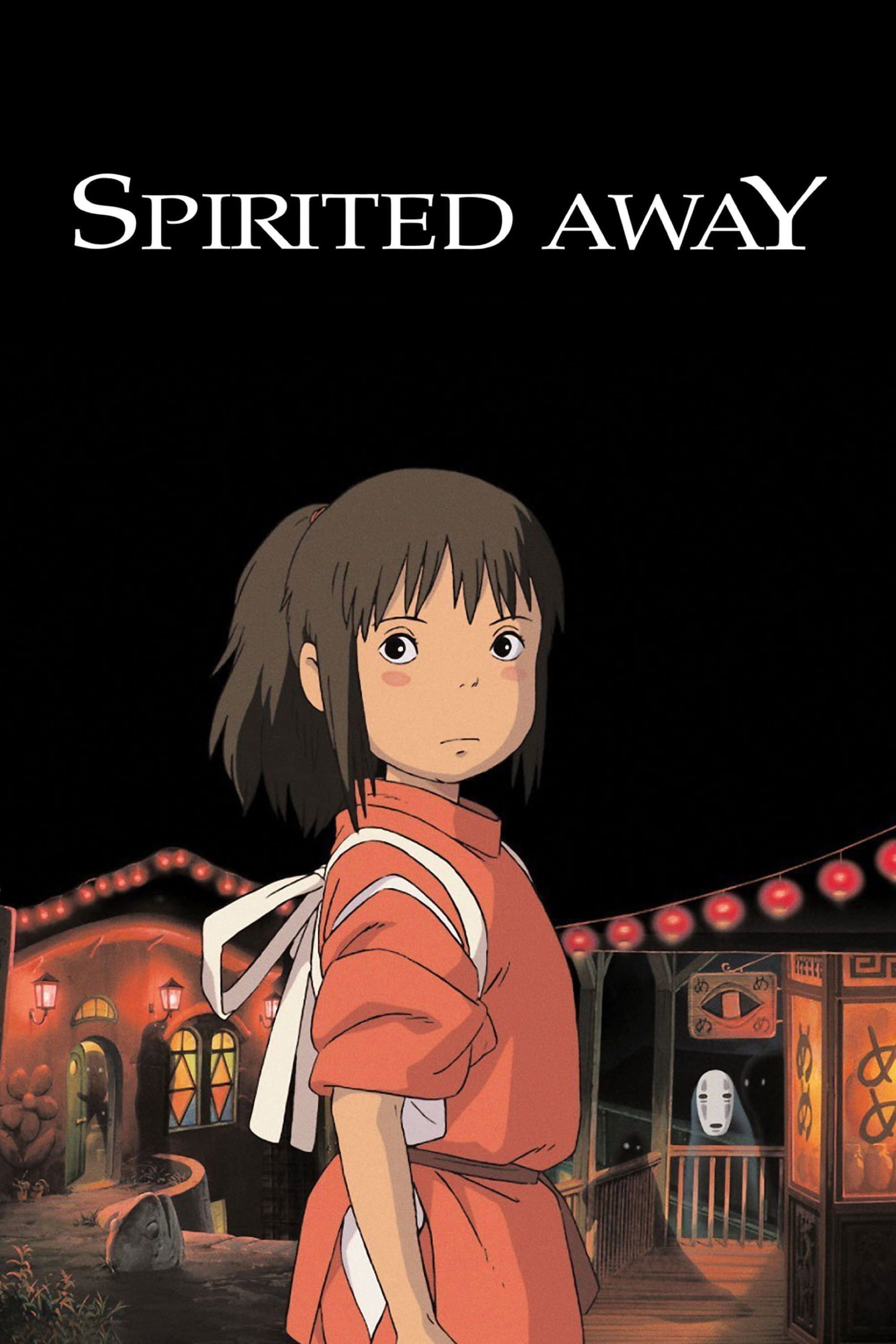
Spirited Away is the comparison that makes the weaknesses easiest to see: that film’s strangeness feels more securely held together. Yet measuring every Miyazaki fantasy against it risks overlooking what this one does well. Few fantasy adventures make kindness so interesting without turning their characters into examples of good behaviour. Here, the humour stops the tenderness becoming too much, and neither feels grudgingly added for the sake of the audience.

At 119 minutes, it asks for some patience with the way its story is arranged. We recommend it for the castle, the humour and the tenderness, with a warning that its magical rules will not satisfy anyone who likes every question answered. The U certificate should not be mistaken for simple storytelling. Small children may need help with the plot; the adults may want to compare notes as well.

Critical consensus AI synthesised

71
Positive
5
Mixed
2
Negative
1

Most critics respond warmly to Howl’s Moving Castle, with praise centred on Miyazaki’s visual imagination and the detail of its animated world. The walking castle itself draws repeated admiration for its elaborate, inventive construction. Beyond the spectacle, several reviews find charm, humour and tenderness in the fairytale, particularly its treatment of love and kindness. Even critics who struggle with the storytelling generally find pleasure in the images.

The divide concerns whether the story gives those images enough purpose. Reservations cluster around a convoluted plot, uncertain character motivations and an extended, uneven final stretch. The spread is wide: The Times praises the sophisticated plotting and reads the film as an emotionally substantial response to the invasion of Iraq, while RogerEbert.com finds the narrative murky and the spectacle short of meaning. Emotional engagement is similarly disputed, with some reviews finding sensitivity where others find too little feeling.

The Times
18 December 2020 · ★★★★★ · Kevin Maher
100

Calls it a stunning reaction to the invasion of Iraq but more than an anti-war polemic. Singles out the dazzling visuals, real emotion and sophisticated plotting as far beyond your average cartoon.

Read the full review →
The AV Club
7 June 2005 · B+ · Tasha Robinson
83

The critic finds the adaptation a charming and absorbing treat that blends Jones' clever fantasy with Miyazaki's visual playfulness and detail, though the dense plot and familiar themes make it feel somewhat redundant and hard to follow for younger viewers.

Read the full review →
Screen Daily
13 September 2004 · festival review
80*

The critic calls it visually inventive and unremittingly charming like its predecessor Spirited Away, with funny, exhilarating and touching moments, but notes it lacks the spiritual and metaphysical depth of that film.

Read the full review →
Slant Magazine
17 February 2005 · Ed Gonzalez
70*

The critic praises the spellbinding set pieces, intricate details, and the inventive moving castle but notes the story lacks logic, emotion, and clear motivation, making it a frustrating but visually captivating experience.

Read the full review →
Radio Times
★★★ · Sloan Freer
60

The review praises Miyazaki's wild imagination and the visually ingenious adventure but notes that eye candy comes at the expense of plot development, with a rushed final third and surreal conclusion likely to confuse children.

Read the full review →
Time Out
20 September 2005 · BW
60*

The critic highlights the film's visual dazzle and imaginative high-imperial fantasia setting but finds the structure increasingly baggy with a fluctuating tone and cloying conclusion that diminishes engagement.

Read the full review →

Cast

Stills

Awards

Nebula Award for Best Script, 2007

Won
Nebula Award for Best Script

Academy Awards, 2006

Nominated
Best Animated Feature

Annie Award for Best Animated Feature, 2005

Nominated
Annie Award for Best Animated Feature

Critics' Choice Awards, 2005

Nominated
Best Animated Feature

Satellite Award for Best Animated or Mixed Media Feature, 2005

Nominated
Satellite Award for Best Animated or Mixed Media Feature

If you liked this, try…

Spirited Away poster92

Spirited Away

2001 · More magical hospitality from Miyazaki, with firmer storytelling and equally strange inhabitants.

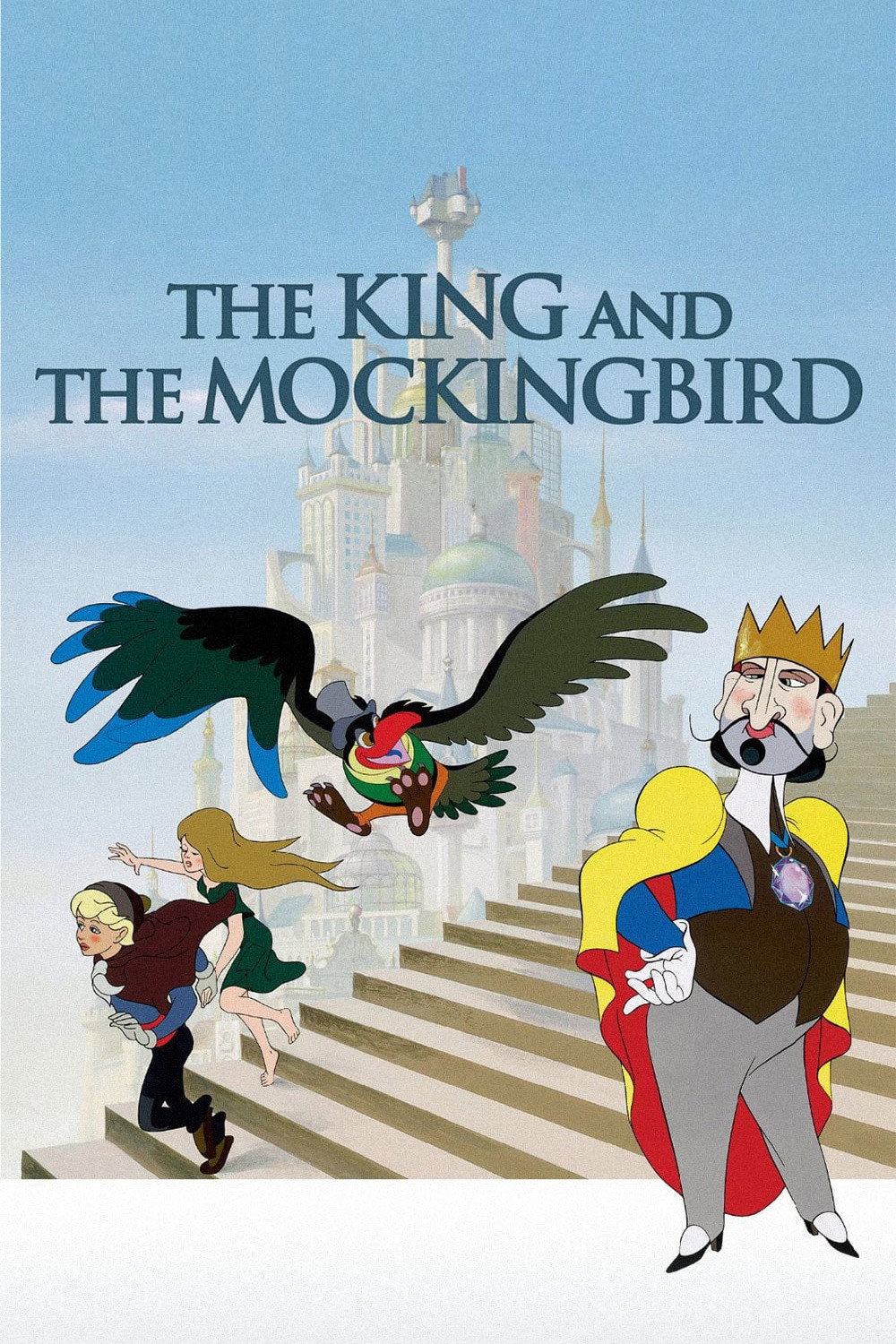
The King and the Mockingbird poster

The King and the Mockingbird

1980 · An unruly animated kingdom where architectural invention and resistance to tyranny belong together.

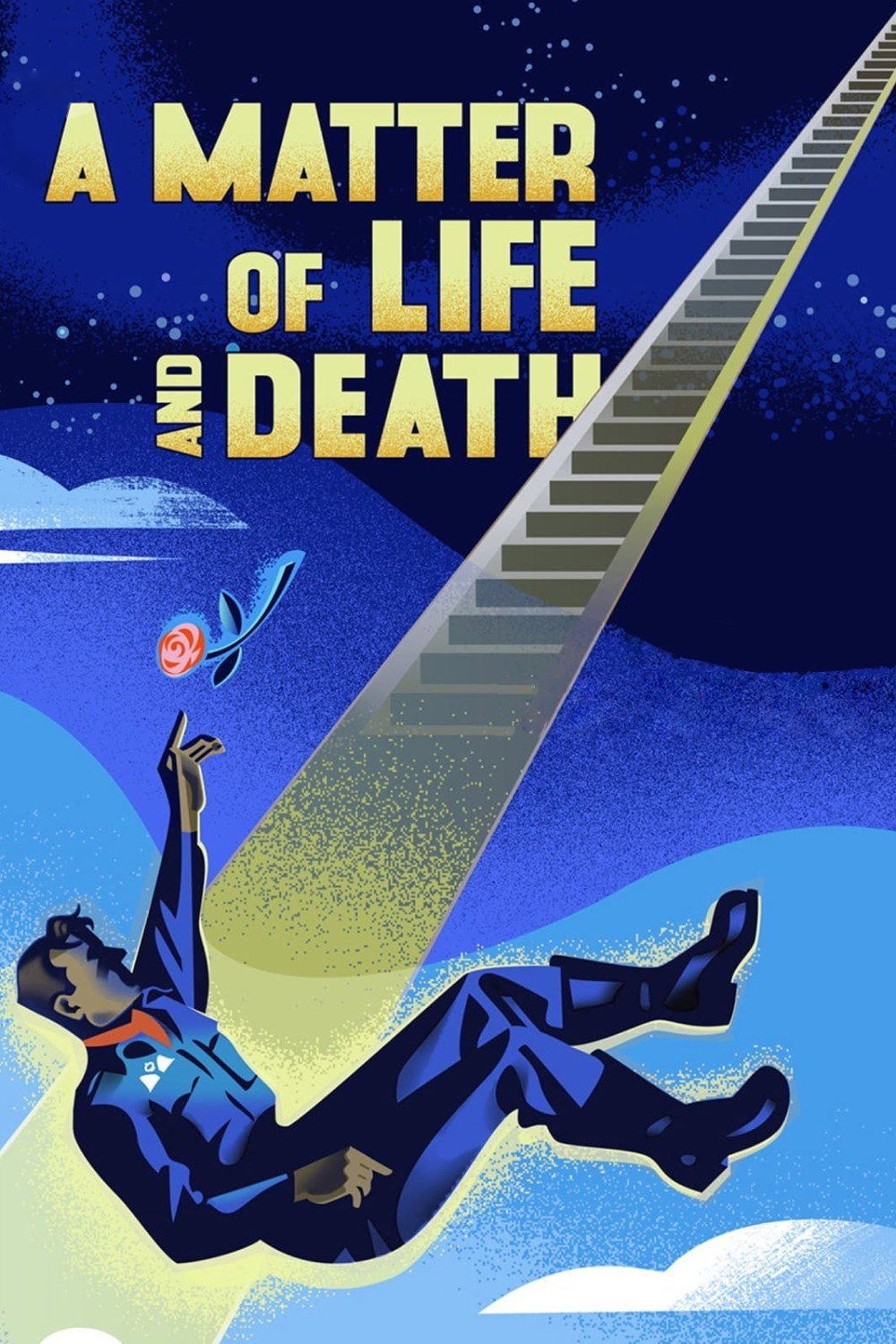
A Matter of Life and Death poster92

A Matter of Life and Death

1946 · Romance and war meet in a fantasy that takes human attachment seriously.

Song of the Sea poster

Song of the Sea

2014 · Folklore, family sorrow and patient animation, with tenderness that avoids easy consolation.

The Fabulous Baron Munchausen poster

The Fabulous Baron Munchausen

1962 · For impossible journeys, elaborate contraptions and a director happily ignoring the limits of realism.