Andrew Scott makes Pressure a tense, rewarding account of the weather decisions before D-Day. The drama is tightly handled and the acting persuasive, though the script makes its case for professional expertise a little too neatly.
Pressure is a good, tightly contained thriller about the difficulty of giving powerful people unwelcome advice. Anthony Maras puts the weather planning before D-Day at the centre of a war film, with Andrew Scott’s James Stagg trying to make scientific judgement count amid military expectation. The question is how anyone reaches a decision when certainty is unavailable and delay has consequences. At 101 minutes, it has the sense to get on with that question, though the writing sometimes makes the case for Stagg rather too easy.
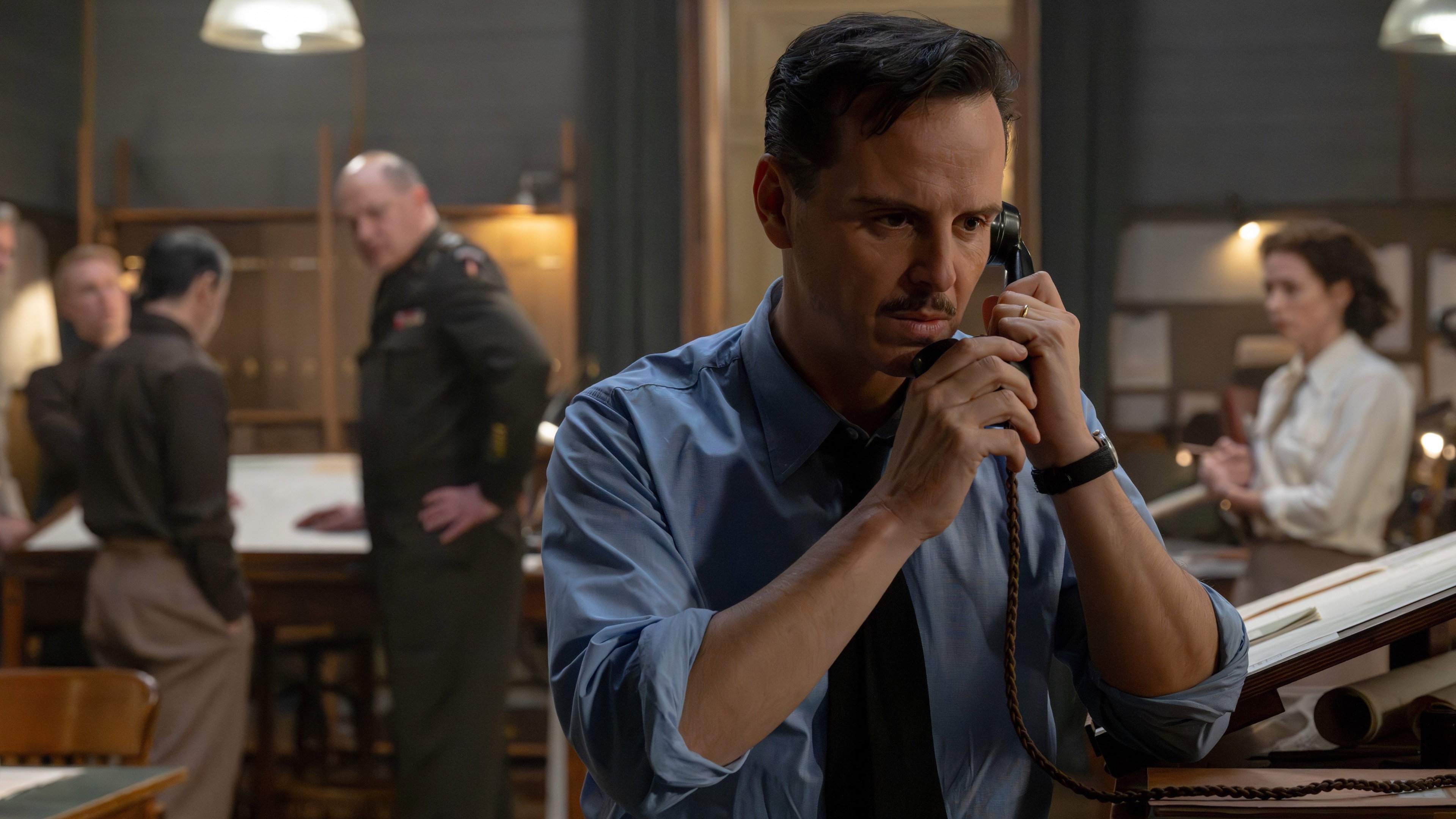
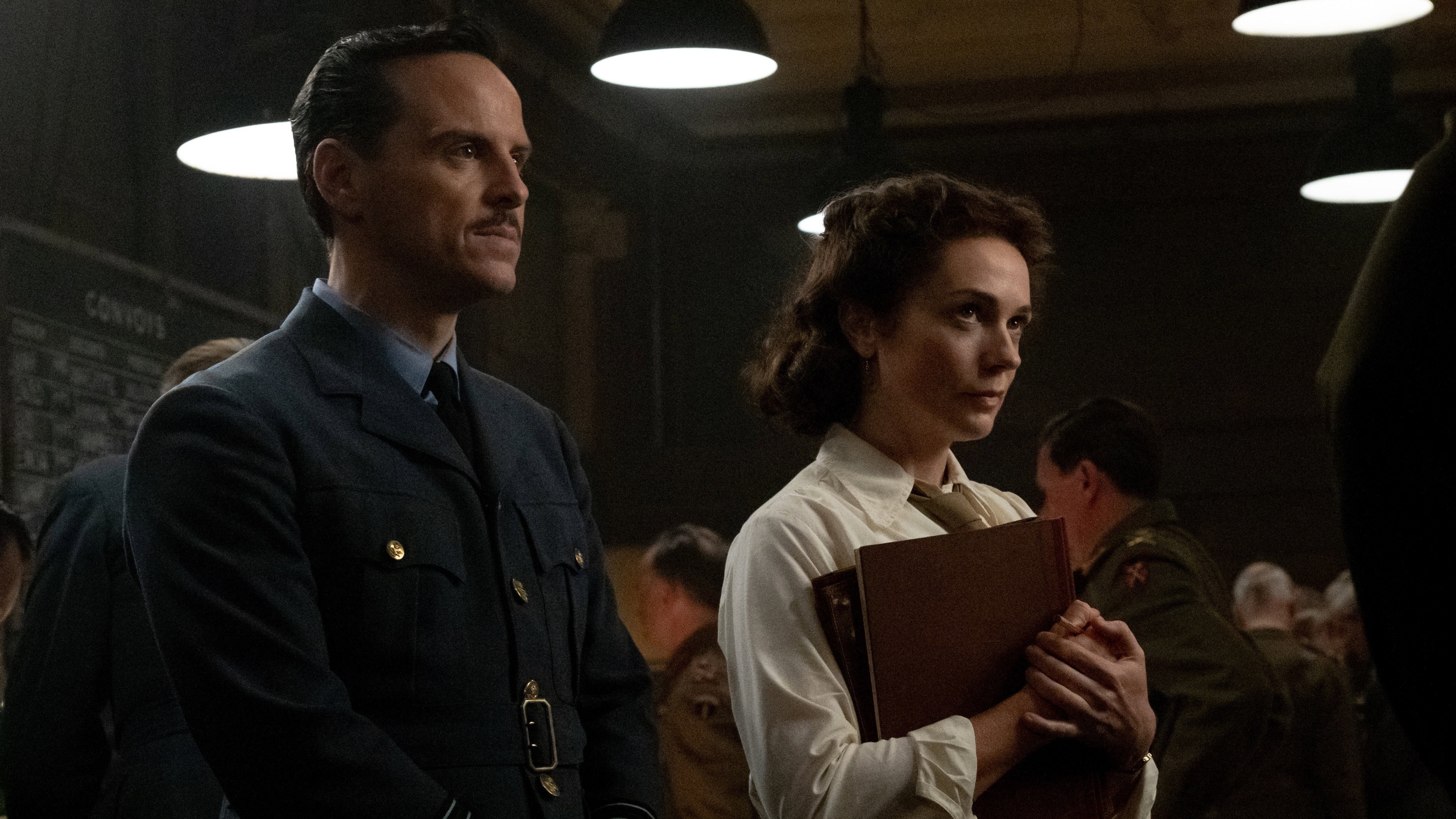
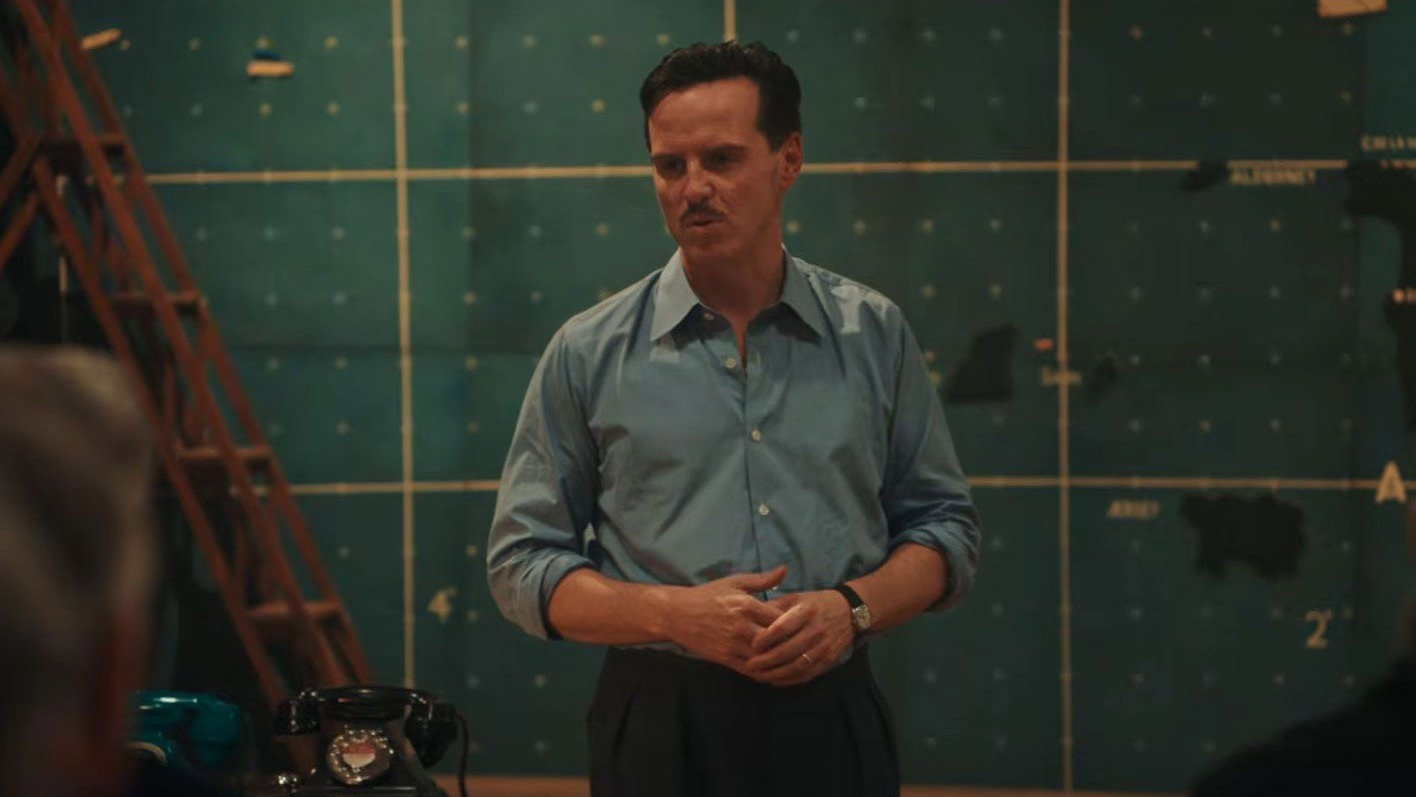
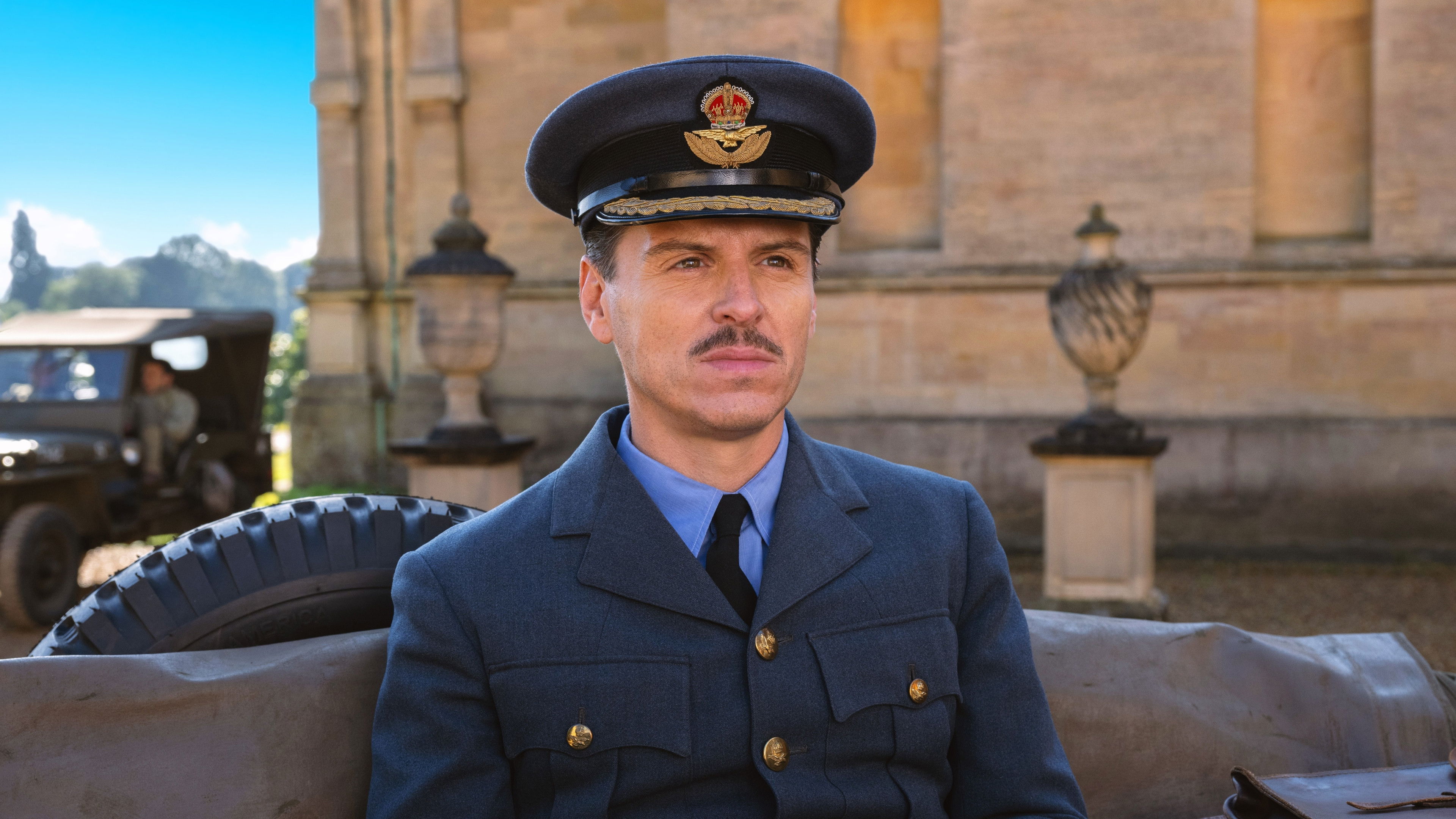
Scott gives Stagg’s determination enough strain to keep him interesting. Small changes of expression suggest the feelings he is working to contain, without making his composure seem effortless. We felt tense watching him suppress his frustration as Stagg stands by an unwelcome forecast. The restraint makes speaking plainly look difficult, and Scott lets that difficulty show without asking us to applaud it. His performance supplies some doubt and discomfort that the film’s broader tribute to professional integrity tends to smooth away.
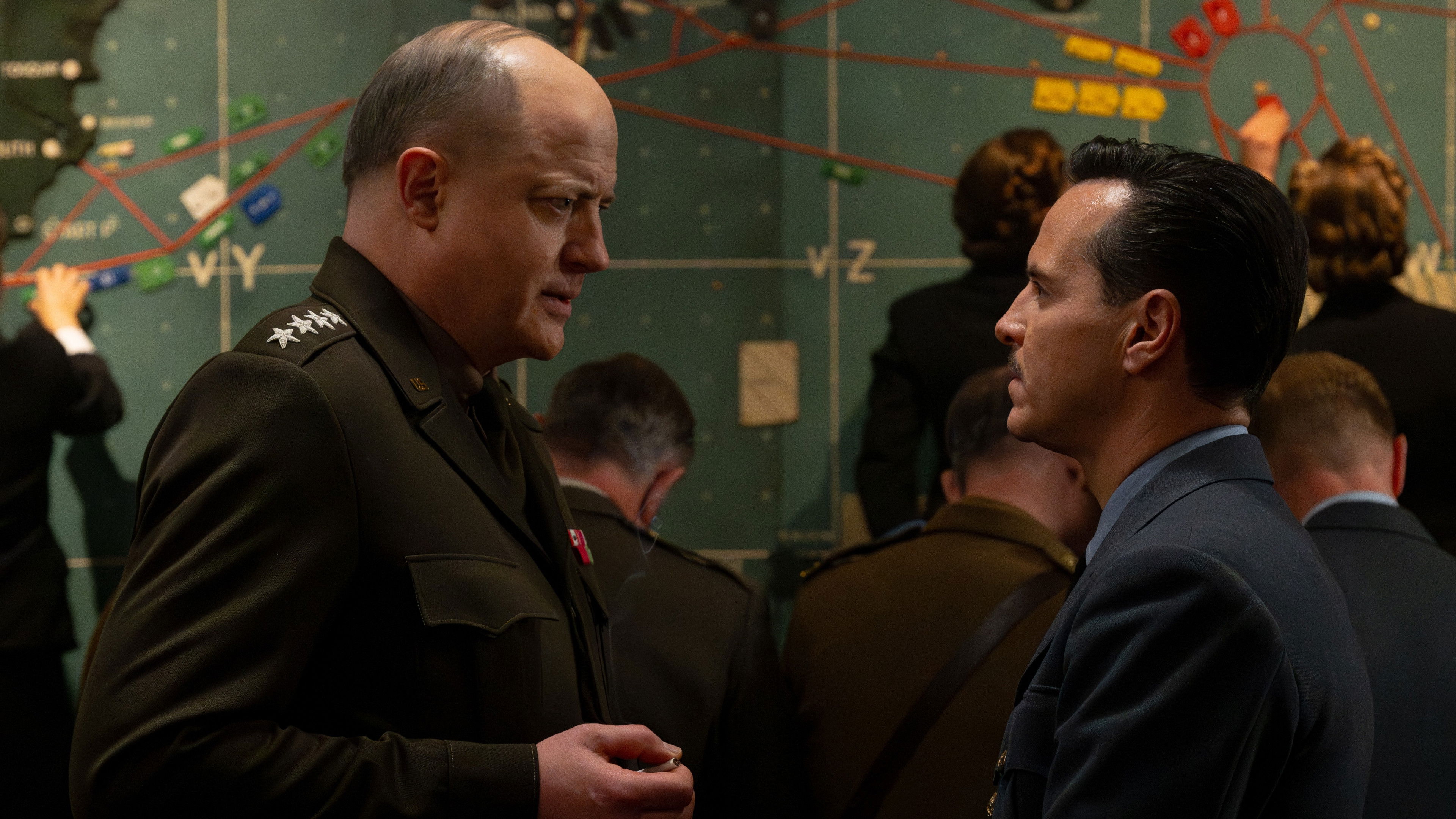
Brendan Fraser’s Eisenhower gives Scott a useful counterpart: the person who must decide needs something firmer than the expert can honestly promise. Their exchanges make the hierarchy clear without requiring the film to stop and explain why the forecast matters. Maras and co-writer David Haig also find dry humour in the generals’ predicament, since authority cannot make the conditions more convenient. The humour is welcome because these discussions could otherwise become a succession of solemn reminders about what is at stake.
Jamie D. Ramsay’s saturated cinematography keeps the enclosed setting from looking drab, although its polish occasionally makes the period surroundings feel too comfortable. As editor as well as director, Maras maintains a brisk progression through the disagreements. He lets us follow the competing positions without treating every exchange as an invitation to slow down and admire the actors. The tension comes chiefly from people challenging one another, which is a sensible choice for this material. We remain interested in who will be believed.
Daniel Taylor’s production design serves the contained setting without becoming a distraction, and the confinement suits a story about people obliged to keep arguing. The film gets useful tension from having so little space in which to escape the dispute. Volker Bertelmann’s score has a supporting job here, with the actors carrying most of the suspense. The most involving details remain Scott’s small changes of expression, which can make a reasonable exchange feel close to becoming personal.
The weakness is how little the film asks us to question its preferred man. Scott suggests a complicated person, but the screenplay is more comfortable with the familiar satisfaction of seeing expertise withstand bluster. That is an agreeable position, and a fairly limited one when the disagreements keep returning to it. The theatrical roots also remain apparent in the succession of confrontations, despite Maras’s efficient handling. We wanted the writing to spend longer on the difficulties of judgement, rather than relying so much on the virtue of standing firm.
There is something welcome about a war thriller that takes a technical discussion seriously enough to trust us with it. The old-fashioned manner suits the subject, though anyone hoping for an unfamiliar way of looking at command will find the script cautious. Maras understands how much suspense the genre can draw from a decision being delayed, and he has the actors to sustain the wait. Choose it for Scott and the battle of wills, provided a war film spent mostly in discussion sounds like an attraction.