John Call brings some warmth to this awkward Christmas abduction. The colourful sets help, but Nicholas Webster cannot make the jokes move, and 81 minutes is a long time to spend forgiving a children’s comedy.
Nicholas Webster’s Santa Claus Conquers the Martians has an agreeable premise and makes a poor comedy of it. The adults on Mars want their children to be happy, and kidnapping Santa seems to them a practical way of arranging it. The film is plainly aimed at small children, and its directness is not itself a fault. The problem is that Glenville Mareth’s screenplay expects this initial absurdity to supply far too much of the amusement across its 81 minutes.
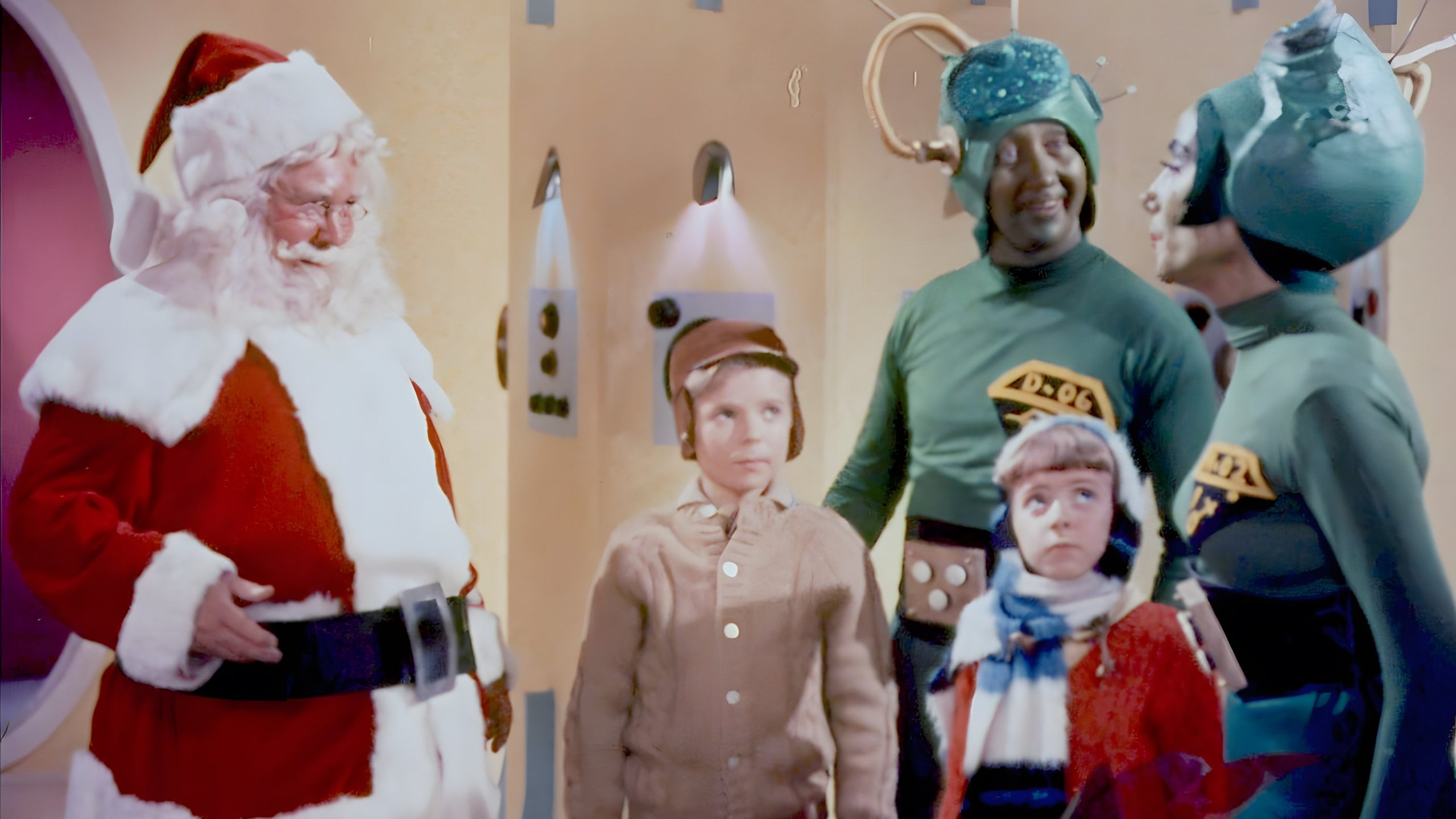
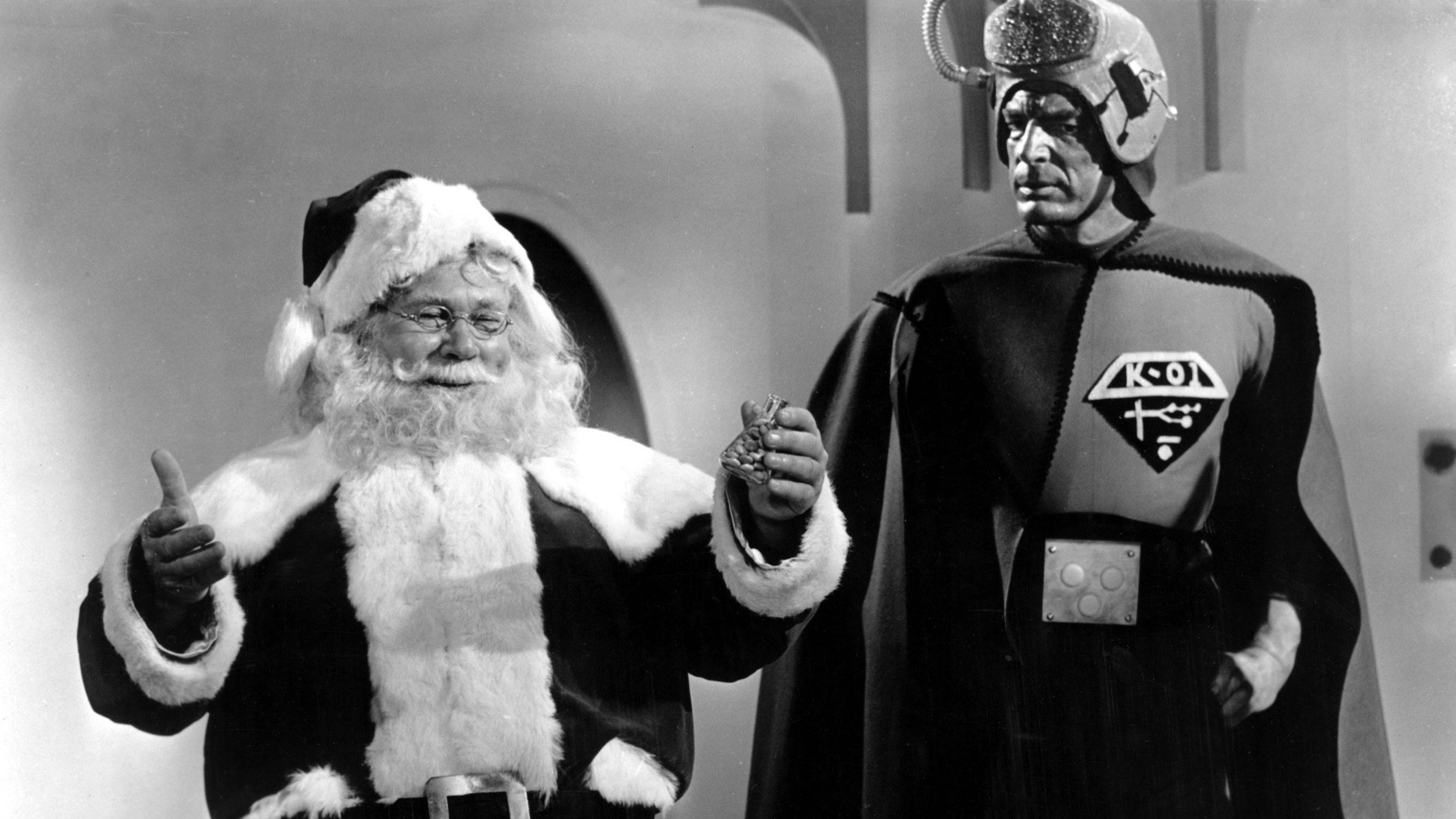
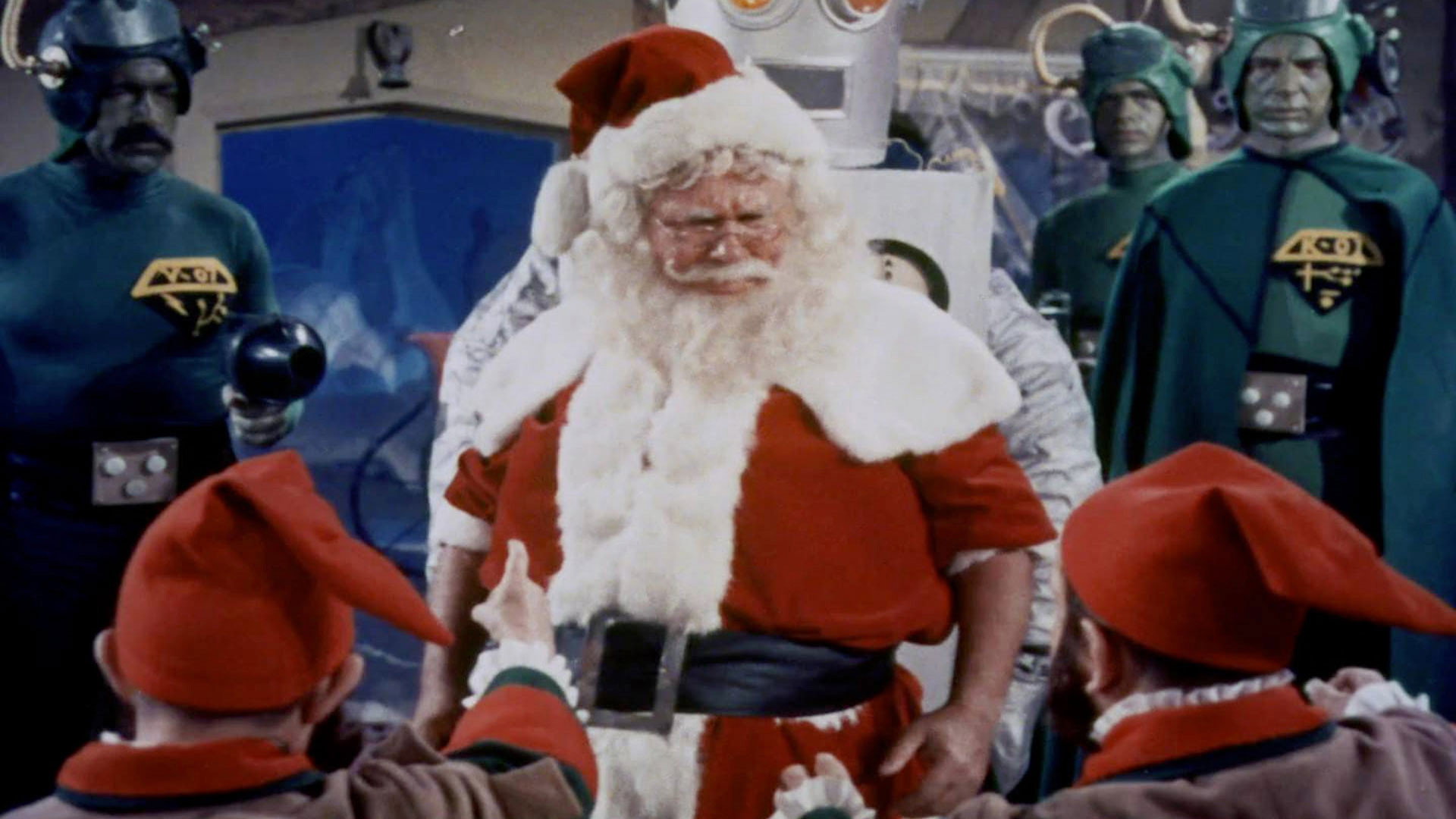
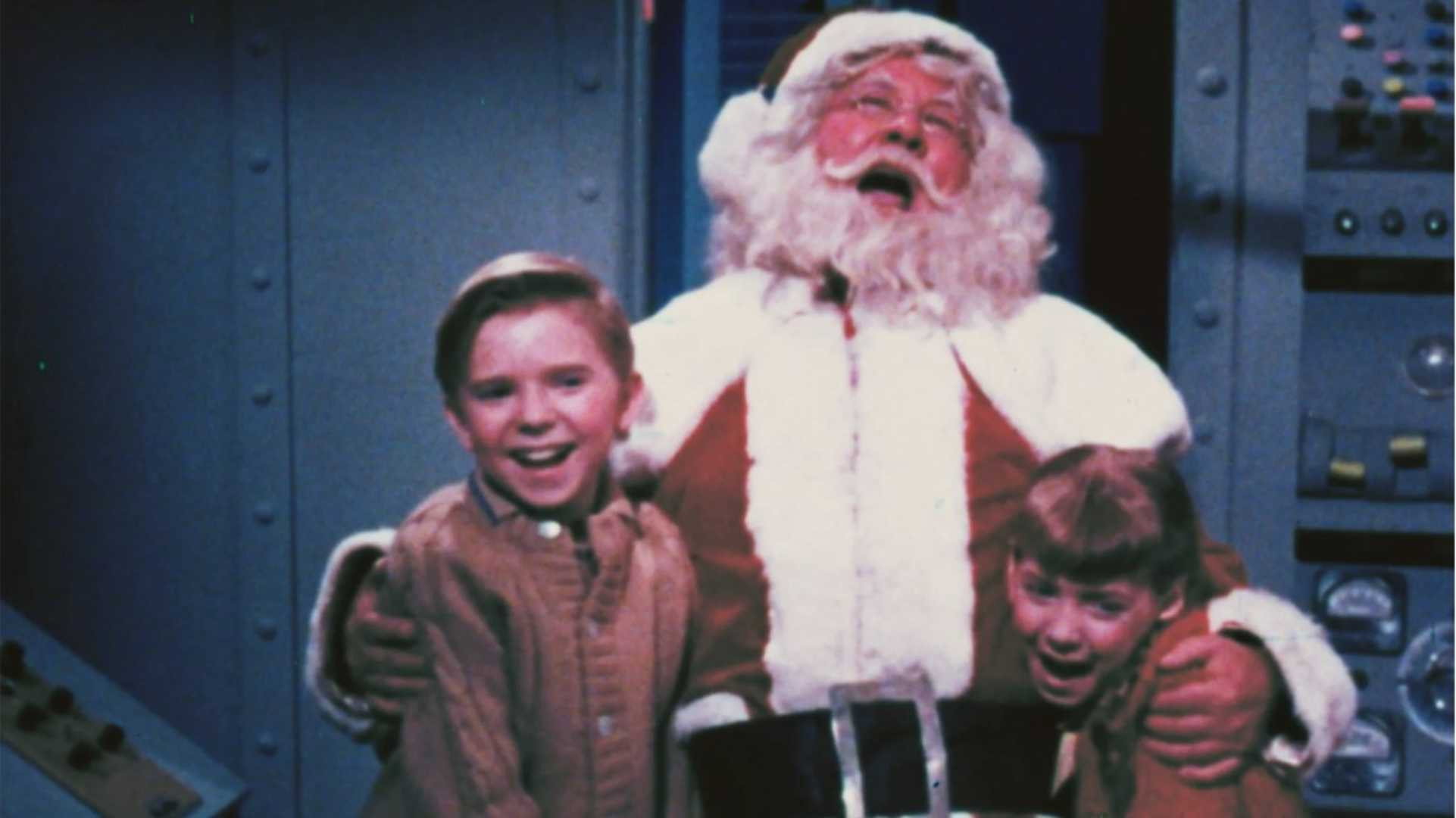
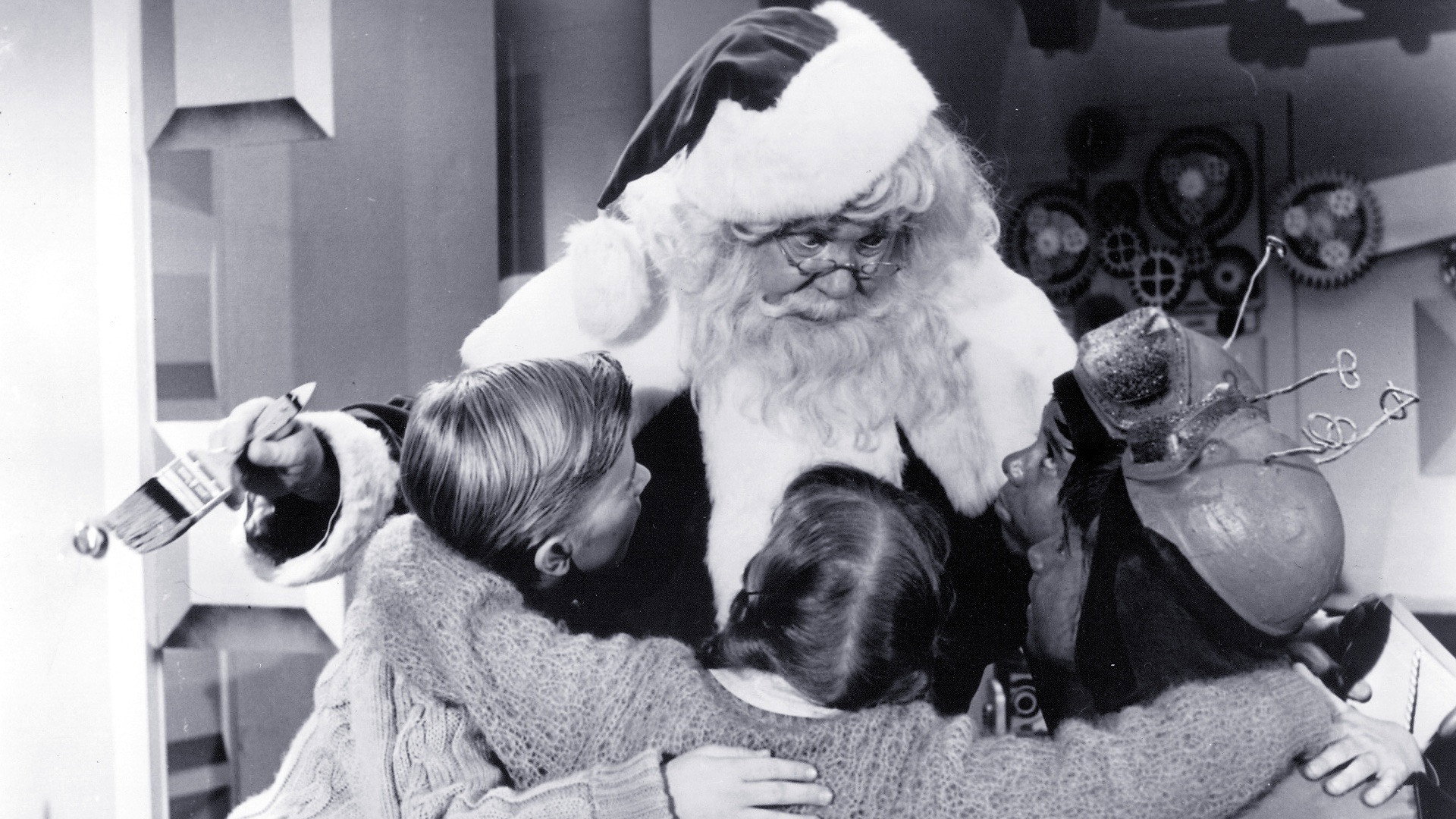
John Call gives the film its most persuasive reason to exist. His Santa has an easy warmth, and his willingness to extend it to his Martian captors makes the situation briefly feel worth pursuing. We were touched by that generosity: he treats these strange hosts as people who might benefit from a little kindness. The performance offers a useful centre for a children’s fantasy, though the film keeps requiring his good humour to do the work of a joke.
The surrounding performances are harder going, with Leonard Hicks as Kimar and Vincent Beck as Voldar caught in the film’s stiff delivery. Glenville Mareth gives the cast a situation that sounds funnier than it plays, and Nicholas Webster does little to loosen it. The children are easier company, including Pia Zadora as Girmar. Their straightforward presence helps, especially when the adults are labouring to make the nonsense amusing.
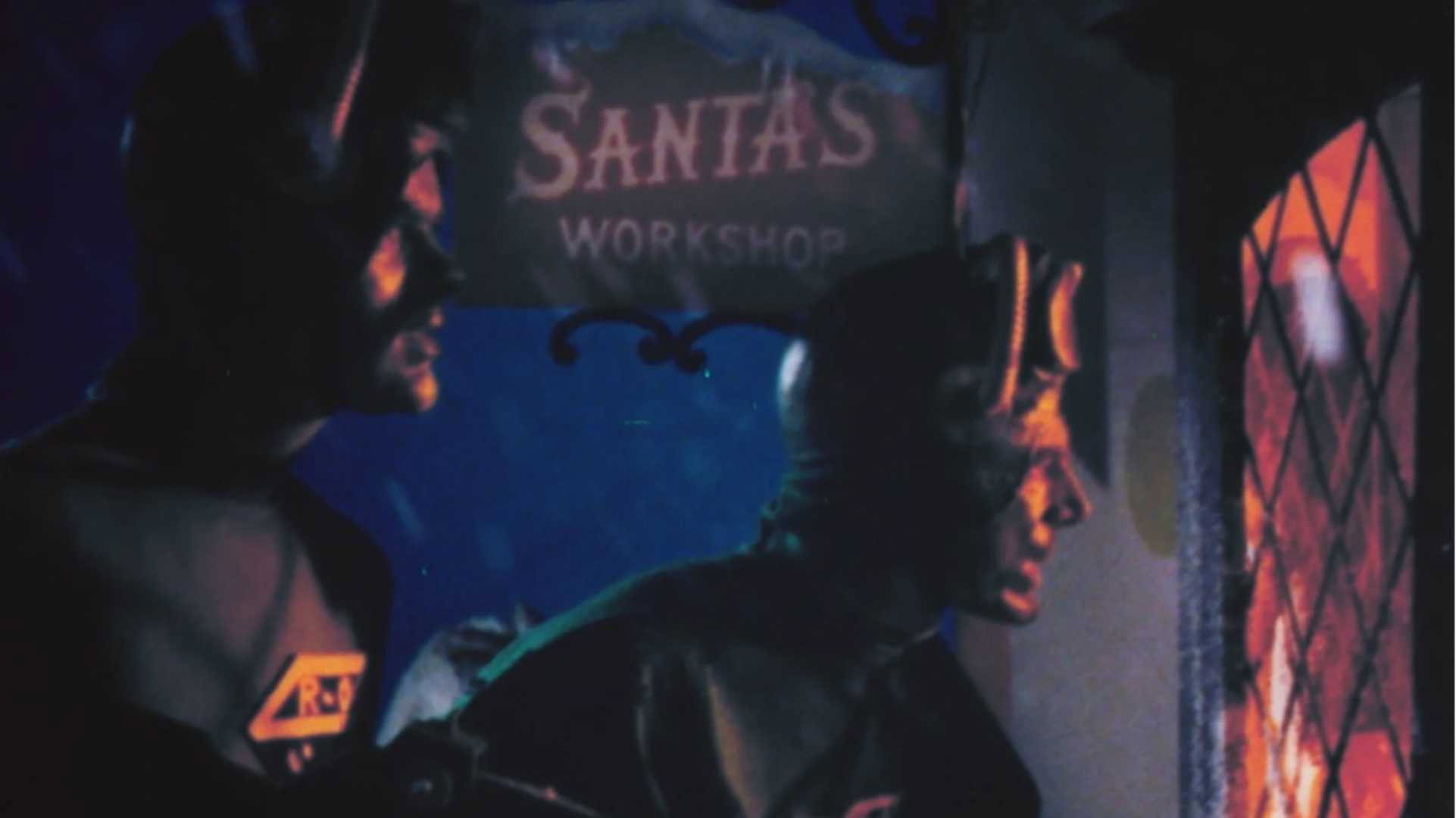
The colourful sets are among the few pleasures that need no special allowance. David L. Quaid’s cinematography lets that colour register, though it cannot make the surroundings feel much less makeshift. Ramsey Mostoller’s costumes add to the cheerful artificiality rather than disguising it. We have no quarrel with visibly modest scenery in a children’s fantasy, where pretending is part of the pleasure. Here, however, Nicholas Webster’s staging is too stiff to turn those surroundings into much of a game.
William Henry’s editing does not find a sufficiently brisk rhythm to help the comedy along. An abduction supplies an obvious opportunity for urgency, even in something this harmless, but the pacing makes the business of taking Santa to Mars feel unnecessarily laborious. Milton Delugg’s music contributes some cheer, and the theme song has a useful lack of embarrassment. The scenes themselves need more of that spirit, and rather less time to get through their business.
Adults arriving for an evening of accidental comedy may have a different disappointment. The film’s cult following is understandable, because the premise is odd enough to describe with pleasure, but sustained hilarity is scarce. We were bored by the stiff exchanges around Santa, which kept promising something livelier than the comedy on screen. A children’s science-fiction fantasy can get a long way with simple pleasures, but it needs to keep finding them beyond the novelty of its visitors and their surroundings.
The intended audience deserves a quicker, funnier film, however forgiving it may be about the scenery. We would not choose this for a family Christmas viewing, and an appetite for bad-film comedy is no guarantee of enjoying it either. Approach it only if the Santa-on-Mars premise is itself enough of an attraction.