Film review

Shutter Island

2010 · Directed by Martin Scorsese · 2h 18m · MPA R

In a sentenceEven the asylum walls seem to know something Leonardo DiCaprio doesn’t

DramaThrillerMystery

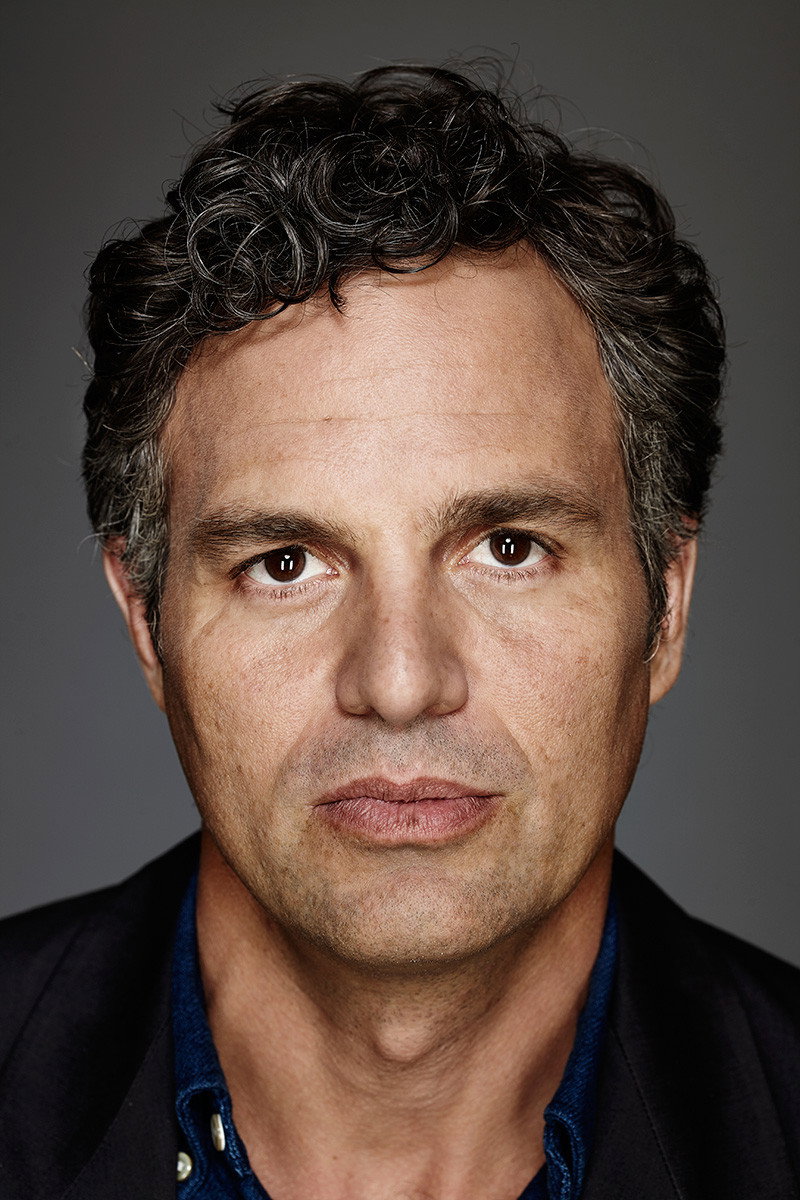
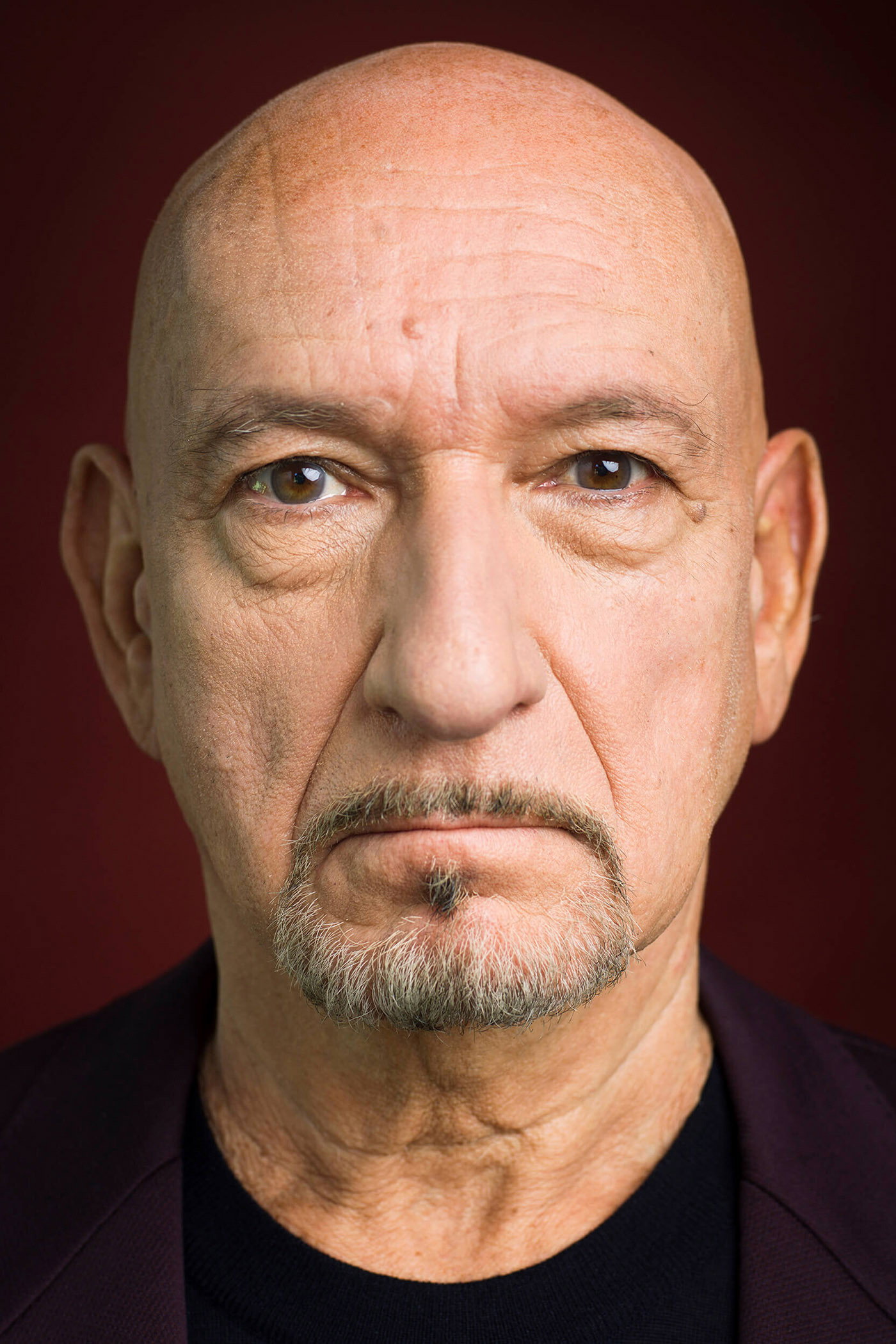
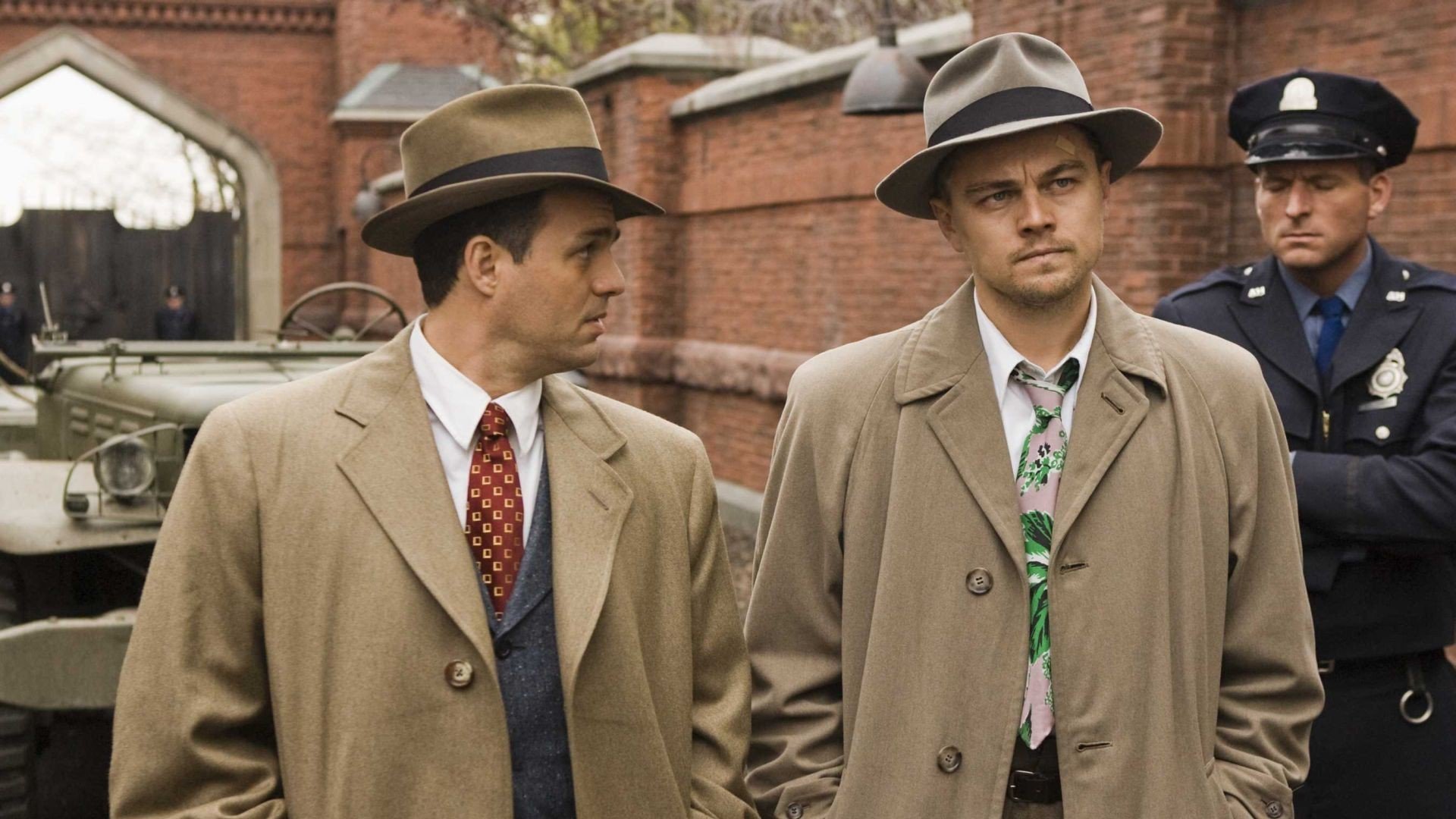
In 1954, marshal Teddy Daniels (Leonardo DiCaprio) investigates a disappearance at an isolated island asylum. As he tries to understand what is happening inside the institution, paranoia and dreamlike experiences complicate his sense of what is real. The investigation brings questions about the asylum together with Teddy’s own psychological distress. Mark Ruffalo plays Chuck Aule and Ben Kingsley is Dr Cawley, while Michelle Williams plays Dolores. Martin Scorsese directs the mystery, adapted by screenwriter Laeta Kalogridis from Dennis Lehane’s novel.

Fi1m review

Martin Scorsese’s Shutter Island is an engrossing gothic thriller, driven by Leonardo DiCaprio’s strained, watchful performance. It runs too long and explains too much, but the asylum remains an unsettling place to spend an evening.

Martin Scorsese treats Shutter Island’s isolated asylum and troubled investigator as sufficient reasons for alarm. He takes this gothic thriller seriously, and gives us little opportunity to stand back from Teddy Daniels’s fear. The film is engrossing and oppressive, weakened by excessive length and an appetite for explanation that its strongest scenes do not need. It is worth the evening, provided sustained distress sounds more appealing than a briskly solved case.

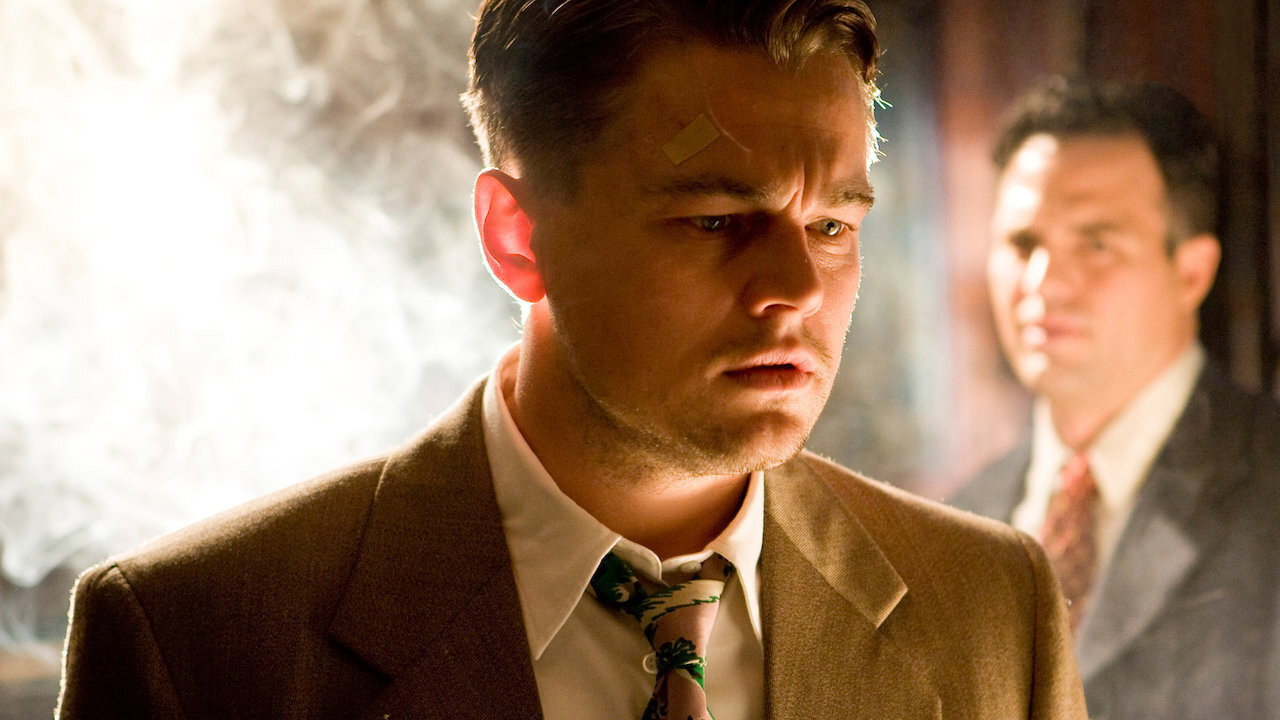
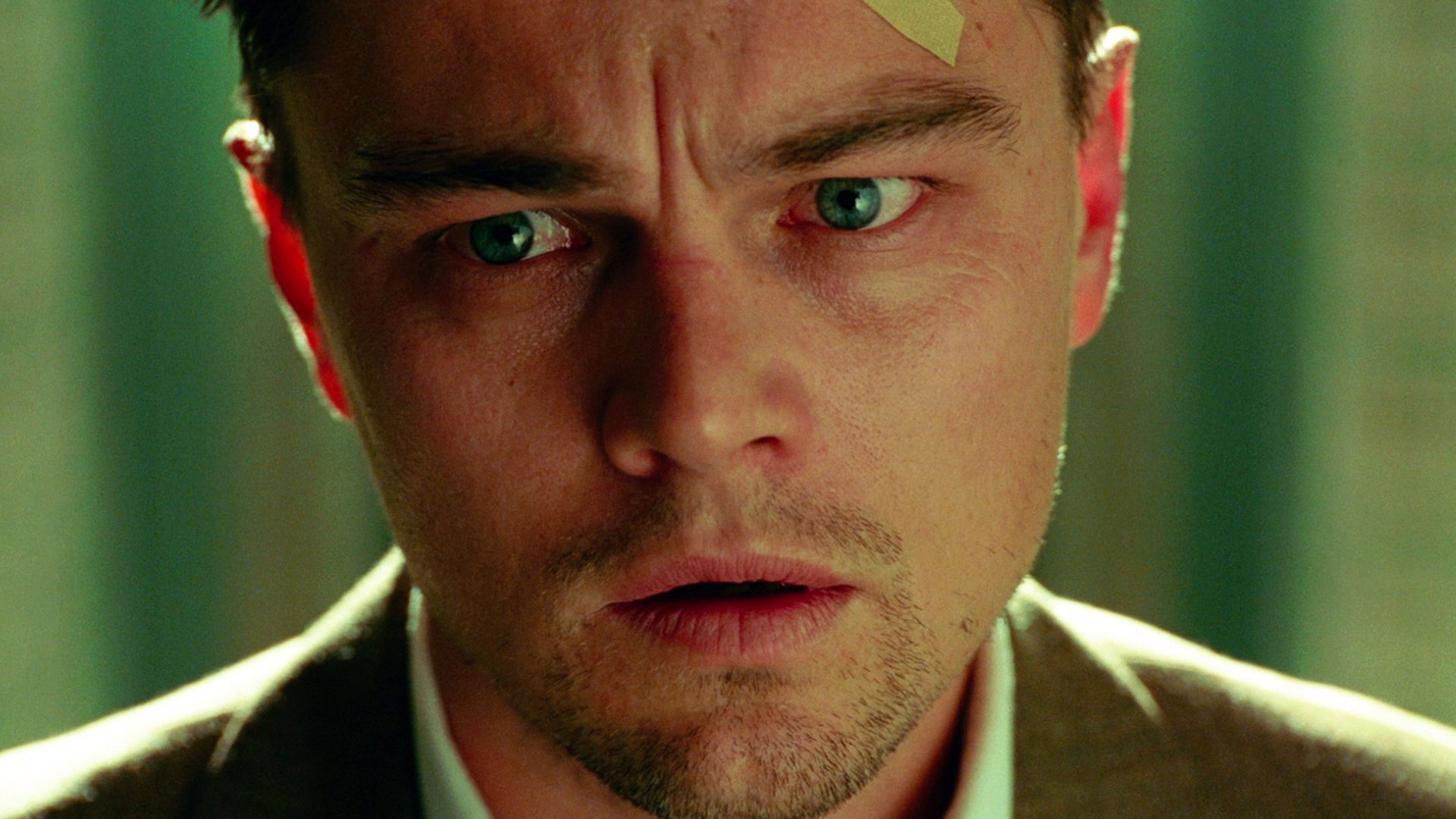
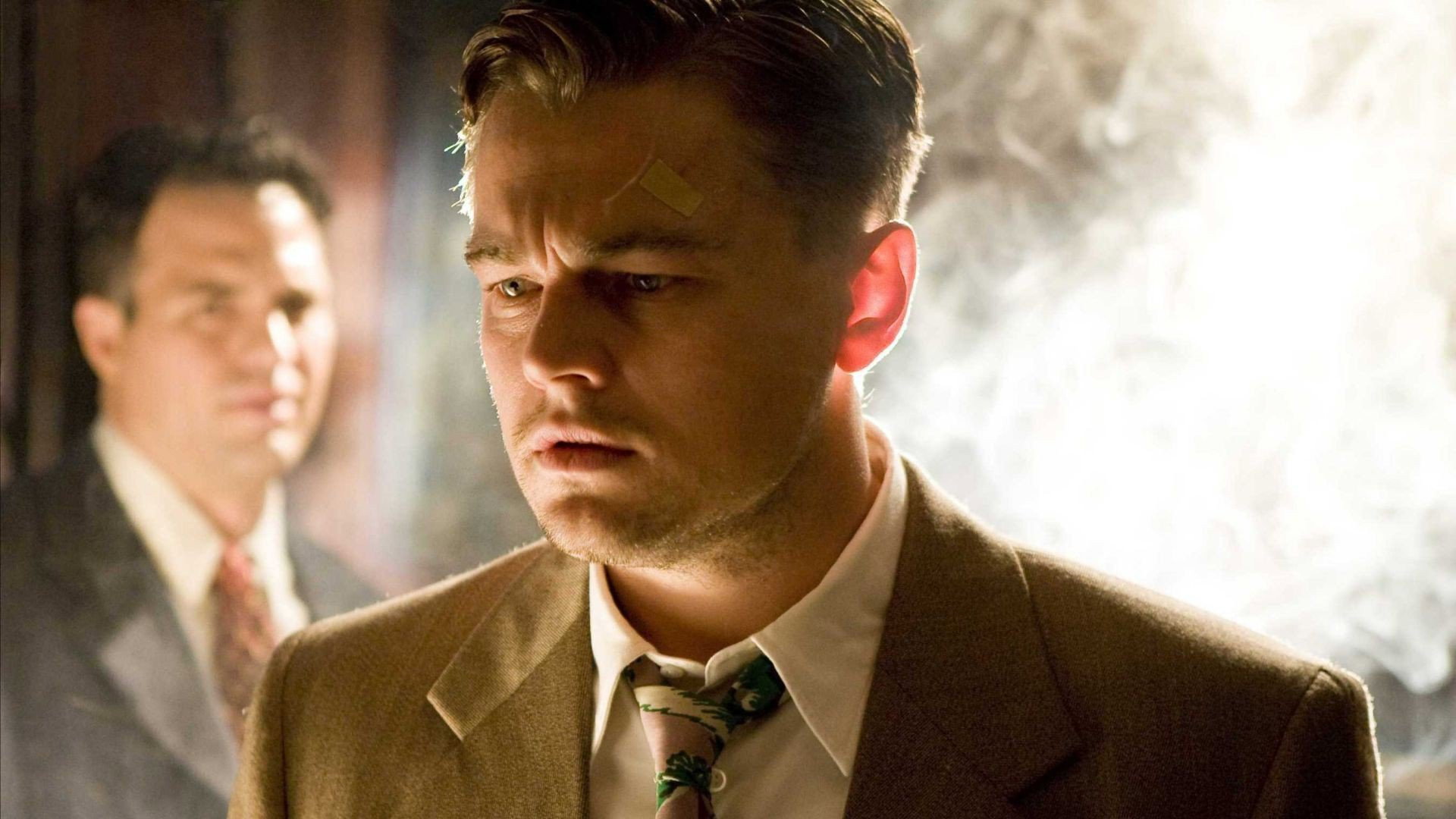
Leonardo DiCaprio gives Teddy Daniels a worn concentration that makes the investigation feel like an effort he can scarcely afford. He makes the fear convincing even when the plot is at its most elaborate. We follow the man even when keeping track of the case begins to feel like homework. Ben Kingsley, as Dr Cawley, is useful in a different way: his authority makes the doctor’s presence difficult to dismiss, however suspicious the atmosphere becomes. Their performances keep the conversations tense.

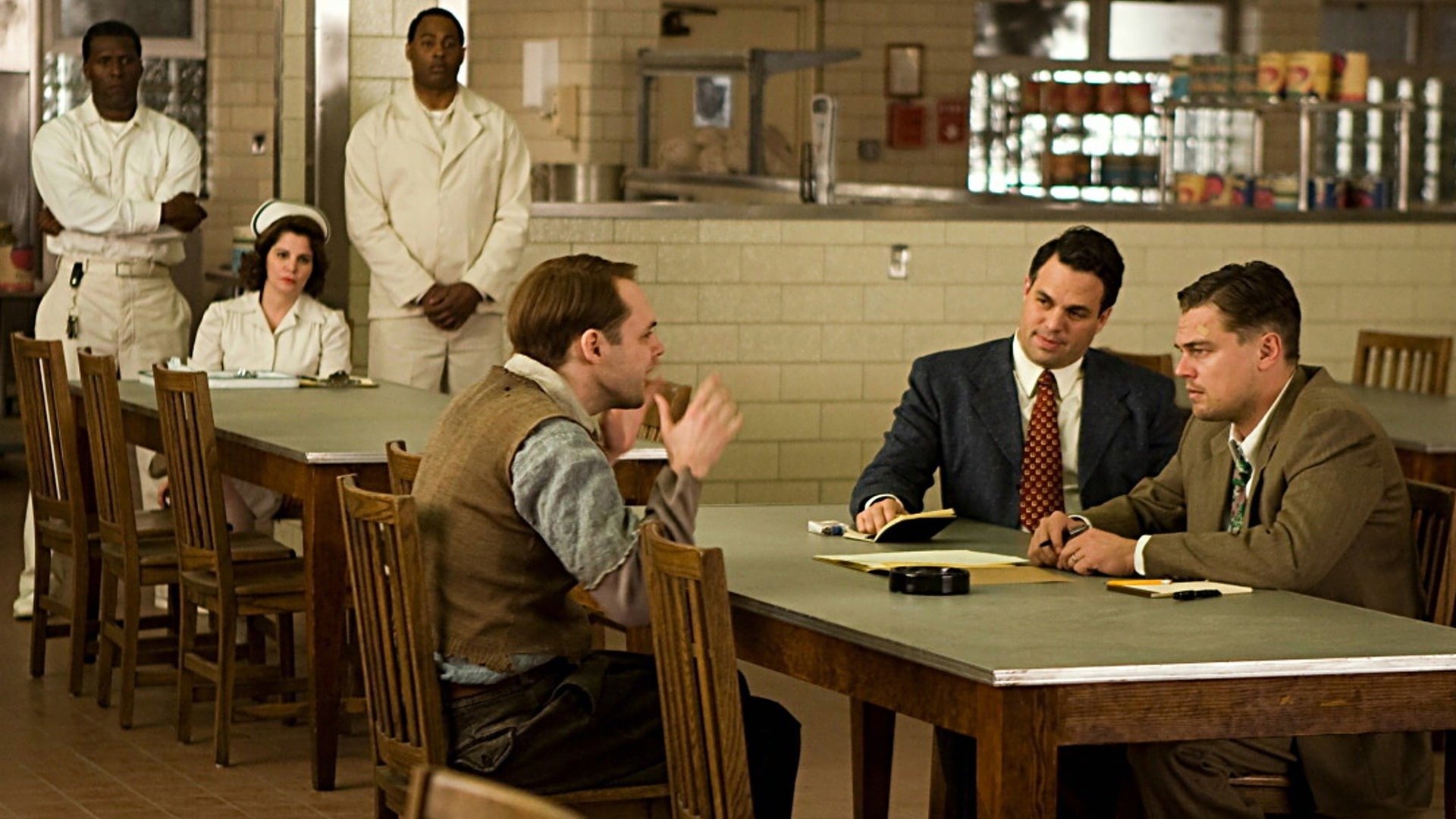
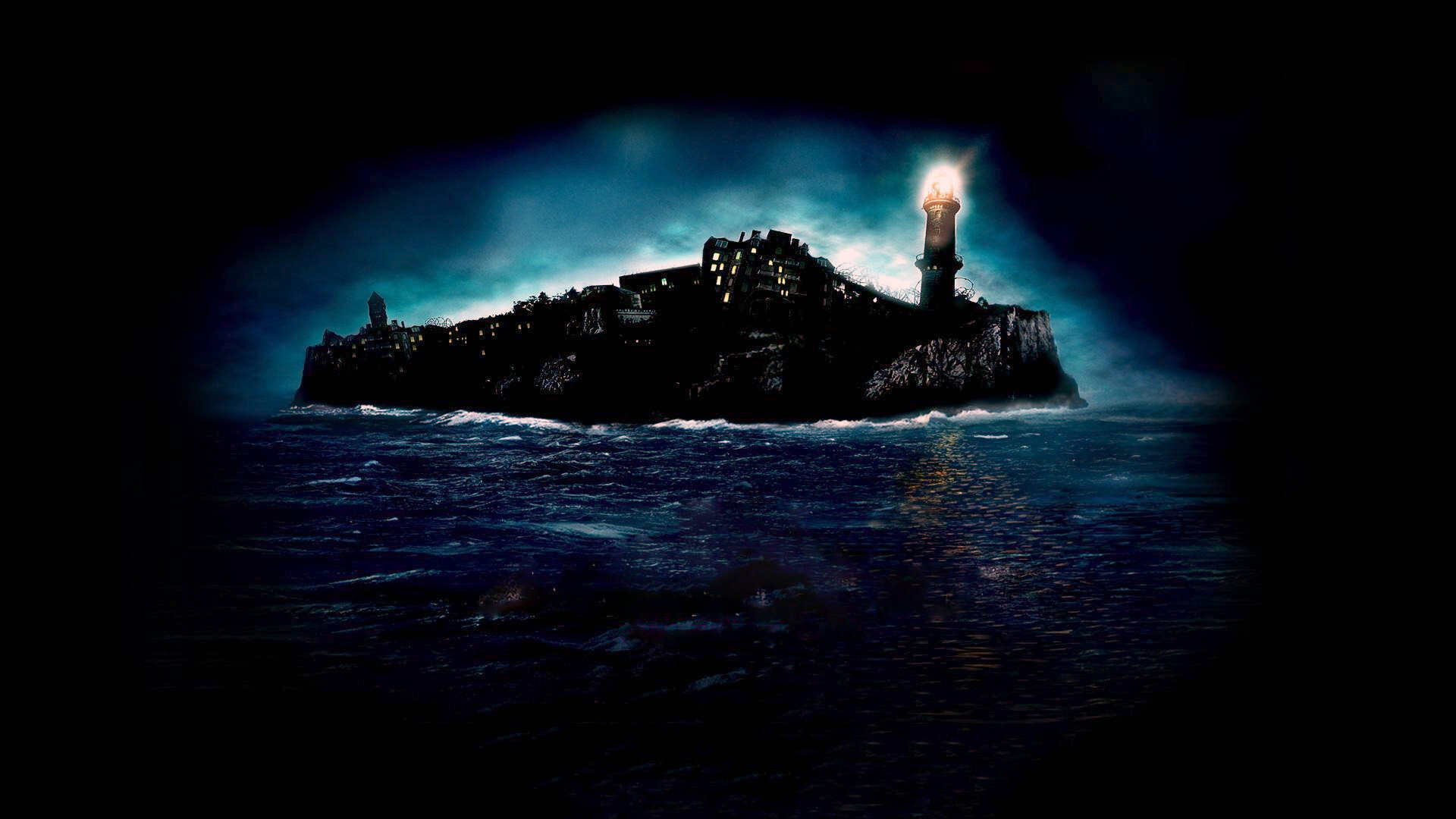
Robert Richardson’s cinematography pushes hardest in the dream sequences, where the intensity of the images makes the uncertainty more disturbing. Those passages interrupt our confidence in the investigation as well as its progress. Dante Ferretti’s production design makes the asylum an intimidating place for even a conversation, keeping the institutional setting oppressive while the film grows more feverish. There is little relief in returning from Teddy’s troubled perceptions to his surroundings. We found the dream sequences upsetting because DiCaprio looks no less frightened there than he does during the investigation.

Thelma Schoonmaker’s editing helps sustain that discomfort by making the shifts between investigation and nightmare feel intrusive. We are repeatedly denied the chance to consider a piece of information before something else disturbs our understanding of it. The music adds another persistent source of unease, although its insistence sometimes duplicates what the images have already achieved. Scorsese is reluctant to give us a quiet stretch in which to collect ourselves. That relentlessness is effective for much of the film, but across 138 minutes it also becomes tiring.

Laeta Kalogridis’s screenplay, adapted from Dennis Lehane’s novel, has more difficulty deciding how much explanation is enough. The complications keep us occupied, but the dialogue can seem determined to settle matters that the performances have made more troubling. We need some clarity; we do not need every uncertainty treated as a problem requiring further discussion. The longer these explanations continue, the harder it becomes to stay frightened. This is a significant limitation in a film whose actors and images have done so much to sustain our unease.

The willingness to take fear this seriously is a considerable strength in a gothic thriller. There is no reassuring wink to tell us that the filmmakers are above their material, and no embarrassment about the melodrama. Scorsese’s commitment allows the dreams, suspicious encounters and oppressive surroundings to remain effective even when we recognise the conventions. A viewer interested only in being outguessed may find the approach laborious. Give it an uninterrupted evening, and let the investigation proceed without turning every scene into a competition.
Critical consensus AI synthesised

71
Positive
9
Mixed
4
Negative
2

Most critics respond warmly to Shutter Island, with praise clustering around Scorsese’s command of atmosphere, the gothic imagery and Leonardo DiCaprio’s strained, obsessive central performance. The favourable reviews find an engrossing blend of noir and psychological horror, drawing on older Hollywood forms without losing its capacity to unsettle. Even several mixed assessments admire the visual craft and performances, finding pleasure in the heightened style despite doubts about the story.

The spread is wide, however, and the main disagreement concerns whether the elaborate plotting rewards the attention it demands. Reservations centre on length, over-explanation and a reliance on trickery that some find predictable or emotionally distancing. Slant Magazine argues that the institutional thriller and psychodrama never fit together convincingly. The New York Times likewise finds that the early dread gives way to overdone artifice and disappointment, while the enthusiasts regard the excess as central to the film’s appeal.

The AV Club
18 February 2010 · A- · Scott Tobias
90

Scorsese amplifies the pulp intensity of Lehane's novel into a vivid waking nightmare, using every tool to create fevered Grand Guignol horror that aligns the audience with DiCaprio's obsessed character.

Read the full review →
RogerEbert.com
17 February 2010 · ★★★½/4 · Roger Ebert
88

Scorsese crafts a gripping, atmospheric haunted-house thriller set on a remote island asylum, evoking classic noir and Hitchcock with flawless command and a focus on dread and sensory unease. The director's control and the film's cohesive vision stand out even amid twists that may divide viewers on first viewing.

Read the full review →
Los Angeles Times
19 February 2010 · Betsy Sharkey
85*

Scorsese delivers a divinely dark and devious brain-tease noir with smart cops, tough cases, and clever genre nods that make for pure pleasure in watching the unraveling. The film stands as a new noir classic centered on DiCaprio's twisting performance.

Read the full review →
Total Film
12 February 2010 · Neil Smith
85*

An impeccably assembled genre thriller that negotiates familiar noir territory with fresh insight and a fiendish rug-pulling reveal; the journey is satisfying thanks to strong performances (especially DiCaprio) and striking visuals from Richardson and Ferretti.

Read the full review →
Radio Times
· Alan Jones
70*

The critic notes the psychodrama twist may be predictable but there is fun in the operatic thrills and gothic style drawn from classic horrors and melodramas. It is overlong and overly explained yet weaves an impressive spell through pure style.

Read the full review →
The Independent
14 March 2010 · Andrew Cooper
70*

A hyper-devious mind-game movie executed with panache and a superb cast that is more audacious, challenging and entertaining than most Hollywood genre films, though flawed by sensationalism and a lapse of taste in its Dachau backstory.

Read the full review →

Cast

Stills

If you liked this, try…

The Innocents poster

The Innocents

1961 · For gothic dread built from what a frightened observer thinks she sees.

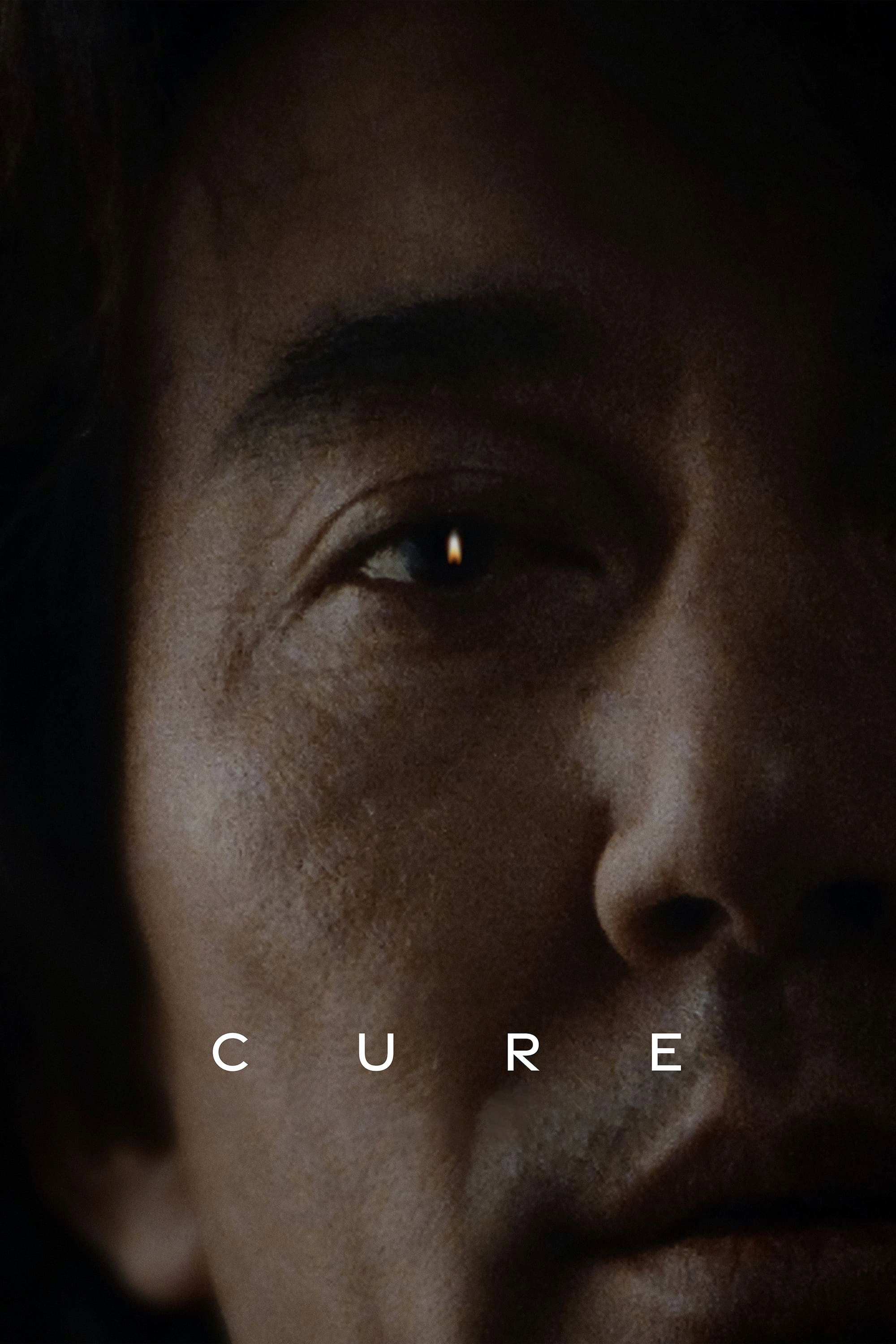
Cure poster

Cure

1997 · A police investigation grows steadily more disturbing as ordinary behaviour becomes suspect.

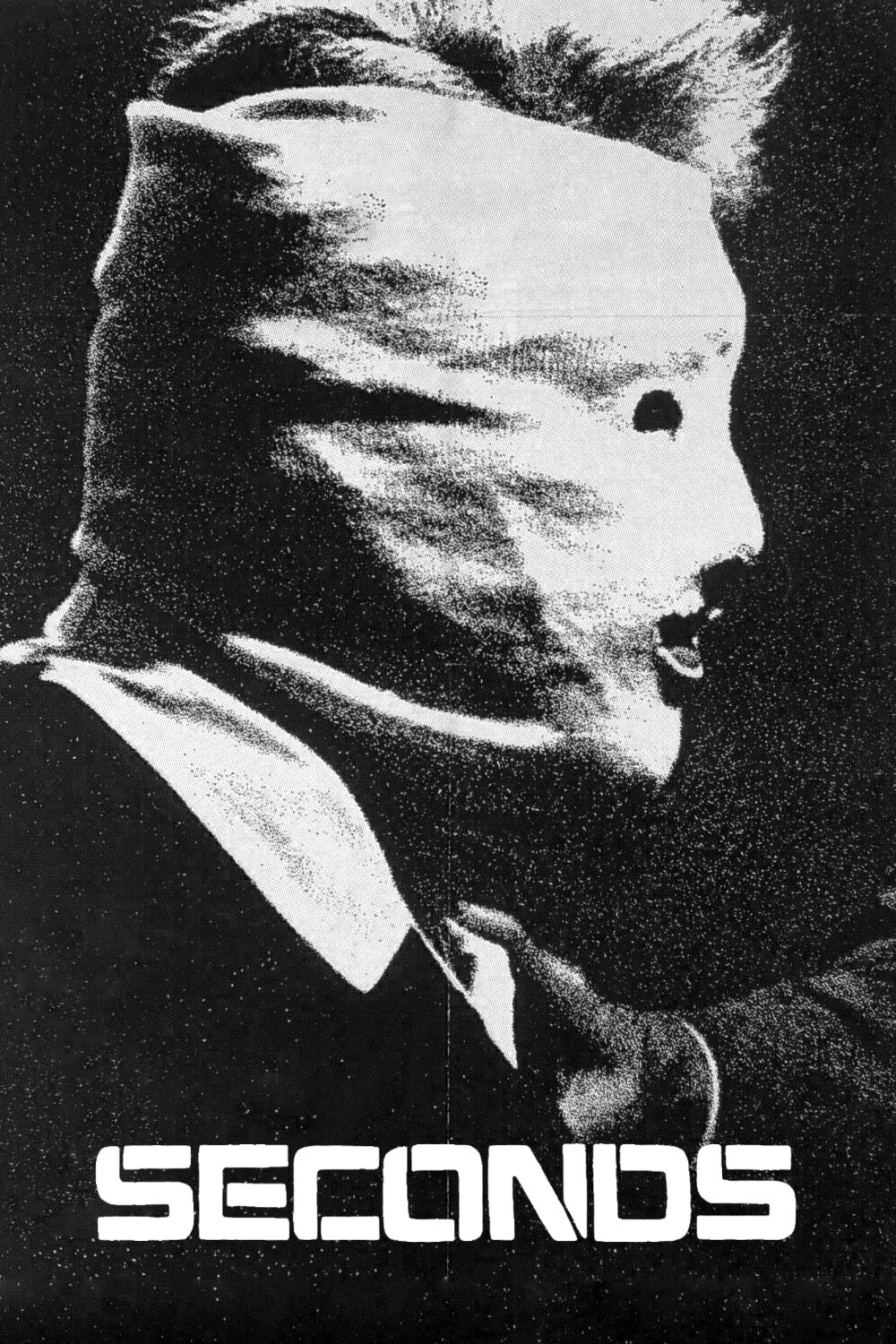
Seconds poster

Seconds

1966 · For oppressive images and a psychological mystery that refuses to offer comfort.

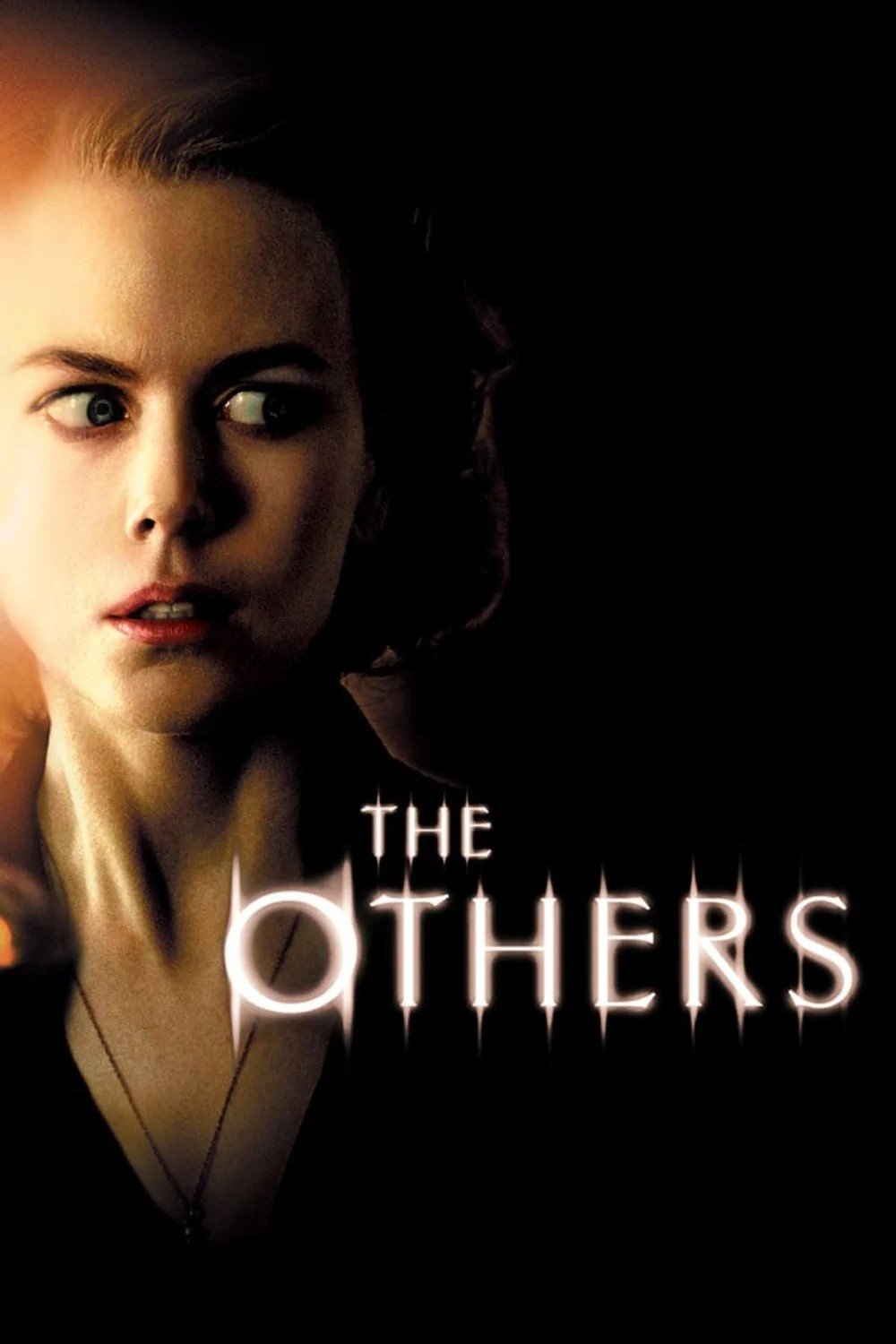
The Others poster80

The Others

2001 · A secluded household and exacting performances make familiar gothic fears worth revisiting.

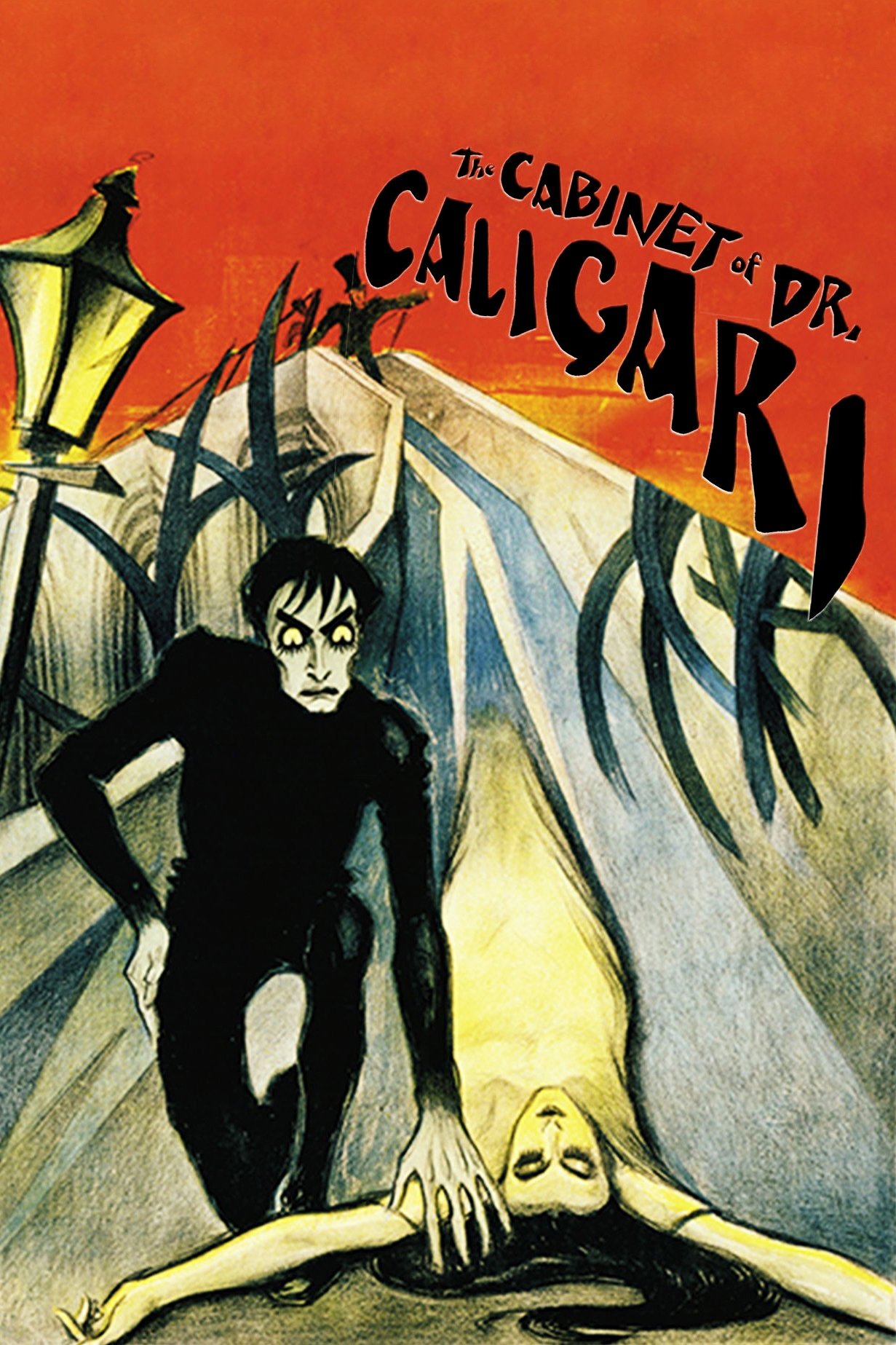
The Cabinet of Dr. Caligari poster

The Cabinet of Dr. Caligari

1920 · For a much earlier exercise in making every room feel threatening.