Garth Jennings’s animated musical makes decent family entertainment out of engaging voices and elaborate musical numbers. Its crowded story and relentless song snippets are harder to enjoy, particularly when the performers stop to deliver another lesson.
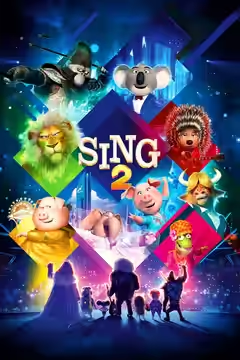
Sing 2 is decent family entertainment, though its affection for pop music is expressed at a volume that can make affection difficult to return. Garth Jennings writes and directs a musical built around Buster Moon’s promise of an out-of-this-world show, and elaborate performances are plainly the attraction. The animation has enough wit and the voices enough character to make the preparations intermittently enjoyable too. There is less here for anyone hoping the songs will leave room for a substantial story.
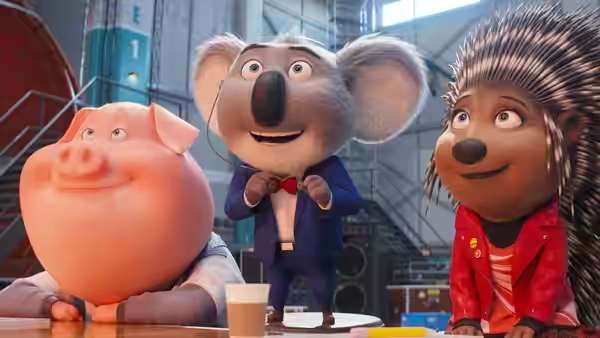
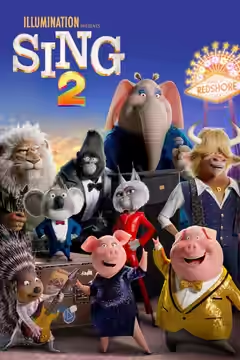
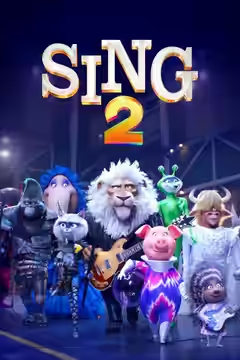
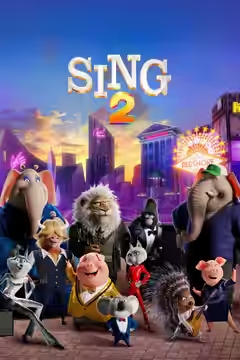
Matthew McConaughey gives Buster Moon the kind of enthusiasm that makes an impractical undertaking sound briefly manageable. The voice is an important part of the appeal: without someone who seems to believe in the show, all these musical preparations would feel like homework. Reese Witherspoon’s Rosita, Scarlett Johansson’s Ash and Taron Egerton’s Johnny provide enough distinction to keep the company from becoming an anonymous collection of singers. Their performances help when the dialogue settles for familiar encouragement about believing in yourself.
Halsey’s Porsha Crystal and Letitia Wright’s Nooshy are welcome additions, giving the busy ensemble some fresh company. Garth Jennings is generous towards performers who lack confidence, and that kindness matters in a family film about being judged. His writing is less convincing when it assumes that a burst of determination settles whatever has been troubling someone. The crowded story leaves little opportunity to examine those difficulties before another performer needs attention and another number needs to begin.
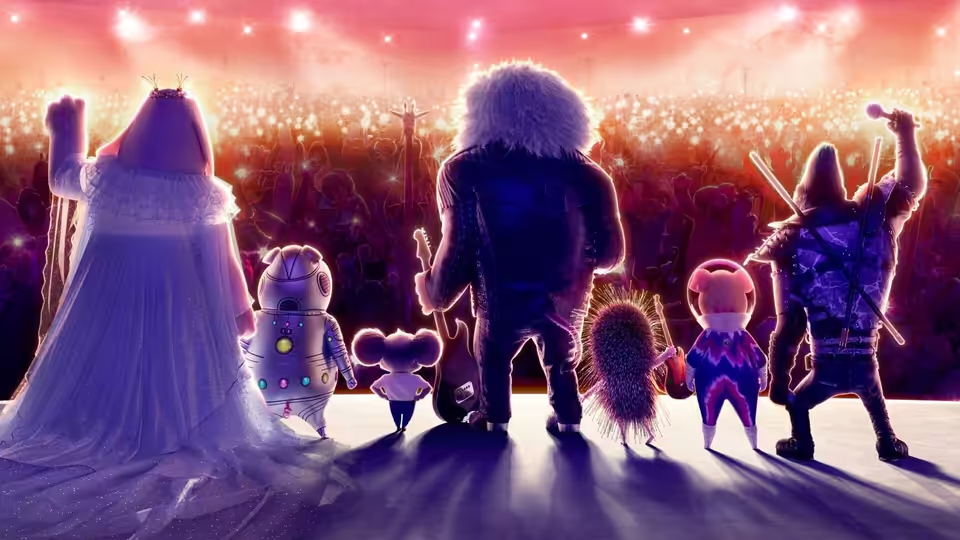
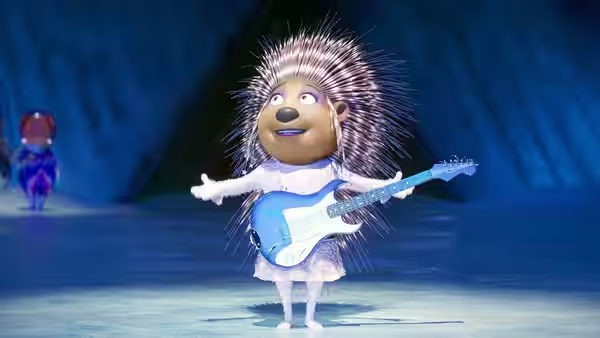
The musical staging is the strongest reason to watch. Movement, colour and choreography give the songs something to do beyond reminding us that we recognise them, and the animation accommodates the excess without looking clumsy. There is pleasure in watching a family musical spend this much attention on how a number is presented. Even when the writing takes an easy route through a problem, the performers are given plenty to do once the singing starts.
Gregory Perler’s editing favours momentum, moving briskly between the many performers and musical fragments. We were worn out by the succession of short song extracts, because each fresh tune asked for another little surge of excitement before the previous one had settled. The pace does keep the crowded story moving, and there are stretches where that bustle is funny. It also gives the quieter worries too little space, making the attempts at reassurance feel hurried.
Joby Talbot’s music has little room to register beside the pop covers, which dominate the listening experience. The singing has polish and energy, but the arrangements are often so emphatic that they leave little room for uncertainty. That is a problem for a story concerned with the fear of performing: the voices sound ready for applause even when the writing wants us to worry. A less insistent soundtrack would have helped us care about the preparations.
At 110 minutes, this is a fairly long invitation to enjoy yourself on command. A backstage musical can get by on familiar problems when the company is good, and this company frequently is; it need not reinvent the form. But the film too often uses another song where a joke or a longer conversation would do more. Choose it for a family evening when everyone wants plenty of singing and nobody minds a little repetition.