The songs and the five women together make Spice World more enjoyable than its untidy comedy deserves. We would keep it for an evening of pop silliness; the celebrity jokes do not justify much closer attention.
Spice World works well enough as a comedy for people who already enjoy the Spice Girls, and only intermittently for anyone else. Bob Spiers gives the group room to be silly, while Kim Fuller supplies jokes about the business of being famous. There is something likeable about stars prepared to look ridiculous in a film built around them. The problem is how often recognising a joke about celebrity has to stand in for laughing at it.
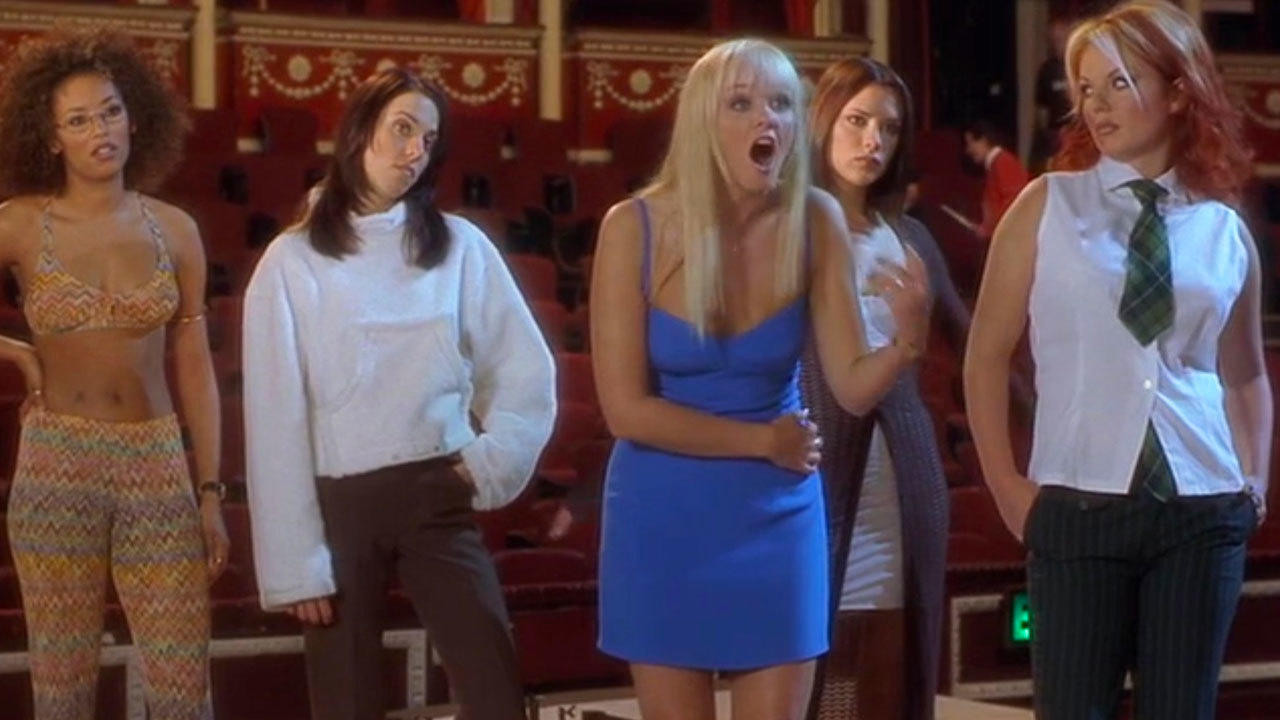
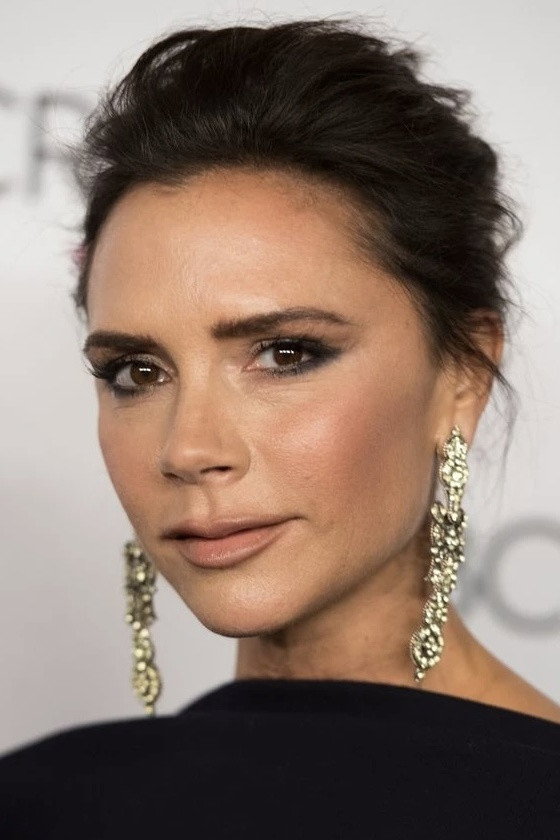
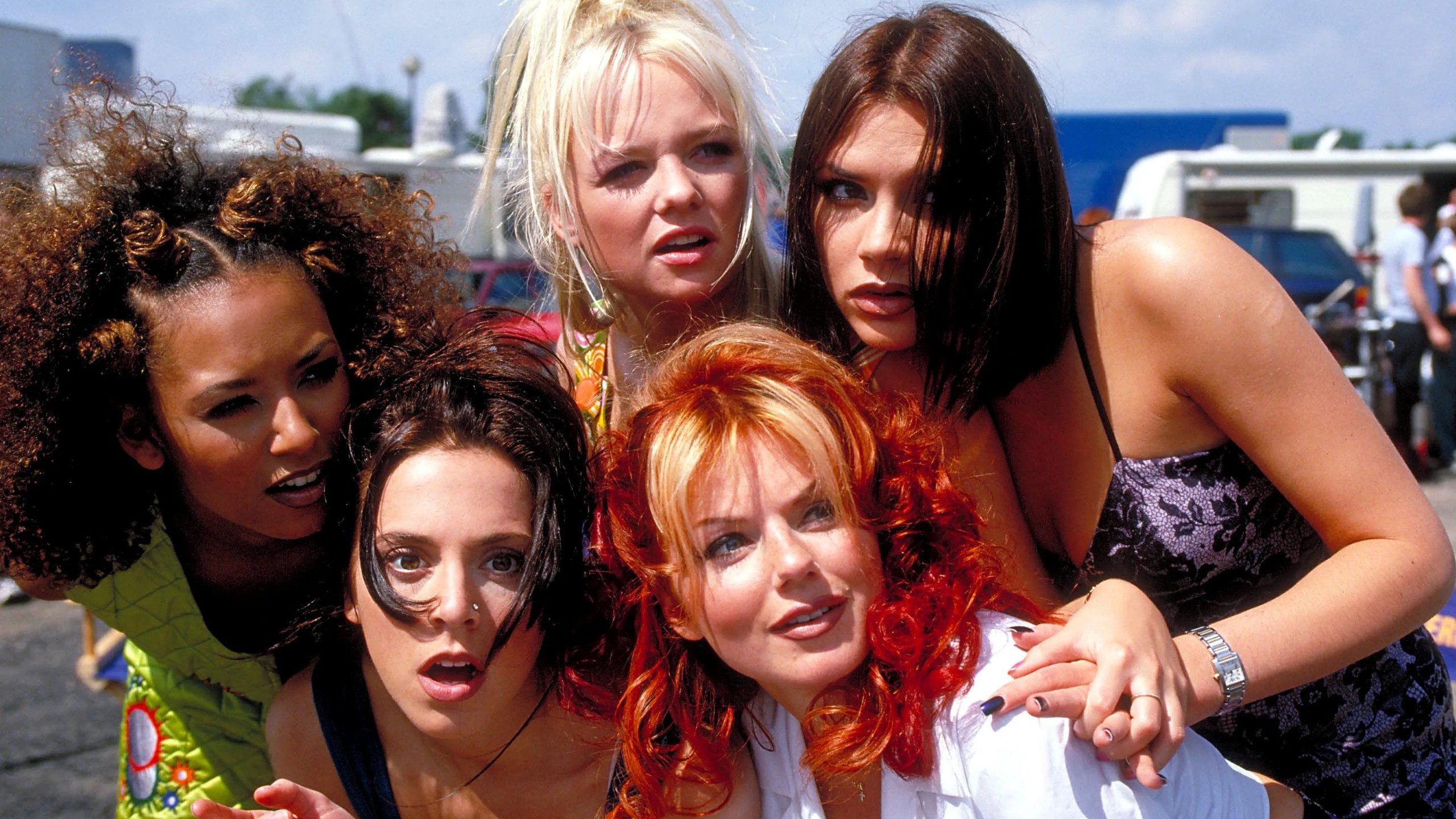
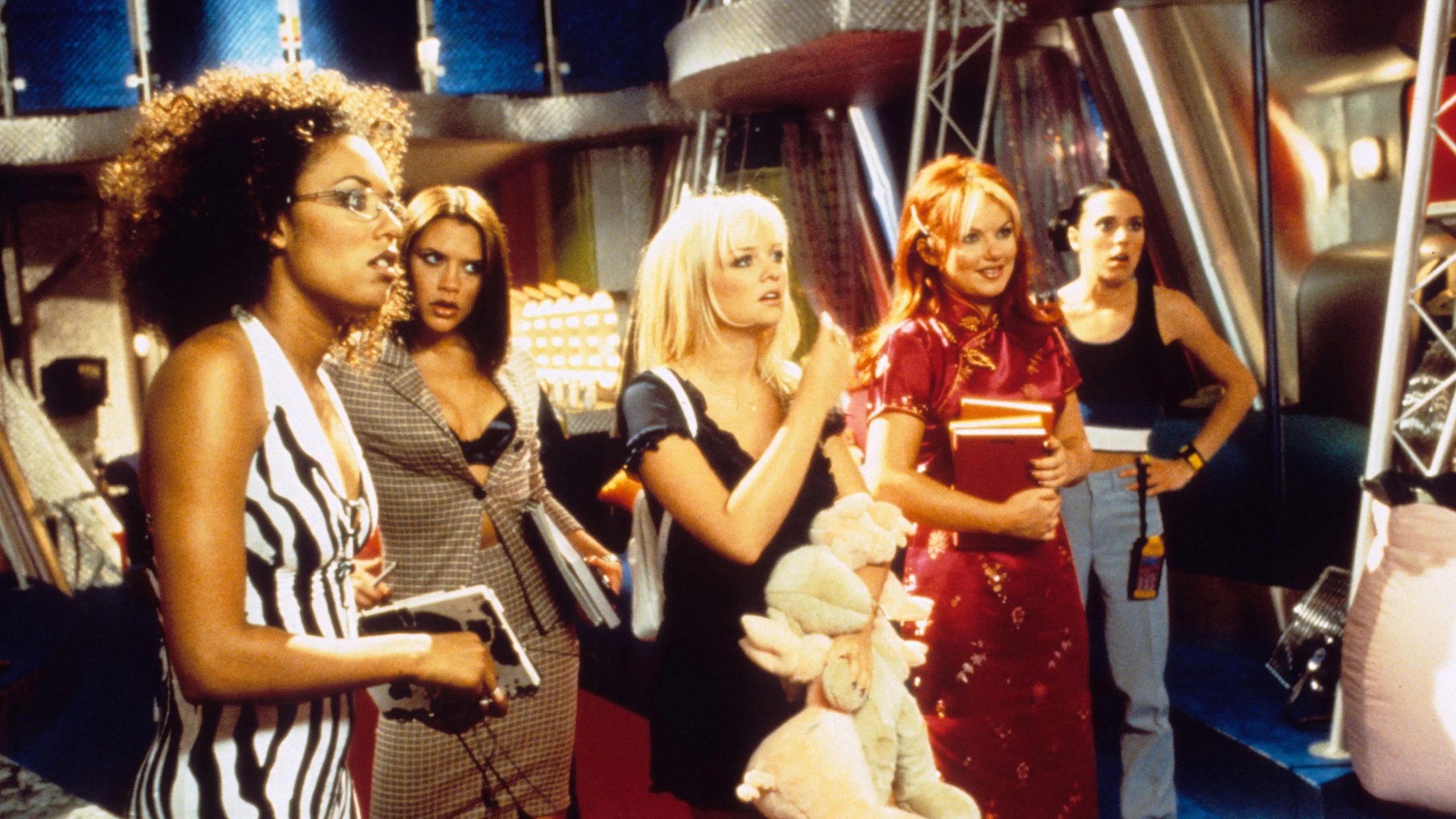
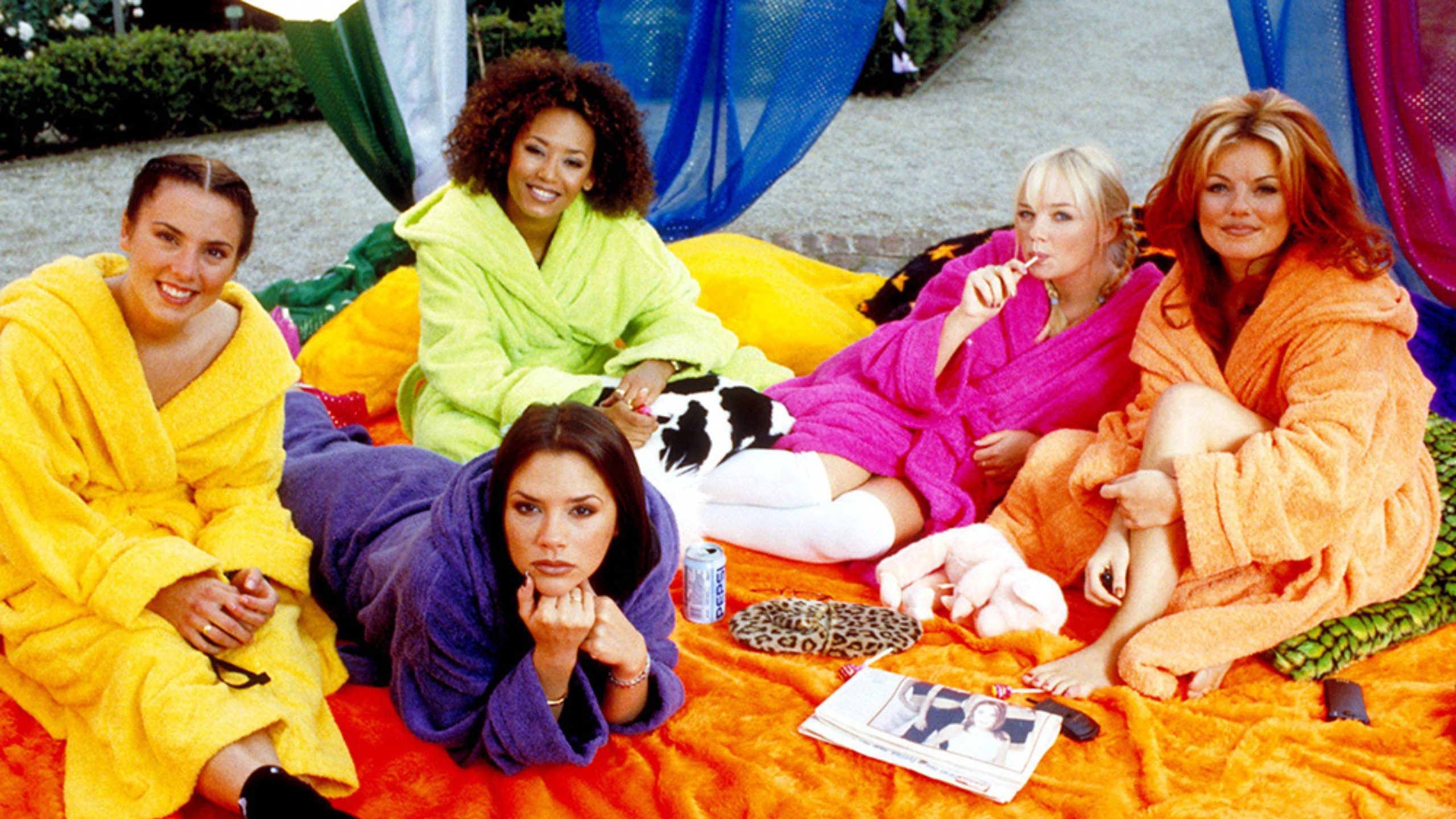
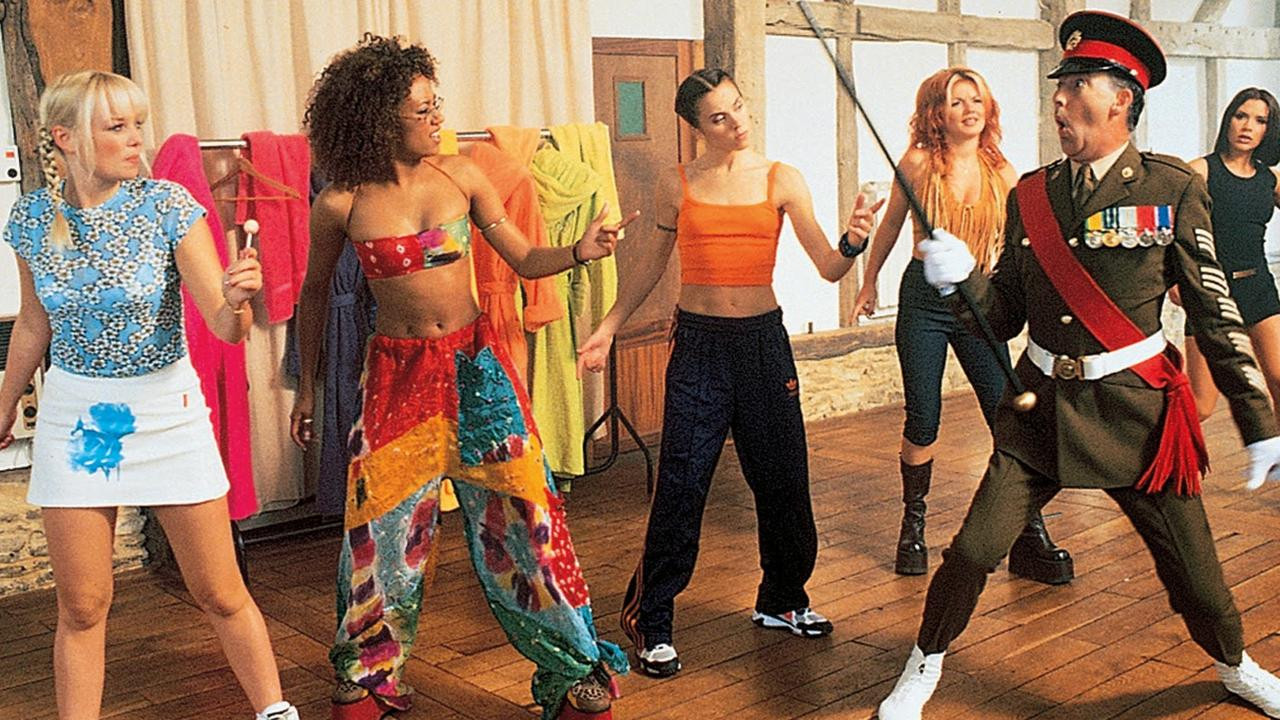
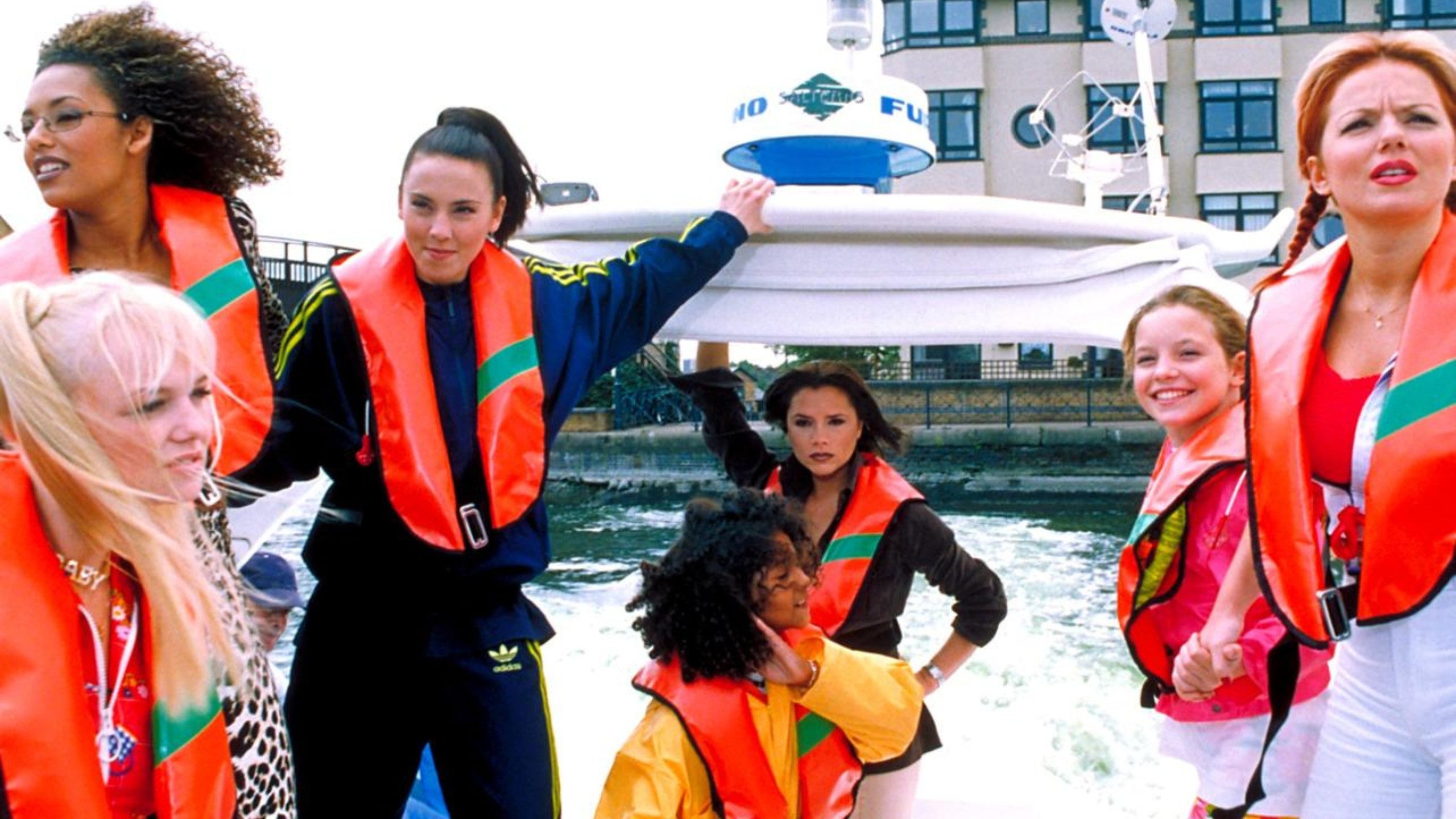
The five women are more appealing together than the surrounding commotion allows them to be. Mel B, Emma Bunton, Melanie C, Geri Halliwell and Victoria Beckham give the group scenes an easy cheerfulness that the writing cannot manufacture elsewhere. We laughed when they were allowed to be daft together; those passages have a looseness that the separate comic business lacks. Their appeal does not require polished acting, though the film sometimes asks us to accept enthusiasm where it needs a better-timed line.
Andrea MacArthur’s editing is most useful in the musical passages, where the pace has a clear purpose and a song gives the sequence somewhere to go. Between them, the film keeps adding comic diversions without making the previous ones worth the interruption. At 92 minutes, this should be an easy length for such modest entertainment. Yet Kim Fuller’s script keeps finding new distractions when it needs to stay with the group, leaving the five leads to recover our interest whenever it returns to them.
Clive Tickner’s cinematography does little to help: the flat-looking images take some of the pleasure out of a film so dependent on clothes, hair and colour. Kate Carin’s costume design at least gives the eye something to enjoy when a gag goes nowhere. Grenville Horner’s production design makes less of an impression, because the stars’ appearance carries so much of the visual interest. The surroundings seldom contribute much to the comedy, leaving the performers to supply the liveliness.
Paul Hardcastle has the music credit, but it is the group’s songs that provide the reliable pleasure here. They give the film an energy which the surrounding scenes only occasionally match. The musical numbers are brisk enough to avoid feeling like a pause in the comedy, and often arrive as a relief from it. The accompanying music leaves less of an impression than the hits, which is understandable in a film organised so firmly around its stars.
As a pop-group comedy, it understands that spending time with the performers matters more than a complicated story. That makes the crowded collection of subplots especially frustrating: we are here for the five women, yet the film keeps behaving as though they need extensive assistance. Its willingness to make fun of fame gives it occasional bite, but it also lets weak material pass with the suggestion that nobody is taking this seriously anyway. Some of these comic detours needed another pass through the script.
There is enough good humour to make this a reasonable choice for an undemanding pop evening, particularly if the songs already have your affection. The uneven comedy and flat photography keep us from recommending it more widely, even with the pleasure of the group scenes. Choose it for those five women enjoying one another’s company, and do not expect the extra plot to improve the evening.