Steve Carell and Catherine Keener make Judd Apatow’s crude comedy worth the evening. The romance is warmer than the title suggests, though overlong routines and lazy jokes about sexuality keep getting in its way.
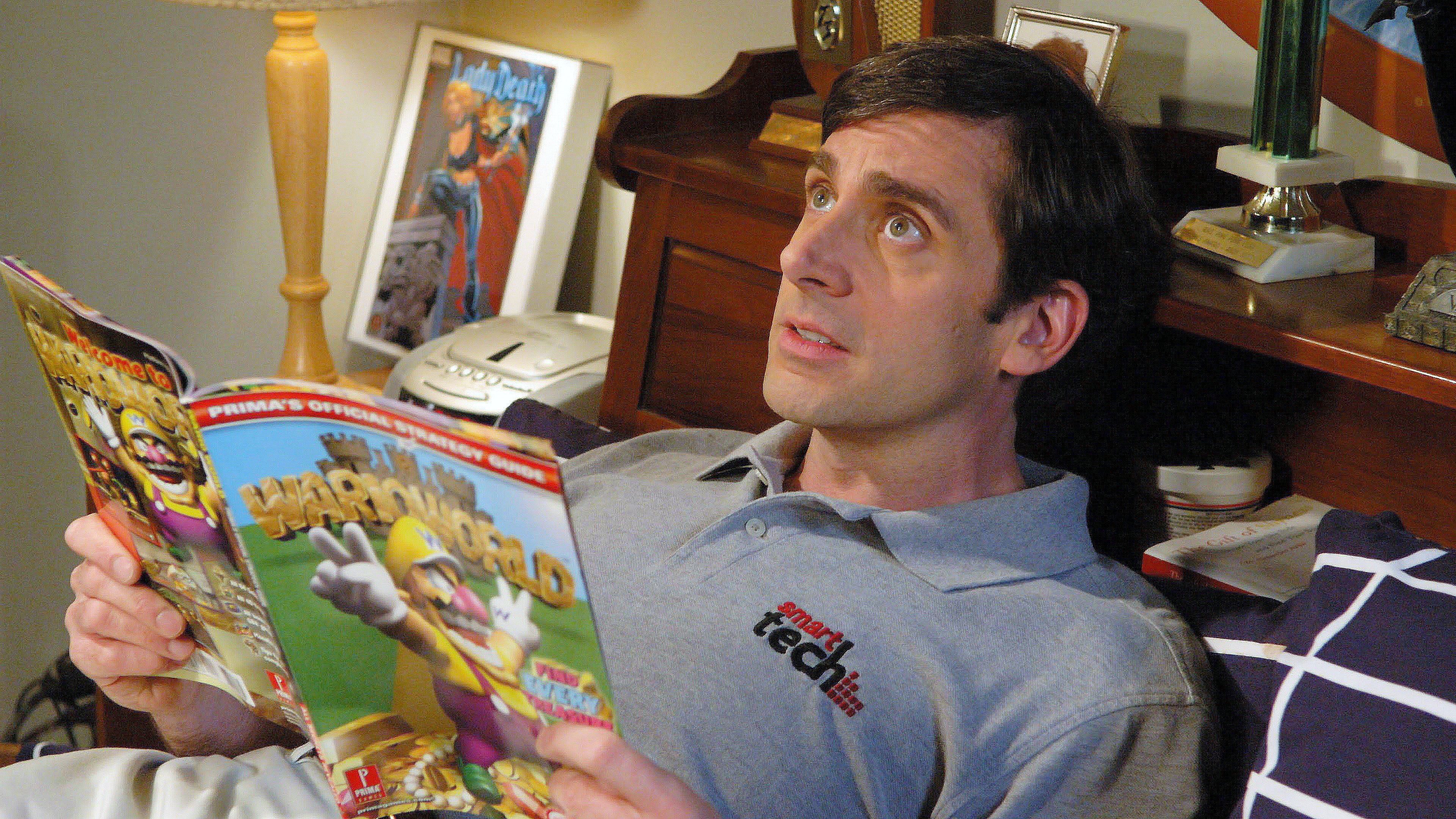
The 40 Year-Old Virgin is a good-natured, often funny comedy that takes longer than it needs to tell a fairly simple story. Judd Apatow and Steve Carell’s screenplay treats a man’s sexual inexperience as a subject for embarrassment, friendship and romance, without assuming that it makes him a fool. Sex comedies do not always grant their central characters that much consideration. Andy Stitzer is allowed to be uncertain and likeable while the film gets on with the smut.
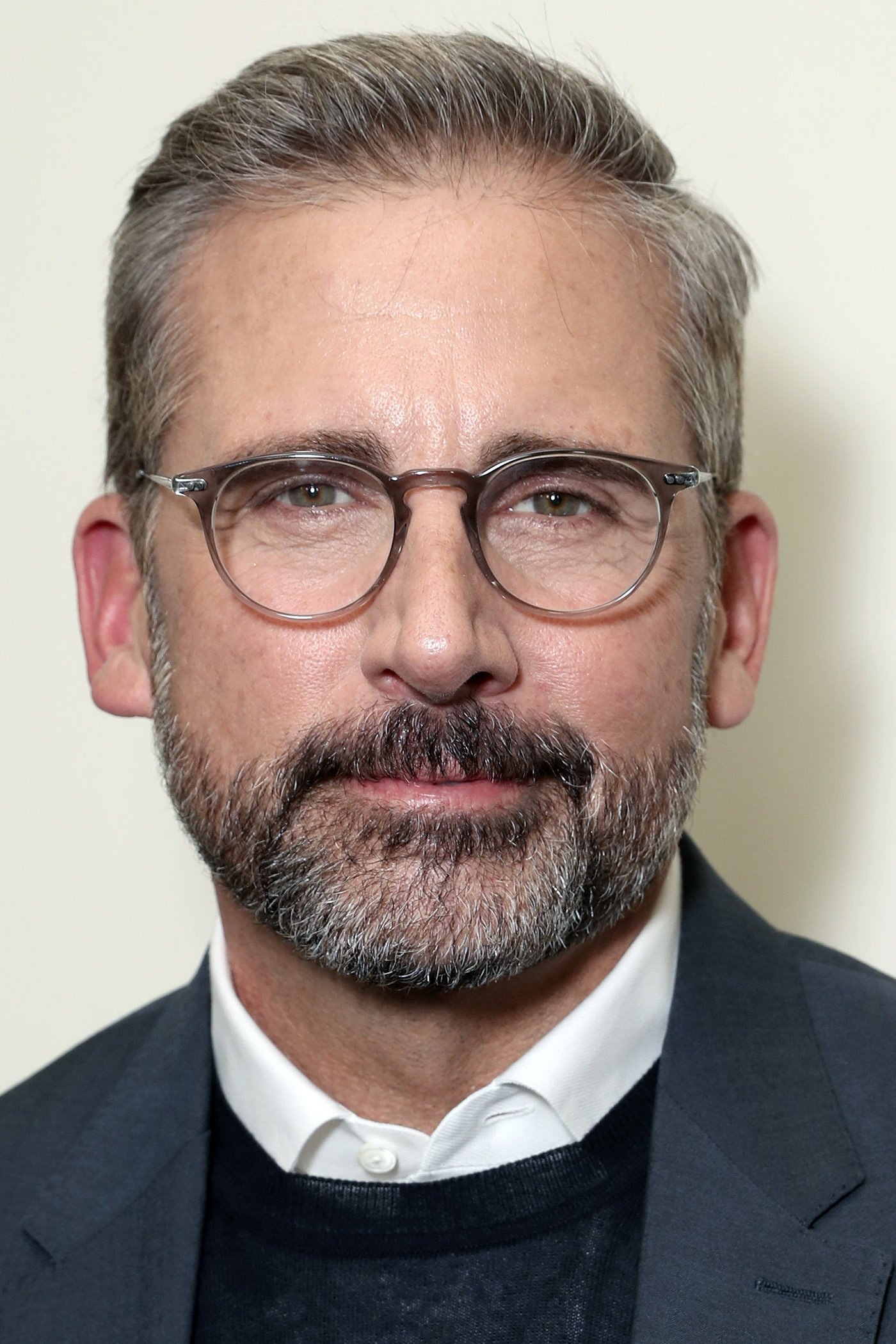
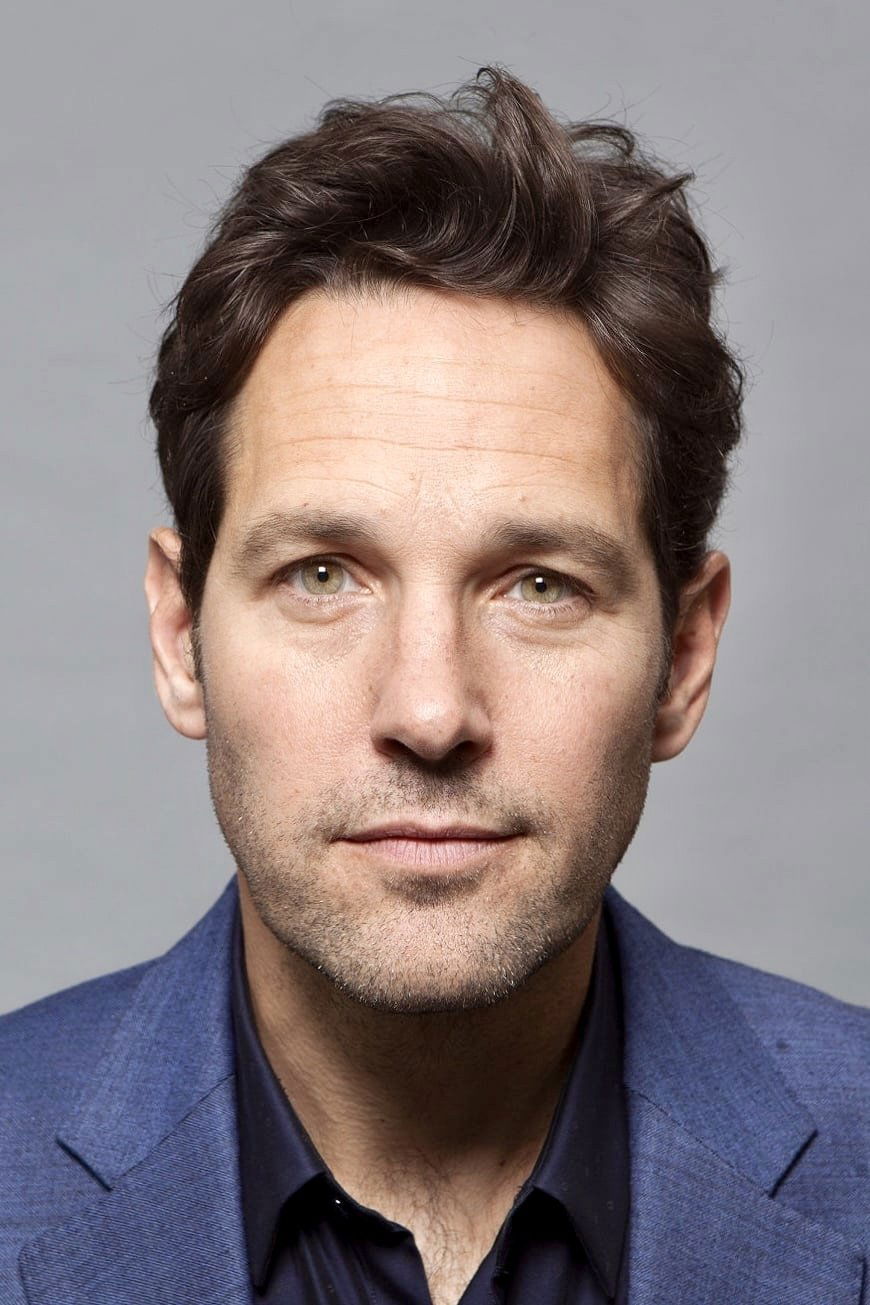
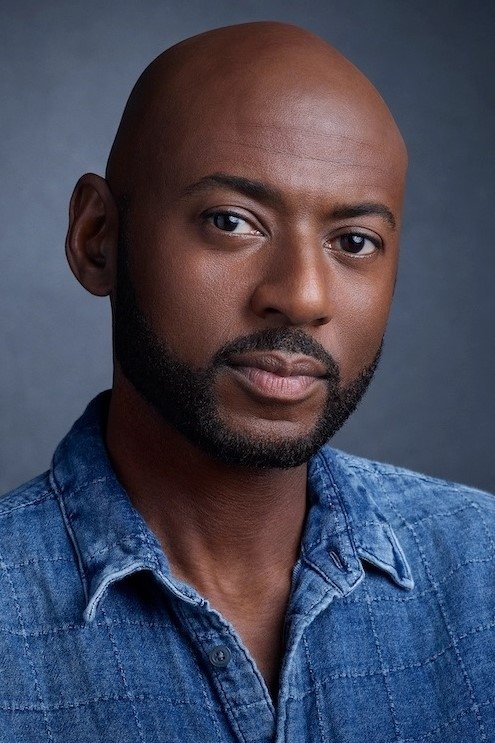
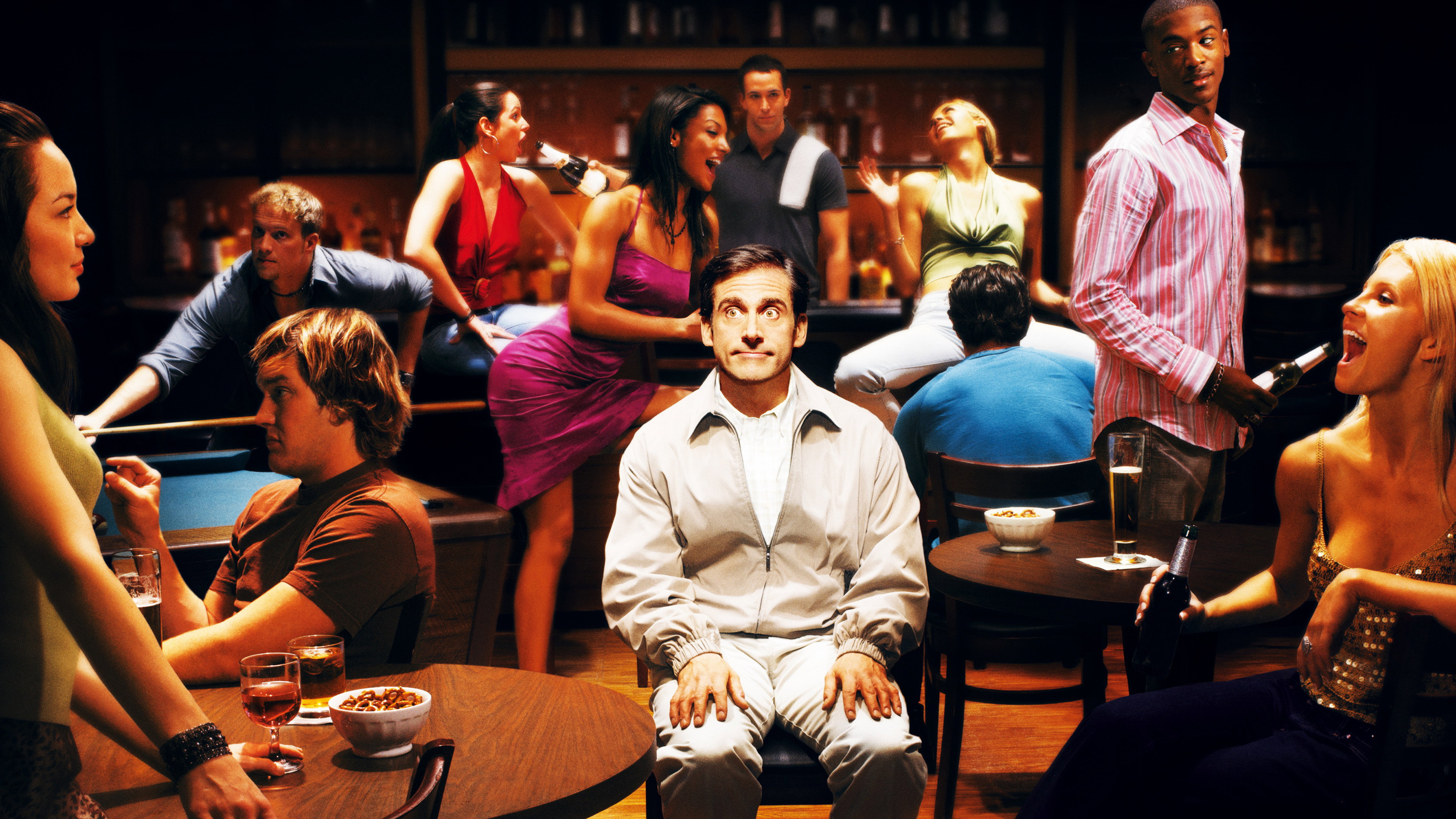
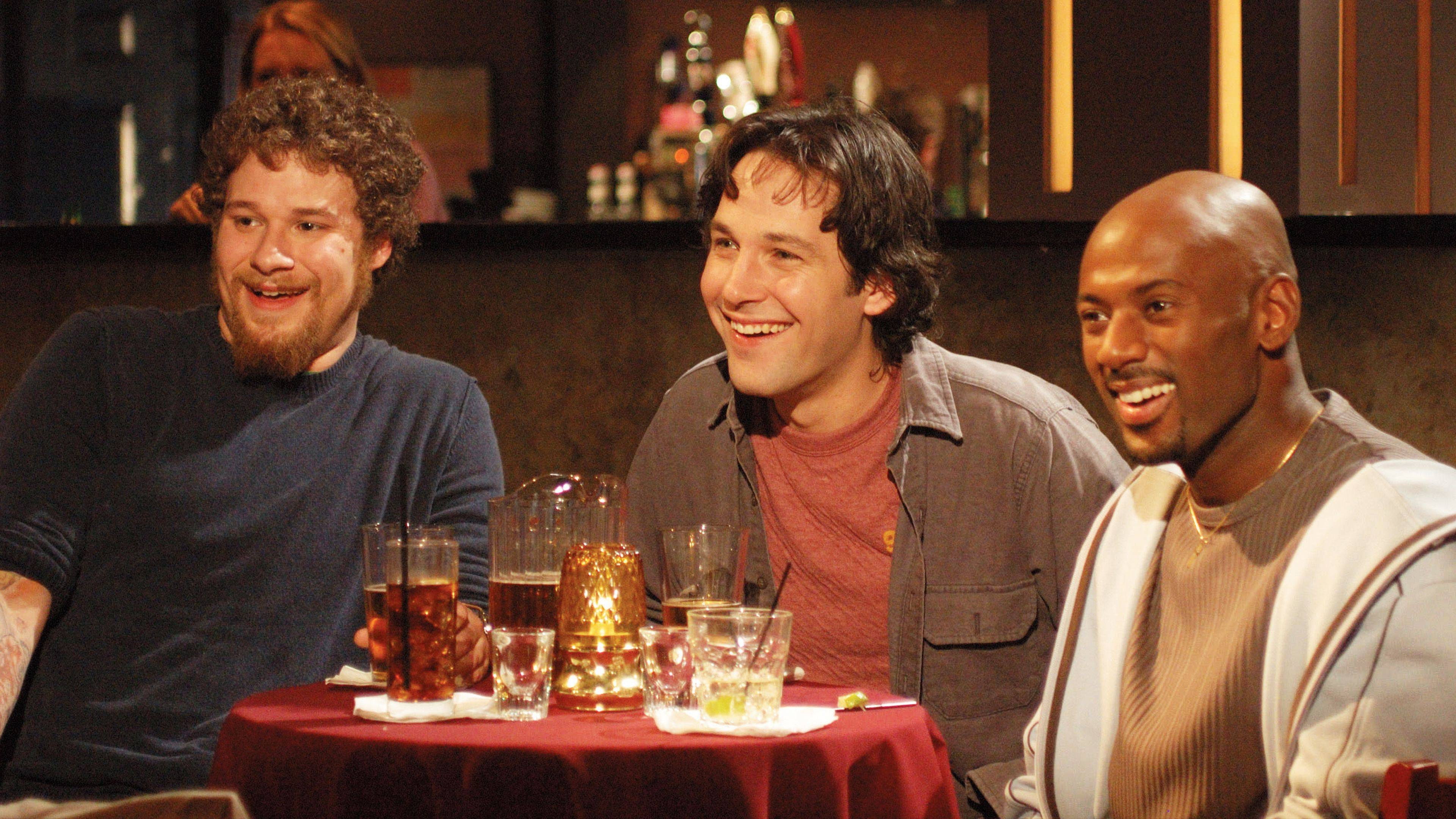
Carell plays Andy with a reserve that gives the louder comedy something to work against. The poker-night disclosure could reduce him to a single humiliating fact; Carell makes us notice how exposed he feels instead. He is convincing as someone who has become accustomed to living with an embarrassment and is now required to discuss it. Paul Rudd, Romany Malco and Seth Rogen give the male company enough ease to make the friendship believable. The actors sound comfortable together even when what they are saying is unhelpful.
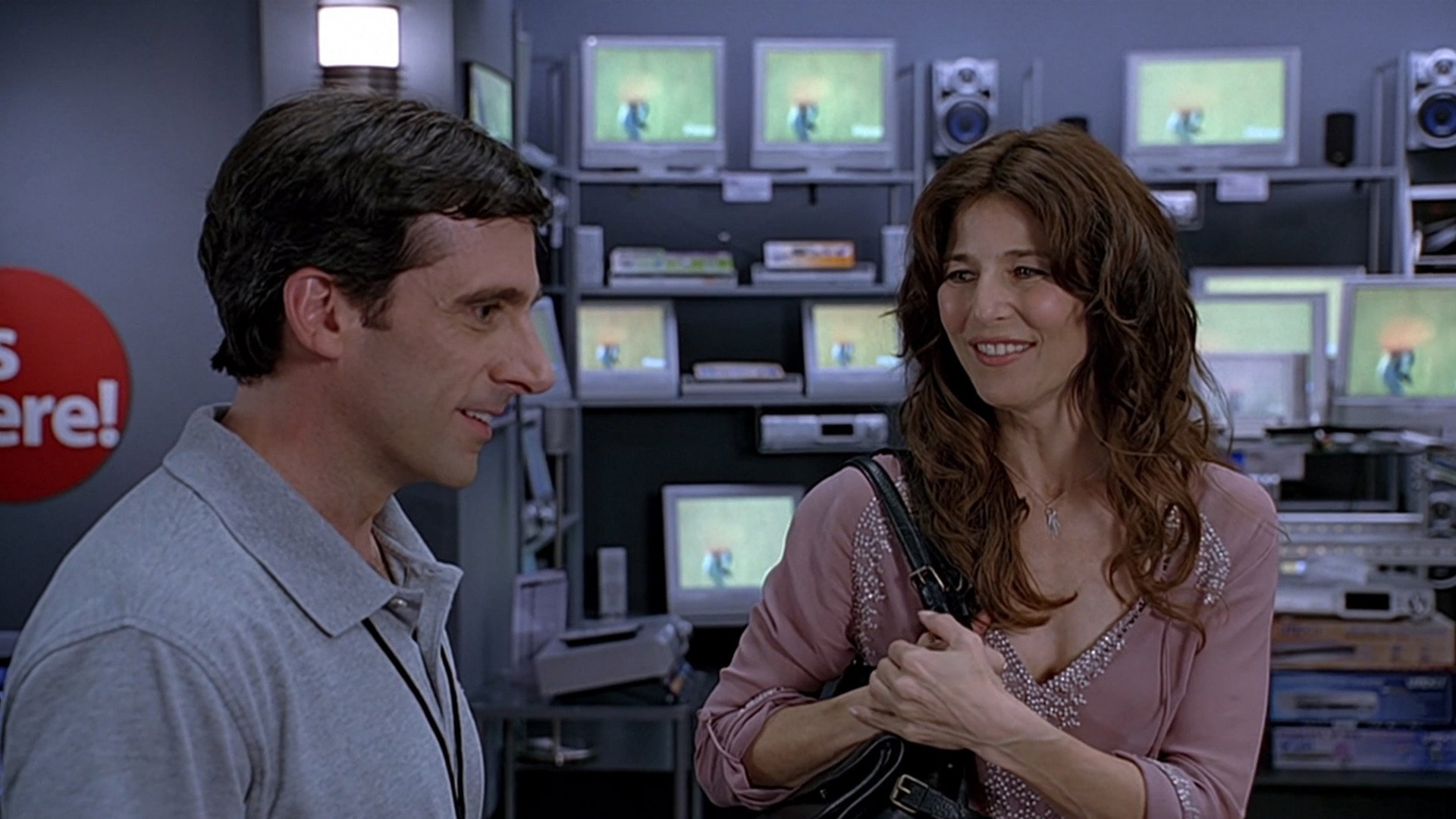
Catherine Keener’s Trish is crucial because she makes the romantic scenes feel like conversations between adults. She has enough humour of her own to stop the part becoming a reward for Andy’s improvement, and her ease with Carell makes his uncertainty touching. The gentler scenes deserve their place among the jokes. They give us a reason to want Andy to find his way through the awkwardness, and let Keener be funny without competing for the crudest line.
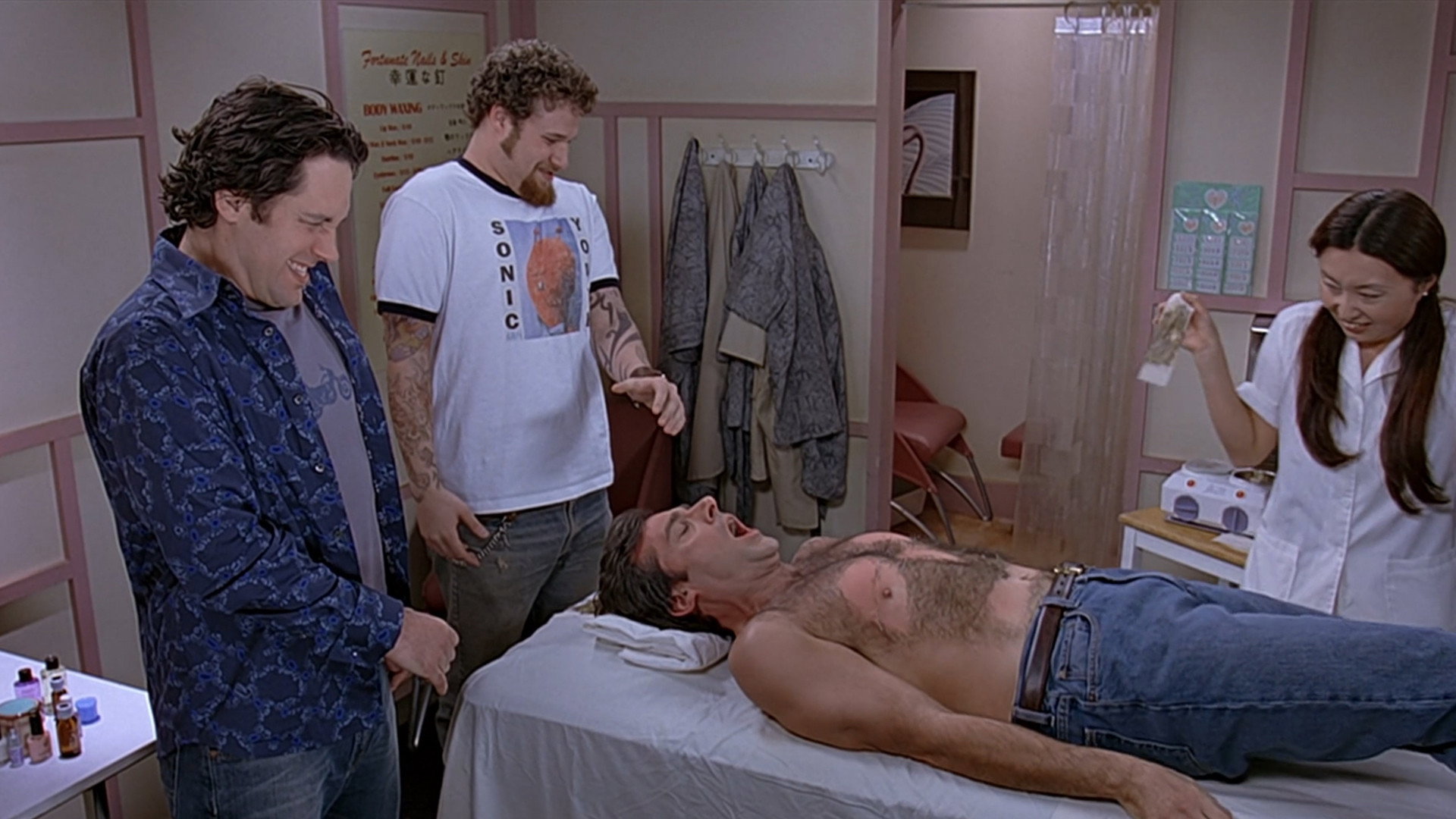
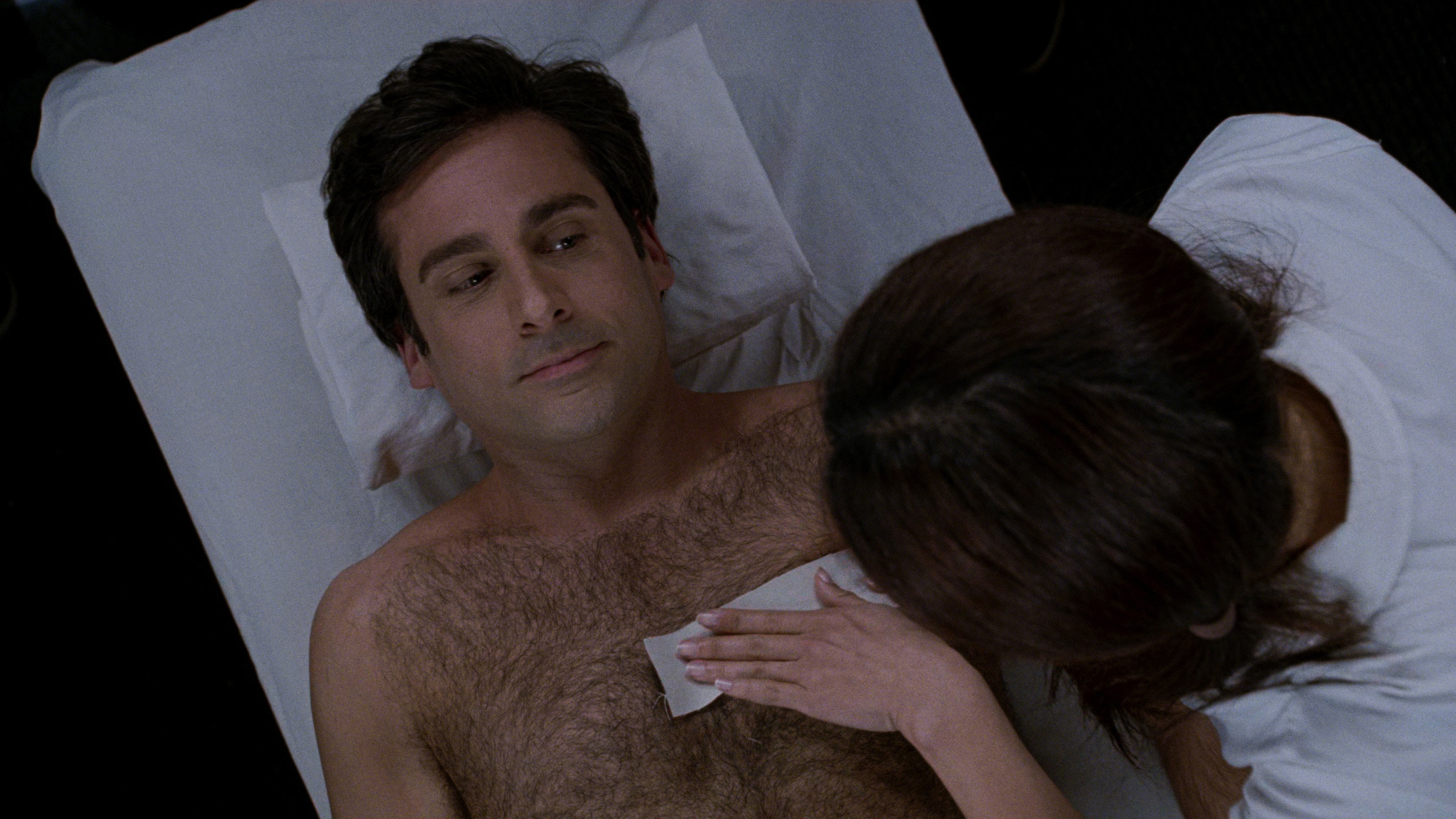
We laughed harder than we felt we ought to at the waxing scene. Carell makes the distress so convincing that enjoying it feels slightly unkind, but Andy remains a person we care about while the joke is happening. Apatow gets considerable mileage from that sympathy, allowing physical embarrassment to become ridiculous without treating the person enduring it as worthless. The sequence depends on how much discomfort Carell can communicate, and he gives it plenty.
Jack N. Green’s cinematography keeps the performances easy to read, although we would welcome more jokes made with the camera. Jackson De Govia’s production design is similarly unobtrusive; neither contribution is what stays with us afterwards. Lyle Workman’s music suits the softer passages, but Carell and Keener hardly need help making them affectionate. Brent White’s editing preserves the cast’s comic rapport, then too often allows an exchange to continue once the joke has landed. At 116 minutes, the film gives too many routines time to become less funny.
The more serious weakness is the reliance on jokes about race and sexuality that ask little of the writers. Apatow and Carell can recognise the absurdity of masculine bravado, yet sometimes settle for the insults that come with it. Those passages are lazy, and the affection elsewhere does not make them clever. They also make the film feel less observant: it has understood Andy carefully, then reached for a familiar stereotype when another laugh is needed.
Still, Carell and Keener make a persuasive case for staying with it, and the male ensemble supplies enough laughter to carry the untidier stretches. The film is happiest when its people are trying, not especially gracefully, to get along with one another. Choose it for the two leads, and be prepared to forgive some jokes they deserved to be spared.