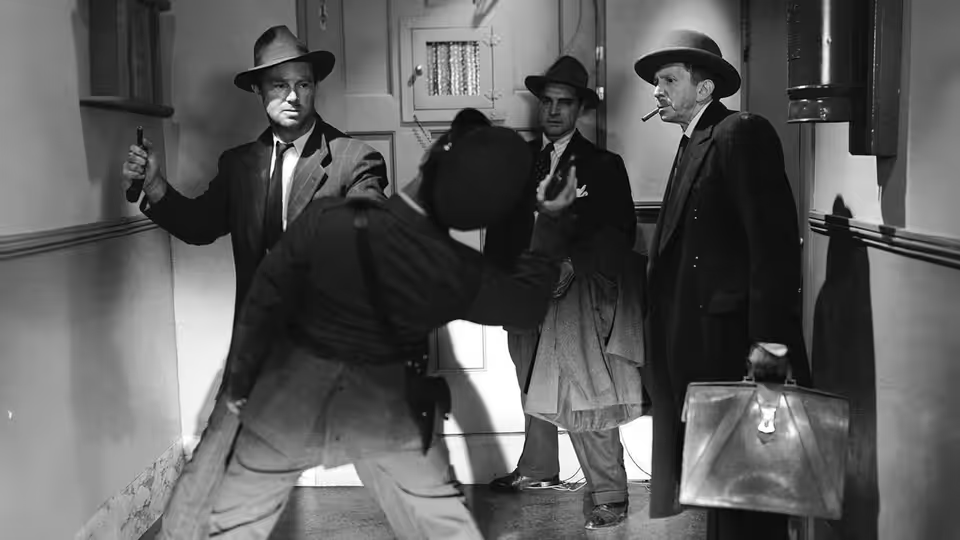
John Huston’s heist film is patient, tense and unusually interested in the people doing the stealing. The planning can feel laborious, but the attention given to each man’s weaknesses makes the suspense worth the wait.
The Asphalt Jungle takes the trouble to make a criminal enterprise look like work, and that trouble pays off. John Huston’s heist film is tense, humane and worth our patience, even when the preparation feels a little overextended. The theft matters because the men undertaking it have weaknesses that cannot simply be put aside until the job is finished. He keeps those weaknesses in view without asking us to treat every criminal as a misunderstood innocent.
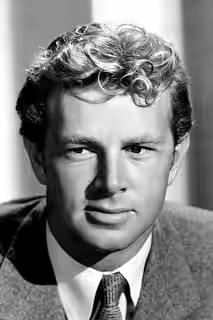
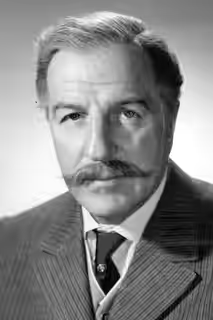
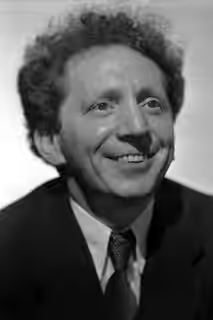
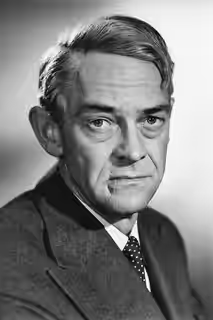
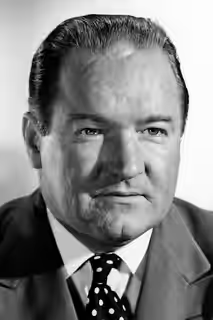
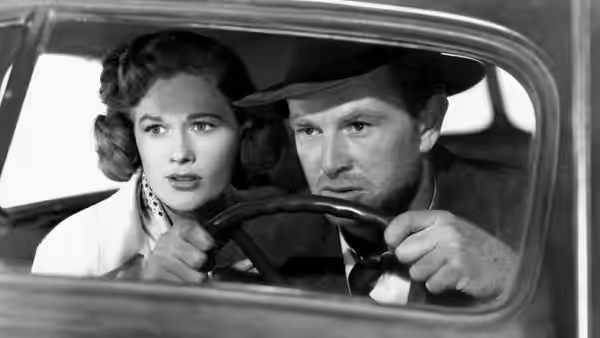
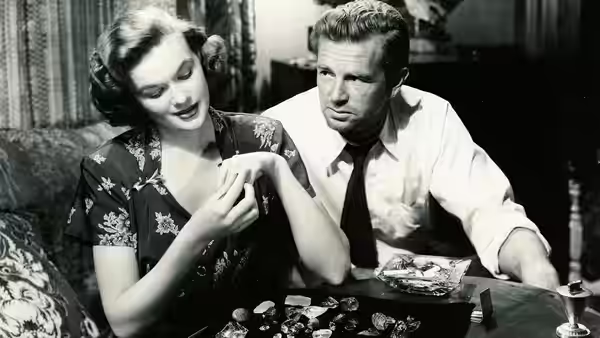
Sam Jaffe, as Doc Erwin Riedenschneider, gives the film a criminal mastermind whose intelligence is worth watching. His performance makes the planning engaging in itself; we are interested in how this man thinks before we know whether his thinking will be enough. Sterling Hayden’s Dix Handley brings a different pressure, with a physical force that makes his colleague’s measured manner more conspicuous. The differences between these performances keep us attending to individuals, even while the business of arranging a theft occupies them.
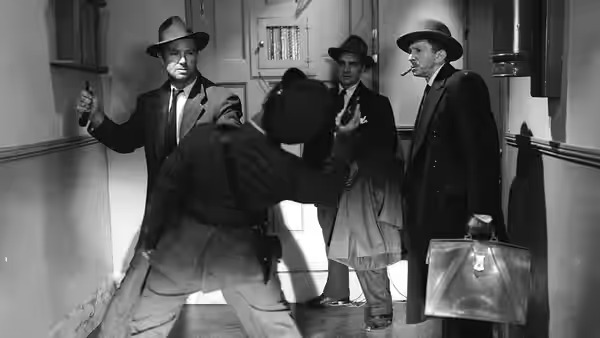
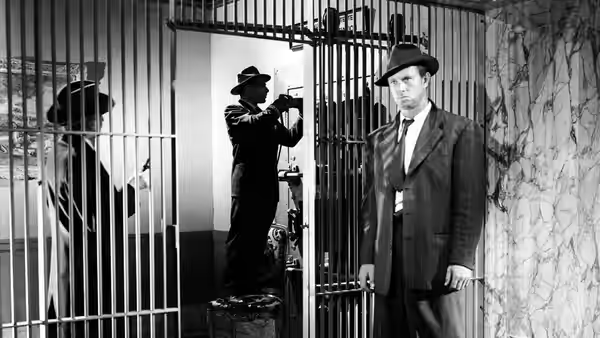
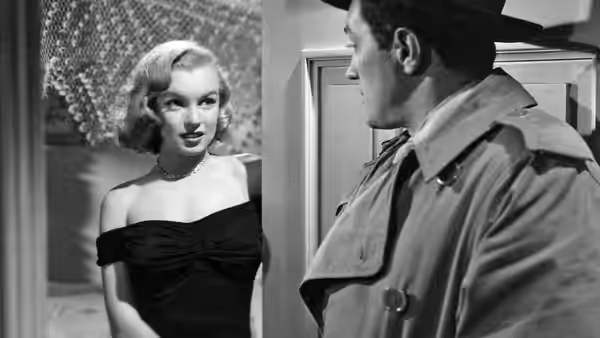
John Huston’s staging and Harold Rosson’s cinematography keep the space around the characters important. We can attend to the practical obstacles facing them, rather than accept that a difficult theft is difficult because someone says so. George Boemler’s editing gives the mechanics enough time to be understood, which makes the suspense more involving. Miklós Rózsa’s music supplies dramatic emphasis, though it is the patient attention to the task that keeps us tense.
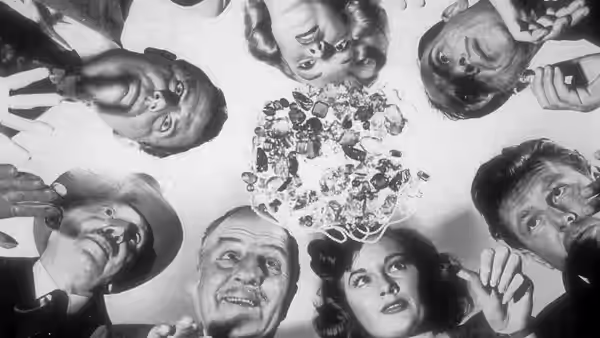
We caught ourselves wanting the thieves to succeed. Watching the work proceed step by step had made us take their side, and that was slightly uncomfortable. John Huston earns that response by giving personal hopes and failings as much attention as the crime; he does not require us to approve of the men before becoming interested in them. There is something generous in the care he takes over people whose weaknesses might, in a less attentive thriller, serve only to explain why a plan comes unstuck.
The preparation does ask a little too much patience at times. Knowing why each man matters is useful, but there are stretches when we would rather see him get on with the job. John Huston and Ben Maddow’s screenplay, adapted from W.R. Burnett’s novel, is so attentive to the men’s weaknesses that its interest can feel narrow. Jean Hagen’s Doll Conovan leaves us wishing that curiosity had been spread more evenly.
The temptation with a heist thriller is to admire a plan and treat the people carrying it out as equipment. This one gives us reasons to worry about them long before the question of success can be settled. Its influence is easy to understand, but we recommend it for the continuing pleasure of watching people think, work and make themselves vulnerable. Give it 113 minutes without distractions; this is a poor choice for an evening of answering messages.