M. Night Shyamalan makes the opening of The Happening properly frightening, then lets awkward dialogue and unconvincing performances undo the tension. A few troubling images cannot rescue a thriller this difficult to believe.
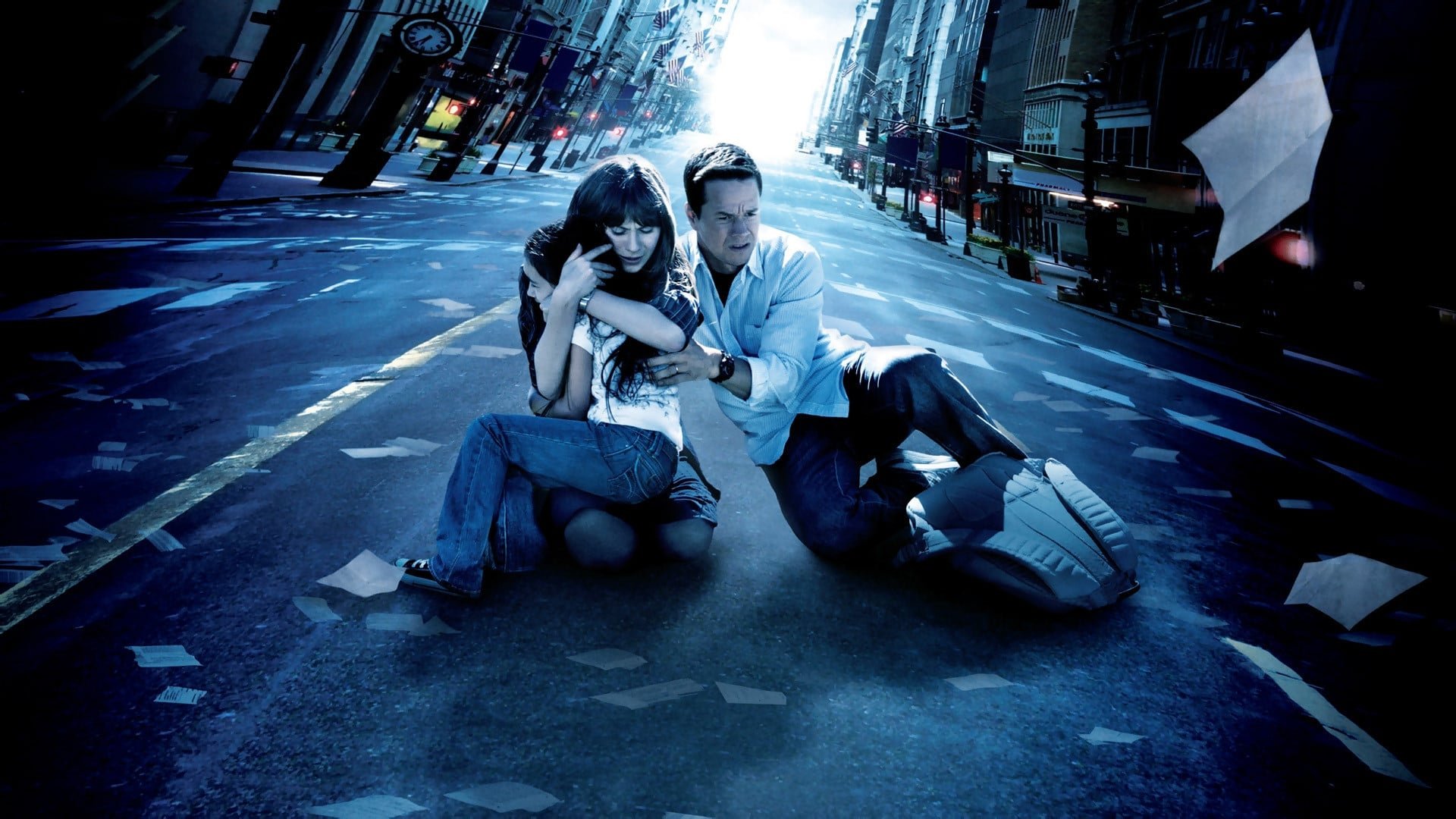
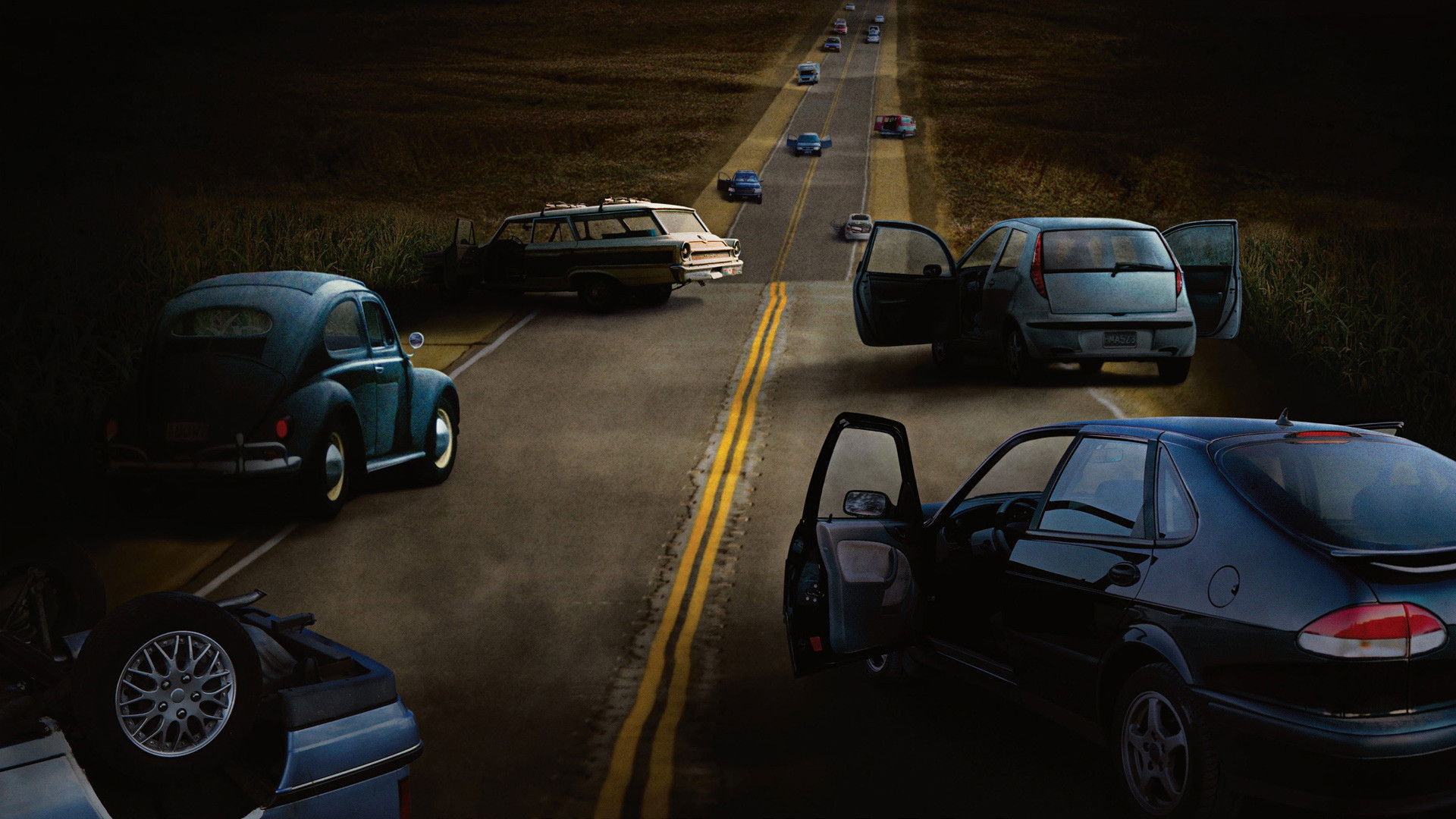
The Happening begins with a strong horror idea and proves poor at sustaining it. M. Night Shyamalan makes an airborne threat frightening because there is no useful distance to keep from it, then asks dialogue to explain what the images have already made disturbing. The opening mass suicides are horrible precisely because the violence seems to come without a comprehensible reason. We were frightened by that abrupt loss of control. The trouble starts when people begin talking, and increases whenever the film asks us to care about the central couple.
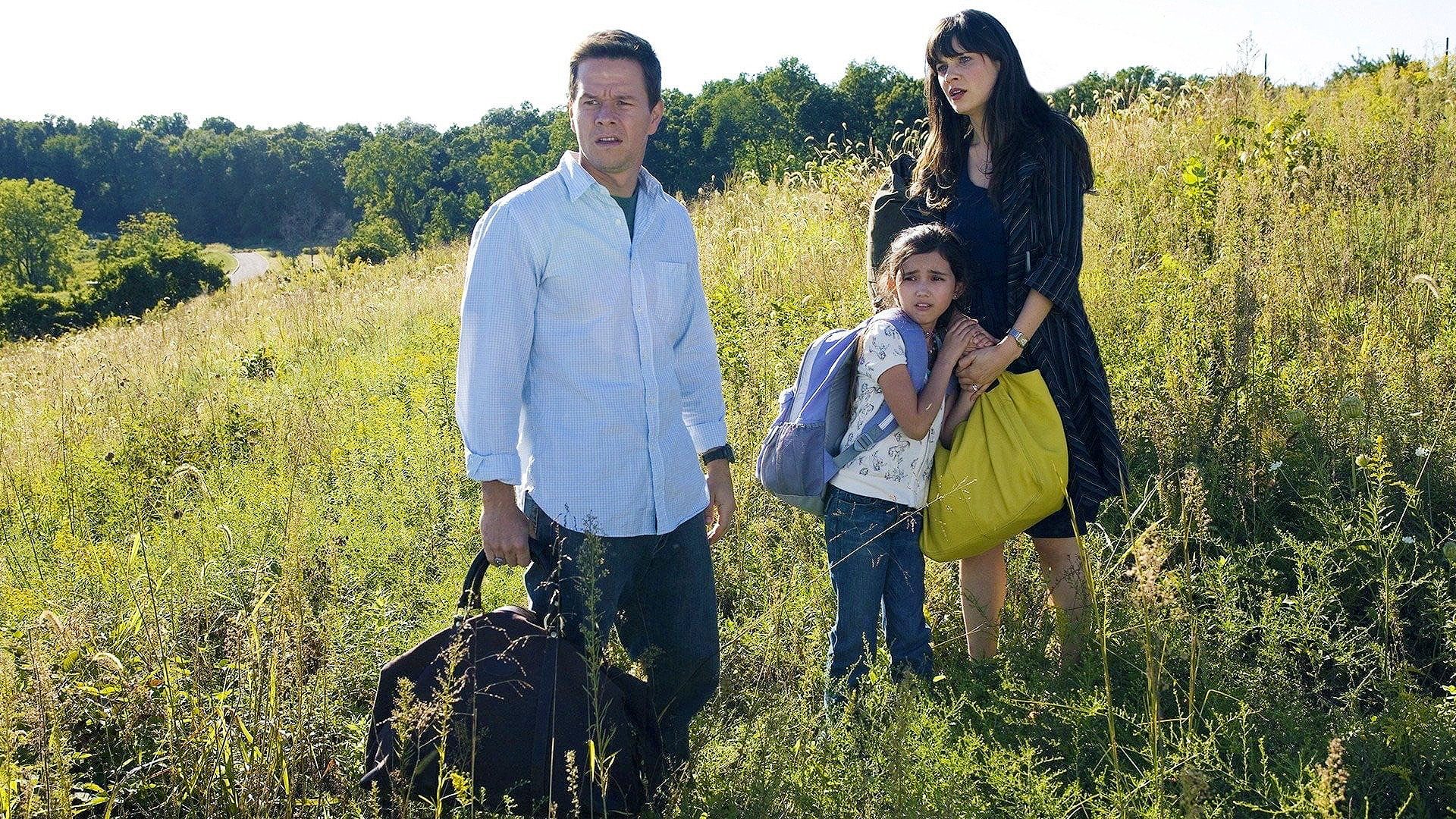
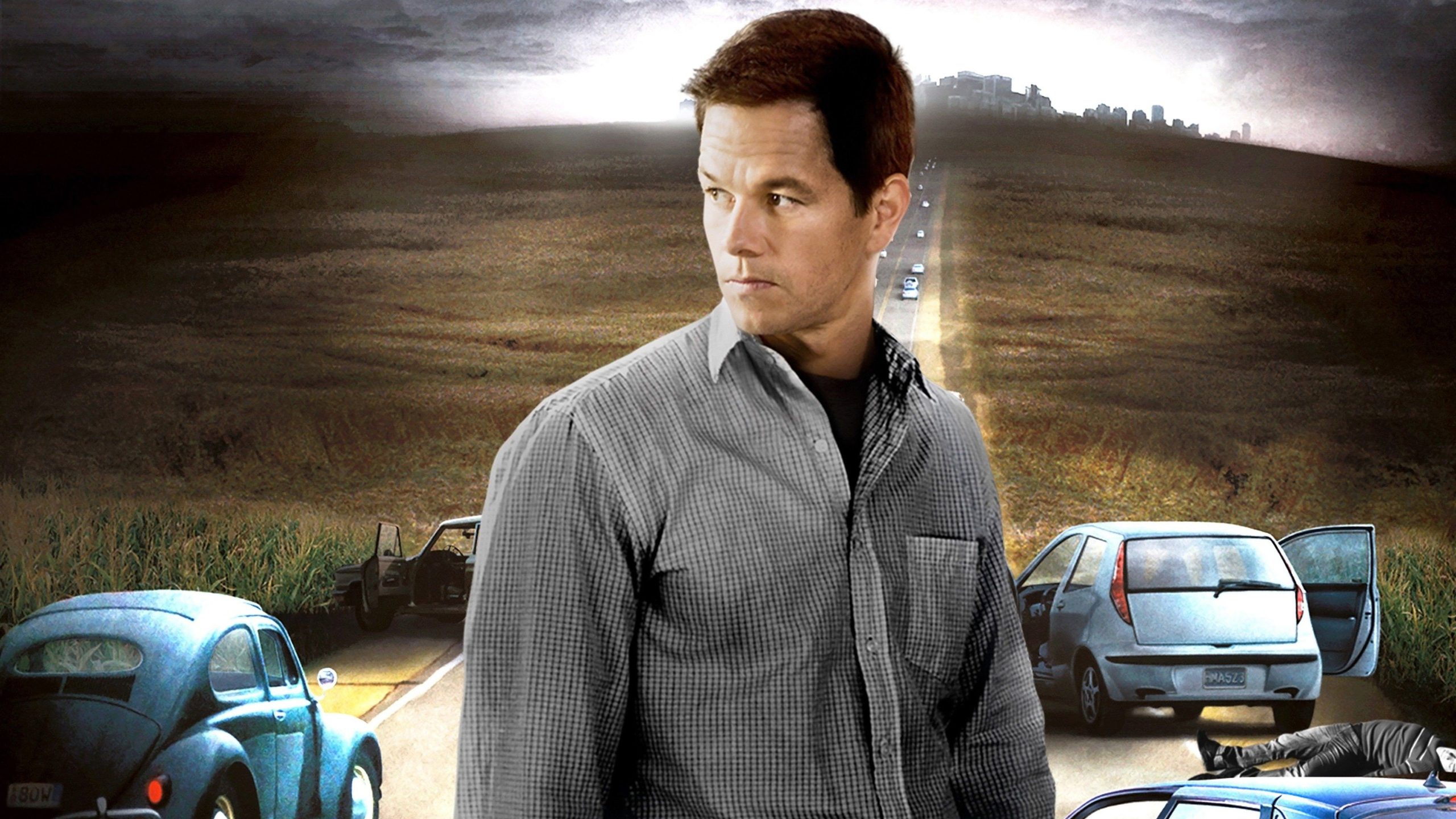
Tak Fujimoto gives the trees enough attention to make a patch of countryside seem unsafe, and those images briefly justify the film’s ecological premise. There is something upsetting about having to inspect ordinary outdoor space for a threat that has no visible body. The director understands that looking can become a source of suspense, especially when there is nothing definite to find. Yet he keeps returning to the wind as though the sight alone can sustain the fear.
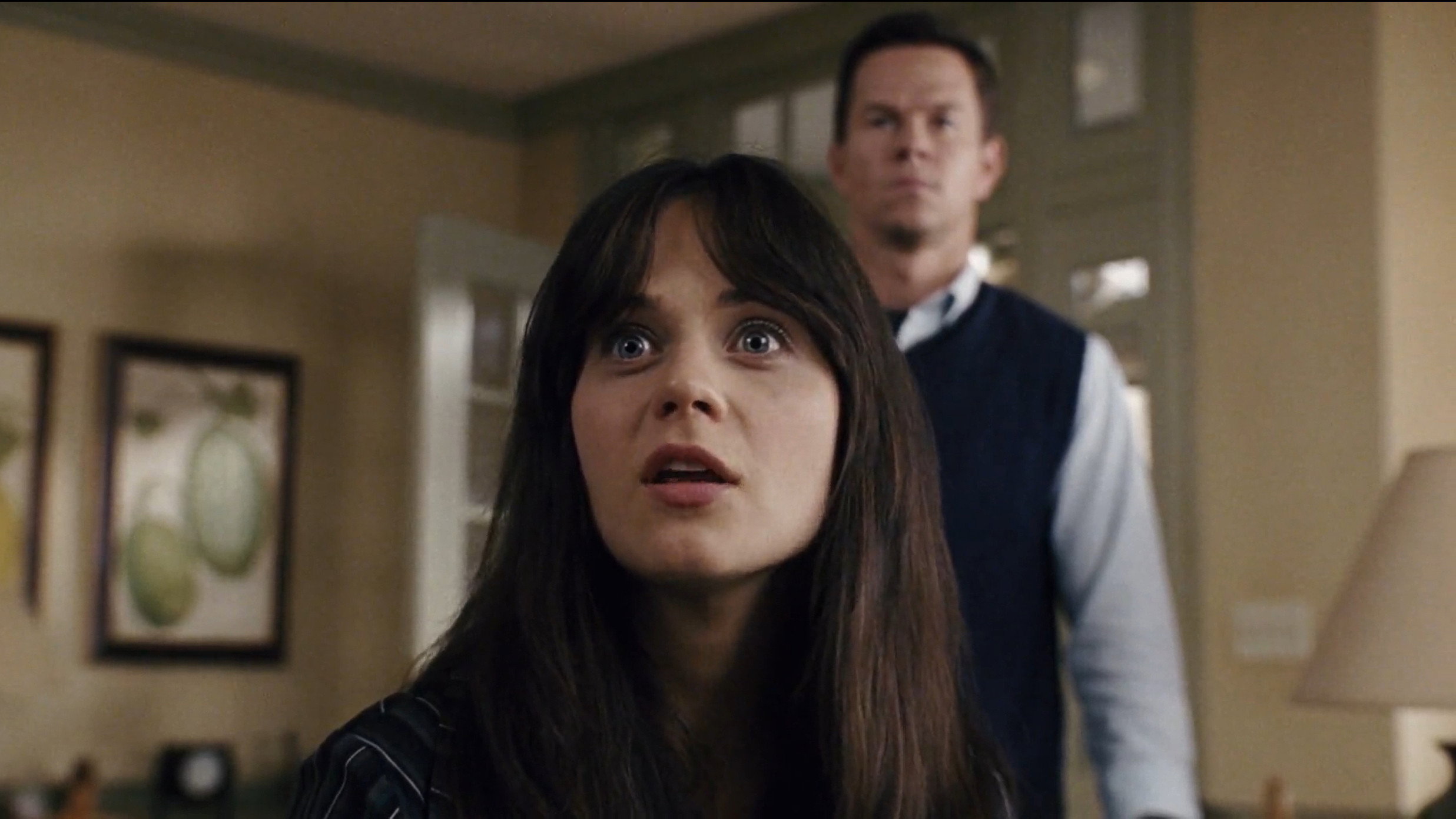
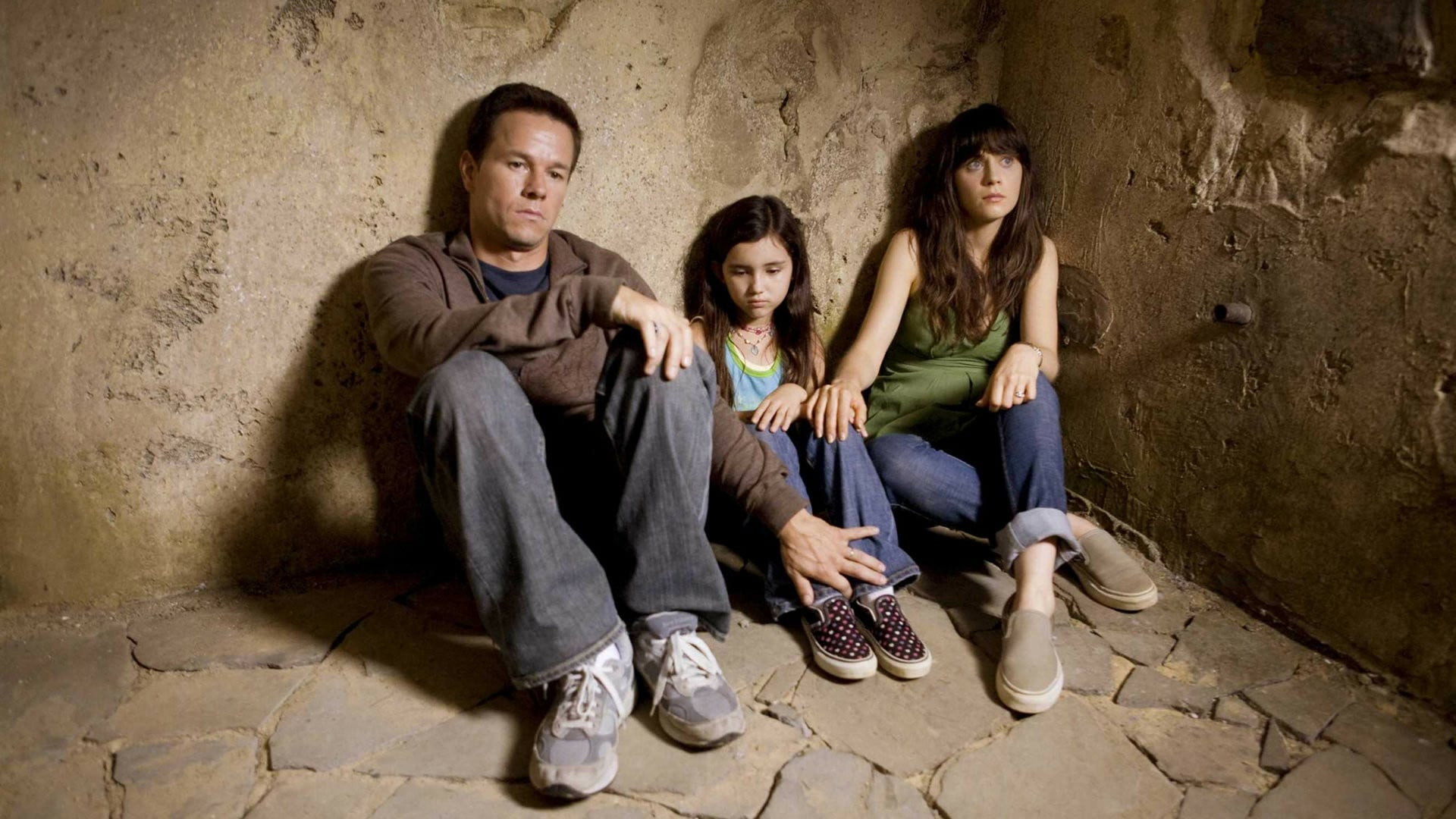
Mark Wahlberg’s Elliot Moore needs to make uncertainty feel urgent, but his delivery is so emphatic that the effort keeps showing. We can see the attempt to play a decent man struggling to understand an impossible emergency. Too often, though, each line sounds separately prepared, with little sense of someone responding to the person opposite. Zooey Deschanel’s Alma Moore suffers from the same stiffness, particularly in the couple’s exchanges. M. Night Shyamalan’s screenplay gives them conversations that sound implausible even before the wider catastrophe is taken into account.
John Leguizamo gives Julian a more immediate, recognisable anxiety, and his presence helps the surrounding panic feel less rehearsed. He cannot repair conversations written without a convincing sense of how frightened people might speak. The comedy might have offered relief if the director had found a steadier way of handling it. Instead, the peculiar delivery makes it hard to tell how seriously a scene expects to be taken.
Conrad Buff IV’s editing cannot maintain the opening’s urgency once the action reaches the countryside. The repeated threat gives the cutting too little fresh information to work with, so apprehension gradually gives way to waiting for the next demonstration. James Newton Howard’s music supplies a seriousness that the performances cannot consistently support, leaving the score to insist on danger when the people fail to persuade us. The scenes need more variation in pace and more convincing responses from the characters.
Jeannine Oppewall’s production design keeps the surroundings ordinary, which is sensible for a story in which the air may be dangerous. The rural spaces leave the characters exposed, and the lack of obvious horror scenery makes the early unease more effective. As a science-fiction thriller, the film does not need a fully explained threat; uncertainty can be frightening enough. It does need people whose responses make sense, particularly when it begins pressing the ecological message, and that is where it repeatedly fails.
At 90 minutes, this ought to be a lean, unpleasant shocker, but it feels stretched because the early invention is not matched by what follows. The dread survives in isolated shots, long after the dialogue has made belief difficult. Anyone drawn to the ecological premise may get something from those moments, provided the awkward acting is not a barrier. Try it only if an unsettling opening is sufficient compensation for a frustrating evening.