Harold Lloyd’s farm comedy is inventive, affectionate and worth an evening, even when its bashful romance grows a little thin. The physical jokes have a patience that makes the laughter last.
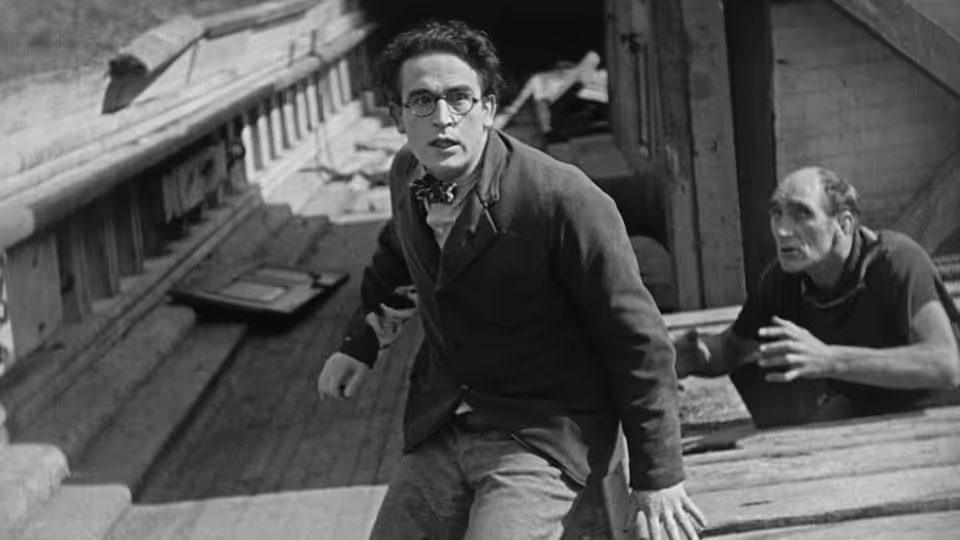
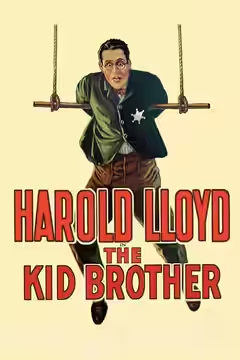
The Kid Brother gives Harold Lloyd a farm, a bashful romance and plenty of opportunities to make ordinary actions difficult. It is a funny, affectionate comedy that we recommend with one reservation: the courtship has less invention than the physical jokes. Lloyd, credited as director alongside Ted Wilde, understands the pleasure of watching somebody work out how to do something. At 82 minutes, the film has enough room to let that process become amusing before it hurries towards a result.
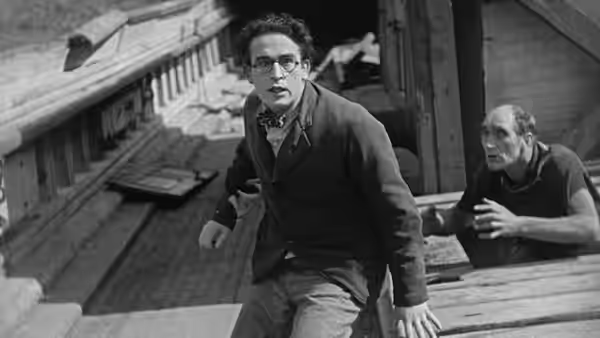
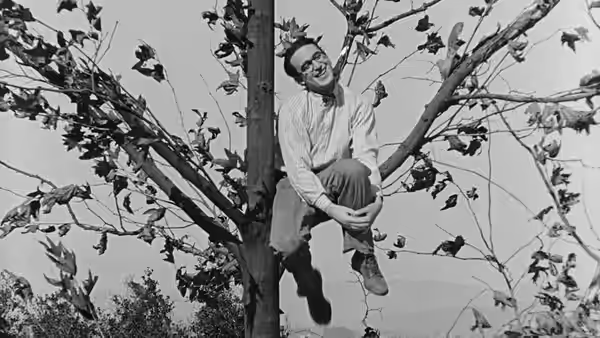
The tree-climbing sequence is the clearest example. Walter Lundin’s cinematography makes the upward progress readable, giving the height and the effort their proper comic value. We laughed, then found ourselves anxious about the next bit of climbing; the joke had made us care about the task. There is a satisfying patience here, because Lloyd keeps the physical problem in view and allows the expectation of another movement to become almost as enjoyable as the movement itself.
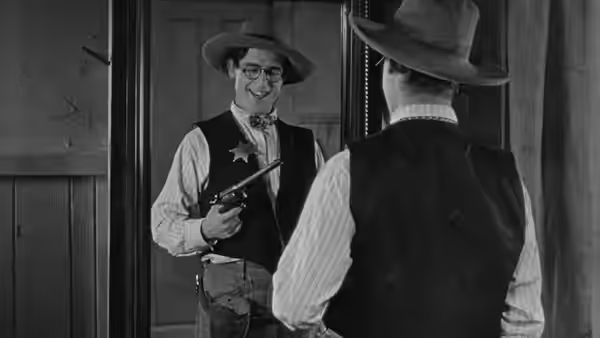
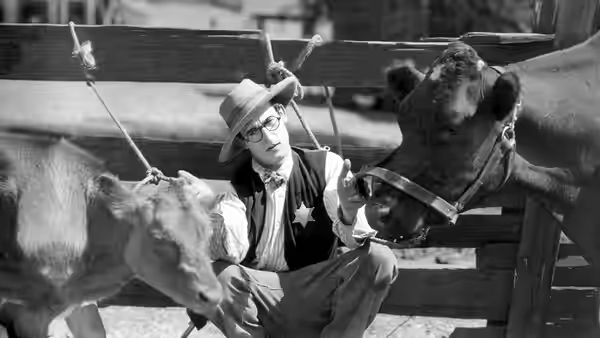
Allen McNeil’s editing is just as important to the succession of gags. The gags involving a vanishing sheriff and handcuffs depend on our being able to follow a small piece of practical cause and effect, and the cutting keeps that pleasure clear. We have time to understand what is happening before the next joke needs our attention. Some of the smaller gags feel like preparations for better ones, but there is little of the impatience that can make physical comedy exhausting.
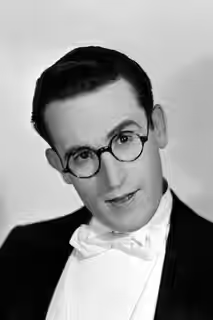
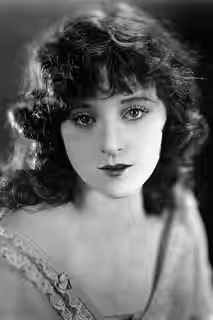
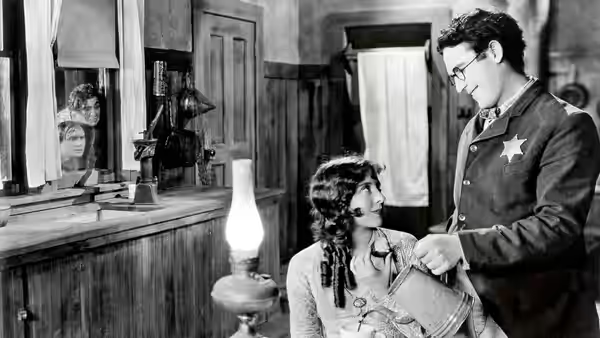
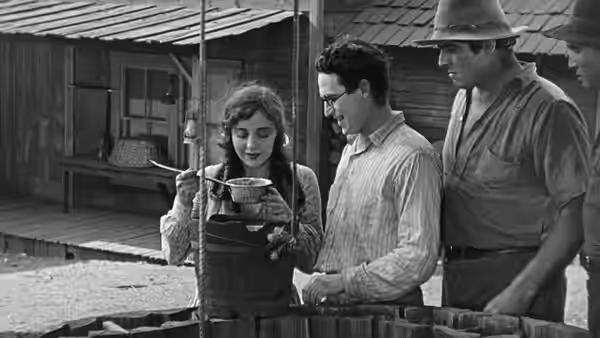
Lloyd’s Harold Hickory is appealing because his bashfulness does not make him wholly helpless. There is enough assurance in the performance for us to enjoy his resourcefulness without being asked to pity him at every turn. Jobyna Ralston, as Mary Powers, is appealing company, though the bashful love-making seldom matches the ingenuity of the physical business. The courtship has warmth, but we sometimes wanted it to be as particular and surprising as the climbing, rather than relying quite so heavily on shyness.
The story, credited to Thomas J. Crizer, Ted Wilde and John Grey, is serviceable, though its emotional direction holds few surprises. That is not much of a fault while the jokes are coming, but it matters when the pace settles. We sometimes feel the film asking for affection it has already earned more naturally through Harold’s efforts. A little less insistence on charm would have made the quieter passages more engaging; the performers do not need quite so much encouragement to be likeable.
For a comedy built around a star, Lloyd is refreshingly willing to let us concentrate on the task rather than keep looking at him. His performance rewards the close attention that physical comedy needs, without making the work look laborious. The film will suit those who enjoy watching a joke being worked out and do not need every pause brought to a hurried end. Put distractions aside for the tree-climbing; the small movements deserve your attention.