Film review

The Lighthouse

2019 · Directed by Robert Eggers · 1h 49m · MPA R

In a sentenceA lighthouse is a poor place to discover that your colleague enjoys a monologue

DramaFantasyThriller

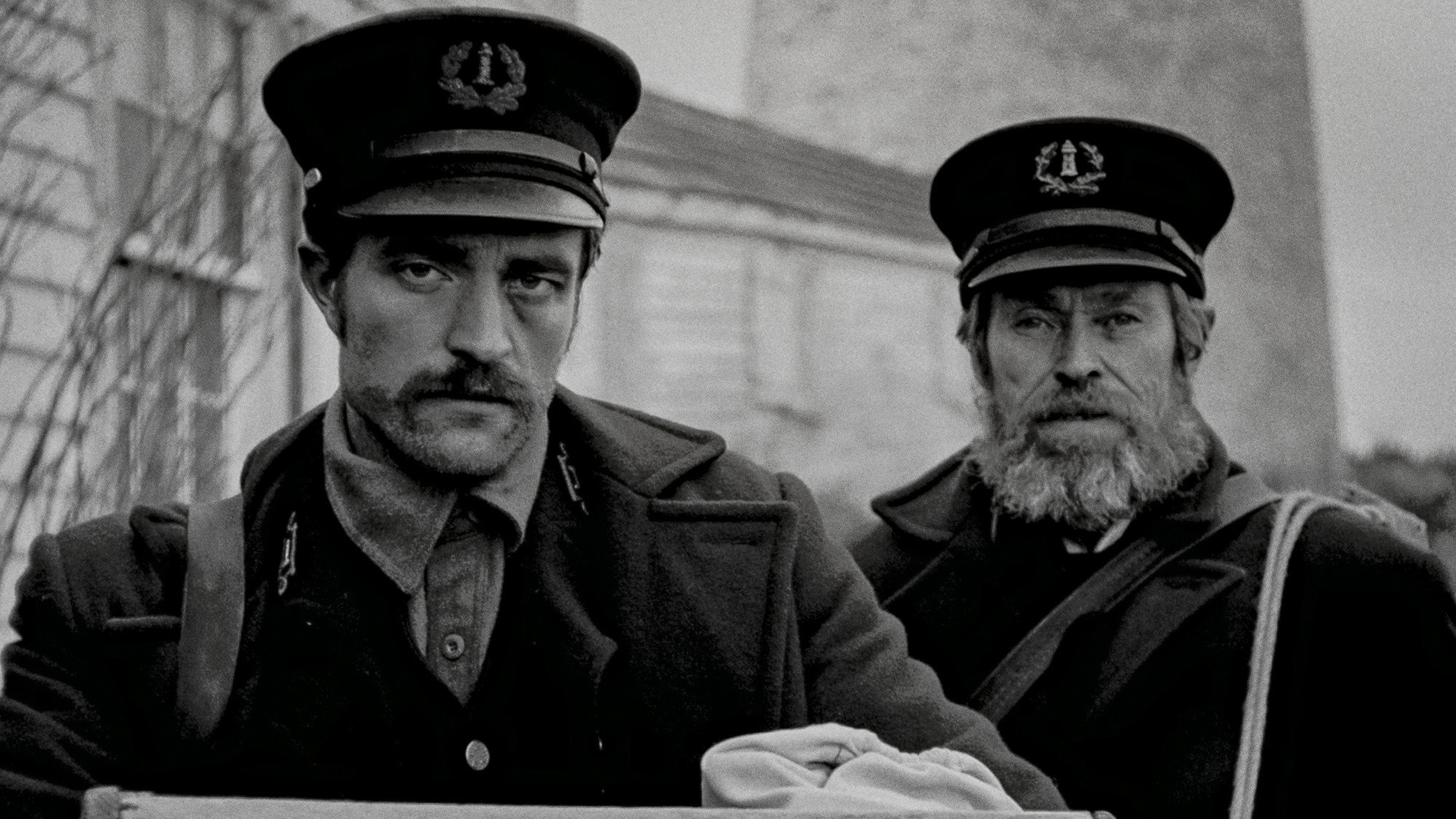
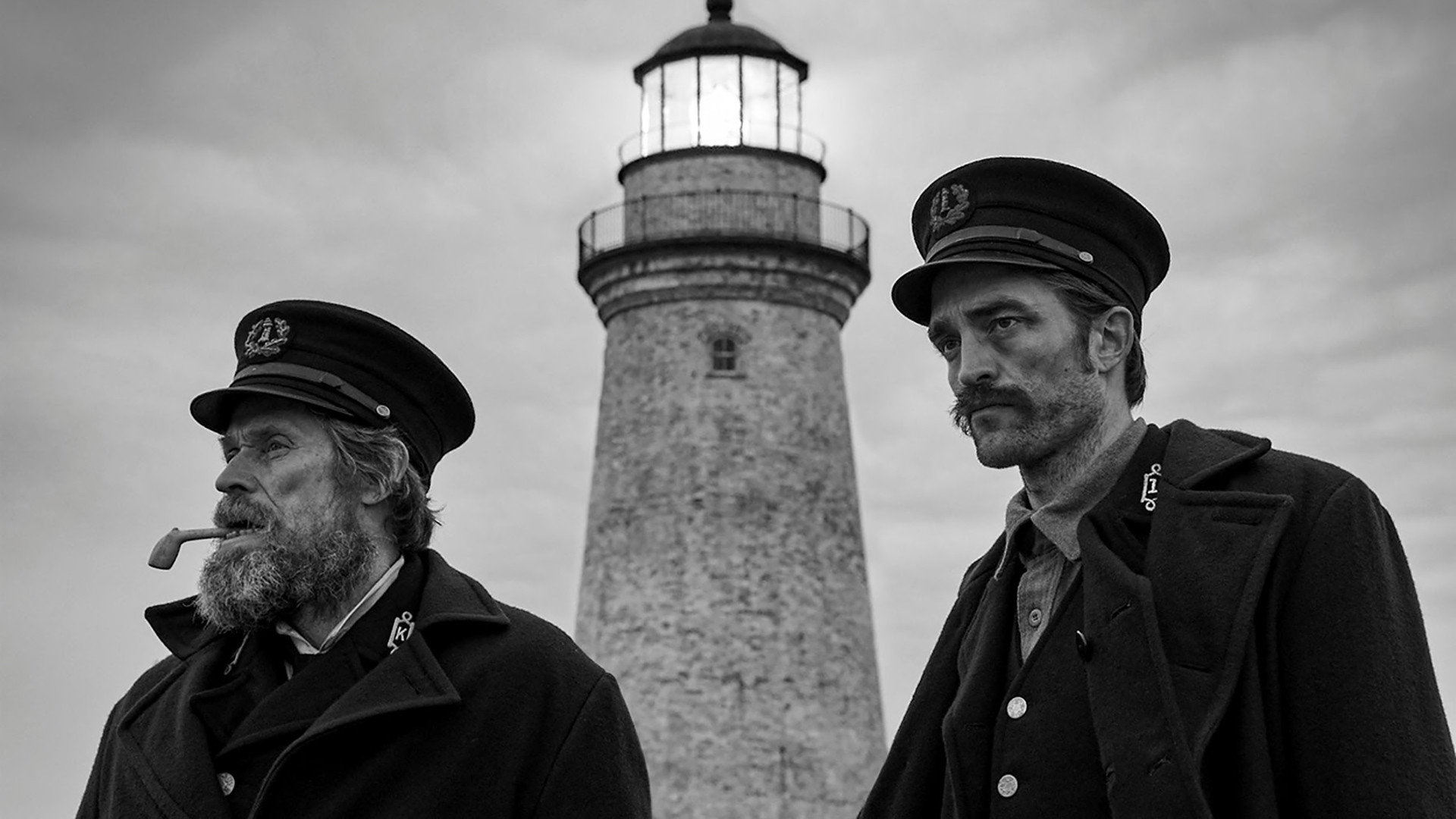
In the nineteenth century, a younger assistant (Robert Pattinson) takes up work at an isolated lighthouse alongside Thomas Wake (Willem Dafoe). A Departing Wickie (Shaun Clarke) leaves the station, and the two men have work and living quarters to share. Wake expects obedience; the assistant wants to get through his posting without surrendering to the older man’s bullying. Their days bring quarrels, crude humour and talk of maritime superstition. With little company except each other, the younger man has to contend with a keeper whose appetite for giving orders is matched by his willingness to keep talking.

Plays from YouTube when you press play; nothing loads from them until then.

Fi1m review

Robert Eggers makes a cramped, foul-tempered horror film with an excellent, frequently funny pair of performances. Robert Pattinson and Willem Dafoe keep it compelling even when the quarrelling begins to repeat itself.

Robert Eggers gets a fine, disagreeable horror film out of two lighthouse keepers who cannot leave each other alone. The Lighthouse is worth the confinement, with a warning that its repeated confrontations eventually become tiring. The isolation gives every insult time to fester and every assertion of authority far too much importance. There is something recognisable in the difficulty of working alongside somebody determined to get under the skin.

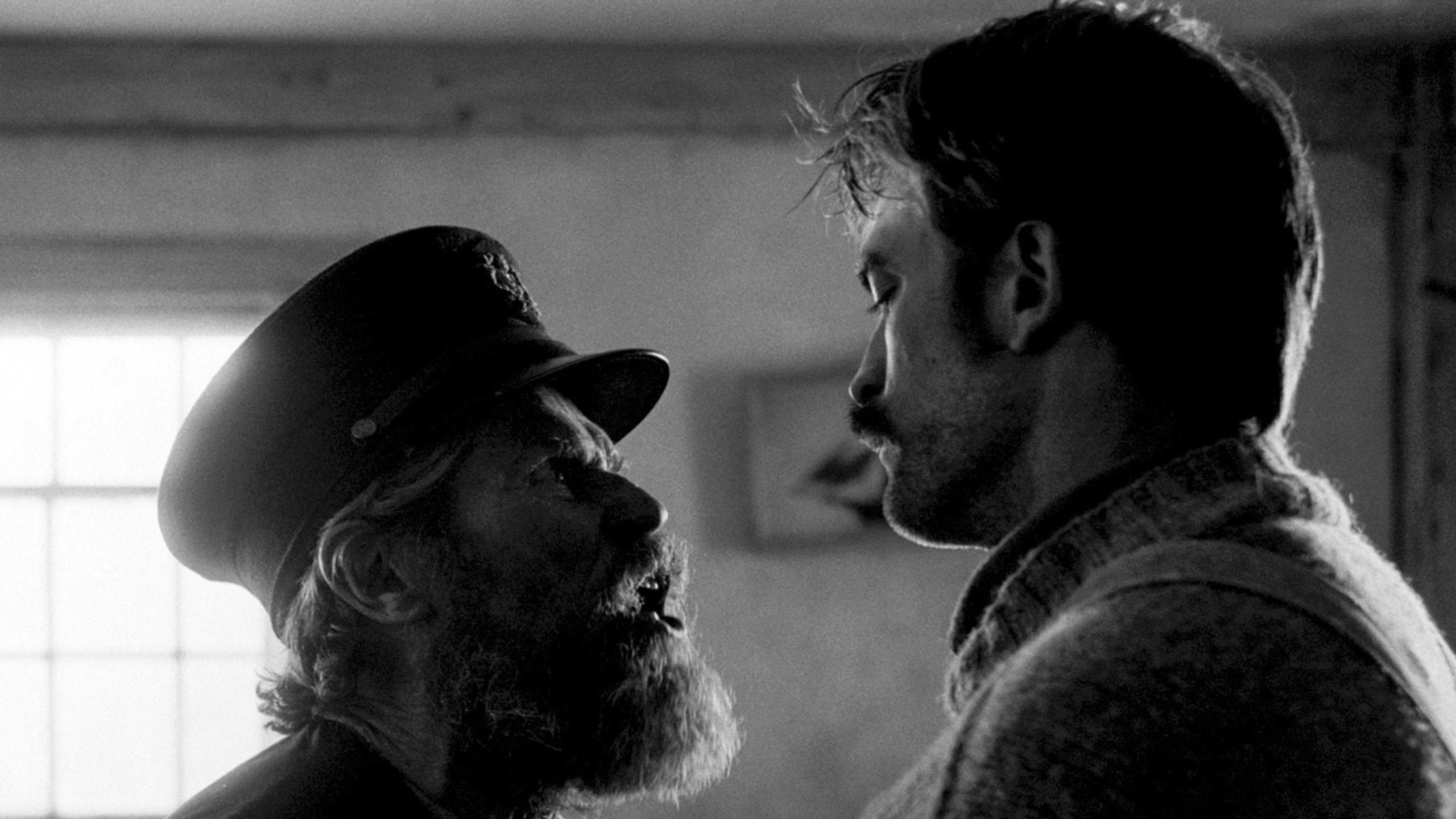
Willem Dafoe’s Thomas Wake is a bully whose enthusiasm for his own voice would make a short shift feel long. The elaborate period dialogue, written by Robert Eggers, gives him plenty to enjoy, and he makes the old keeper’s authority both threatening and faintly ridiculous. We laughed at the relish with which he turns a quarrel into a performance. The comedy comes from the disproportion between two men stuck together and the grandeur with which one of them insists on speaking.

Robert Pattinson has the harder task: keeping the younger man’s resentment legible against that much theatrical force. His discomfort gives the bullying somewhere to land, and his growing willingness to compete keeps the pairing from settling into a simple routine. Neither actor treats the crude humour as a break from the unpleasantness. The jokes make the proximity worse, because these men cannot even be disgusting in private.

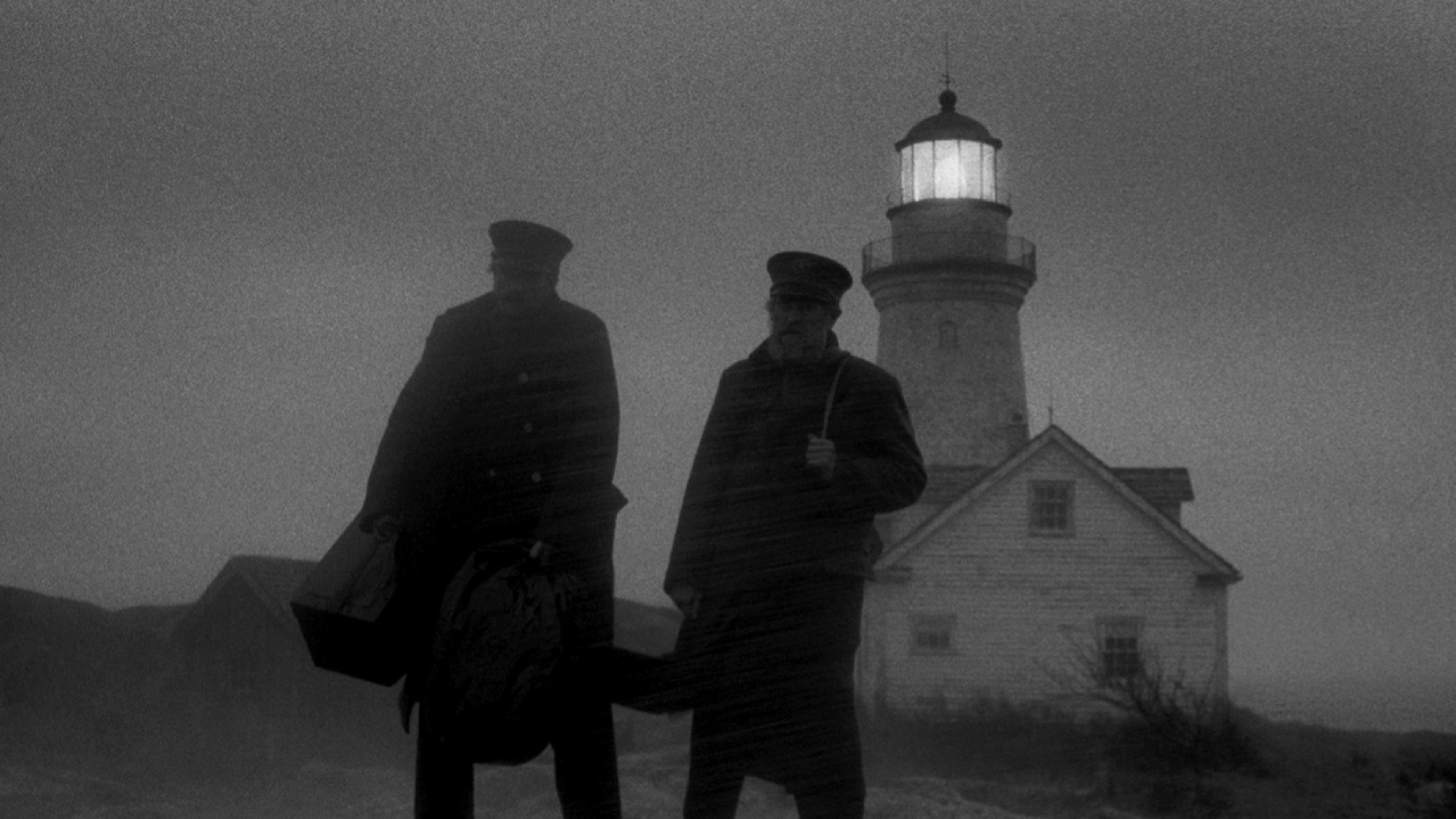
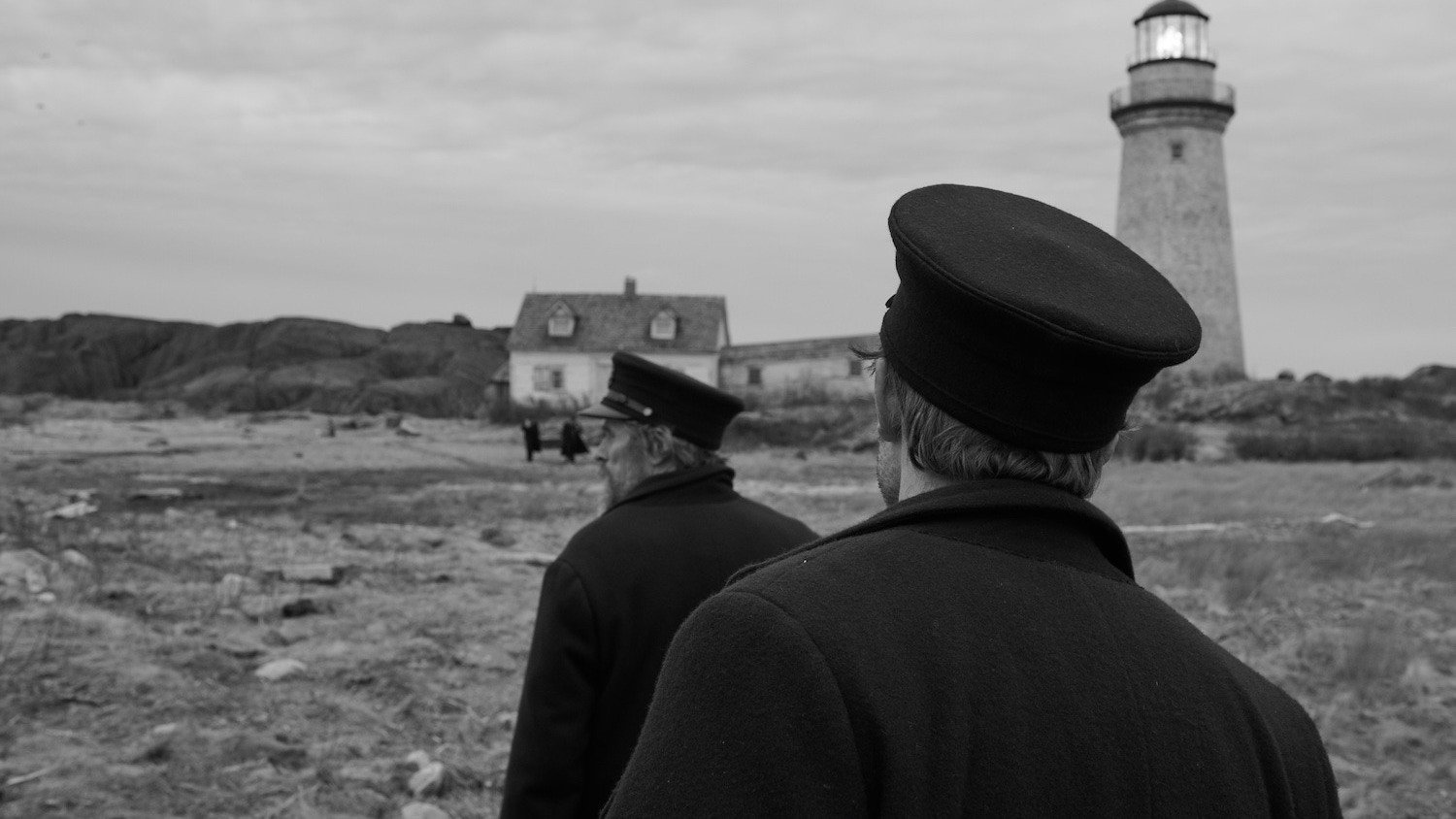
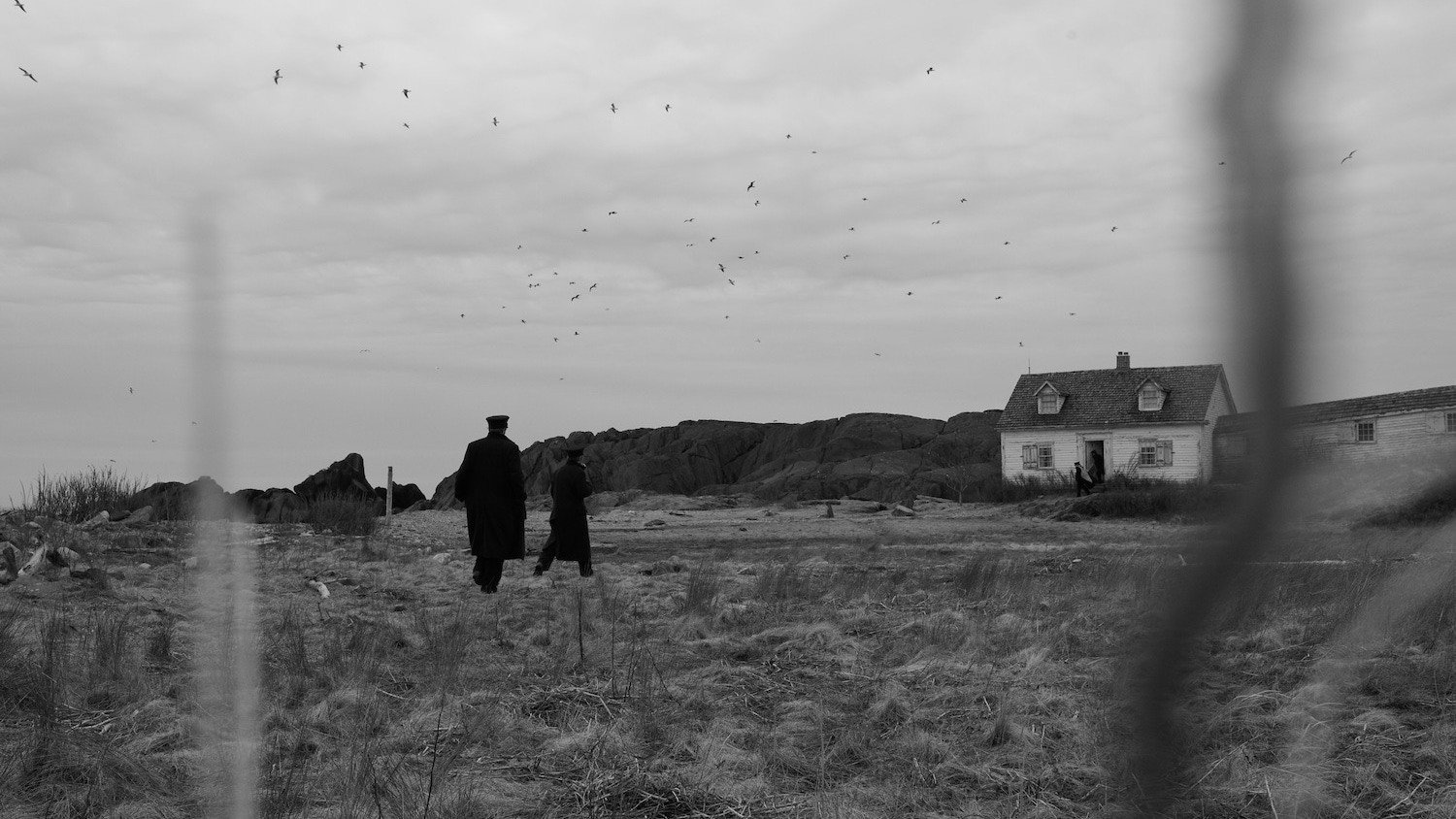
Jarin Blaschke’s black-and-white cinematography gives the faces a harshness that makes even a quiet exchange uneasy. The near-square frame leaves little space beside the men; putting two bodies into it can feel like the start of an argument. Craig Lathrop’s production design keeps the cramped setting believable, with period detail that never feels like an invitation to admire the furnishings. We believe in the unpleasant business of living there, which matters when the imagery becomes harder to take literally.

Louise Ford’s editing gives the verbal contests enough room for a change of tone to become uncomfortable. A scene can remain funny after it has also become threatening, and cutting away too briskly would spoil that. Mark Korven’s score adds to the heavy, abrasive soundscape, making the confinement feel more oppressive. At times the combined noise presses harder than it needs to; the performances have already made the danger clear.

The difficulty is finding somewhere for all this pressure to go. Once the pattern of provocation and retaliation is established, further rounds do not always tell us much more about either man. The director keeps adding strangeness, but some of the later excess feels laboured, and the 109 minutes could be leaner. Ambiguity suits this sort of horror; a literal explanation would scarcely improve it. What we wanted was a little more variation in the encounters, rather than another increase in intensity.

Yet the humour gives the film something that solemn exercises in isolation often lack. These men can be petty, embarrassing and absurd without becoming safe to be around, and the actors preserve that uncertainty when the story starts to circle. There is enough pleasure in watching them compete to justify the repetitive stretches. Give it an evening when a quarrel will not spoil the mood.
Critical consensus AI synthesised

84
Positive
15
Mixed
2
Negative
0

Most critics respond warmly to The Lighthouse, with praise centred on Willem Dafoe and Robert Pattinson’s combative performances and Robert Eggers’ oppressive atmosphere. The black-and-white photography, cramped frame, period dialogue and abrasive soundscape draw repeated approval for making the keepers’ isolation feel suffocating. Many reviews also find considerable comedy in the pair’s bluster and competitive machismo. For its admirers, the humour makes the psychological horror more unsettling rather than softening it.

Reservations centre on repetition, thin storytelling and whether the film has enough dramatic development to sustain its intensity. Even favourable reviews sometimes find it exhausting or overlong, while the broader response ranges from enthusiasm to marked dissatisfaction. The Guardian questions Pattinson’s performance and finds that the imagery overwhelms a coherent story. The New York Times praises both leads but sees too little beneath the style, making narrative substance the clearest point of disagreement.

Radio Times
★★★★★ · Emma Simmonds
100

Willem Dafoe and Robert Pattinson are unforgettable adversaries in this eerie, unnerving two-hander. Eggers conjures an oppressive and unpredictable atmosphere with captivating chiaroscuro-rich cinematography that remains horribly effective to the last.

Read the full review →
The i Paper
31 January 2020 · ★★★★★ · Demetrios Matheou
100

Eggers delivers another deeply atmospheric concoction that creates mystery and unease through its boxy black-and-white frame, cacophonous soundscape and fruity period dialogue. The mismatched leads, especially Dafoe’s relish as the tyrannical old salt, make for a gripping, mirthful descent into madness.

Read the full review →
The Telegraph
31 January 2020 · ★★★★★
100

Pattinson and Dafoe deliver astounding, career-highlight performances in this ferociously entertaining two-hander that lands with tremendous impact. It is an essential cinematic experience full of audacious energy and unforgettable imagery.

Read the full review →
Los Angeles Times
16 October 2019 · Justin Chang
90*

Pattinson and Dafoe mesmerize in Eggers' bleak, blisteringly funny descent into cabin-fever madness and psychological warfare.

Read the full review →
Total Film
31 January 2020
90*

Eggers proves The Witch was no fluke with an oppressively nightmarish two-hander that does for lighthouses what The Shining did for hotels. Dafoe and Pattinson dazzle in a claustrophobic, peerlessly atmospheric monochrome exercise in maritime madness.

Read the full review →
RogerEbert.com
18 October 2019 · ★★★½/4 · Matt Zoller Seitz
88

The critic praises the film's intense performances and atmospheric dread but notes its repetitive descent into madness can feel exhausting.

Read the full review →

Cast

Stills

If you liked this, try…

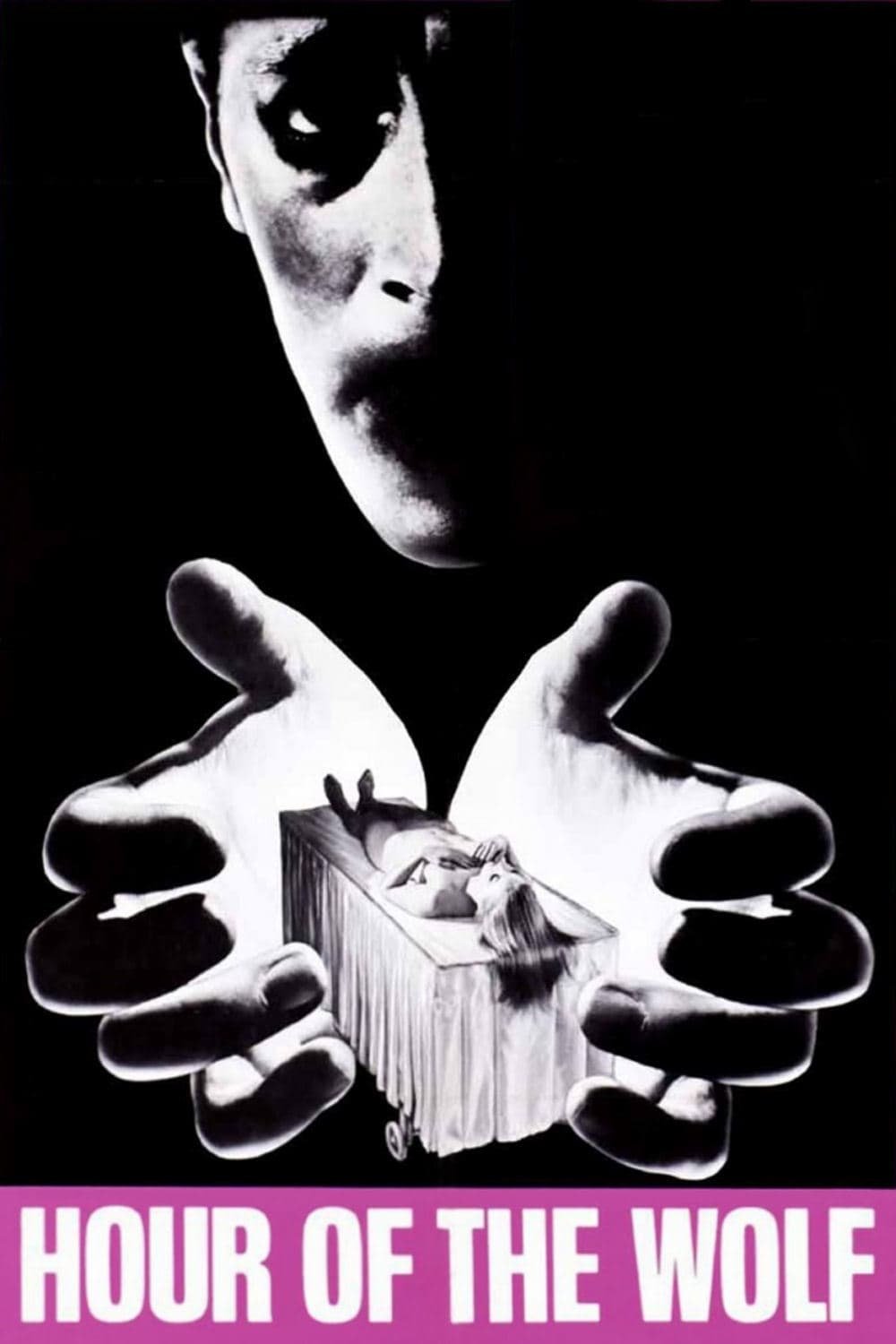
Hour of the Wolf poster

Hour of the Wolf

1968 · An island retreat where an artist’s fears make domestic life increasingly frightening

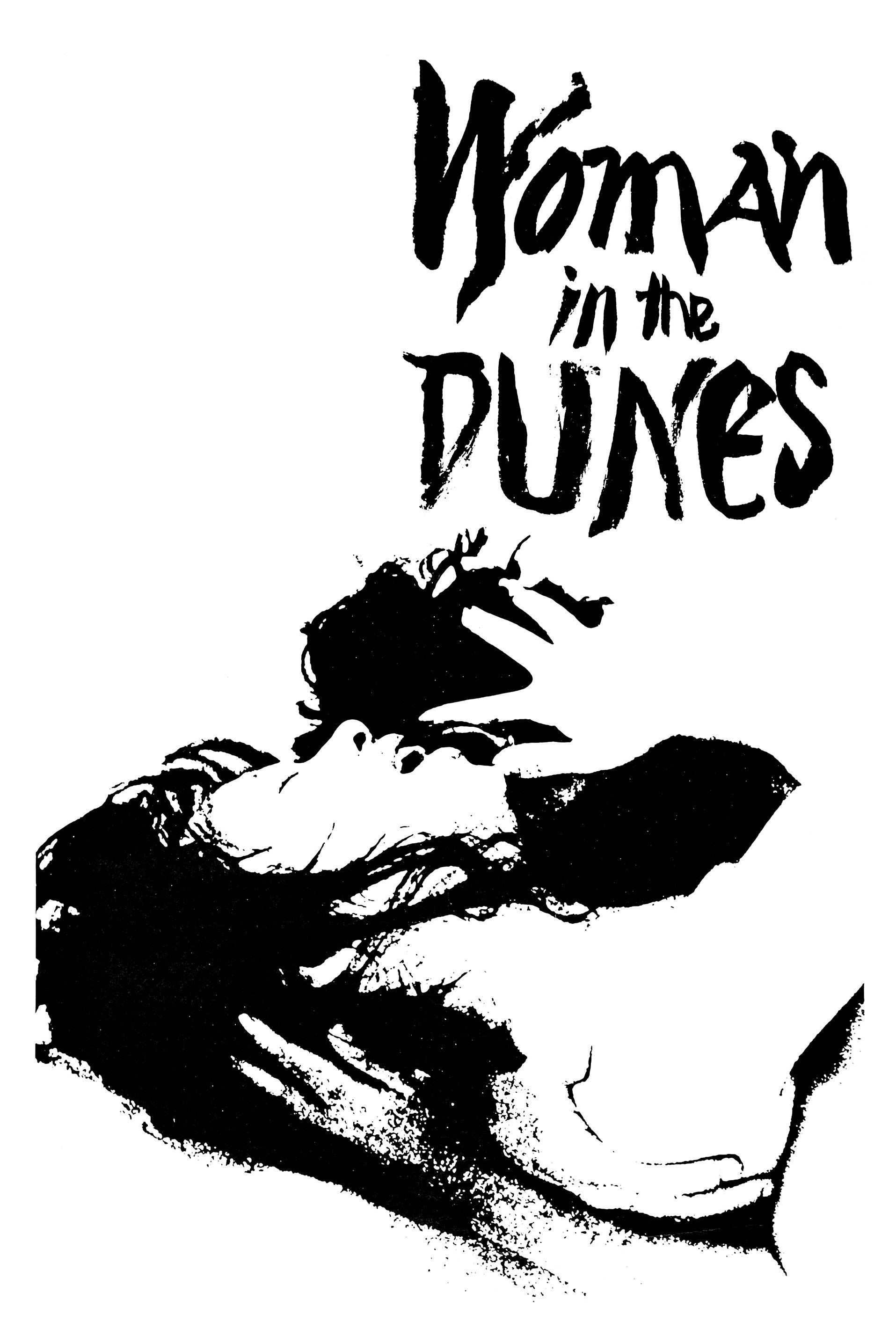
Woman in the Dunes poster

Woman in the Dunes

1964 · Hard labour and enforced intimacy, with sand making escape an exhausting business

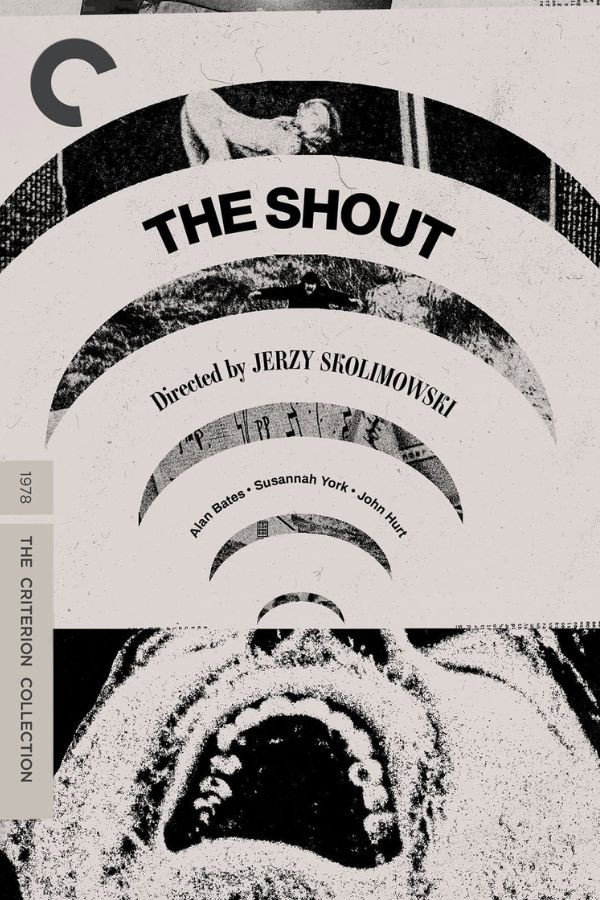
The Shout poster

The Shout

1978 · An isolated household, sexual unease and sound used to make us flinch

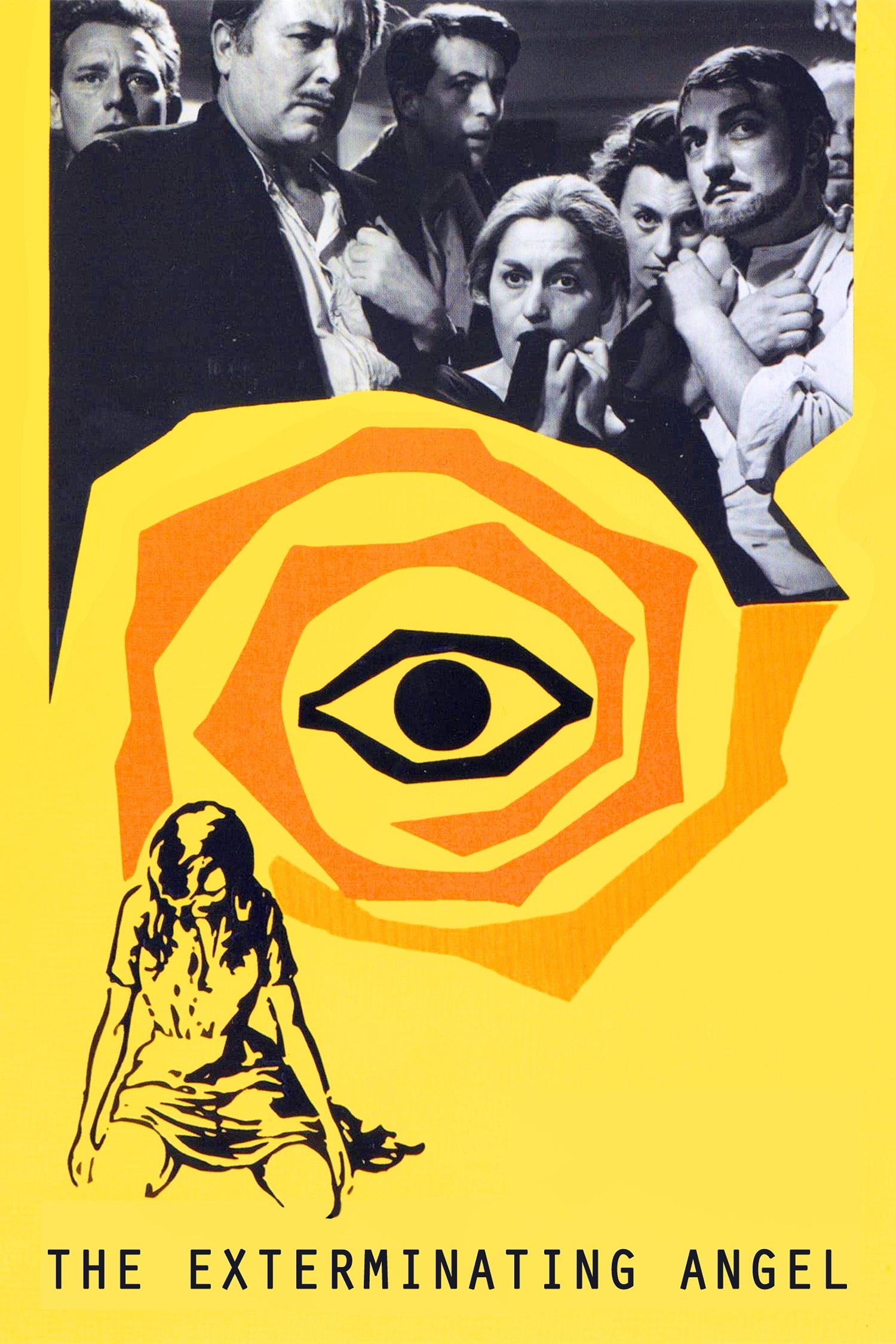
The Exterminating Angel poster

The Exterminating Angel

1962 · For more confinement, failing manners and absurd behaviour treated with complete seriousness

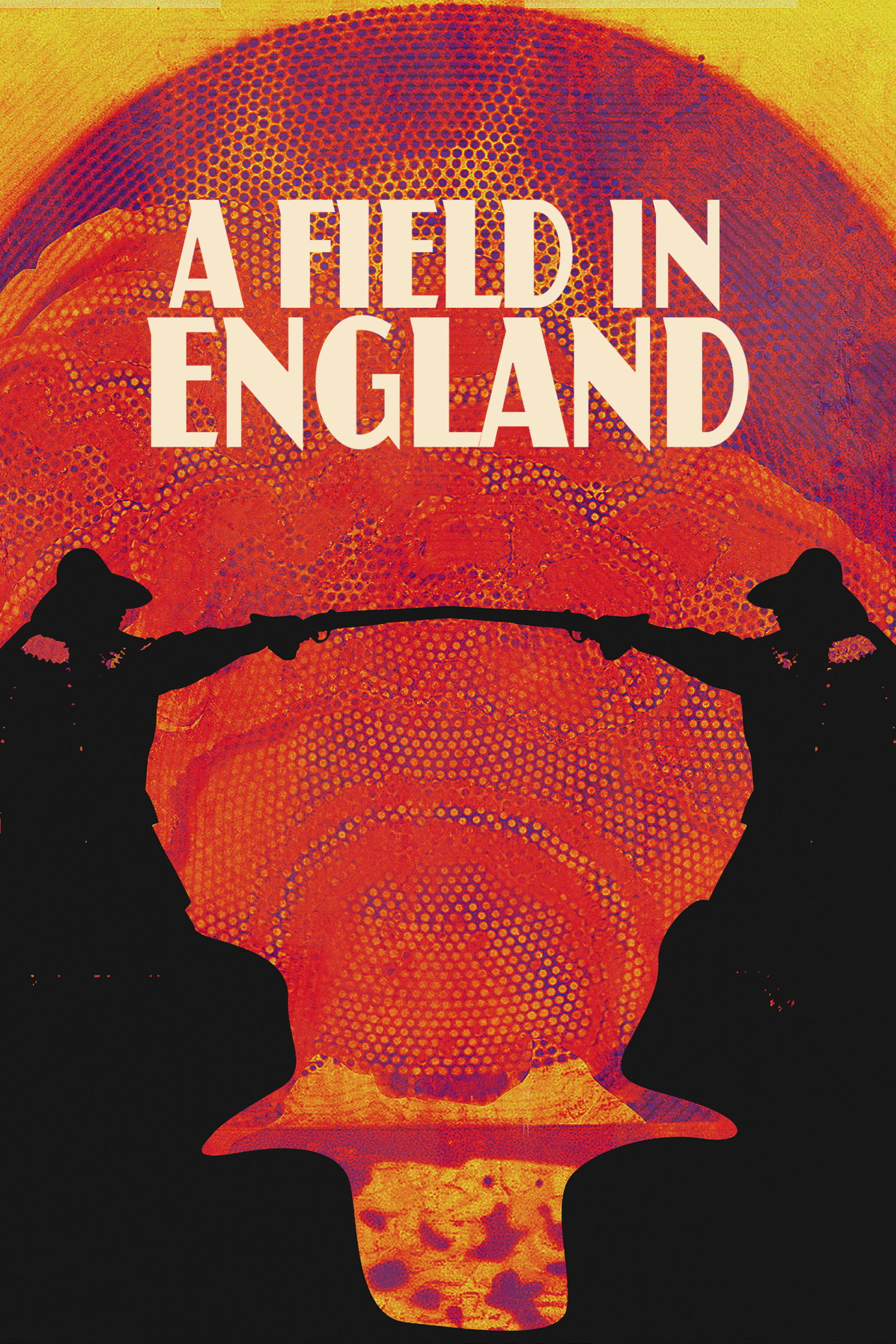
A Field in England poster

A Field in England

2013 · Black-and-white folk horror with filthy jokes and little interest in reassuring explanations