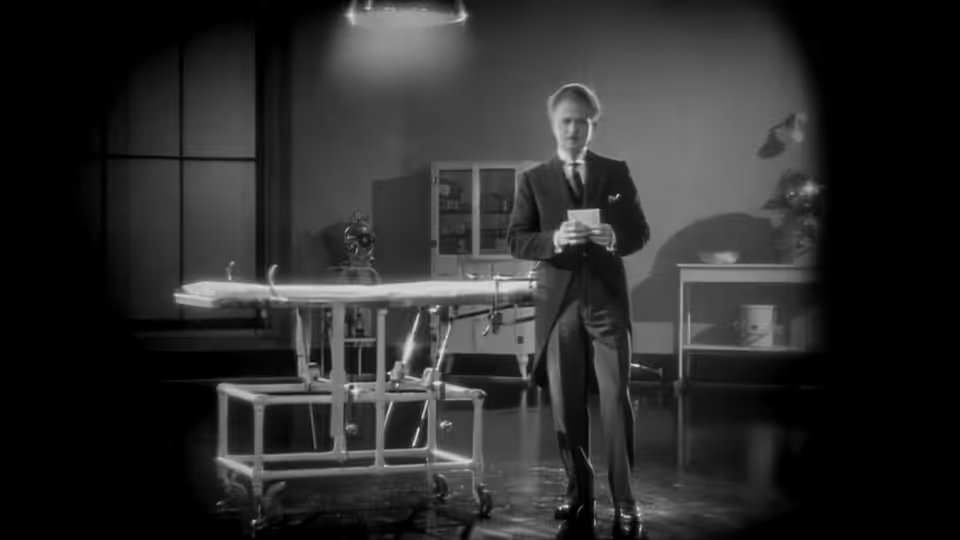
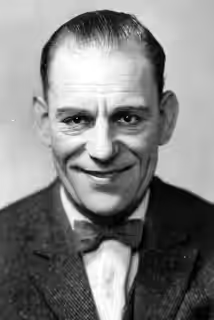
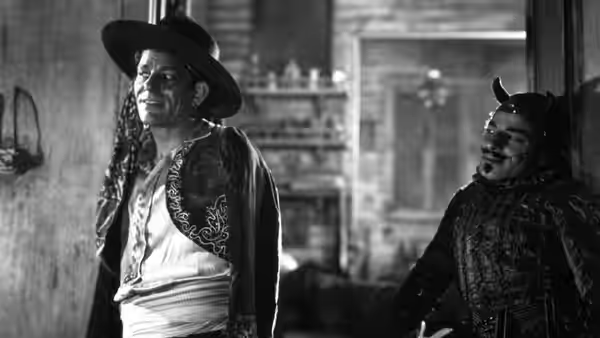
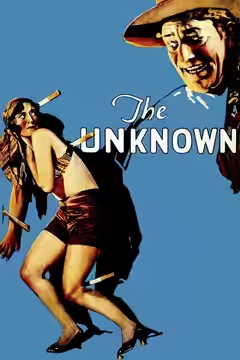
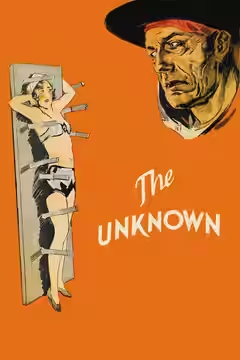
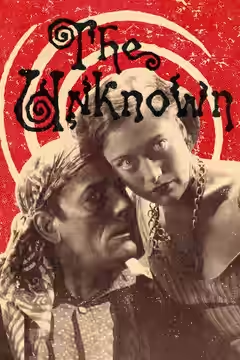
Lon Chaney makes Tod Browning’s psychological horror worth the discomfort. The supporting characters are thinner than they should be, but The Unknown keeps us uncomfortably absorbed in Alonzo.
The Unknown is an unsettling psychological horror, carried by a performance worth making time for. Tod Browning asks us to take the feelings in this romance seriously, however uncomfortable they become. Lon Chaney, playing Alonzo, makes that possible without making it pleasant. We recommend the film, with a reservation about the thinner characters around him. Its appeal depends on our willingness to spend time with someone whose feelings are becoming difficult to bear.
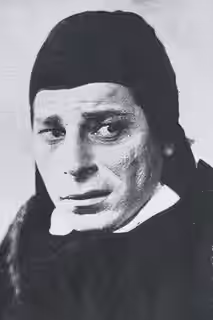
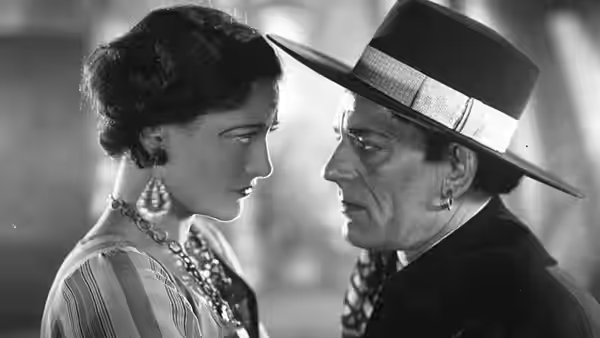
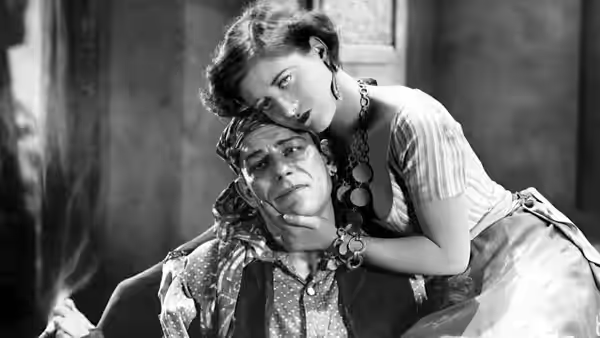
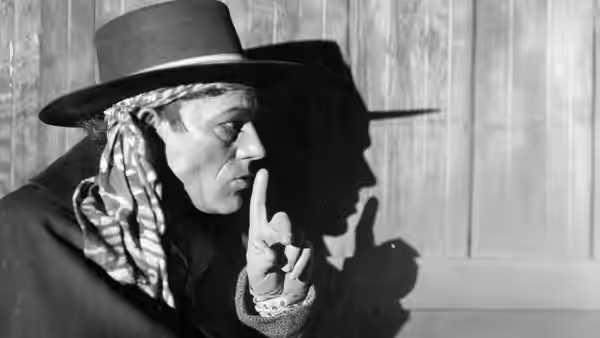
We found Lon Chaney’s Alonzo unsettling. The intensity of the performance makes his feelings seem painfully difficult to contain, and watching him becomes uncomfortable long before our interest begins to flag. That discomfort is a large part of the pleasure of psychological horror. We want the acting to draw us closer, even when the character makes us uneasy. Here it does, without our attention drifting towards the actor’s effort.
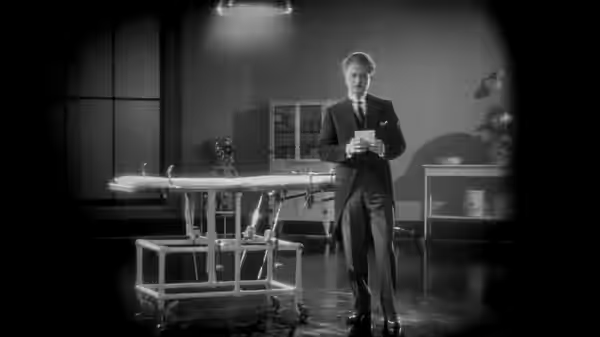
Merritt B. Gerstad’s cinematography serves that performance well. We remain absorbed in Alonzo, without finding ourselves distracted by the photography or wishing it would give the actor more room. A horror film can become so concerned with making impressive images that its people cease to matter. That does not happen here. Lucia Coulter’s costume design is similarly well judged, belonging to the heightened drama without demanding a separate round of admiration.
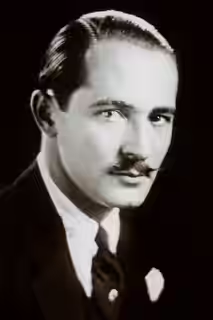
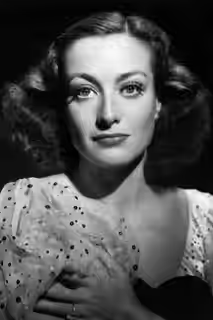
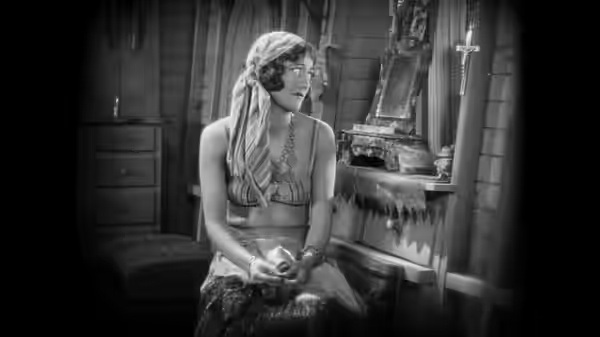
Joan Crawford, as Nanon Zanzi, provides welcome relief from Alonzo’s intensity, although we want a fuller character for her. Norman Kerry’s Malabar is less compelling. The imbalance matters in a romance, where our interest ought to extend beyond the most forceful performance. Waldemar Young’s screenplay, from a story by Tod Browning, does not always give us enough to care about in these people separately. Too often we are waiting to return to Alonzo, rather than becoming curious about anyone else.
Errol Taggart and Harry Reynolds are credited with the editing, and the pace is generally well judged. The 68-minute running time allows the discomfort to develop without making the film feel laborious. Some of the emotional emphasis does become repetitive, though. We occasionally feel that a point has been pressed after the acting has already made it clear. Those stretches are brief enough not to spoil the film’s hold on our attention.
Within psychological horror, the attraction here is the opportunity to study someone we cannot comfortably dismiss. We do not need to find Alonzo sympathetic to remain interested in him. Lon Chaney makes that distinction matter, sustaining our curiosity without asking us to approve. The film is persuasive about the unpleasantness of intense feeling, even when its romance is less satisfying. Tod Browning trusts that such discomfort will keep us watching, and mostly earns that trust.
Choose it for Lon Chaney, with some tolerance for a romance that leaves its supporting characters underwritten. His performance gives us plenty to think about after the film is finished. Leave it for an evening when an uneasy account of love sounds more inviting than a reassuring one.