Frant Gwo delivers imposing science-fiction spectacle, but tangled exposition and sidelined performances make 174 minutes feel longer. Worth considering for the effects, provided the characters are not the main attraction.
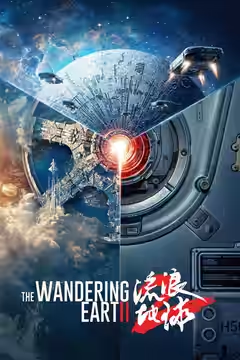
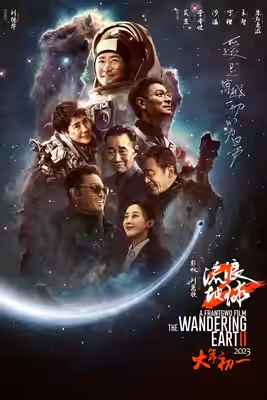
Frant Gwo’s The Wandering Earth II is worth considering for its science-fiction action, provided patience is part of the evening’s plan. At 174 minutes, it gives its effects plenty of opportunity to impress and its exposition rather too much opportunity to interfere. The ambition is welcome, as is the confidence that an audience will take a complicated science-fiction story seriously. The trouble is how often the film stops to explain itself.
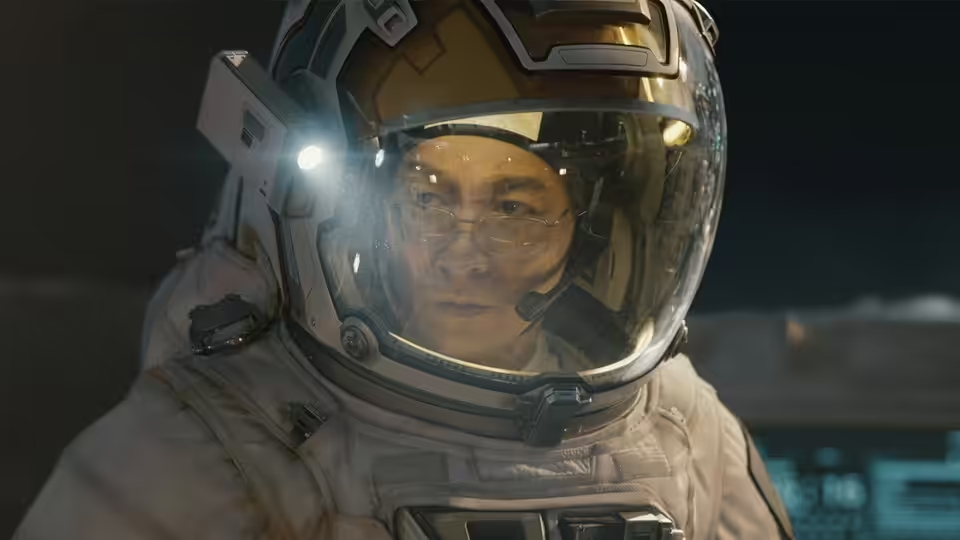
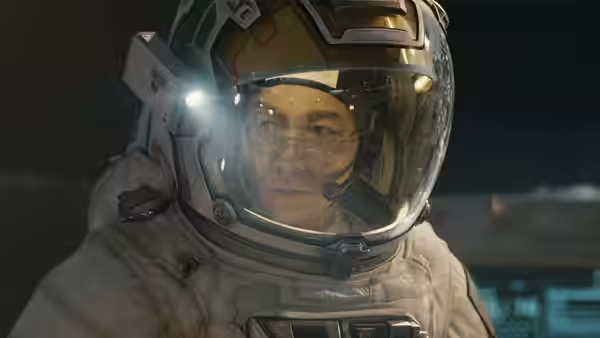
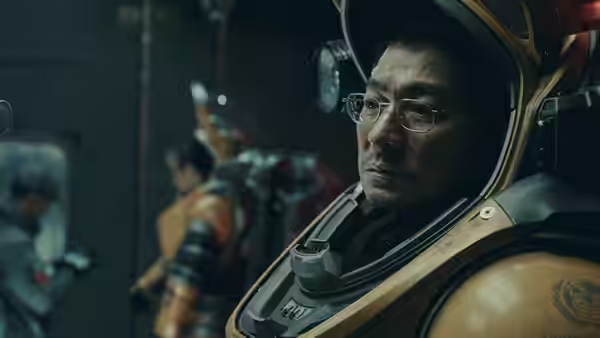
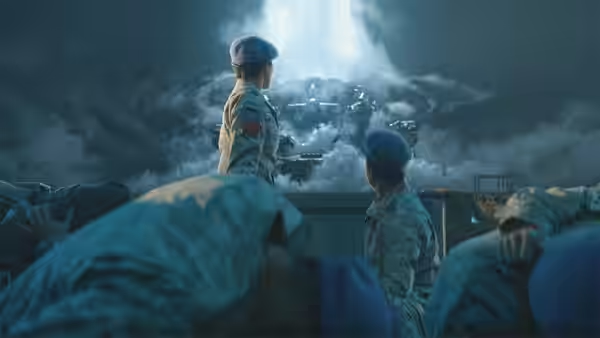
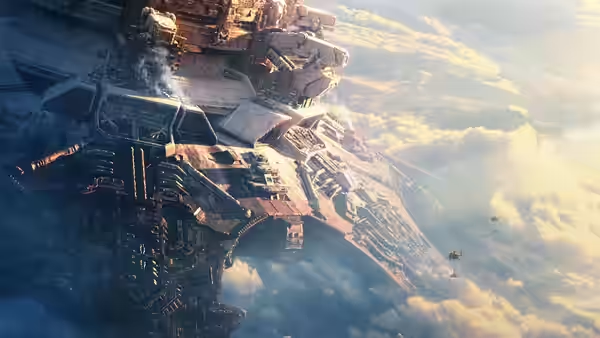
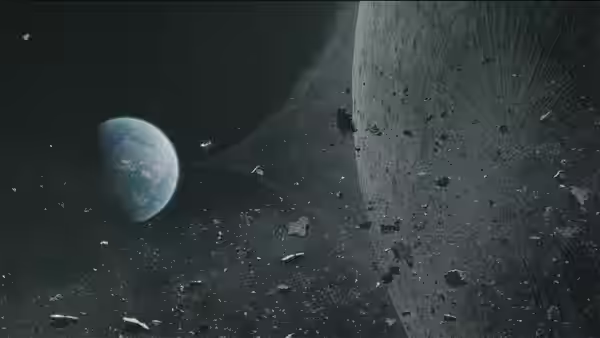
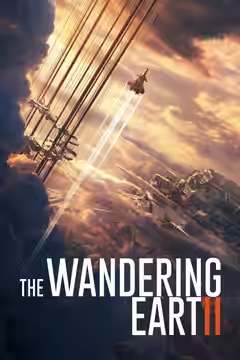
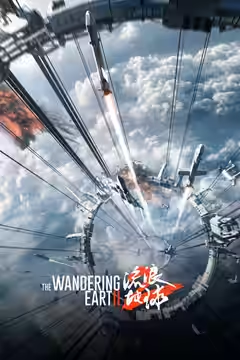
Michael Liu’s cinematography and Hanrui Wang’s production design contribute to a spectacle whose scale is its clearest achievement. The computer-generated action has enough conviction to hold attention even when the storytelling becomes cumbersome. We were excited by the effects, then frustrated by how quickly another stretch of explanation could let that excitement drain away. Gwo gives the set pieces an importance that the material surrounding them struggles to earn.
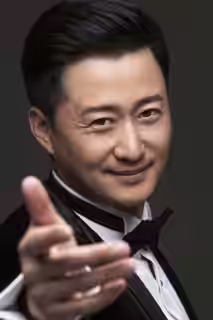
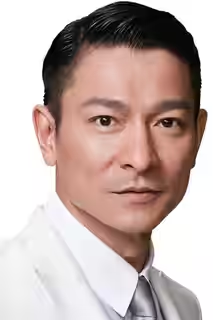
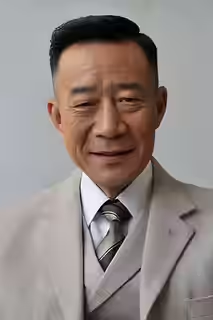
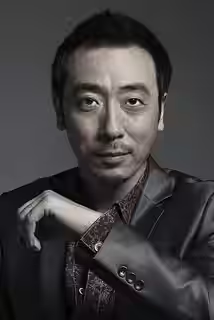
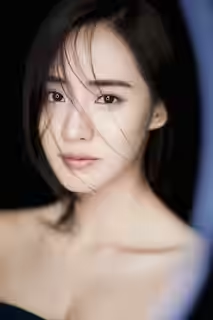
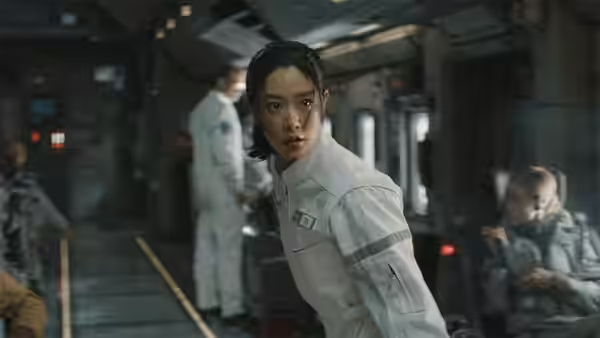
The performances suffer from that imbalance. Wu Jing plays Liu Peiqiang, Andy Lau plays Tu Hengyu and Li Xuejian plays Zhou Zhezhi, but the ensemble has to compete with the film’s appetite for another enormous incident. Too often, the actors have insufficient room to hold our attention before the spectacle takes over again. That becomes a practical problem for the action, since there is only so much interest to be had in watching impressive things happen to people we scarcely care about.
The screenplay is credited to Gong Geer, Frant Gwo, Ye Ruchang and Yang Zhixue, and it gives the audience a considerable amount to absorb. Some density is welcome in science fiction; there is pleasure in paying attention to an unfamiliar idea and gradually understanding it. Here, however, the explanations become burdensome without making the characters more interesting. Another set piece can begin to feel like a welcome break from the dialogue, which is a limited sort of involvement for a film this long.
Editors Ye Xiang and Cheung Ka-Fai have the difficult job of keeping all that action and explanation moving together. The set pieces deliver excitement, but the film never finds a comfortable rhythm around them, and its uneven tone adds to the strain. A shorter cut would help without necessarily solving the problem. The more important decision is how much explanation an audience needs before being allowed to enjoy what is happening.
Roc Chen supplies the music, though the film’s emotional distance is beyond anything a composer could repair. No score can give performers the time and attention that the surrounding film denies them. Against the standards of effects-led science fiction, the visual ambition is enough to distinguish this from something merely going through familiar motions. But the genre also needs curiosity about its people, particularly when it asks for nearly three hours of our company.
There is still sufficient pleasure in the action to make this a reasonable choice for an enthusiast. The effects are a substantial attraction, and the willingness to attempt so much deserves some patience, though not an unlimited supply. Allow for a long evening and stretches when following the explanations feels unnecessarily laborious. If the characters matter more to the evening than the spectacle, choose something else.