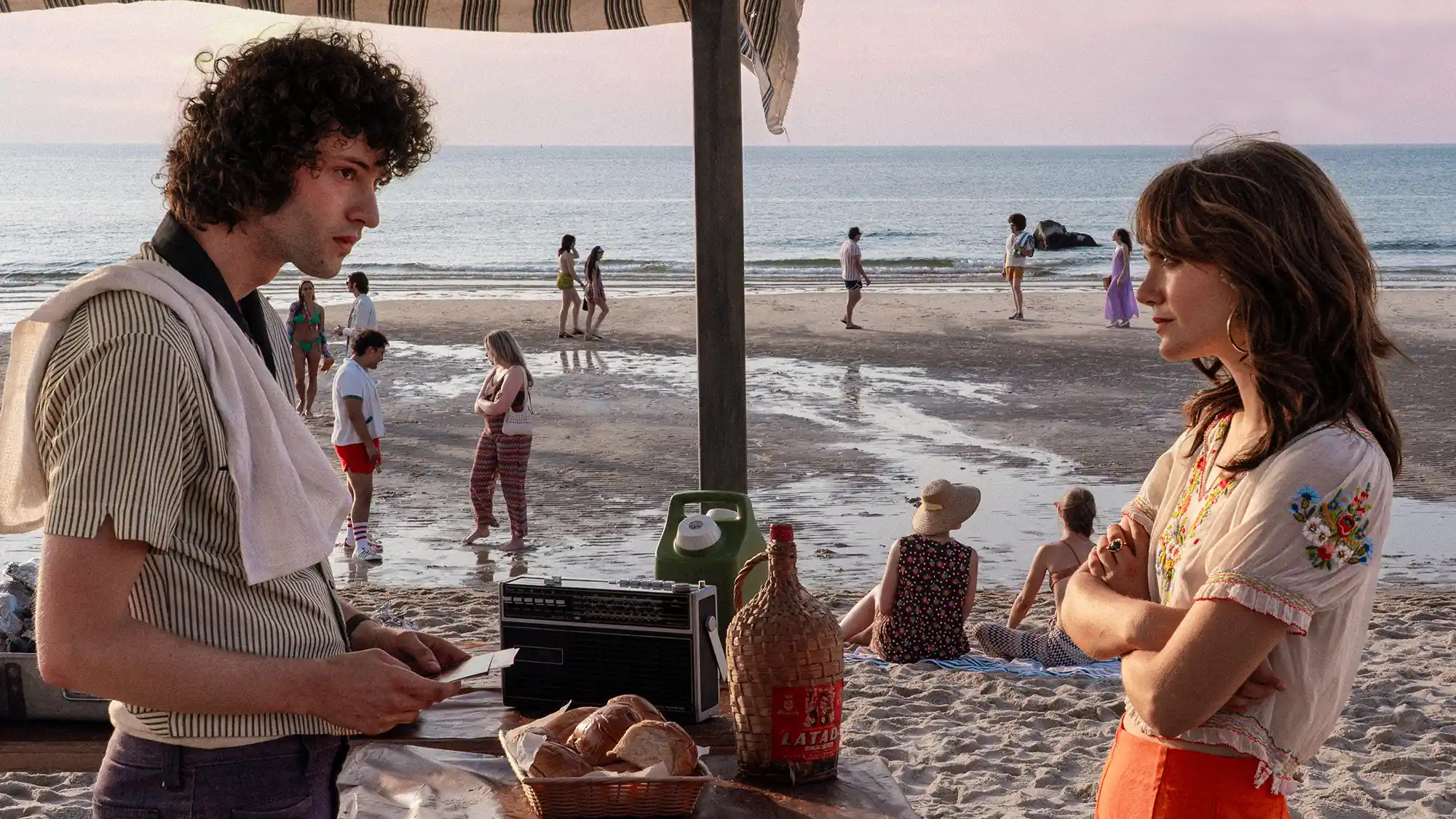
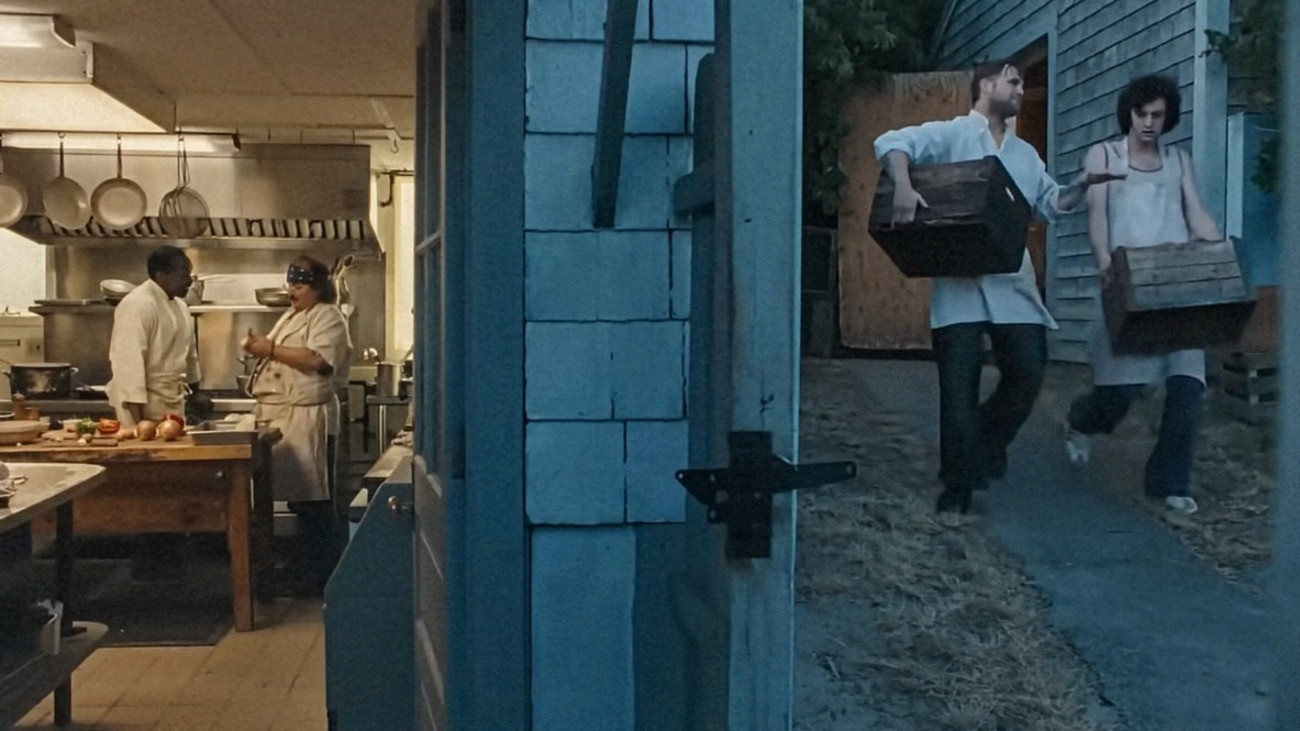
Dominic Sessa gives Tony its bite, playing a young Anthony Bourdain whose confidence exceeds his usefulness. Matt Johnson makes the kitchen work funny and affecting, though the familiar growing-up story leaves too little space for its women.
Matt Johnson’s Tony is worth an evening for its performances and its busy, funny kitchen scenes. Beyond them, the growing-up story is familiar and sometimes thin. It takes a small part of Anthony Bourdain’s youth and lets a kitchen job occupy most of our attention, rather than marching through the achievements of a famous life. That modest scope suits a young man who wants to write and has plenty to say before he has much experience worth sharing. No knowledge of Bourdain is needed to recognise the type.
Dominic Sessa plays Tony as a young man whose quick speech cannot quite conceal how unsure he is. He makes the arrogance funny by showing how much effort Tony puts into it, as though an unguarded moment might undo him. We laughed at the swagger, then felt unexpectedly sorry for him. The defensive scowl and the fast talk suggest somebody desperate to impress, and Sessa lets us recognise that need without making the behaviour any less tiresome.
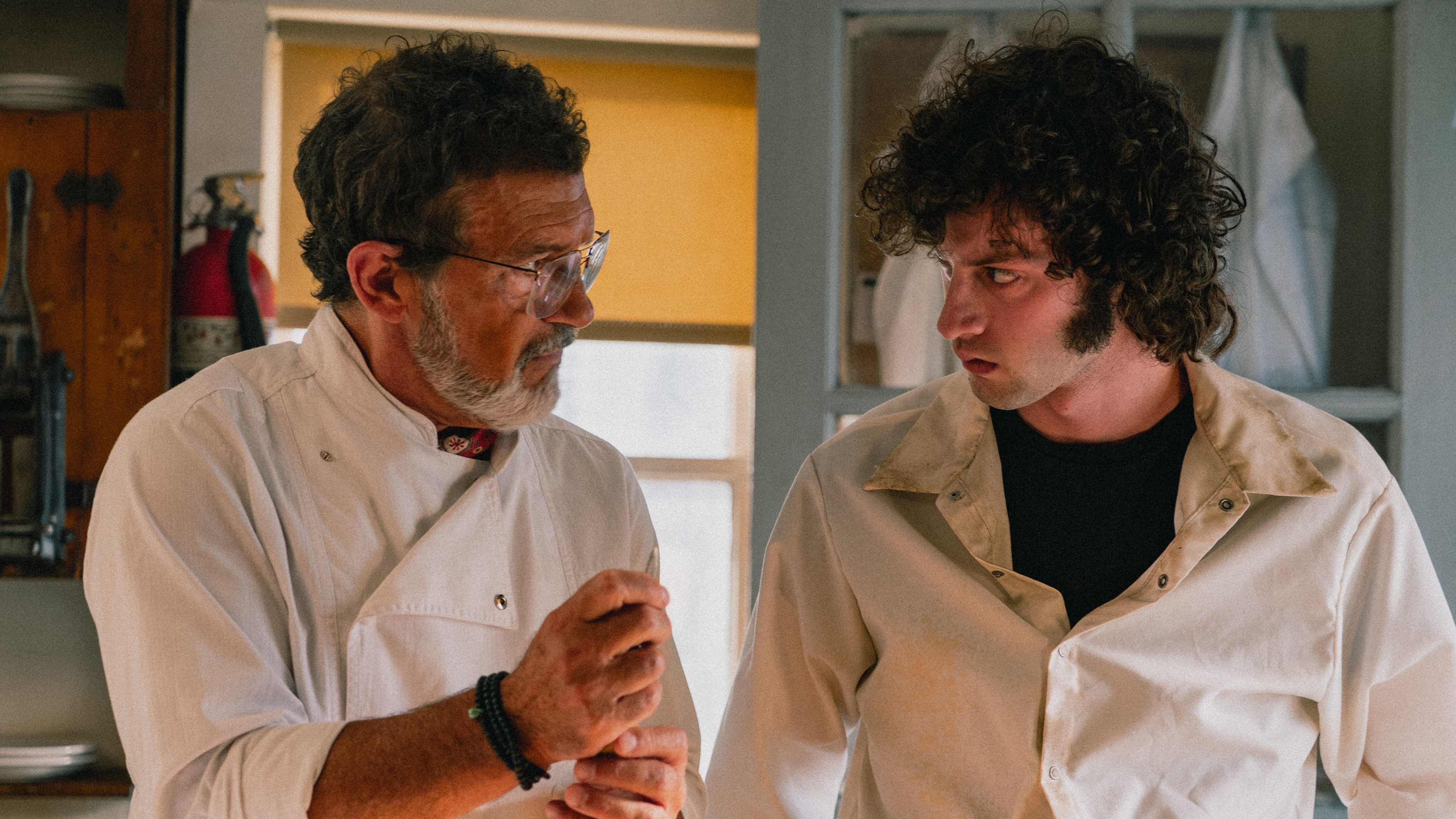
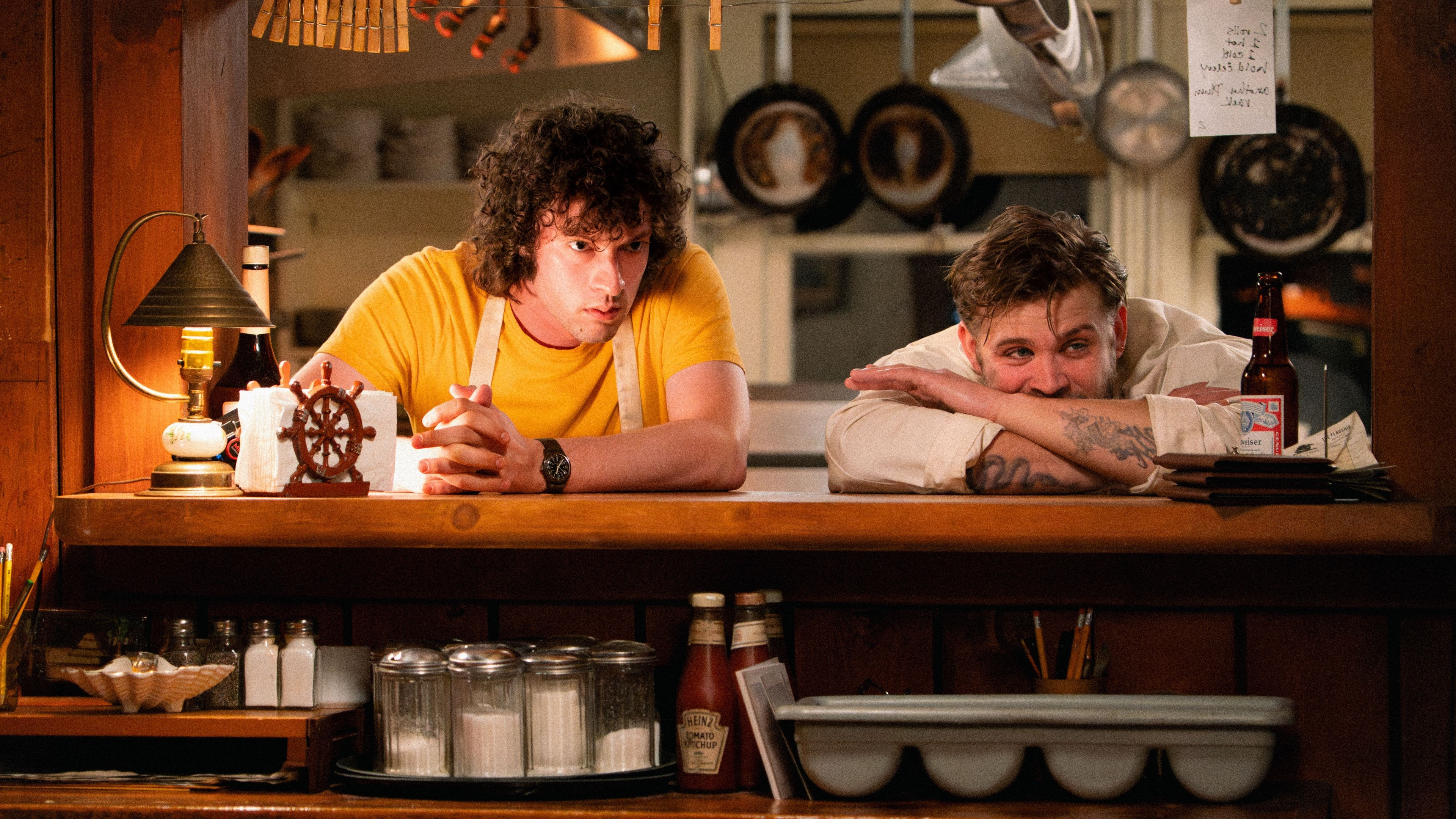
Antonio Banderas, as Chef, gives Sessa useful resistance. Banderas finds some sadness in the mentor role, enough to keep Chef from becoming merely the man who supplies a useful lesson. Leo Woodall’s Sal offers another example for Tony to follow, brash enough to make an impression on somebody already inclined towards showing off. The supporting performances make Tony’s interest in the people around him credible.
Michael Bauman’s cinematography makes the kitchen activity easy to follow, and Ryan Warren Smith’s production design makes the place convincing as somewhere people work. There is pleasure in watching a job being done, even when the people doing it are abrasive. Curt Lobb and Robert Upchurch cut the kitchen montages briskly enough to suggest Tony’s attention sharpening, without making the work feel incidental to his education. Jay McCarrol’s music keeps the mood light, occasionally lighter than Tony’s unhappiness warrants. These passages give his interest in the kitchen more substance than another speech about finding himself would have done.
The women get much less help from the writing. Writers Todd Bartels, Lou Howe, Matt Johnson and Matthew Miller give the men room to be irritating, funny and uncertain. Emilia Jones’s Nancy has too little to compete with the kitchen company, and the women matter chiefly for what they contribute to Tony’s development. A film so alert to its young hero’s pretensions ought to be more curious about the people who accommodate them.
The storytelling is more conventional than the abrasive humour initially suggests. Learning humility through work and meeting an older mentor are dependable coming-of-age material, and the film does not always find a fresh reason to return to them. Its narrow focus avoids the usual procession of biographical milestones, but it also leaves some stretches short of incident. Sessa can hold our attention even when Tony seems to be learning much the same lesson again.
At 106 minutes, Tony does not overstay its welcome. We recommend it to anyone with an appetite for awkward character comedy, with the warning that its curiosity about people is uneven. Those who have spent enough time indulging a clever young man’s moods may reasonably prefer a night off.