Catherine Deneuve gives Trophy Wife the wit and confidence its lightweight feminism needs. François Ozon’s comedy is worth an evening for the performances and cheerfully bad taste, though its treatment of power is rather too comfortable.
Trophy Wife is a good-natured comedy with enough wit to make its thin treatment of women’s independence worth forgiving. François Ozon writes and directs a story in which an overlooked wife’s competence becomes the basis for a change in her fortunes. We recommend it for Catherine Deneuve, who gives Suzanne Pujol enough intelligence to make that change convincing. The factory gives her a chance to exercise authority, and the film enjoys watching her take it.
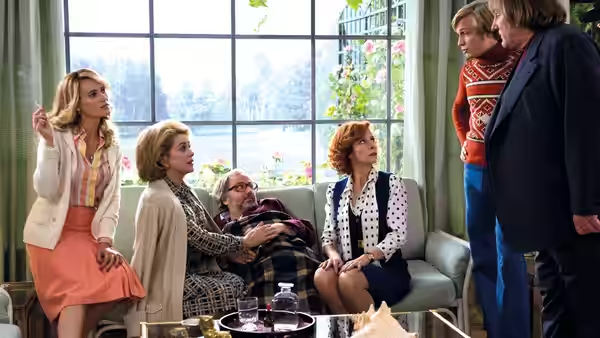
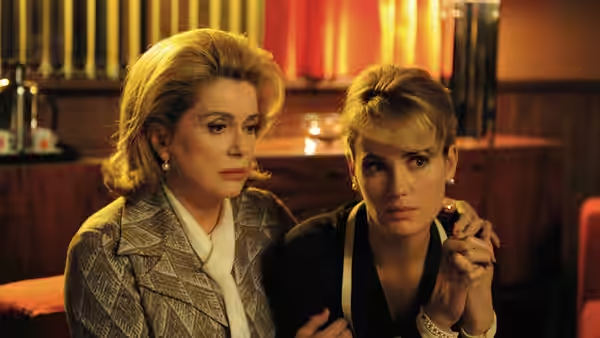
The performance matters because Suzanne could easily become a collection of approved qualities: patient, capable, right about everything. Catherine Deneuve makes her good humour interesting, suggesting that being underestimated need not mean failing to understand the people doing it. We warmed to her more than we expected. Her pleasure in discovering her own abilities gives the factory story a human reason to matter, without treating her earlier confinement as proof of stupidity.
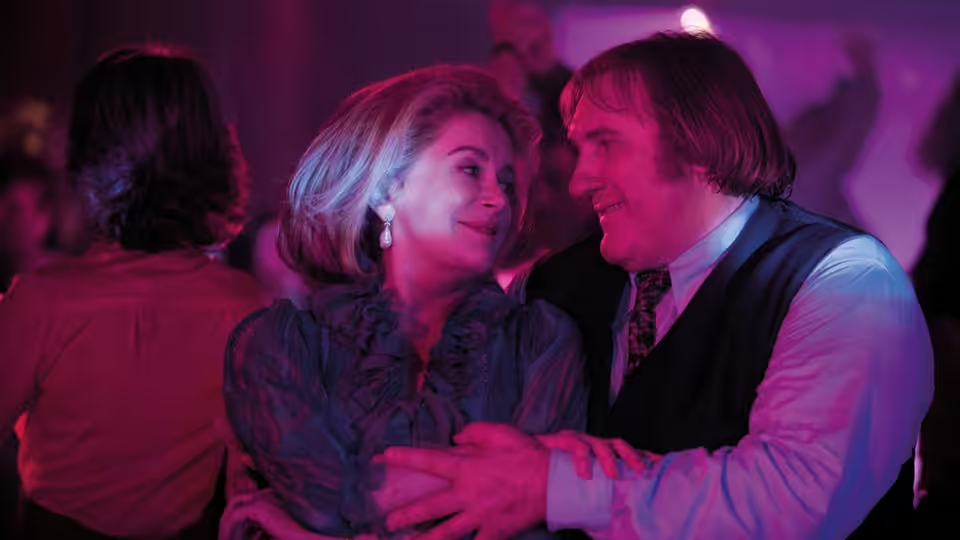
Gérard Depardieu, as Maurice Babin, gives her a partner with whom the warmth feels credible. Their chemistry helps the relationship comedy avoid becoming an interruption to the business of proving Suzanne’s worth. François Ozon lets broad humour coexist with recognisable feelings, and these exchanges give the film some patience with its people. Even when the social point is obvious, the ease between the performers keeps it from becoming a lesson.
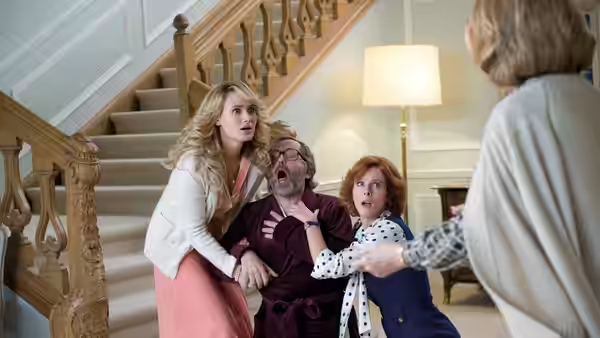
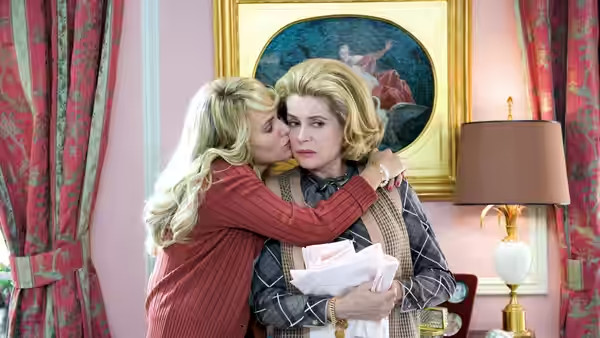
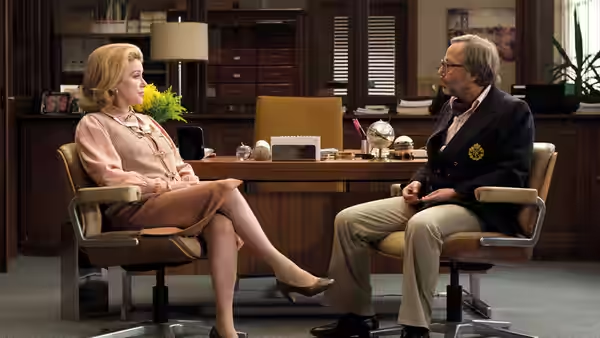
Katia Wyszkop’s production design supplies deliberately tacky period decoration, and the comedy benefits from how thoroughly it embraces that taste. Pascaline Chavanne’s costumes pursue the same excess, making clothes part of the joke before anyone needs to speak. We laughed at their extravagance, and at how comfortably the performers inhabit it. There is enough affection in the way these people are dressed to keep the visual jokes from turning cruel.
Yorick Le Saux’s cinematography serves that decorative excess without making the people seem incidental to it. The approach is agreeable, although we occasionally wanted the prettiness to give way to something less reassuring. Laure Gardette’s editing allows the broad performances room to register, while Philippe Rombi’s music helps sustain the buoyancy. These contributions make the film easy company, but they also reinforce the impression that nothing awkward will be allowed to trouble its good mood for long.
The limitation is the writing. François Ozon gives Suzanne’s competence plenty of comic value, but the suggestion that a better boss might be an adequate answer to women’s restricted lives is too easily accepted. The factory becomes a convenient place to demonstrate her worth, with little pressure placed on the cheerful belief that recognising her abilities will put things right. A comedy need not provide a political programme, but this one invites questions about power and then seems satisfied with fairly modest answers.
As a farce, it benefits from treating its people with some affection. They remain worth spending time with even when the exchanges are slight, and the jokes seldom depend on our despising them. At 103 minutes, it offers enough pleasure to justify an evening without requiring us to pretend its politics are searching. Go for the performances, and do not expect a searching account of working life.