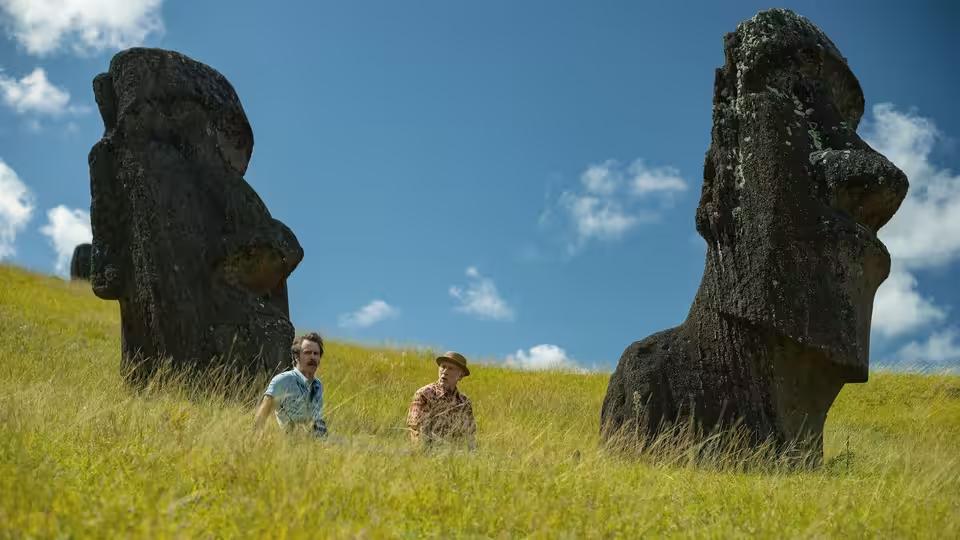
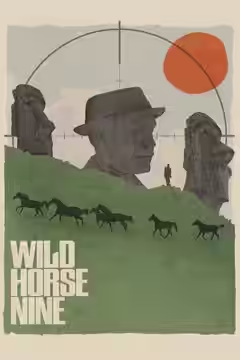
John Malkovich and Sam Rockwell give Martin McDonagh’s abrasive crime comedy its humour and much of its sadness. The political reckoning is less persuasive, but the performances make this worth an evening for those with a taste for uncomfortable laughter.
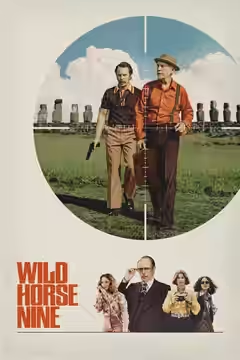
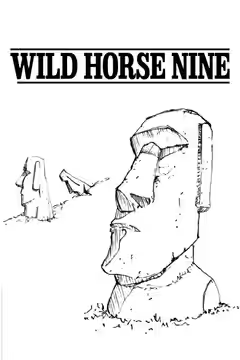
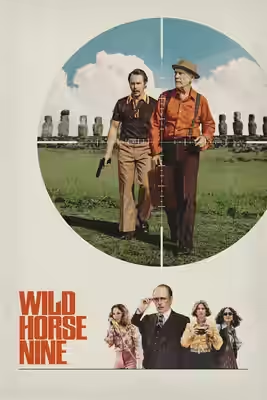
Wild Horse Nine is worth seeing for John Malkovich and Sam Rockwell, with a substantial reservation about how readily it solicits sympathy for its compromised men. Martin McDonagh writes and directs a crime comedy that wants its laughter to coexist with regret and political responsibility. The comedy comes more easily. When the film asks us to reconsider the men supplying it, the performances do more convincing than the writing.
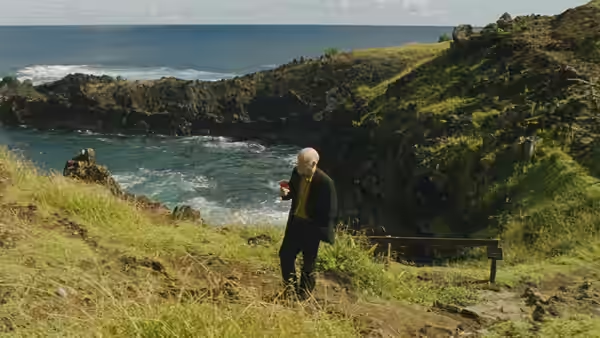
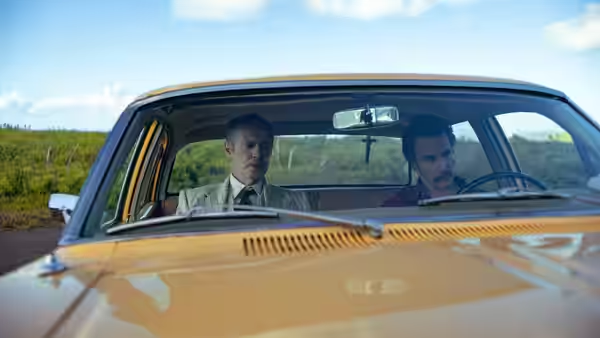
Malkovich plays Chris, and gives the film its strongest reason to persist through the uneven stretches. His caustic humour carries enough vulnerability to suggest something beyond another entertainingly unpleasant man. Buried regret matters here because it complicates the pleasure of his company without making him harmless. The performance holds those competing responses together more securely than the film holds together its personal sadness and its treatment of US foreign policy.
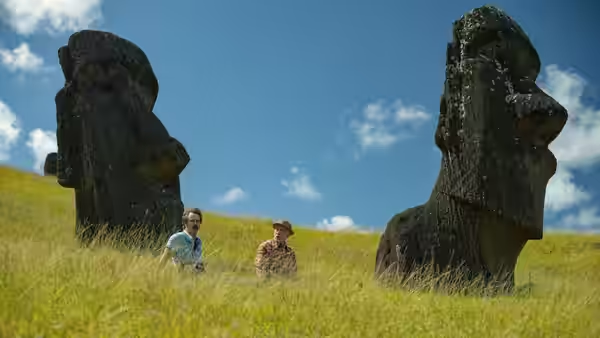
Rockwell’s Lee supplies the other half of a partnership that makes the dialogue worth attending to even when its provocations become familiar. We laughed at the caustic exchanges between Chris and Lee, then grew less comfortable with the sympathy being asked for them. That discomfort is productive when their companionship exposes their failings. It becomes less useful when the pleasure of their exchanges seems to be offered as sufficient reason to forgive them. Rockwell and Malkovich make the friendship persuasive enough for that distinction to matter.
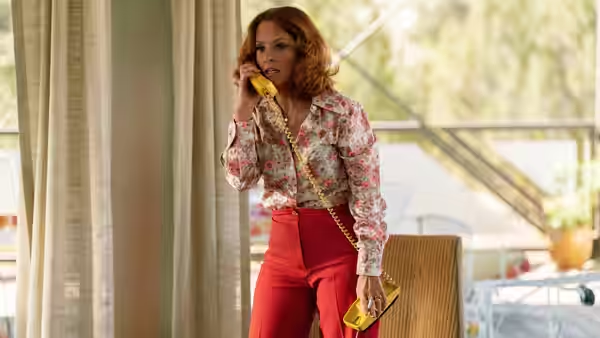
McDonagh’s dialogue remains the chief attraction in the writing: abrasive, lively and capable of admitting melancholy without abandoning the joke. Steve Buscemi, as MJ, contributes a welcome venom that keeps the supporting cast from becoming merely agreeable company. Yet some of the secondary business tips into silliness, and the women receive too little attention. A film asking us to think seriously about these men’s responsibility would benefit from giving people outside their friendship more room.
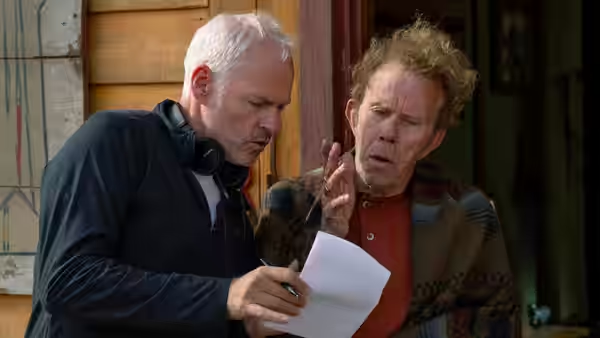
The credited craft team includes cinematographer Ben Davis, editor Mikkel E.G. Nielsen, composer Carter Burwell and production designer Denis Schnegg. The clearest reservation concerns the film’s length: at 117 minutes, its unevenness becomes wearing, especially when the banter cannot carry the surrounding material. Nielsen’s editing does not make the whole feel consistently purposeful. The performances maintain our interest through those stretches, but maintaining interest is a modest achievement beside the sharper comedy elsewhere.
Against the demands of a crime comedy, the film fares well: the companionship is entertaining and the humour has teeth. Its larger political ambitions require more complexity than the writing supplies. Historical atrocities cannot be adequately addressed by making the men associated with them amusing, regretful or sad, however skilfully those feelings are played. McDonagh does not entirely evade that problem, but neither does he settle it through the emotional force of the friendship.
There is enough here to recommend, particularly for an appetite already inclined towards abrasive dialogue and morally awkward company. Malkovich gives the melancholy weight, while Rockwell makes the central relationship feel worth the time spent on it. Go for their exchanges; keep a little distance when the film starts asking for absolution.