Film review

Wind River

2017 · Directed by Taylor Sheridan · 1h 47m · MPA R

In a sentenceWe would happily watch Jeremy Renner read tracks in the snow without anyone explaining what grief means

CrimeMysteryThriller

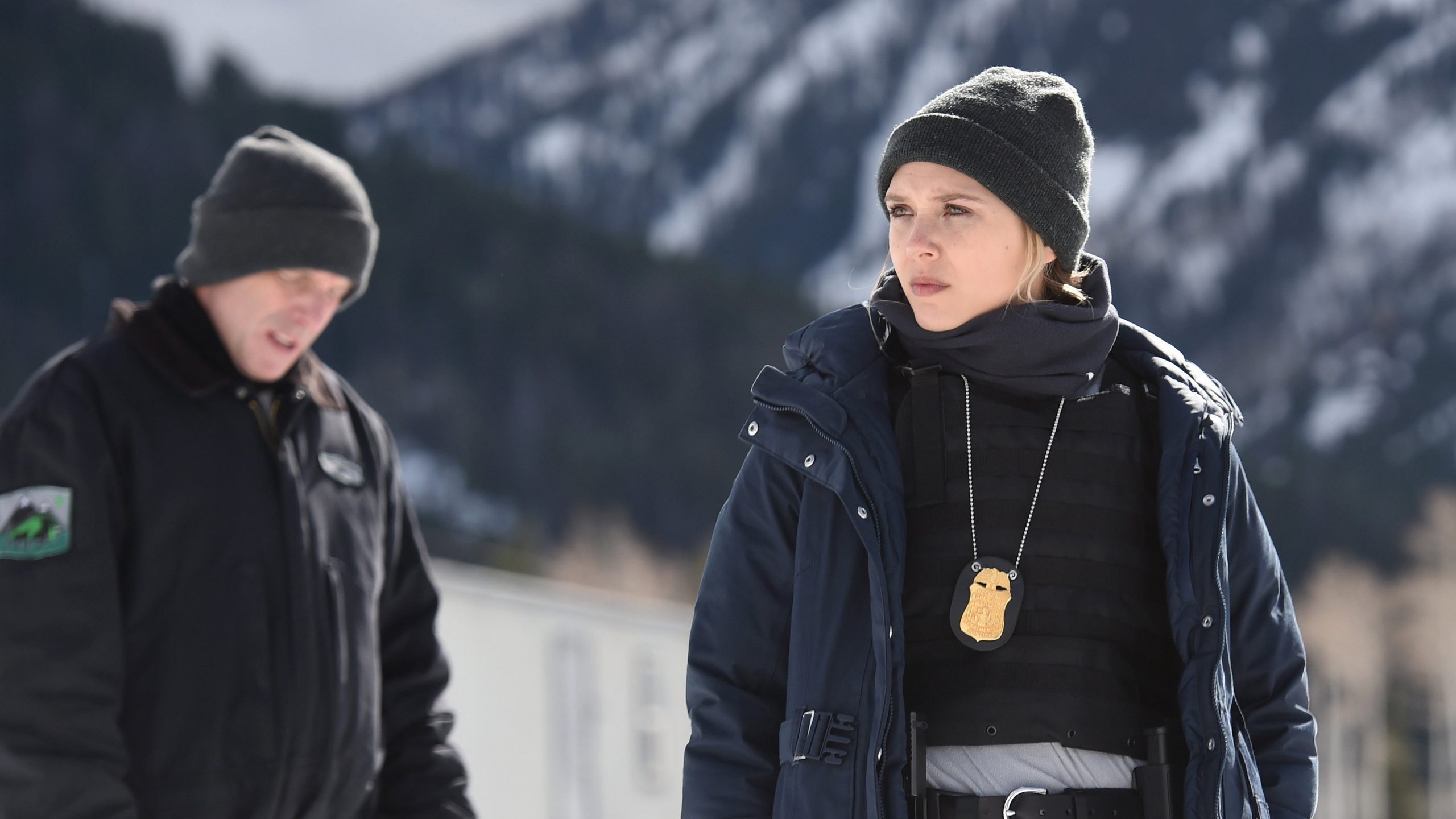
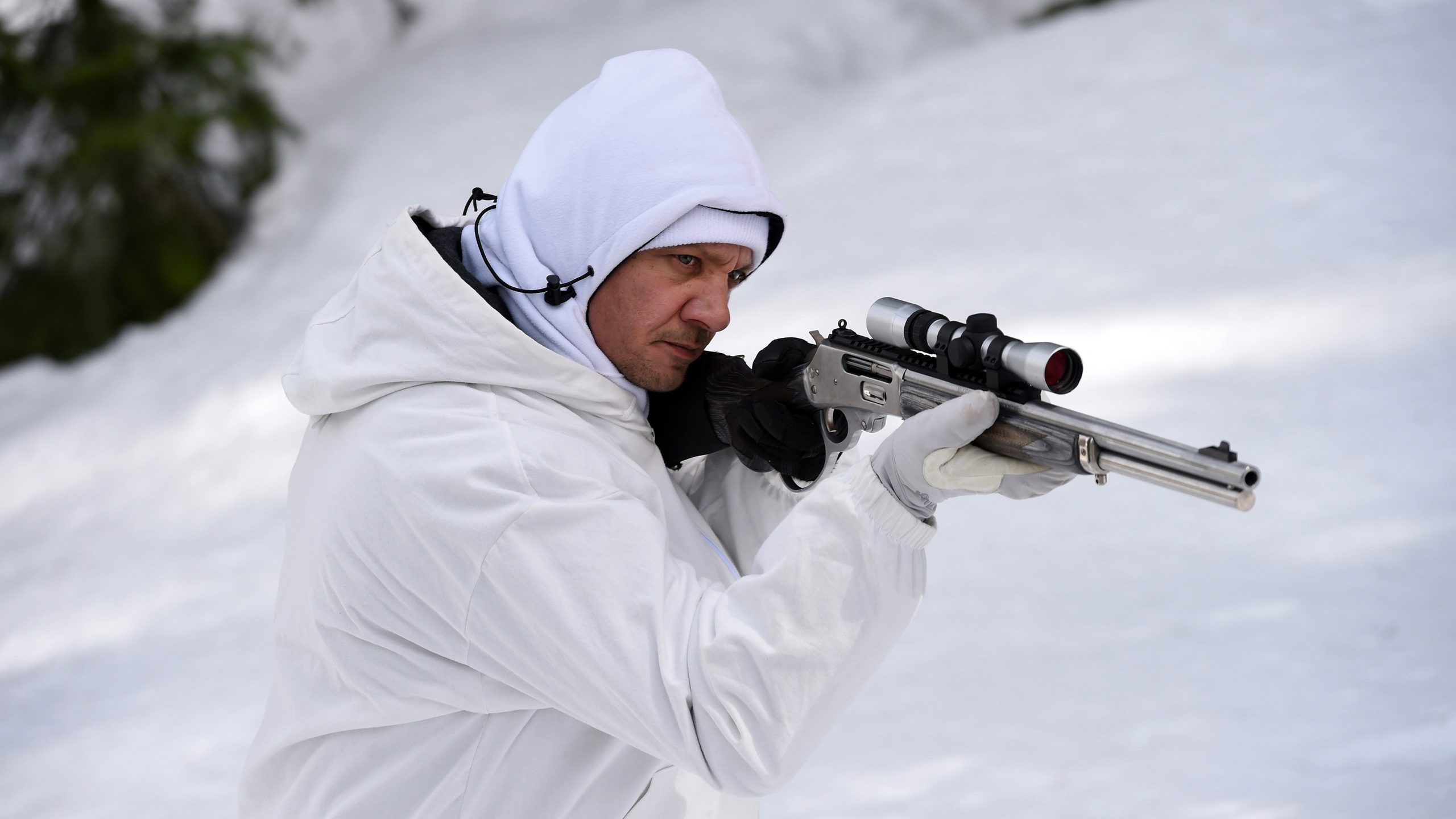
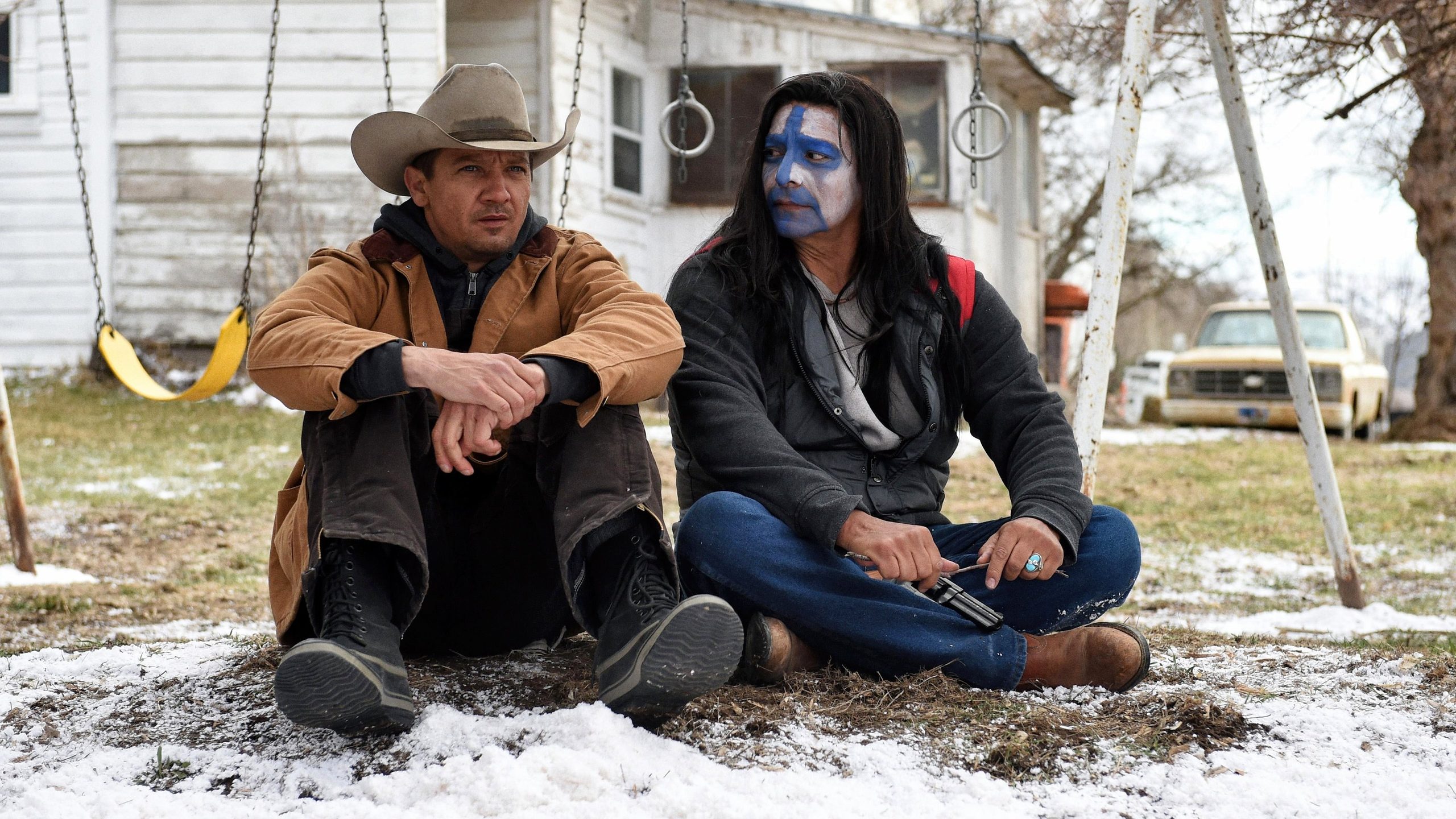
A murder on a Native American reservation in Wyoming draws Cory Lambert (Jeremy Renner) and FBI agent Jane Banner (Elizabeth Olsen) into an investigation across snowbound country. Jane wants to establish what happened, but the reservation’s isolation complicates the work, while the case exposes the limited protection afforded to its people. Martin Hanson (Gil Birmingham) is among those whose grief the investigation brings into view. Tracks in the snow offer evidence, and conversations reveal how much goes unspoken. Cory and Jane must follow the clues through a landscape where the cold presents a danger of its own.

Plays from YouTube when you press play; nothing loads from them until then.

Fi1m review

Taylor Sheridan makes the snow and isolation frightening in a crime thriller carried by Jeremy Renner’s restraint. The speeches explain too much, but the performances give its familiar investigation a convincing weight of grief.

Wind River is a good, sombre crime thriller that occasionally talks itself into trouble. Writer-director Taylor Sheridan uses a murder investigation on a Wyoming reservation to examine grief, neglect and violence against Native American people. He also wants the satisfaction of an efficient thriller, with clues to follow and danger to anticipate. For much of its 107 minutes those aims sit comfortably together, though he too often interrupts the investigation to explain what the people and places have already shown us.

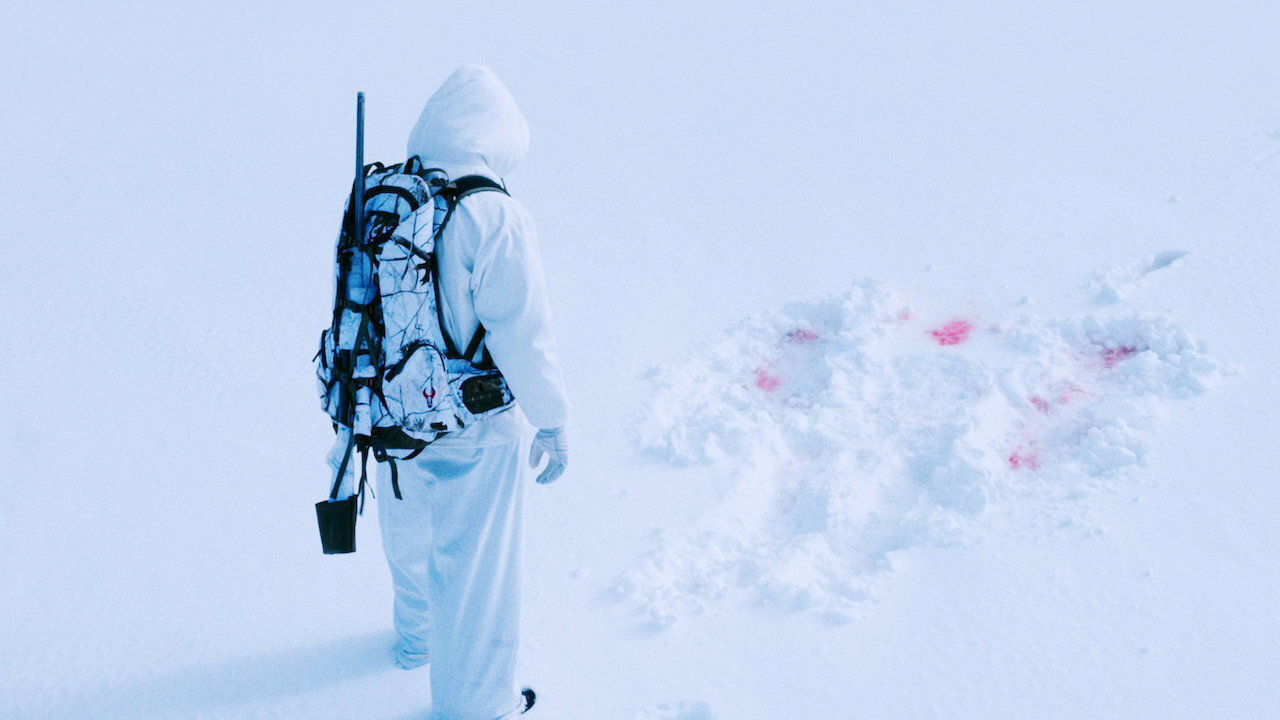
Ben Richardson’s cinematography lets the snow dominate, making distances look punishing before anybody needs to explain the cold. The open country gives us plenty to examine, and the attention paid to tracks makes looking carefully part of the pleasure. Neil Spisak’s production design keeps the inhabited spaces plain enough to belong to that country, without making deprivation picturesque. That restraint works: the surroundings suggest daily hardship without every detail demanding that we stop and acknowledge it.

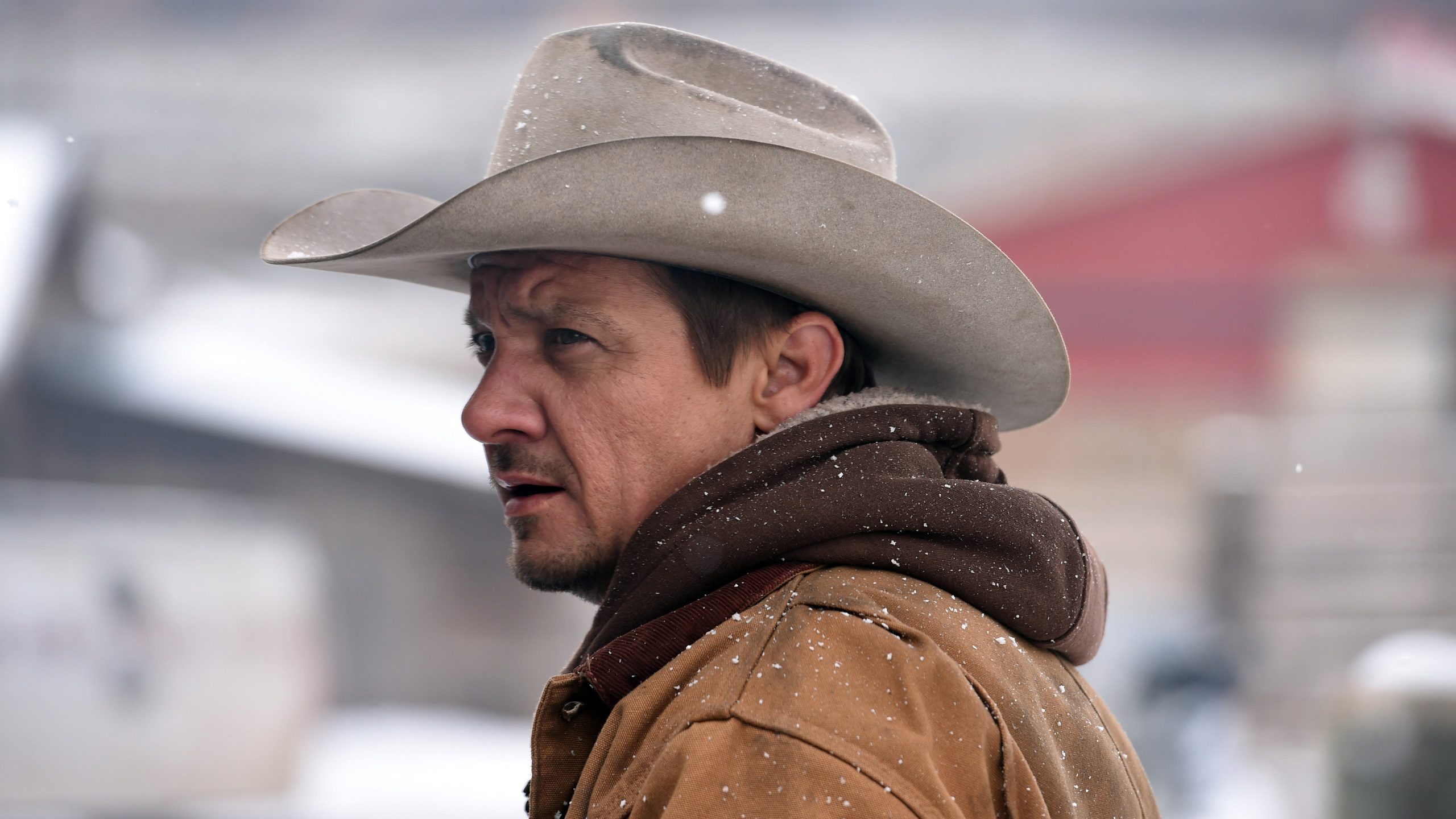
Jeremy Renner plays Cory Lambert with a concentration that makes watching him observe things interesting. His reserve is useful in a procedural, encouraging us to look harder because he appears to be doing the same. It becomes less convincing when the script asks him to deliver another settled truth about suffering, giving a guarded man an unlikely readiness to explain himself. His strongest work comes in the pauses around those statements, when he seems reluctant to say quite as much as the writer requires.

Gil Birmingham, as Martin Hanson, gives the grief a weight the dialogue cannot always manage. We were moved by his strained composure, by the visible effort involved in speaking without giving too much away. Graham Greene’s Ben adds a welcome dryness, keeping some ordinary human impatience in a film prone to solemnity. These supporting performances matter because they give the reservation people we remember individually, with feelings that extend beyond the immediate demands of the case.

Elizabeth Olsen does creditable work as Jane Banner, the FBI agent, although the writing gives her less to play. Her unfamiliarity with the place helps us follow the investigation, but too much of her role involves receiving information. We can believe her concern without learning enough about the person who feels it. The familiar crime-film arrangement, with an outsider asking questions and a more knowledgeable man providing answers, limits a character who needs more independence.

Gary D. Roach’s editing gives the attention to clues a satisfying rhythm, then has to accommodate the script’s longer explanations. Those pauses are where the tension slackens, because the next speech seldom tells us much we have not already understood. The score by Nick Cave and Warren Ellis is more effective at sustaining the sadness beneath the business of the investigation. Its mournfulness can press hard, but it suits the performances and keeps the suffering from being forgotten when there is evidence to discuss.

The western influence is useful here, particularly the importance given to knowing the country and recognising danger before it announces itself. Anyone drawn to patient crime stories should find enough in that attention to justify the occasional lecture. Be prepared for harsh violence, which makes this a poor choice for an undemanding evening. Give it the concentration that Jeremy Renner gives those tracks.

Critical consensus AI synthesised

70
Positive
19
Mixed
5
Negative
2

Most critics find Wind River a tense, affecting crime thriller, with praise concentrated on Jeremy Renner’s restrained performance and the harsh Wyoming landscape. The snow, silence and procedural detail give the investigation weight, while Taylor Sheridan’s handling of grief earns approval alongside the suspense. Several reviews also value its attention to Native American marginalisation, finding substance in the reservation setting rather than simply an unfamiliar backdrop.

The spread is wide, however, and even favourable reviews question the script’s tendency to explain its themes through earnest speeches. Character development and pacing draw further reservations, with some critics finding conventional thriller plotting where others see assured storytelling. Little White Lies argues that the reservation’s specificity goes insufficiently explored; the Evening Standard objects more sharply to the hero’s philosophising and the indulgence of vigilantism. The central disagreement is over whether the social concerns deepen the thriller or are poorly served by its familiar machinery.

Los Angeles Times
3 August 2017 · Kenneth Turan
90*

This tense, convincing independent film is the most accomplished violent thriller in quite some time, with gritty dialogue, authentic characters, and a stellar turn from Renner. Sheridan demonstrates a deep understanding of his own script through strong direction and storytelling.

Read the full review →
The Guardian
7 September 2017 · Peter Bradshaw
90*

The critic calls it a gripping, satisfying drama and a smart western forensic thriller with muscular confidence in storytelling. They single out the atmospheric snow and silence as central elements alongside strong performances from Renner and Olsen.

Read the full review →
The Telegraph
7 September 2017 · ★★★★
80

The review praises Sheridan's chilly noir for getting the riveting best out of Renner in a subtle, individual performance. It highlights the director as a rising talent navigating inhospitable ground effectively.

Read the full review →
Time Out
5 September 2017 · ★★★★ · Joshua Rothkopf
80

The review praises this lean, mean crime drama as a forlorn western that makes viewers sharper observers of clues and tracks. Sheridan’s sharp observations of Native American characters and tense, unsentimental style stand out as strengths.

Read the full review →
IndieWire
23 January 2017 · B · David Ehrlich
77

Sheridan steps behind the camera for his visceral but characteristically didactic directorial debut. Renner delivers an ice-cold cowboy performance in this solid noir.

Read the full review →
Radio Times
7.7/10 · Damon Wise
77

The film delivers a strong mix of politics and pulp addressing indifference to crime on Native American land, with a tense climax that works well. However, it falters with overly earnest talk and slightly patronising philosophising after a promising start.

Read the full review →

Cast

If you liked this, try…

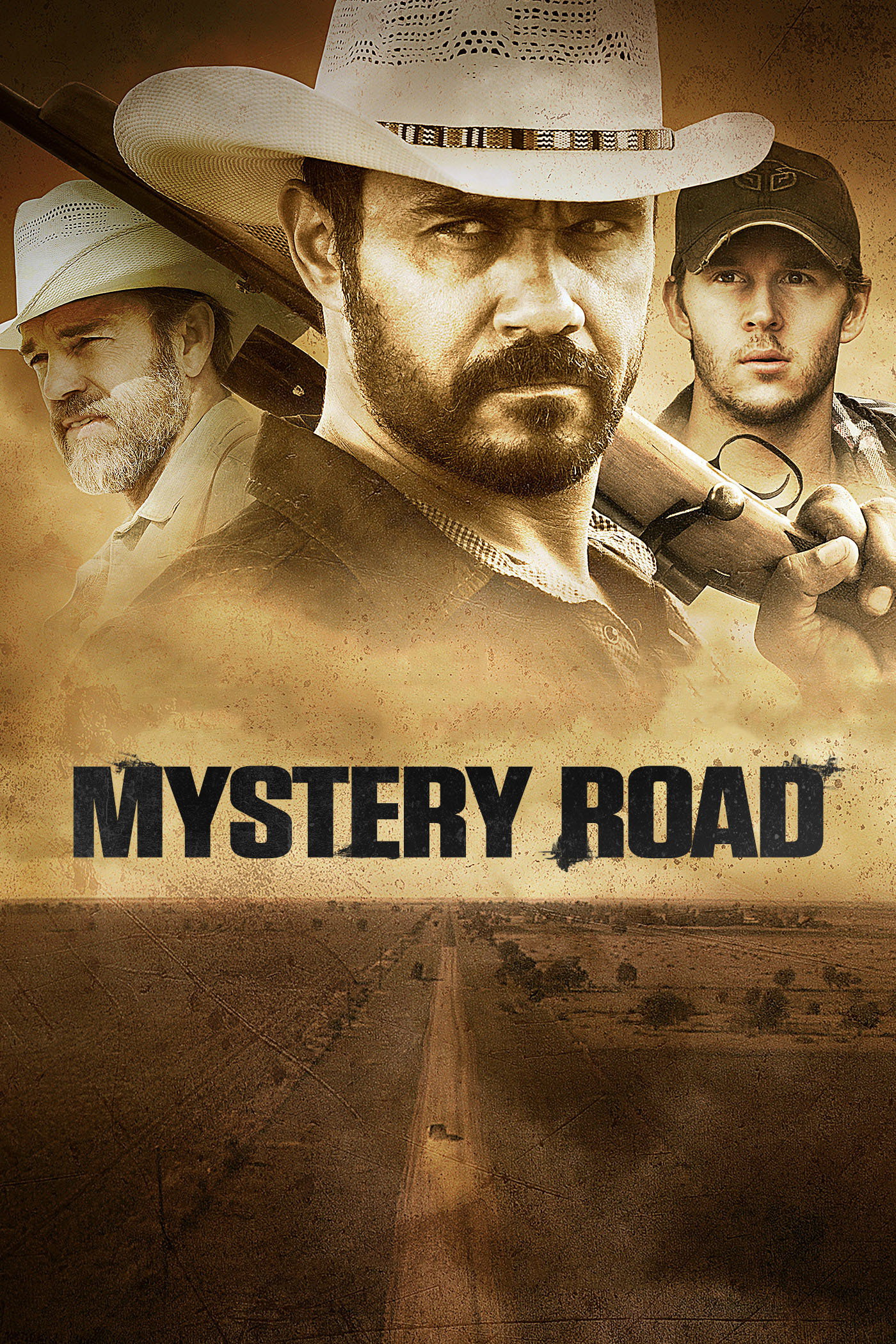
Mystery Road poster

Mystery Road

2013 · Another patient investigation where knowledge of the land matters as much as procedure.

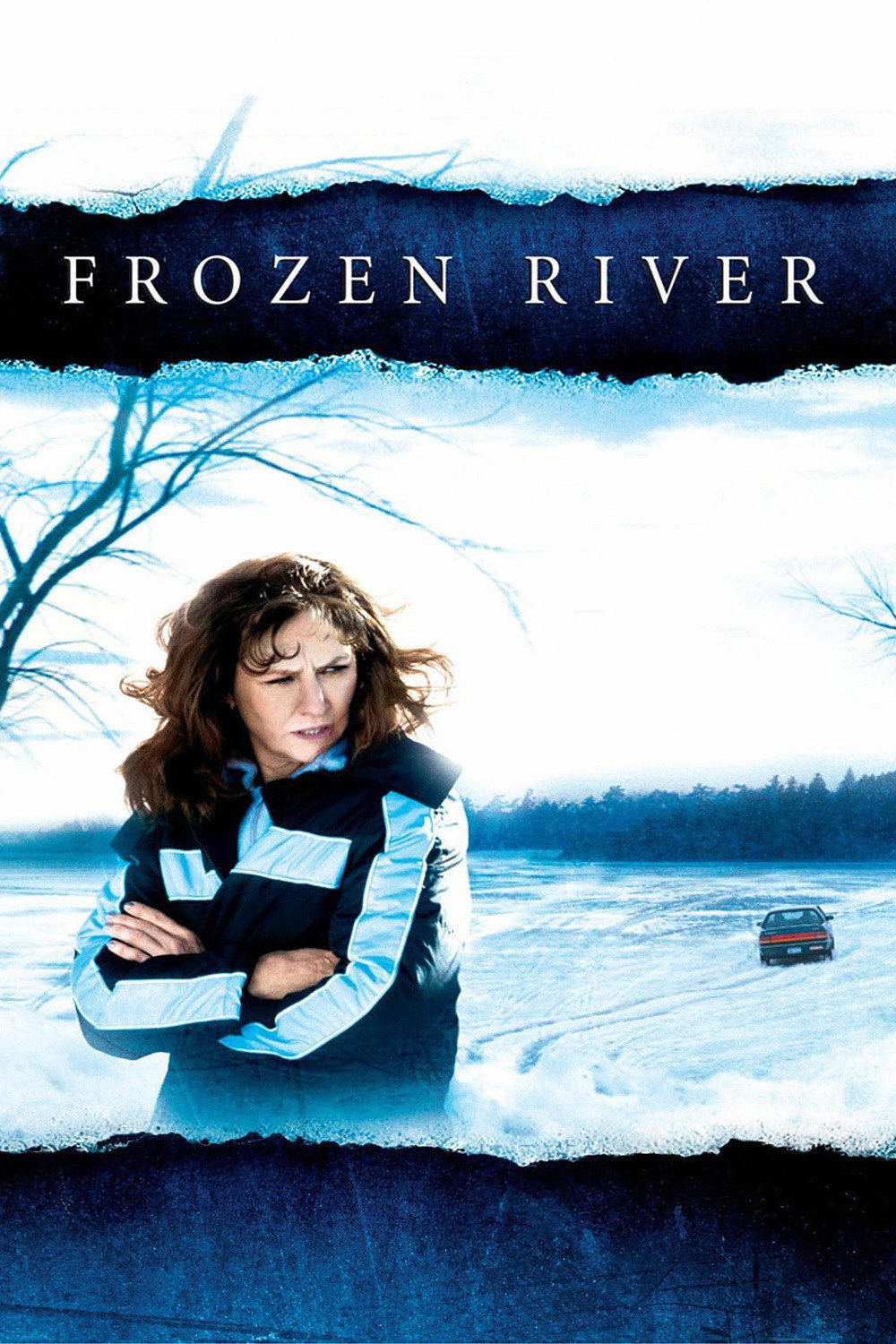
Frozen River poster

Frozen River

2008 · A small-scale crime story that gives economic desperation faces and difficult choices.

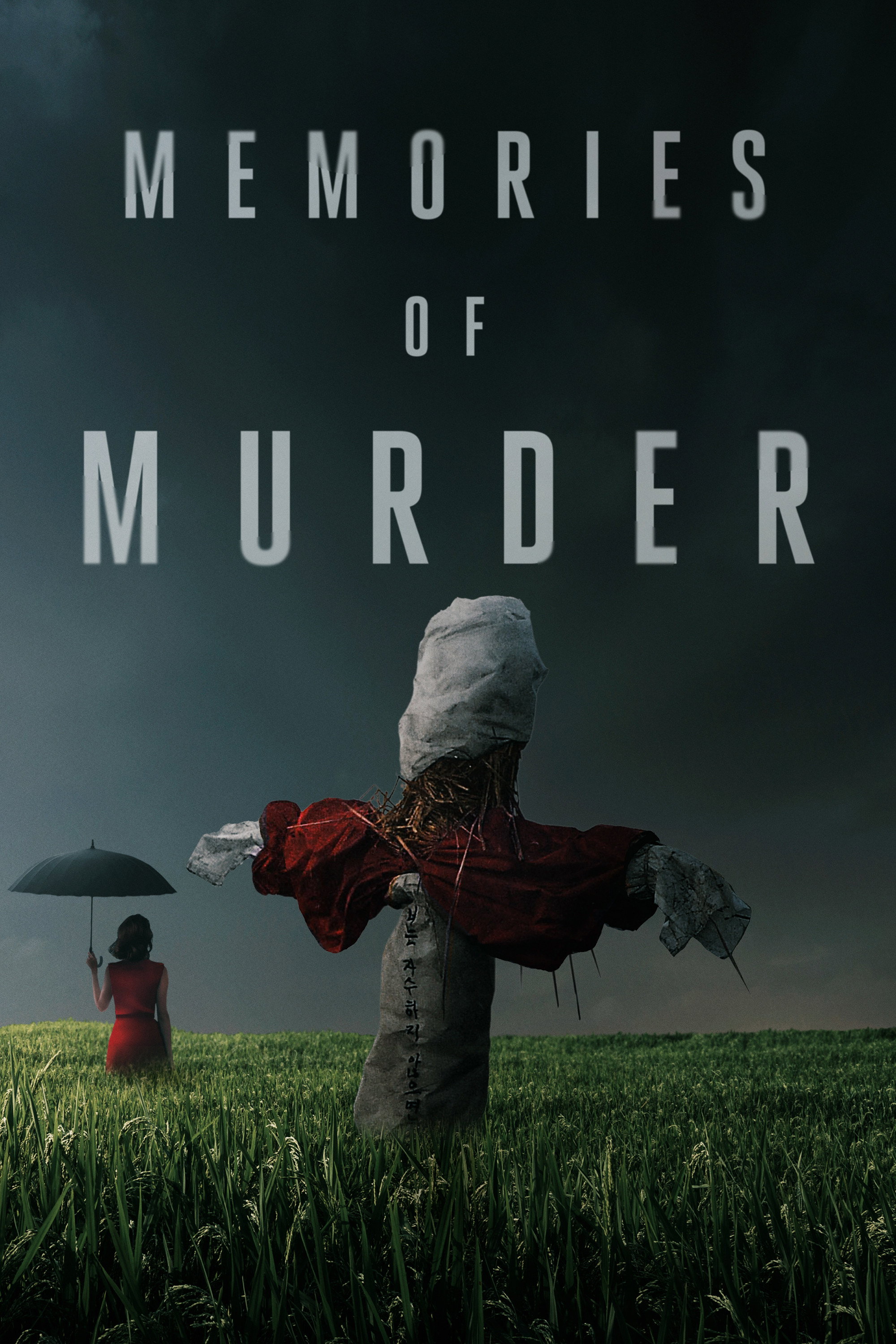
Memories of Murder poster

Memories of Murder

2003 · Rural police work and institutional failure, with more uneasy humour amid the dread.

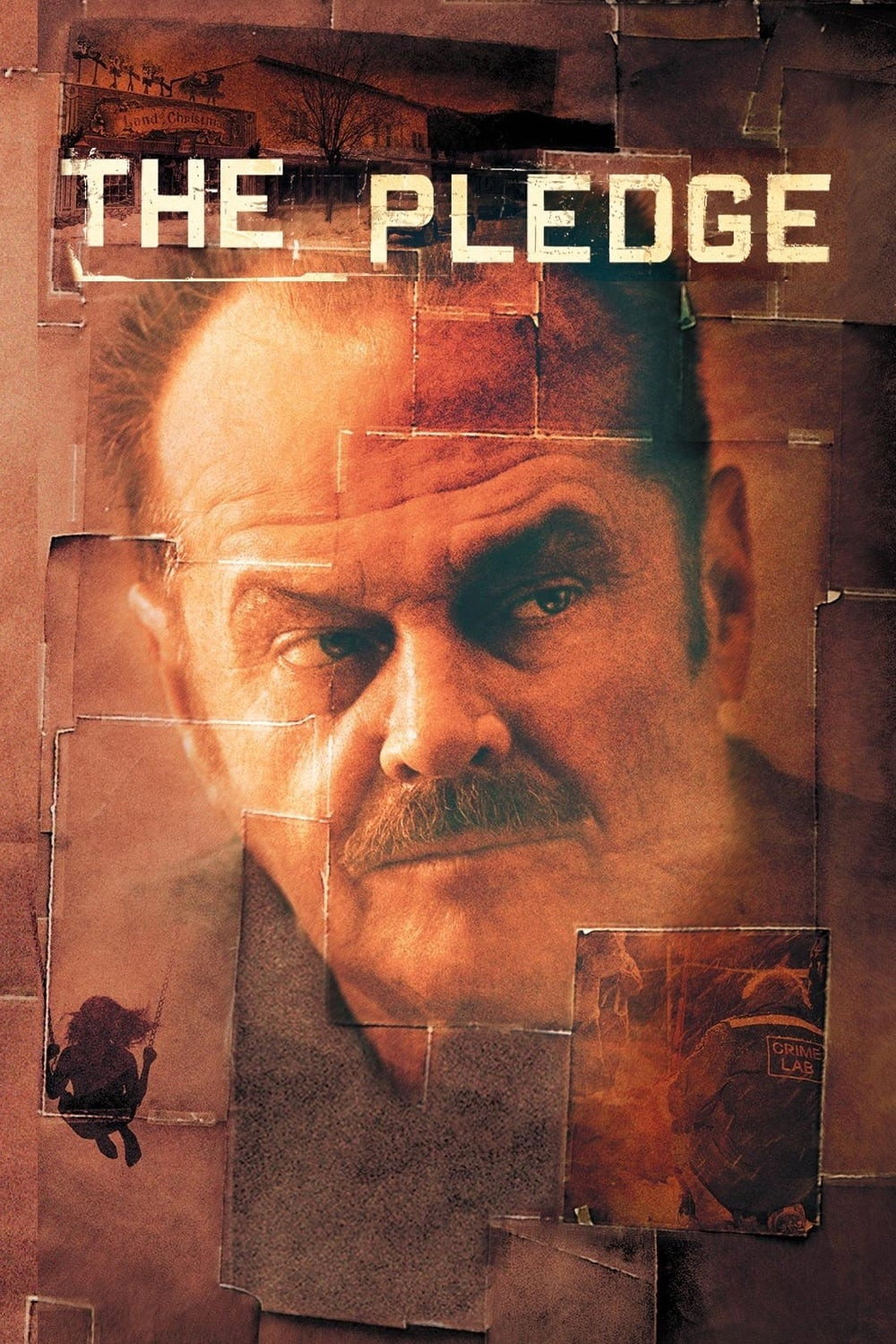
The Pledge poster

The Pledge

2001 · For the troubled investigator, the patient pacing and the refusal of easy comfort.

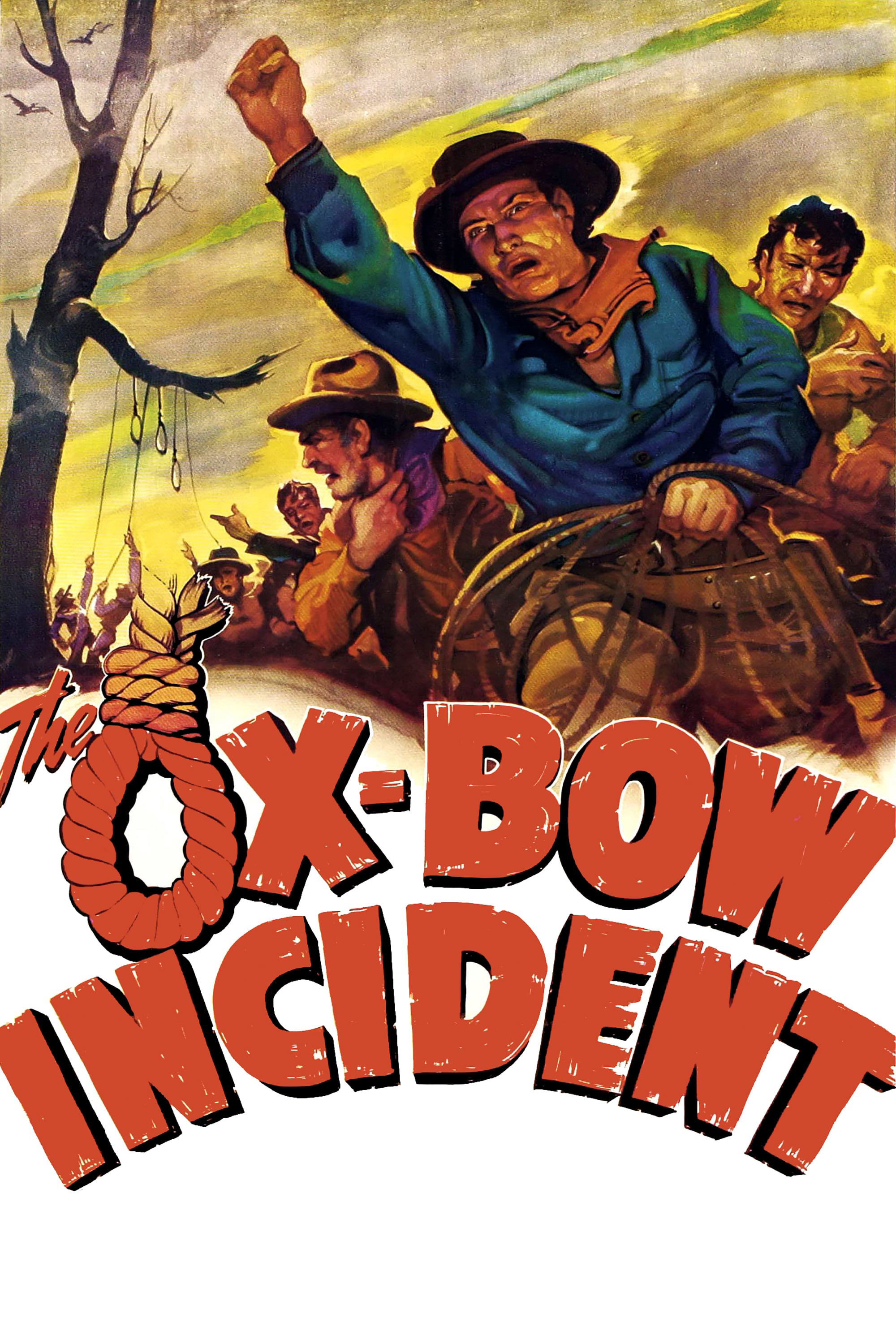
The Ox-Bow Incident poster

The Ox-Bow Incident

1943 · A spare western about the terrible confidence of people who mistake punishment for justice.