Antony Jay, writing with Jonathan Lynn, makes an evasive answer worth listening to in full. We rate the precision of his comedy highly, even when its habitual distrust of good intentions starts to feel too comfortable.
Fi1m perspective
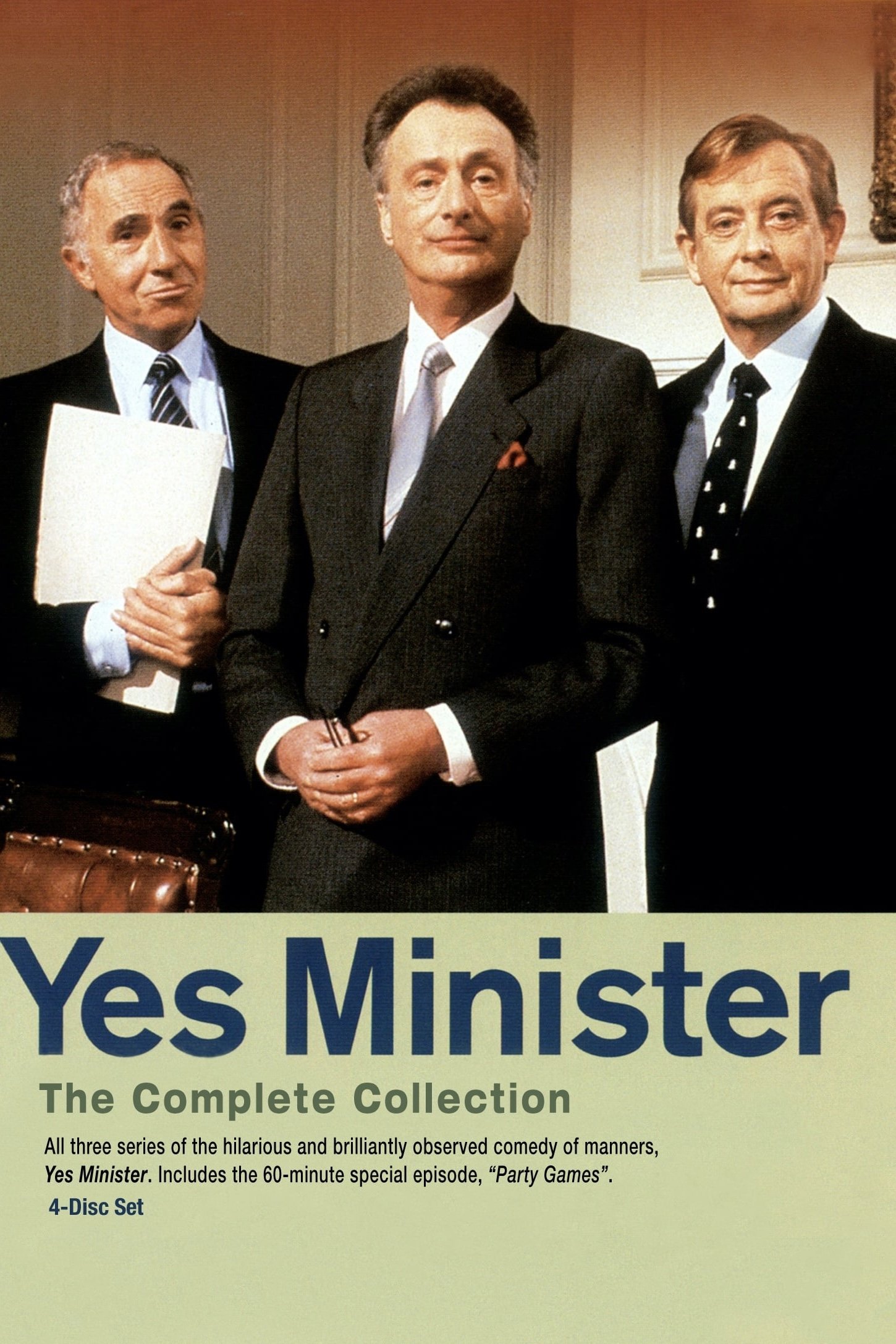
Sir Humphrey Appleby keeps qualifying his answer until there is little useful information left in it. In Yes Minister (1980), Antony Jay and Jonathan Lynn make that process funny without making it hurried. We laughed aloud at Nigel Hawthorne's calm as he made each additional phrase sound like a reasonable attempt to help. Paul Eddington's responses are essential: without someone registering the effect of all that language, the speeches would soon become exhausting. With Derek Fowlds completing the central trio, the pleasure lies in watching people conceal their irritation or make sure that someone else knows they have understood.
Jay's earlier work included the management book Management and Machiavelli (1967) and the documentary Royal Family (1969), which he wrote. Both sit comfortably beside his later interest in people working within institutions, though it was the collaboration with Lynn that gave us his sustained comedy of ministers and civil servants. Their scripts for Yes Minister favour recurring behaviour over passing news, so the evasions remain recognisable without a briefing on the events of the week. The partnership continued with Yes, Prime Minister (1986), keeping the same central characters as Jim Hacker takes the higher office. We would be wary of separating Jay's contribution from Lynn's when the achievement we can judge is their shared writing.
The limitation is how often that writing assumes we will agree about people's motives. Across three series of Yes Minister, vanity and evasion recur so reliably that we can sometimes anticipate an exchange before the characters have finished it. The suspicion of anyone claiming to act for the right reasons needs testing more often; it can make the comedy feel settled when the dialogue is still busy. Yet the actors keep finding small changes in their responses, and the exact phrasing makes a familiar manoeuvre worth hearing again. Start with Yes Minister, and leave a little space between episodes: the repeated evasions are easier to enjoy when we have had a break from them.
Biography
Sir Antony Jay was an English writer and broadcaster. He joined the BBC in 1955, working in current affairs and becoming editor of the Tonight programme before leaving in 1964 to work freelance.
With Jonathan Lynn, Jay co-created and wrote the political satires Yes Minister (1980–84) and Yes, Prime Minister (1986–88). He also wrote the 1969 BBC documentary Royal Family and the 1992 book Elizabeth R. He was knighted in 1988 and appointed CVO in 1993.