From Sir Humphrey Appleby to George III, Nigel Hawthorne makes authority funny without making it harmless. His precision with a sentence is a pleasure; his ability to let an assured man become vulnerable is what moves us.
Fi1m perspective
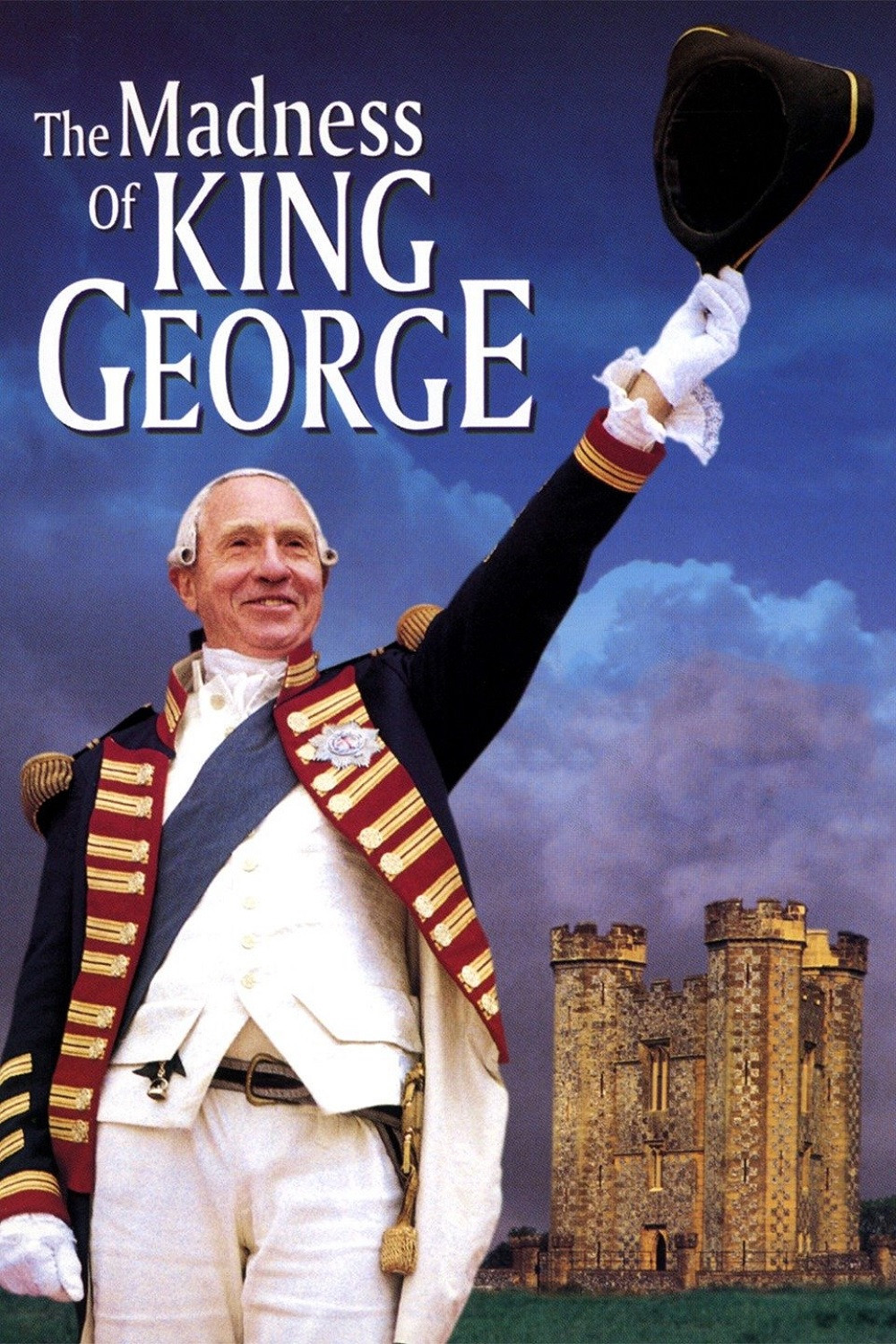
In The Madness of King George (1994), Nigel Hawthorne gives the king’s jokes the confidence of a man who expects everyone to listen. George III is prickly and amusing, and Hawthorne does not ask us to find every remark endearing. Even as the king struggles, the wit retains something of that expectation. We were moved by his effort to keep George composed while those around him weighed what his condition might mean for them. The sweetness Hawthorne allows him feels credible because he remains difficult.
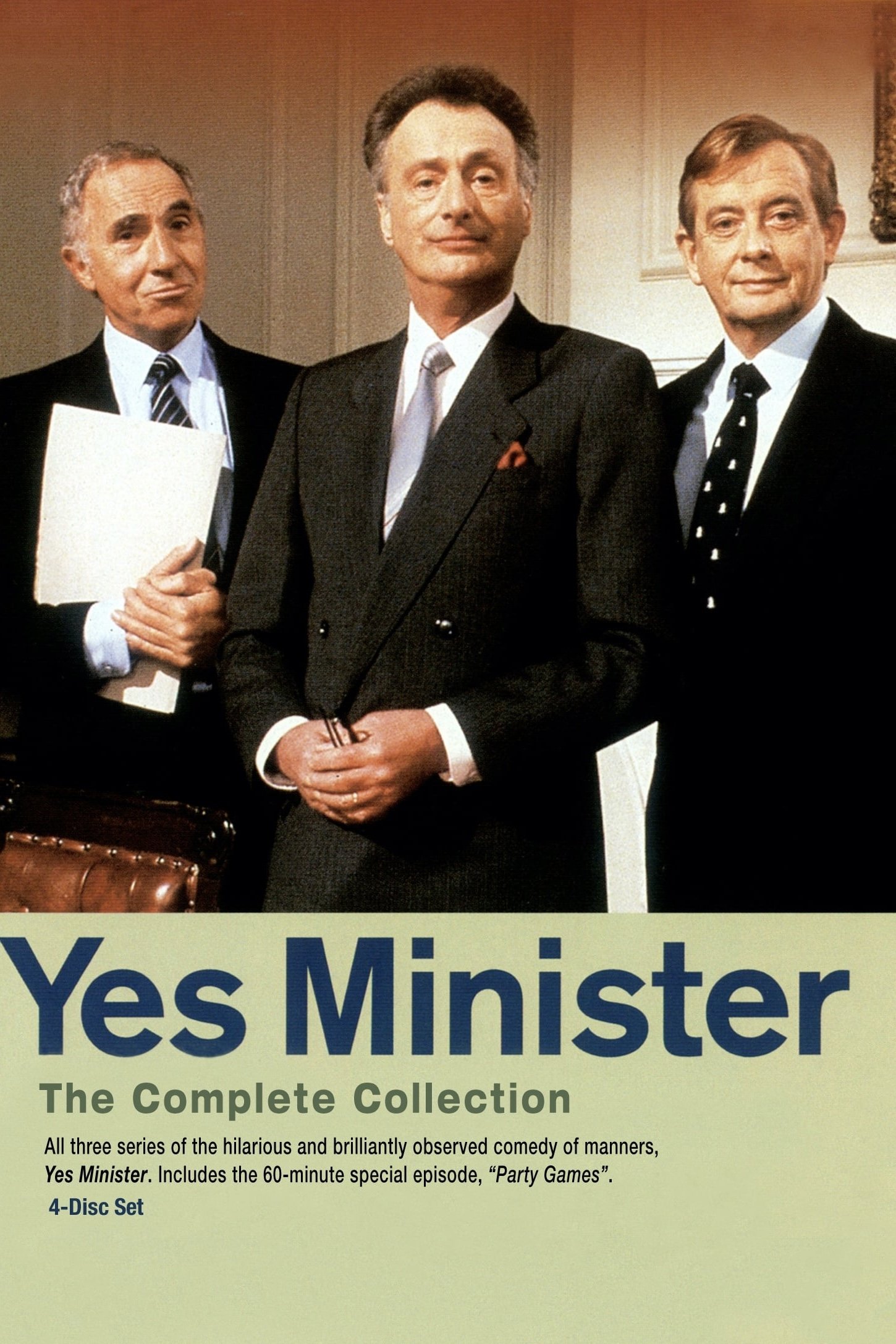
Television had made that command familiar. As Sir Humphrey Appleby in Yes Minister (1980–84) and Yes, Prime Minister (1986–88), Hawthorne made long-winded obstruction funny through comic timing and verbal dexterity. Alongside Paul Eddington and Derek Fowlds, he could make a speech’s refusal to get to the point its chief pleasure.
The stage brought the opportunity for a different sort of leading part, through Shadowlands (1989–90) and The Madness of George III (1991–92), followed by the latter’s film adaptation. Nicholas Hytner and screenwriter Alan Bennett give Hawthorne room to be funny without treating the king’s distress as a joke. A few of Bennett’s polished lines draw attention to themselves. Hawthorne usually makes them sound like things this particular man needs to say.
Tariq Anwar’s editing helps: the exchanges move briskly, but there is time to notice Hawthorne’s vulnerability. George Fenton’s music is less reliably useful, occasionally reassuring us when the performance is already doing enough. The larger reservation is the film’s readiness to trust the doctor who promises to impose order. That is a weakness in an otherwise humane film, and no reason to overlook the care with which Hawthorne makes its suffering matter. Start with The Madness of King George, though we would put more trust in its actor than its doctor.
Biography
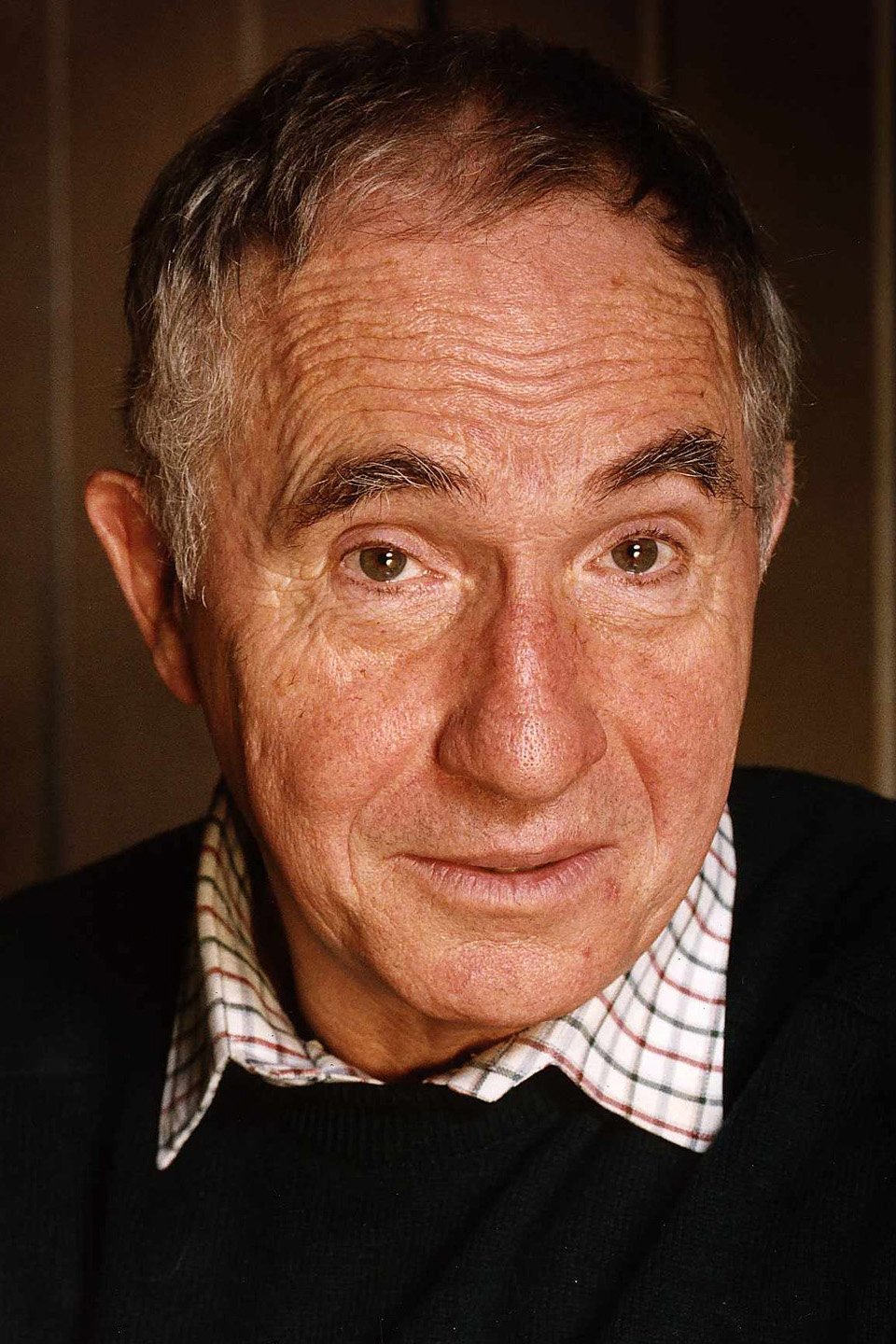
Nigel Hawthorne was an English actor. He was born in Coventry in 1929 and raised in South Africa, where he made his professional stage debut in 1950 before returning to the United Kingdom in the 1950s.
Hawthorne became widely known for his portrayal of Sir Humphrey Appleby in the BBC series Yes Minister (1980–84) and its sequel Yes, Prime Minister (1986–88), a role for which he received four BAFTA Television Awards. He also appeared in films including Gandhi (1982), Demolition Man (1993) and voice roles in Watership Down (1978) and Tarzan (1999).
On stage he played the title role in Alan Bennett's The Madness of George III, winning a Laurence Olivier Award; he reprised the part as George III in the 1994 film adaptation The Madness of King George, for which he received a BAFTA Film Award and an Academy Award nomination. Hawthorne was appointed CBE in 1987 and knighted in 1999. He died in Hertfordshire in 2001.