Film review

The Madness of King George

1994 · Directed by Nicholas Hytner · 1h 47m · MPA PG-13

In a sentenceNigel Hawthorne makes us worry about a king, which takes some doing

ComedyDramaHistory

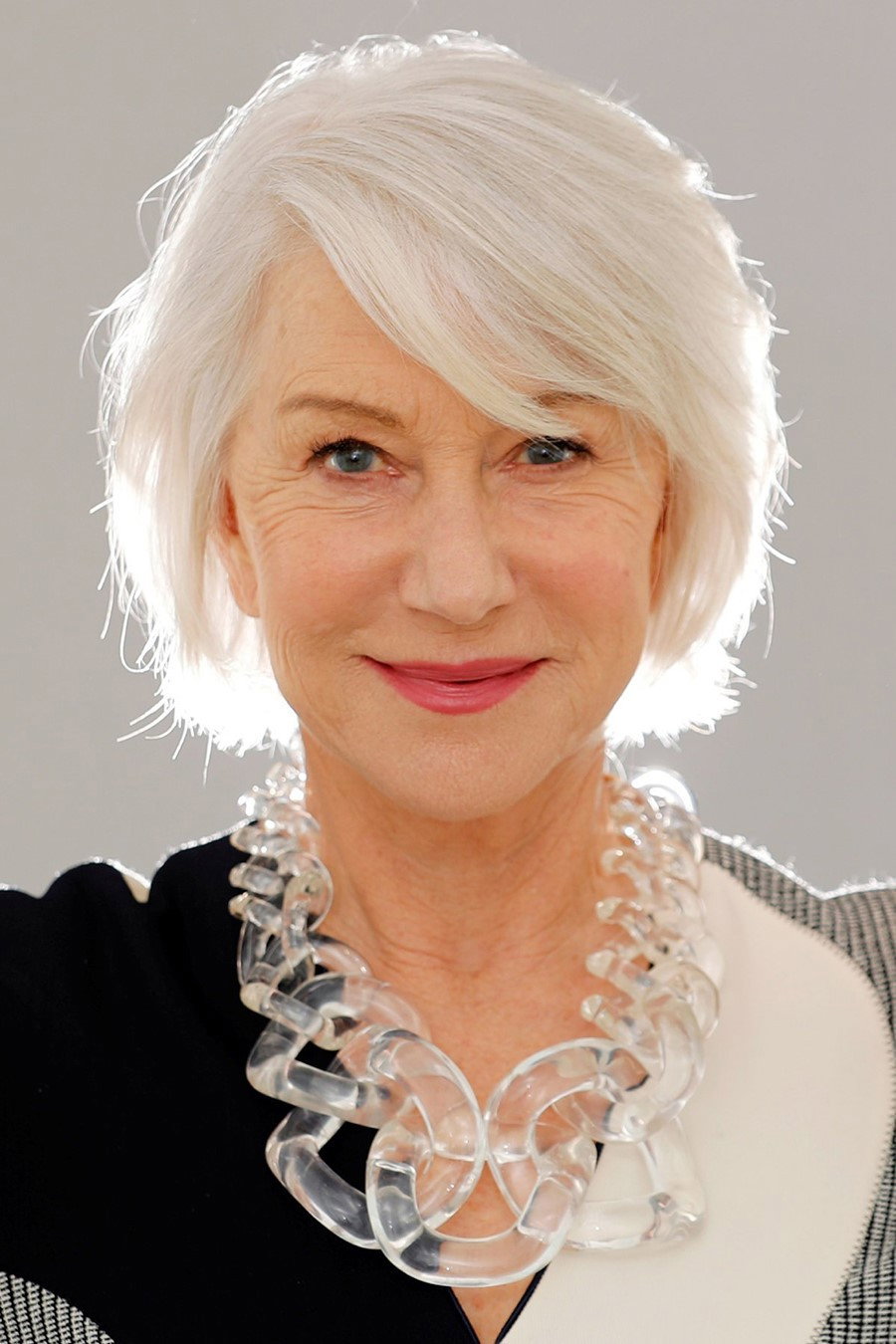
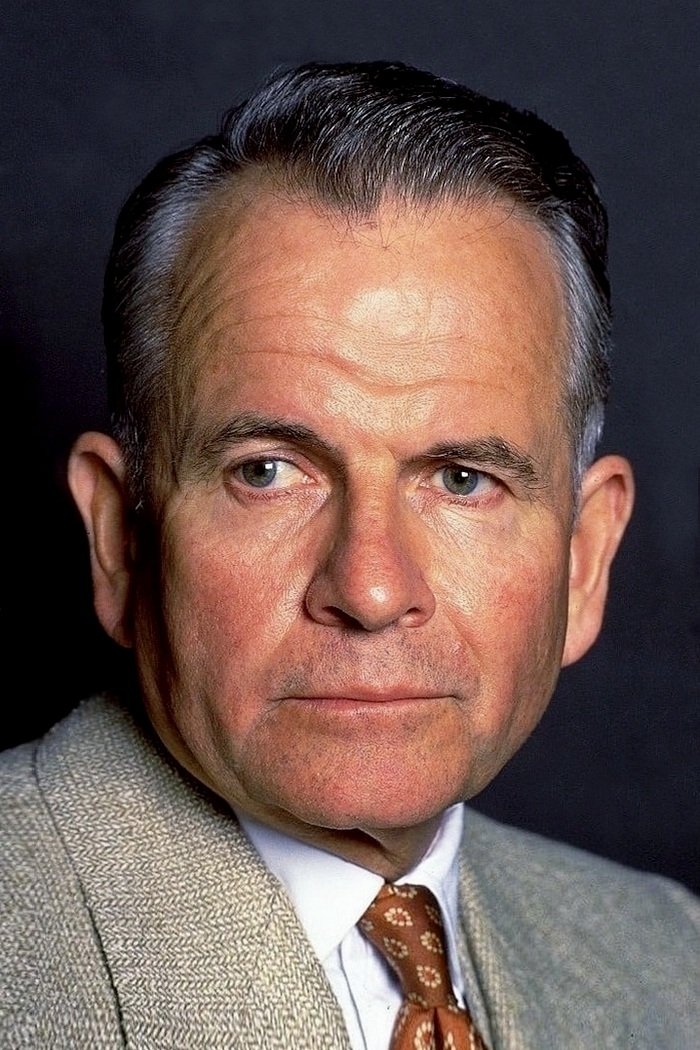
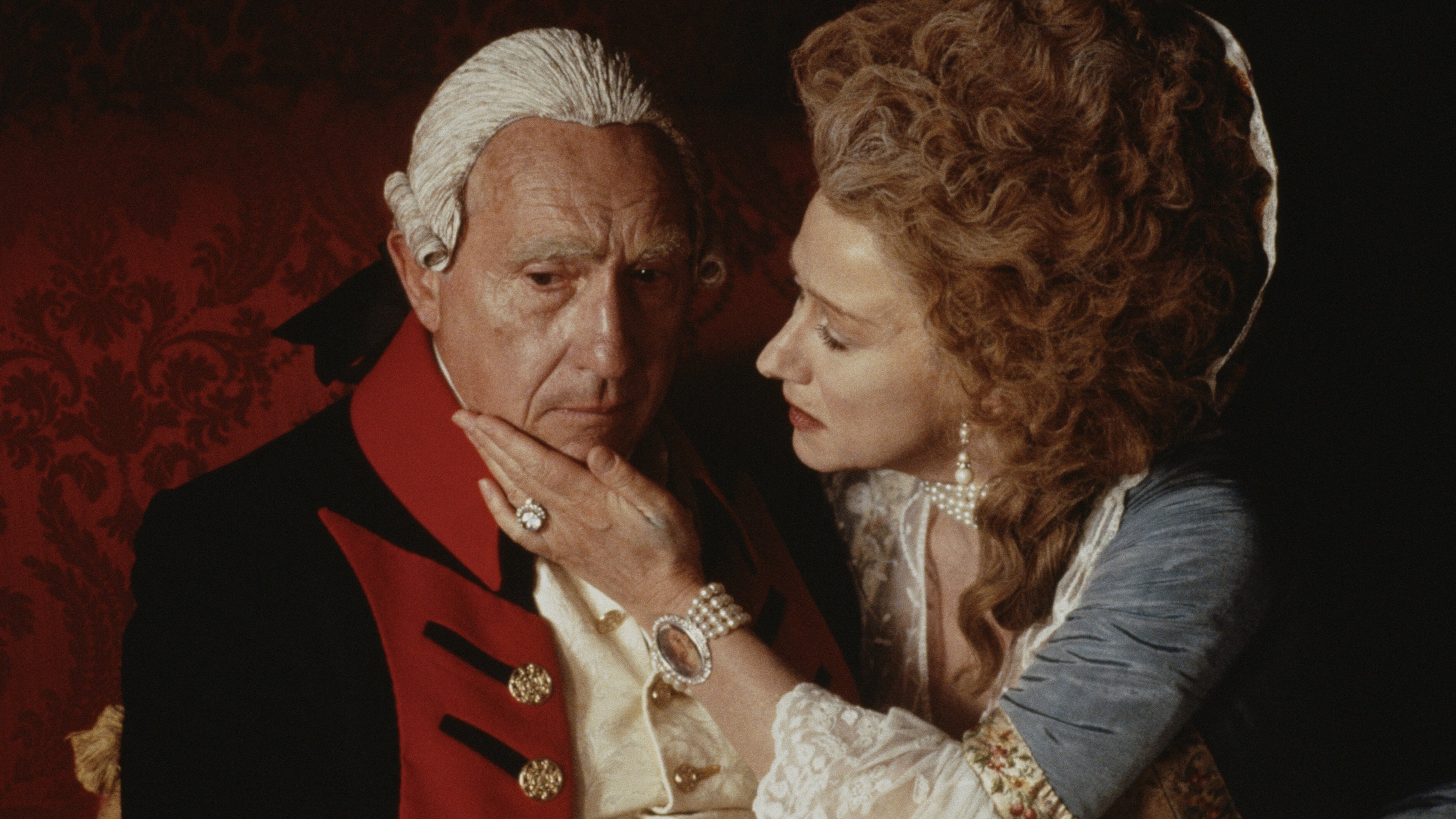
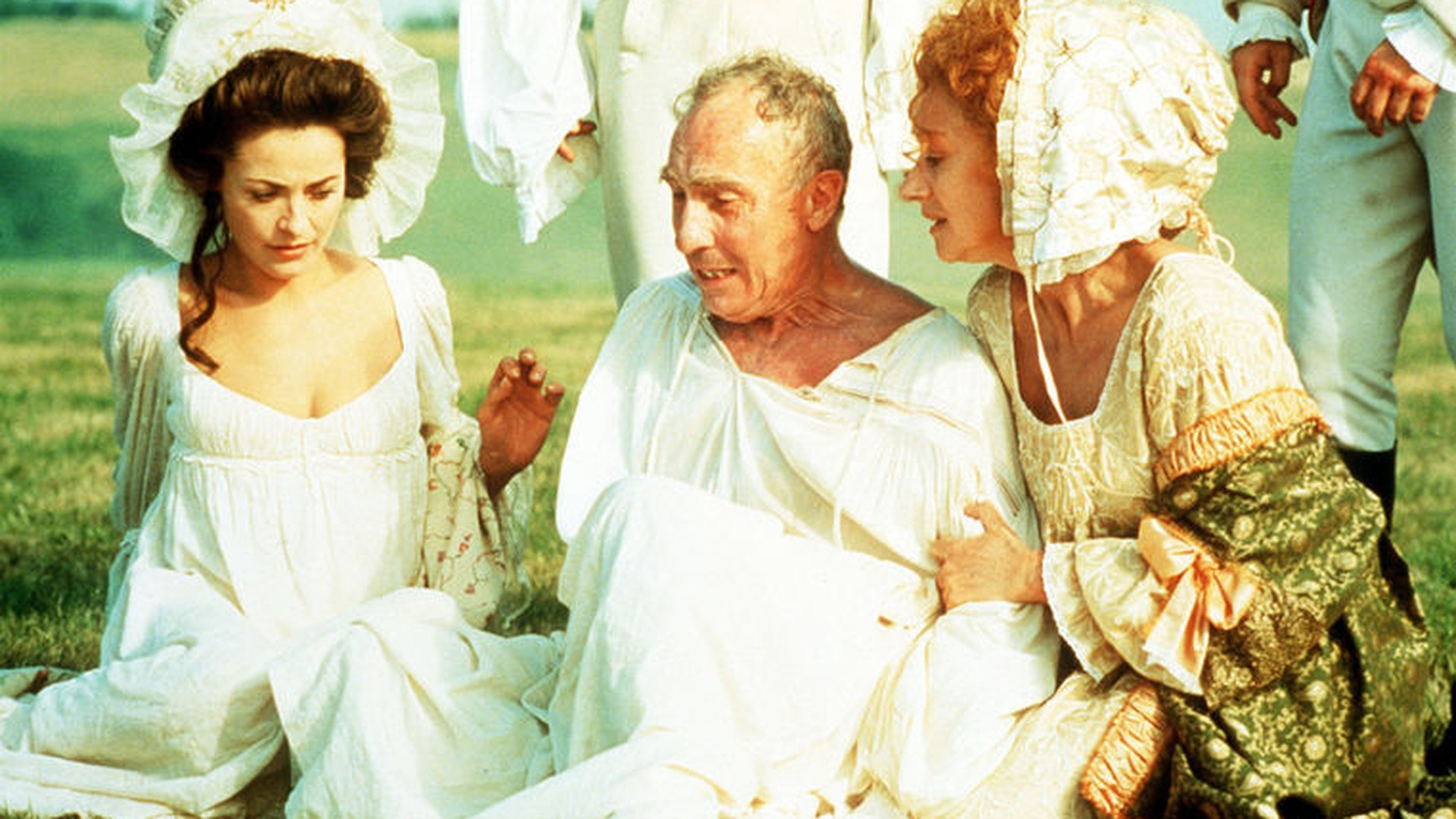
George III (Nigel Hawthorne) begins to lose his grip on his own mind, creating a crisis for the court around him. His illness threatens both his authority and his ability to defend it, while political opponents consider what his decline could mean for the throne. Queen Charlotte (Helen Mirren), the Prince of Wales (Rupert Everett) and the doctor Willis (Ian Holm) are drawn into the struggle over the king’s condition. Amid court intrigue and competing claims to know what is best for him, George tries to hold on to his wits and his position.

Fi1m review

Nigel Hawthorne makes an ailing monarch funny, difficult and painfully vulnerable in Nicholas Hytner’s assured period drama. We recommend it for the acting and Alan Bennett’s wit, with reservations about its faith in firm-handed authority.

The Madness of King George is a funny, humane period drama with one substantial reservation: it is too ready to trust the man who promises to impose order. Nicholas Hytner and screenwriter Alan Bennett make a king’s illness the occasion for political comedy without treating his suffering as a joke. Their subject is what happens when a court organised around royal authority has to cope with a monarch who cannot depend on his own mind. Nigel Hawthorne makes that predicament matter.

Hawthorne lets George III be prickly and amusing without asking us to find everything about him endearing. The wit belongs to someone accustomed to being heard, and its persistence as his confidence falters is painful. We were moved by his struggle to maintain the king’s self-possession while those around him calculate what his illness might mean for them. Hawthorne allows sweetness into the performance without smoothing away the habits of command. We remain interested in this difficult man even when he cannot control how he presents himself.

Helen Mirren’s Queen Charlotte supplies an affection that does not require the king to be agreeable first. Her presence helps keep the illness personal when the political manoeuvring threatens to take over. Rupert Everett’s Prince of Wales belongs to the sharper comedy of royal status, where concern and advantage are difficult to separate. Bennett gives the cast language worth listening to, and Hytner leaves enough room for its humour without making every exchange sound like an audition for the last word.

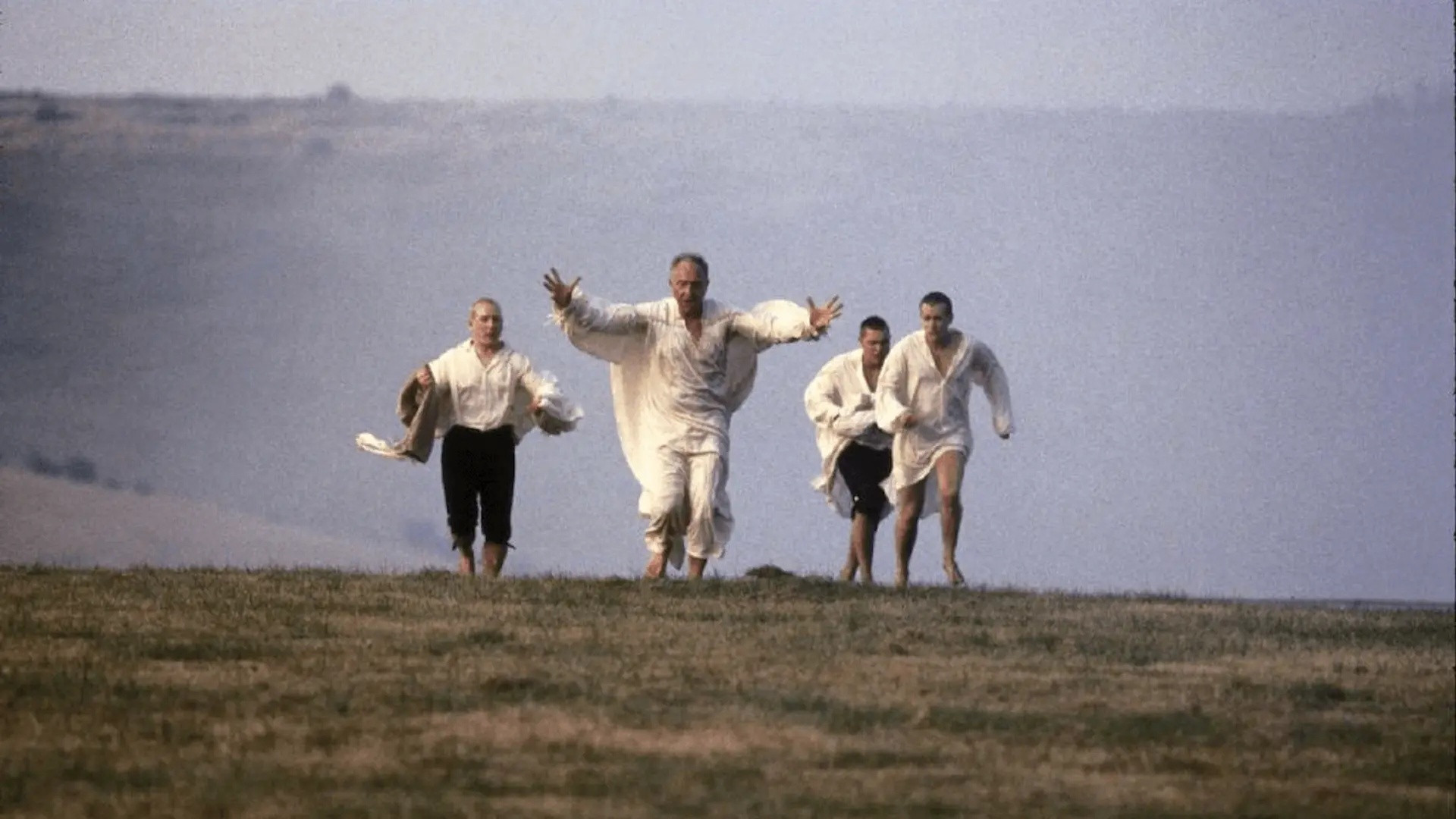
Andrew Dunn’s cinematography keeps the interiors composed and orderly, making the king’s distress harder to overlook. Ken Adam’s production design gives the people defending royal dignity convincingly grand surroundings to defend it in. The outdoor passages provide welcome space after the controlled indoor scenes, and Hytner uses the contrast to keep the film from feeling confined to its conversations. The splendour is pleasurable, though it can make the court seem more deserving of affection than its behaviour warrants.

Tariq Anwar’s editing keeps the political exchanges brisk without hurrying past Hawthorne’s vulnerability. That pace matters in a film moving so often between verbal comedy and suffering. A few of Bennett’s polished lines announce themselves rather too clearly, but the acting usually makes them sound like something a person wants to say. George Fenton’s music is sympathetic, occasionally more reassuring than the performance needs. Hawthorne is quite capable of making us care without assistance.

The reservation concerns Willis, played by Ian Holm, and the film’s confidence in his discipline. Holm makes the doctor’s certainty persuasive; Bennett is less searching about the power that certainty gives him over an unwell patient. The film is alert to the self-interest of courtiers, but less inclined to question authority when it arrives as treatment. We need not demand modern attitudes from a historical drama to wish it were more curious about the difference between helping someone and securing his obedience.

Costume dramas can ask the furnishings to sustain our interest long after the people have ceased to do so. Here the actors keep justifying our attention, and the jokes make the distress more bearable without making it trivial. Watch it for Hawthorne, and leave some room to disagree with the doctor.
Critical consensus AI synthesised

73
Positive
4
Mixed
1
Negative
1

Most critics respond warmly to The Madness of King George, with praise concentrated on Nigel Hawthorne’s performance as a monarch whose wit and authority give way to suffering and vulnerability. The reviews repeatedly credit Nicholas Hytner with balancing Alan Bennett’s comedy and pathos, while making the court and its political manoeuvring feel tangible. For the admirers, the adaptation retains the play’s verbal sharpness without feeling confined to the stage.

The spread is nevertheless wide, with reservations about the film’s substance, politics and handling of history. Some critics find the polished dialogue less effective on screen, or question the treatment of the king’s illness and the doctor’s discipline. The Independent offers the strongest dissent, finding the adaptation slick but diminished and unfair to historical figures. The Guardian takes a markedly different view, praising its historical accuracy and psychological tact while acknowledging minor dramatic licence.

Radio Times
★★★★★ · Adrian Turner
100

Nigel Hawthorne delivers an inspired, funny and deeply moving performance as the troubled king in this celebrated, Oscar-winning adaptation of Alan Bennett's play. Immaculately directed by Nicholas Hytner, it offers a sharp study of 18th-century politics and monarchy and stands as an unmissable treat and the finest period vision since Barry Lyndon.

Read the full review →
RogerEbert.com
27 January 1995 · Roger Ebert
85*

The film is a fond, lighthearted portrait of the king's mental disintegration and struggle to retain his throne and wits. Hawthorne's barbed yet lovable performance, full of suffering, sweetness and vulnerability, is the centerpiece, supported by strong direction that balances comedy and pathos.

Read the full review →
Empire
1 January 2000 · Clark Collis
80*

Hytner's debut is excellent as he keeps Bennett's script from lingering too long in farce or tragedy; the standout is Hawthorne's career-best performance as the monarch.

Read the full review →
Time Out
10 September 2012 · GA
75*

This elegant adaptation of Alan Bennett's stage success is the best of his screen contributions to date, sturdily performed and persuasively detailed with a sharp eye for political intrigue. It is funny and moving, though the treatment of the disciplinarian doctor feels slightly reactionary and the film leaves a sense that there is less substance than surface suggests.

Read the full review →
The New Yorker
9 January 1995 · Anthony Lane
60*

The film is more civilized and literate than most current movies but feels rather dead-ended, with glossy witticisms that do not always translate well from stage to screen. It portrays the king's descent into base humanity amid court intrigues, though it leans reactionary in its treatment of traditions and madness.

Read the full review →
The Independent
19 March 1995
40*

The film is an effective but rather sly adaptation of Bennett's play that tidies up the material into something brisk and sumptuous, though it remains poor work by the writer's own standards and amounts to a crude libel on certain historical figures.

Read the full review →

Cast

Stills

Awards

Academy Awards, 1995

Nominated
Best Actor
Nominated
Best Supporting Actress
Nominated
Best Writing, Adapted Screenplay
Won
Best Production Design

If you liked this, try…

The Dresser poster

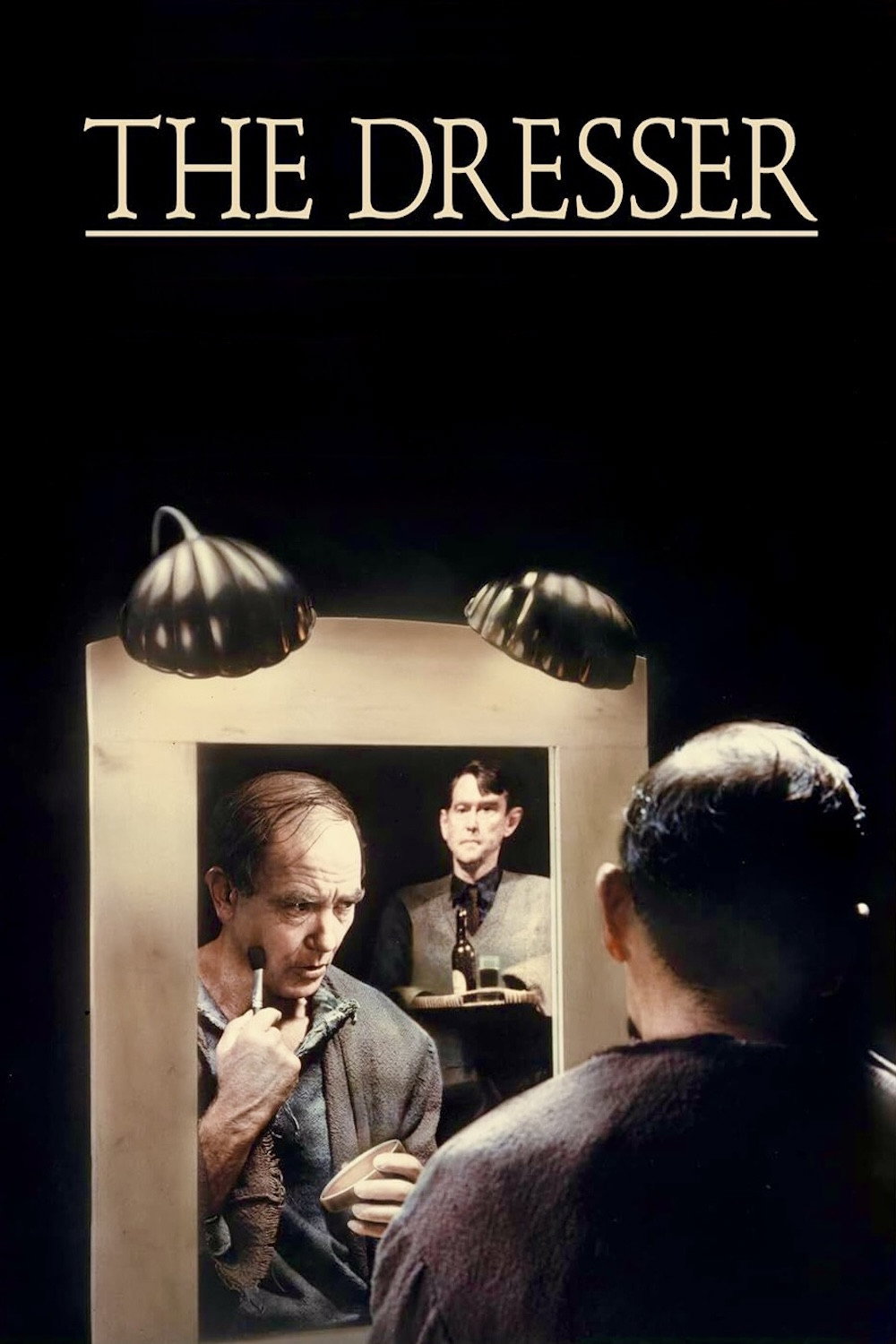
The Dresser

1983 · A demanding older man and the complicated business of looking after him.

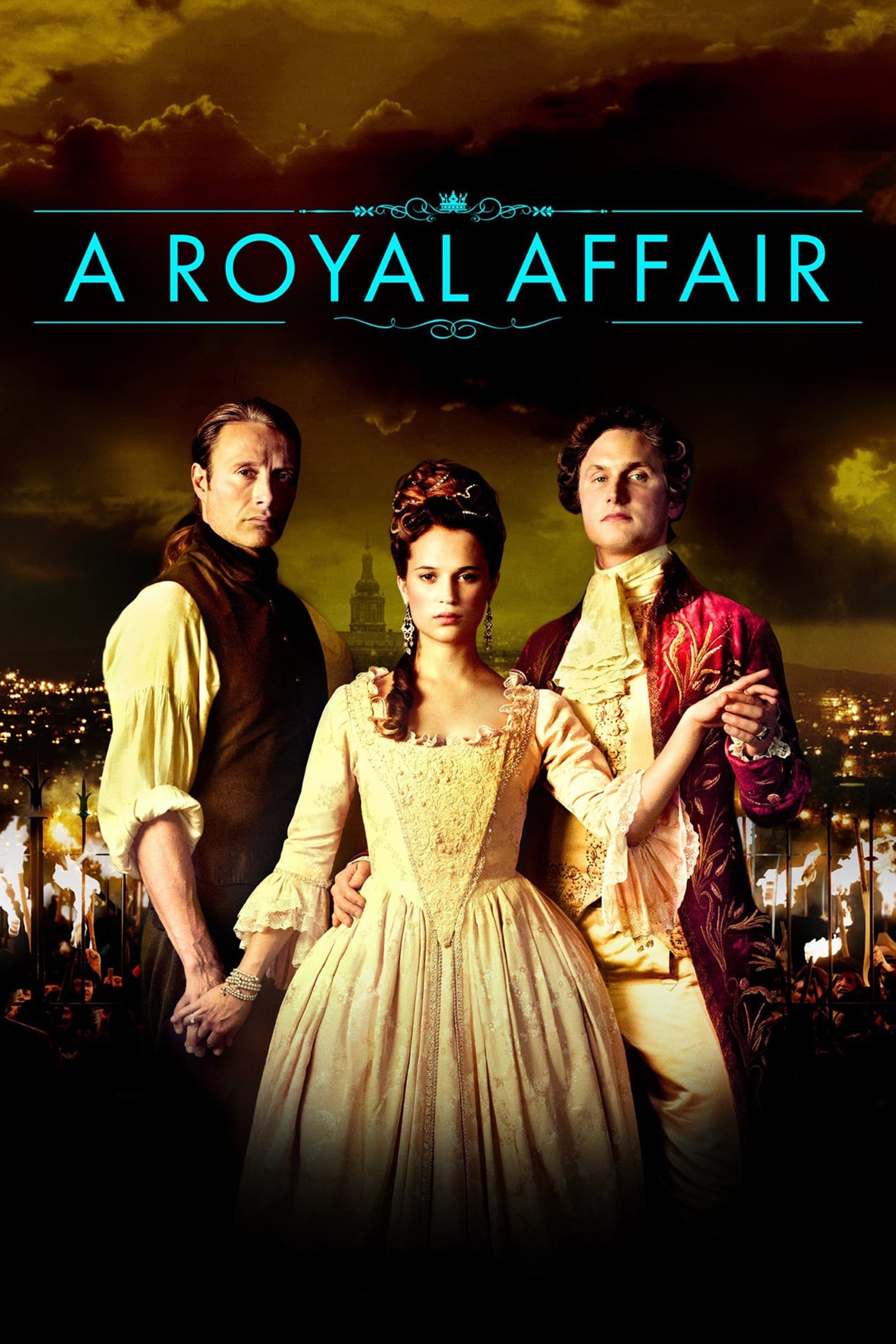
A Royal Affair poster

A Royal Affair

2012 · Royal illness, medical authority and court politics, with a more troubling romance.

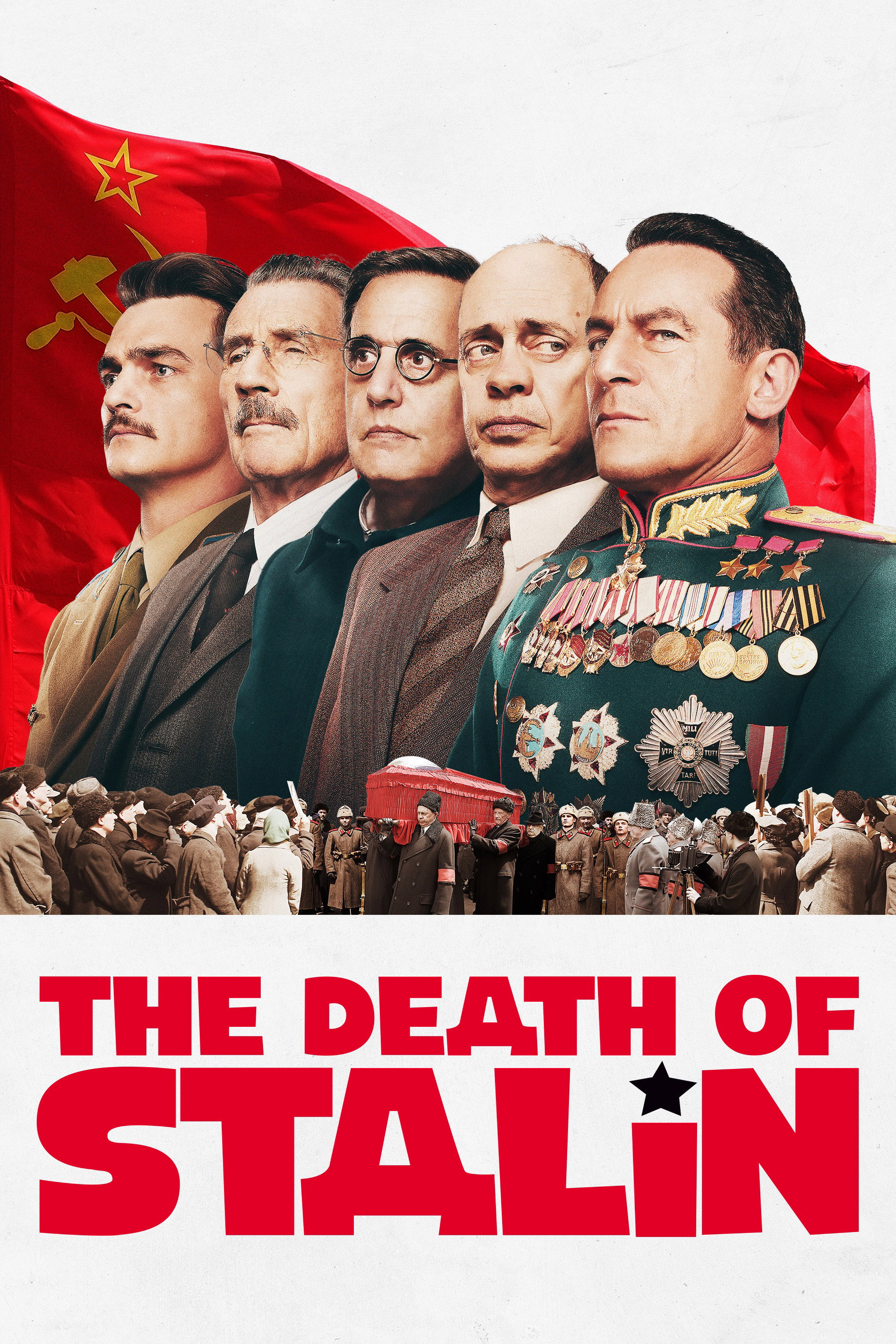
The Death of Stalin poster

The Death of Stalin

2017 · For much crueller laughter at courtiers calculating their chances around an ailing ruler.

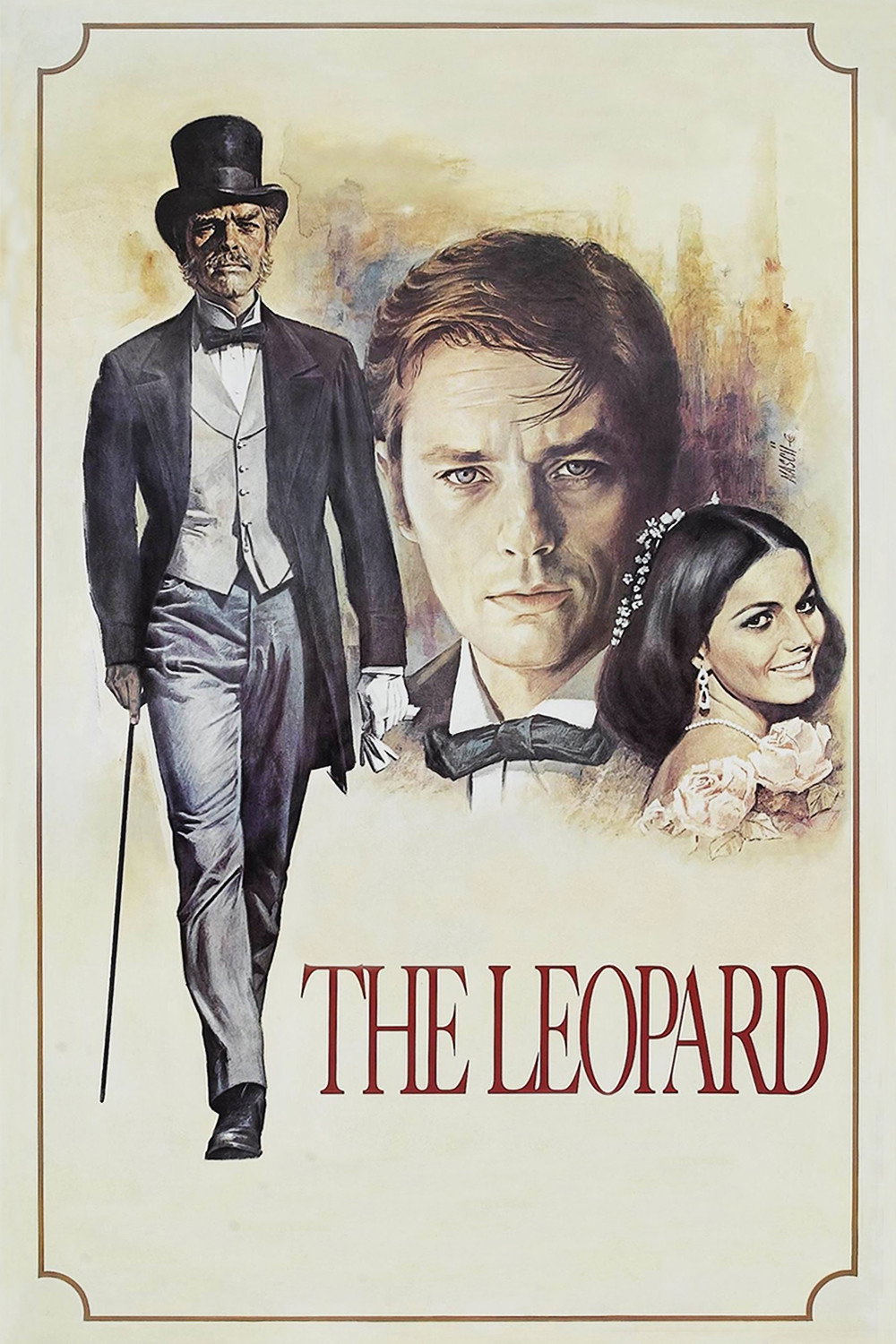
The Leopard poster

The Leopard

1963 · More patient about political change, and equally alert to aristocratic self-preservation.

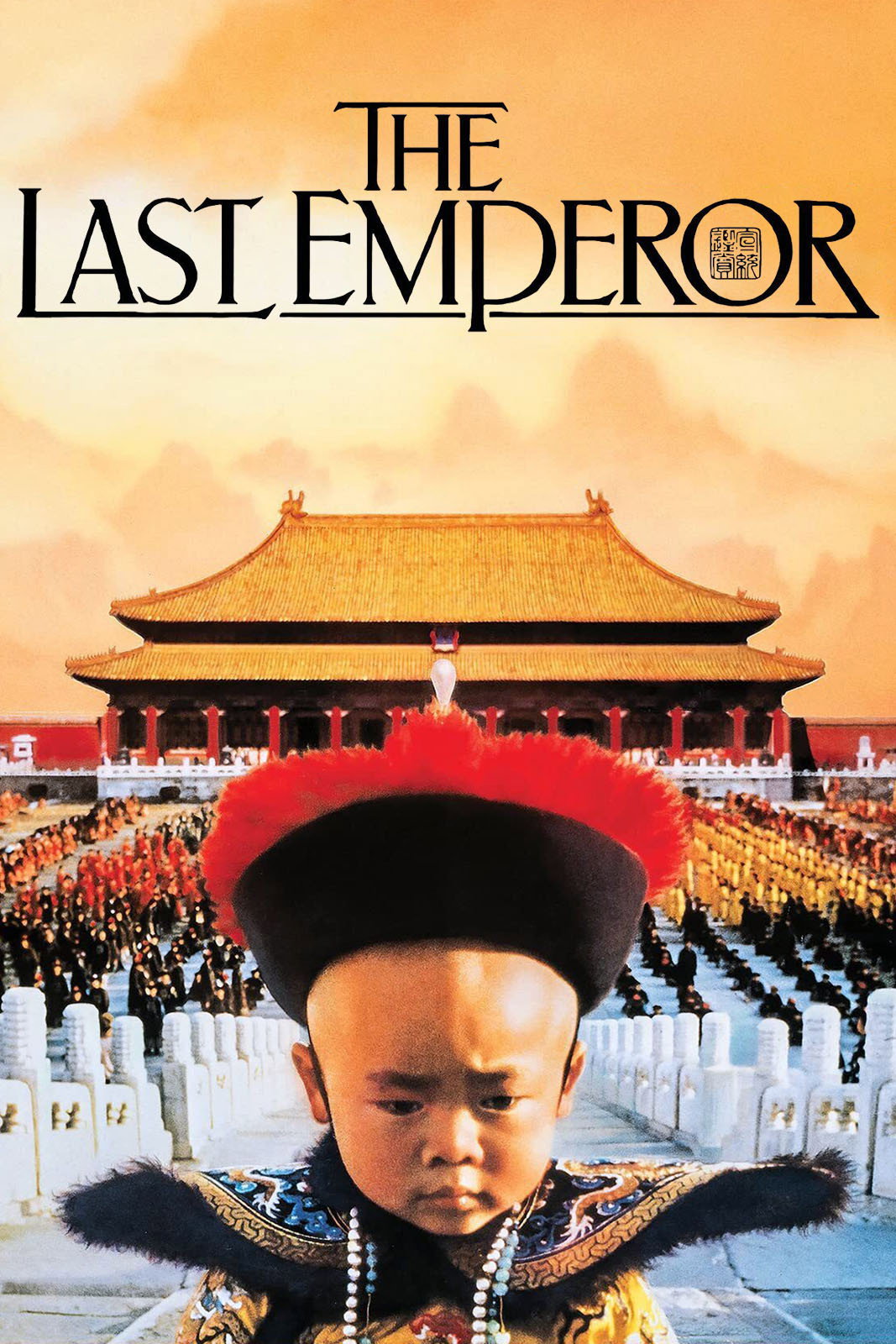
The Last Emperor poster

The Last Emperor

1987 · Another ruler hemmed in by ceremony, on a much broader historical scale.