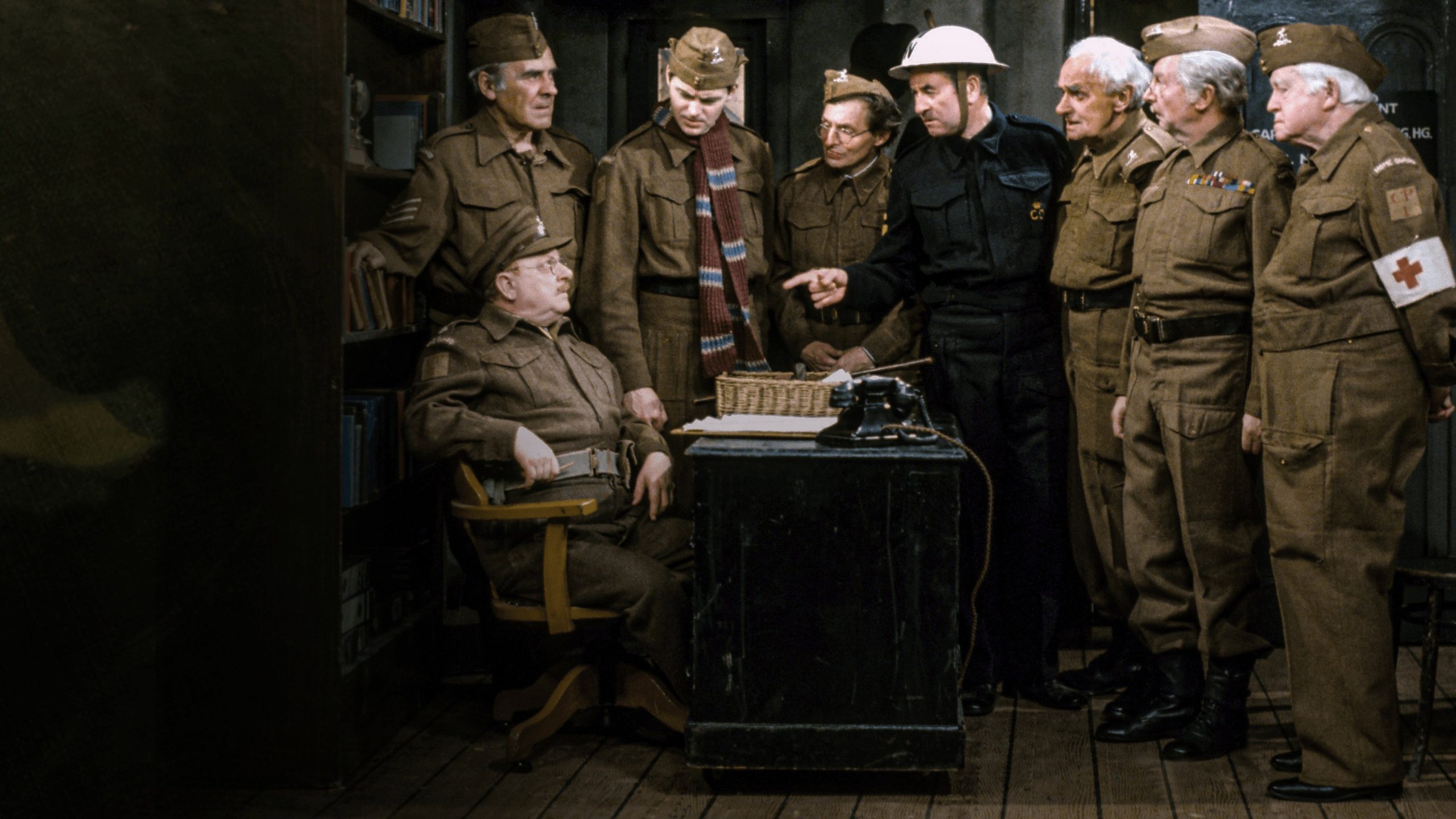
Dad’s Army is a sharply acted military comedy with an unusually tender view of its soldiers. Arthur Lowe and John Le Mesurier justify the repeated routines, though some episodes rely too heavily on familiar behaviour.
Dad’s Army is a fine ensemble comedy whose repeated routines are usually worth forgiving. Jimmy Perry and David Croft write about military authority through men who have ordinary weaknesses and an earnest interest in their own standing. The humour depends on getting to know those weaknesses, then recognising them before their owners do. Across nine series, that familiarity can make an episode predictable, but it also gives the performances room to become unusually precise.
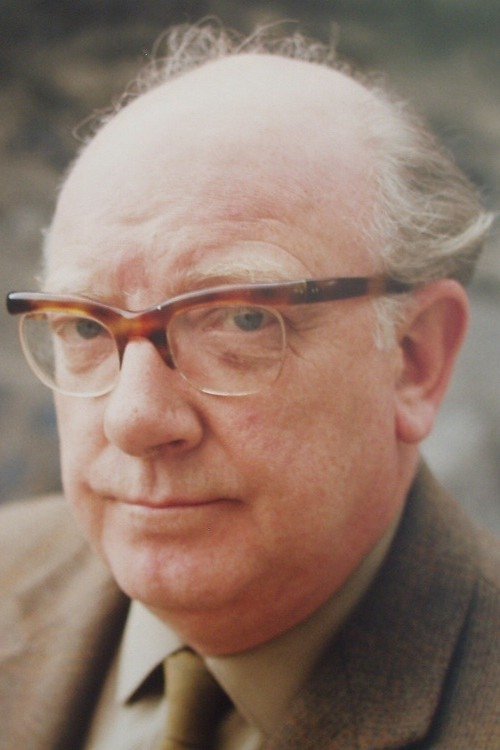
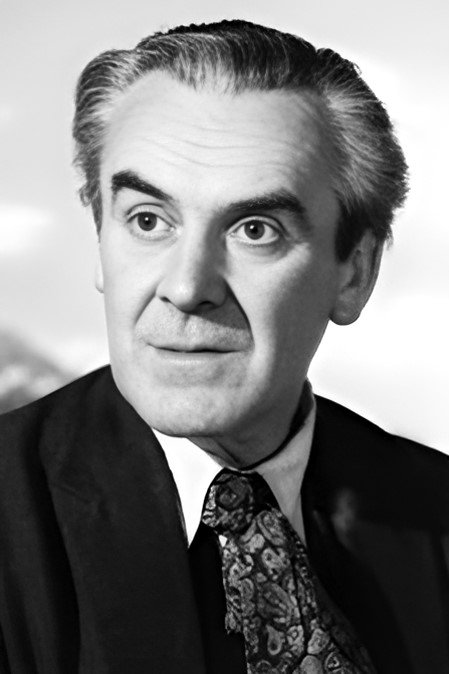
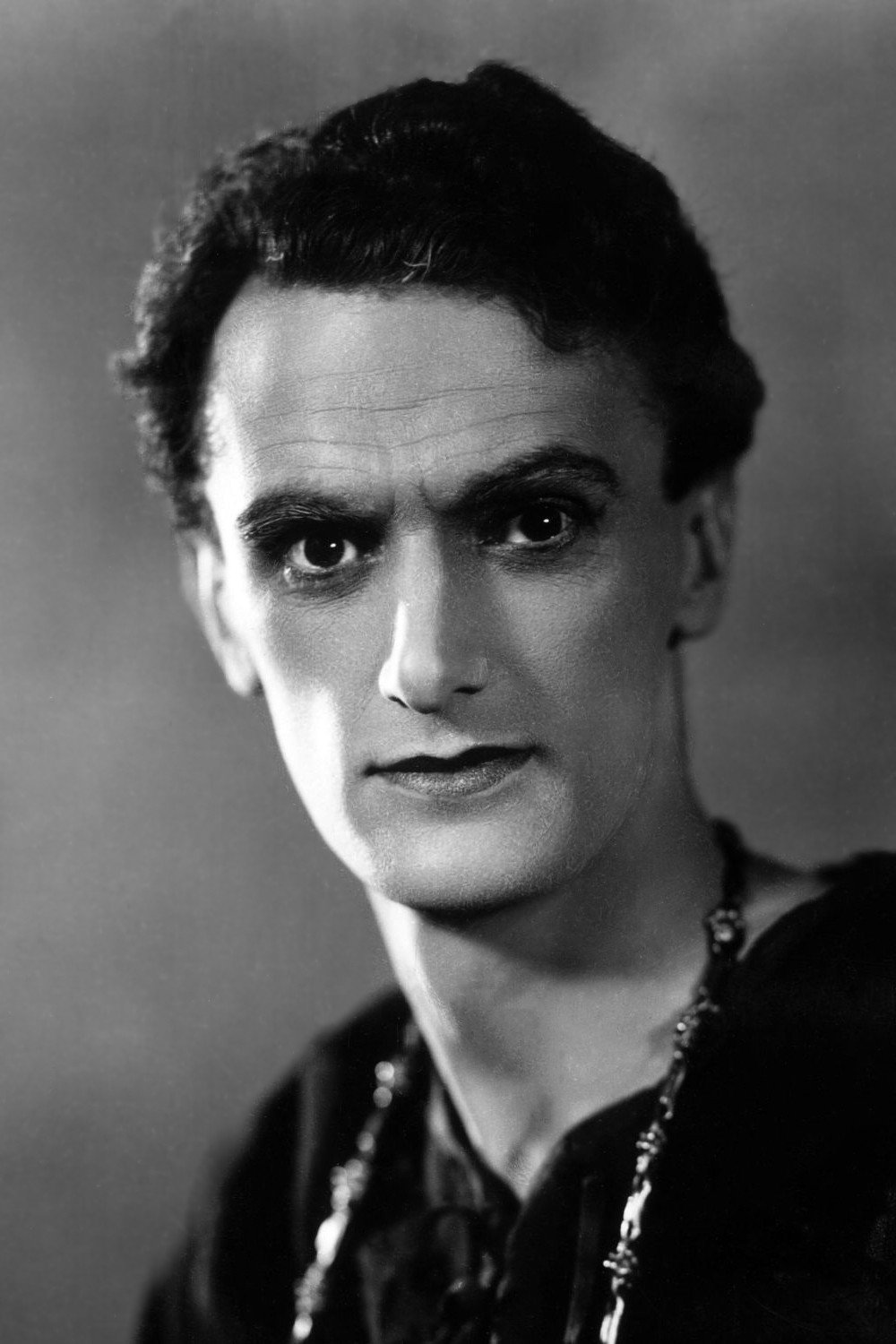
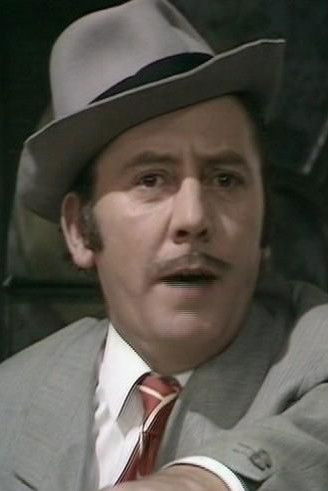
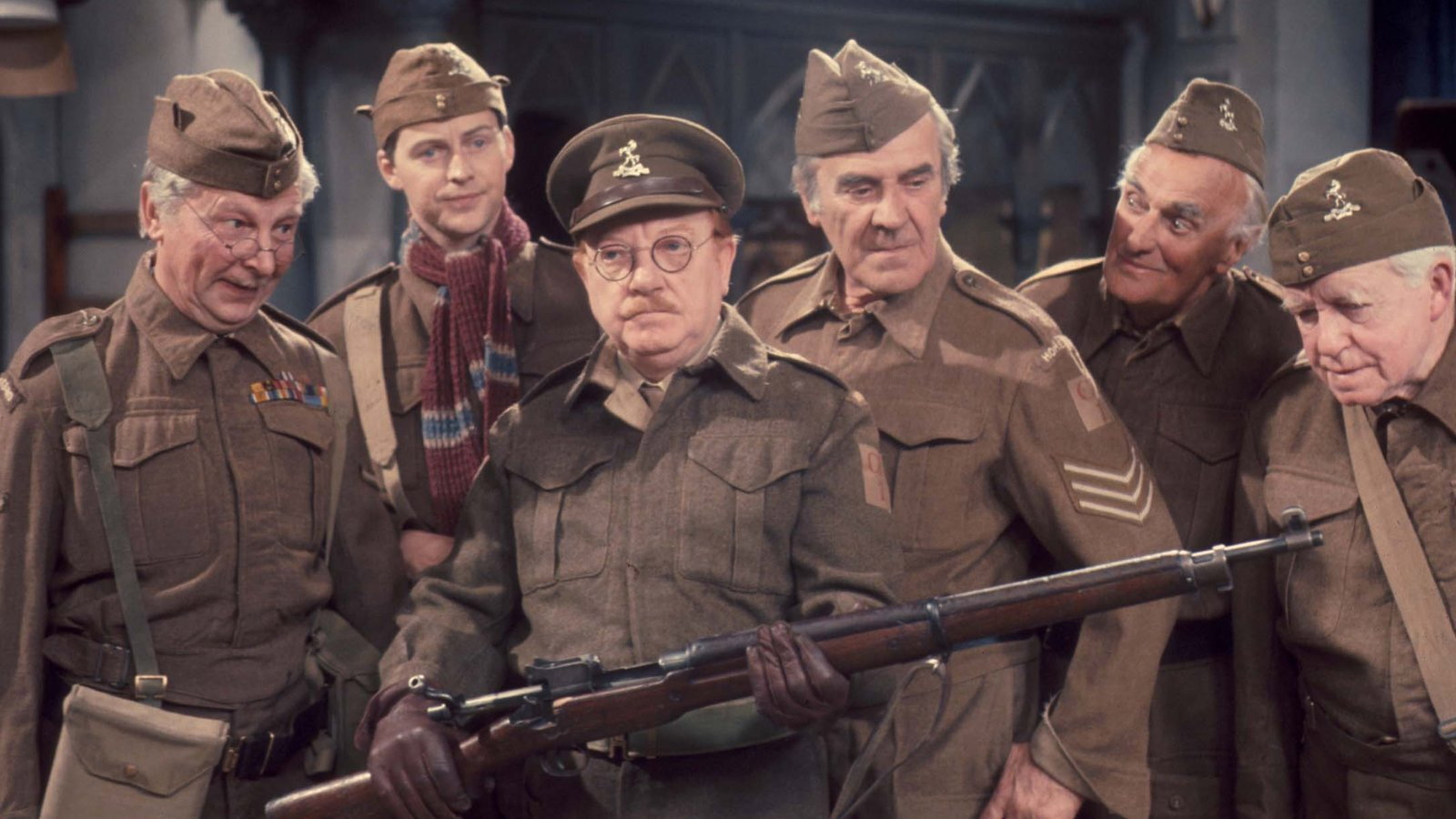
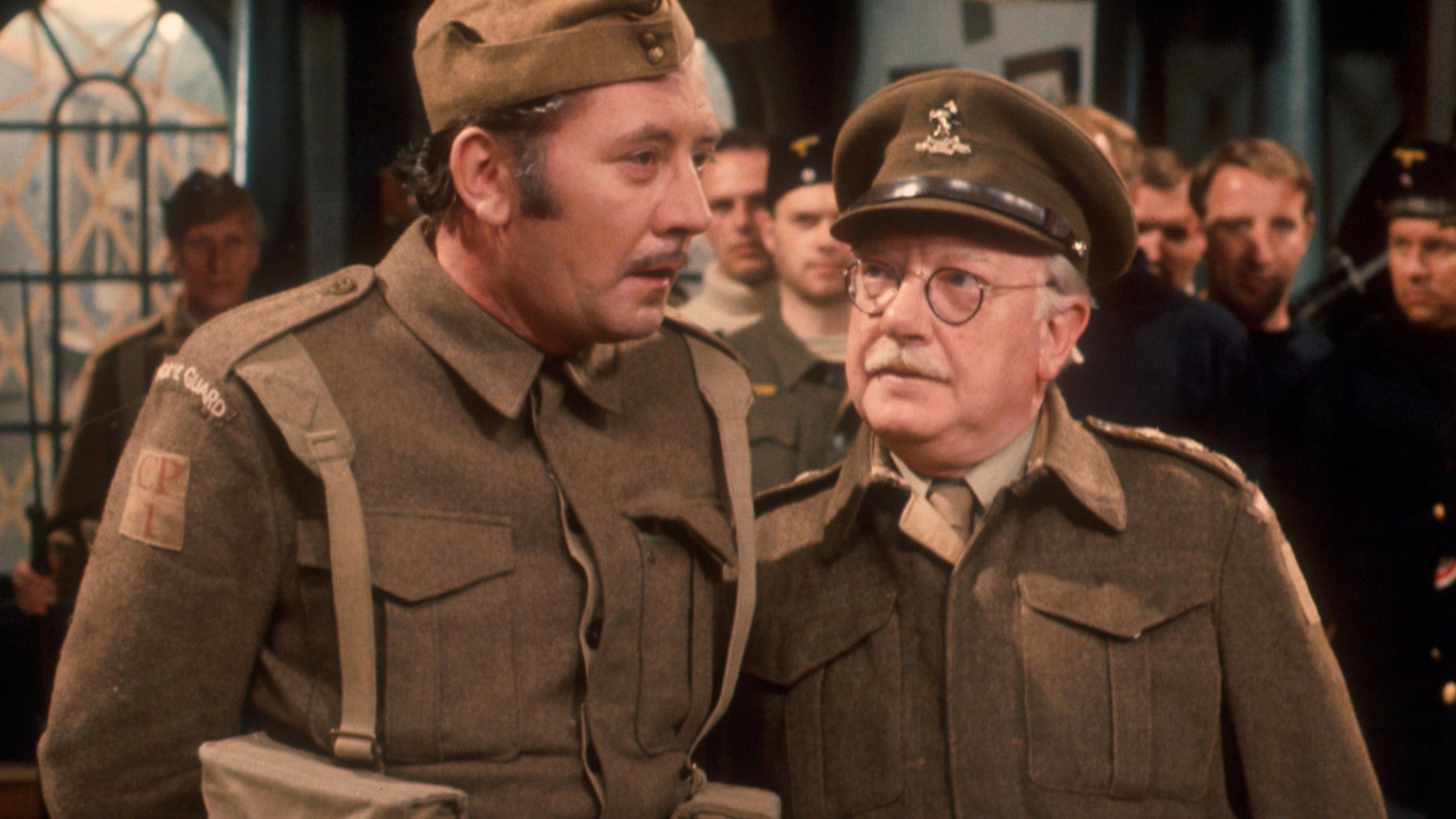
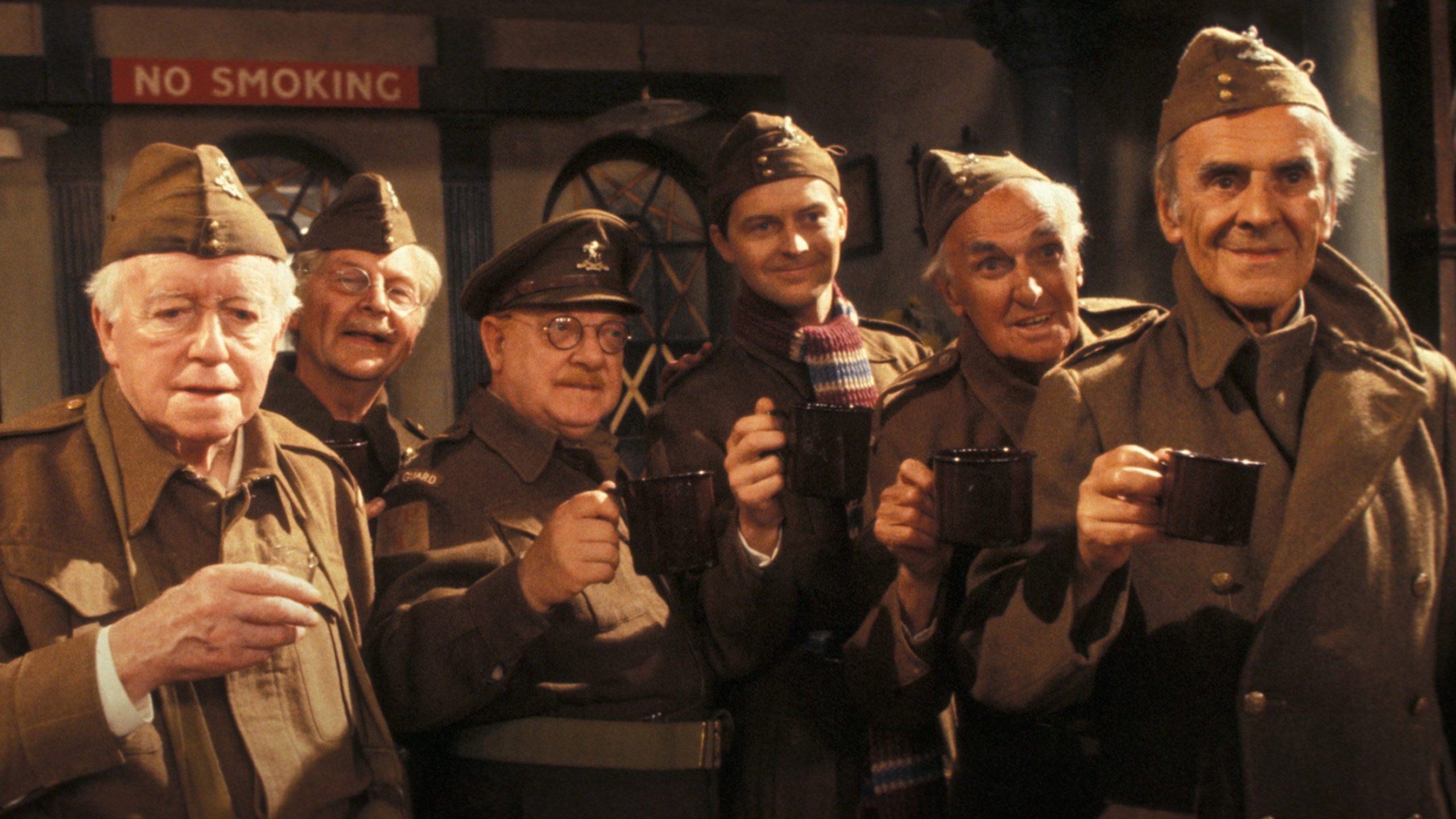
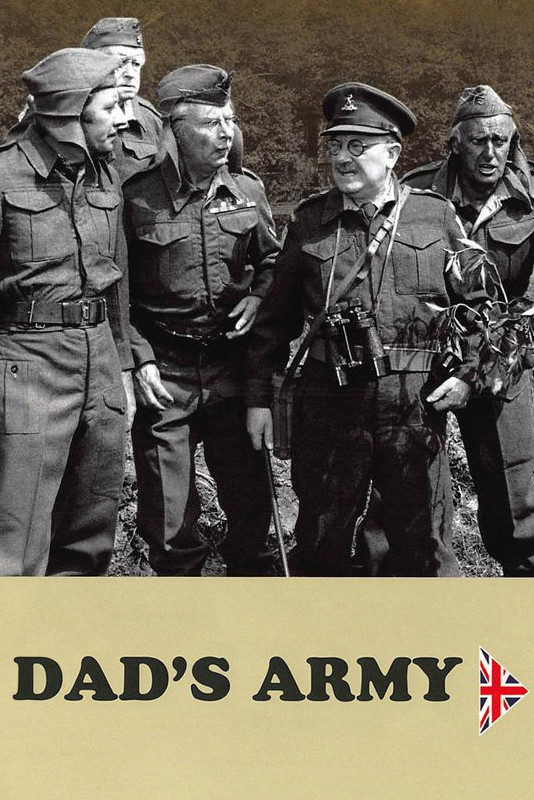
Arthur Lowe gives Captain George Mainwaring a seriousness that never seems put on for our benefit. His insistence on being treated as the senior man is funny because he makes the need for respect so plain. As Sergeant Arthur Wilson, John Le Mesurier has the gentler manner, and his hesitations can undo the captain’s certainty without anything as vulgar as a direct challenge. The contrast in their delivery supplies much of the comedy.
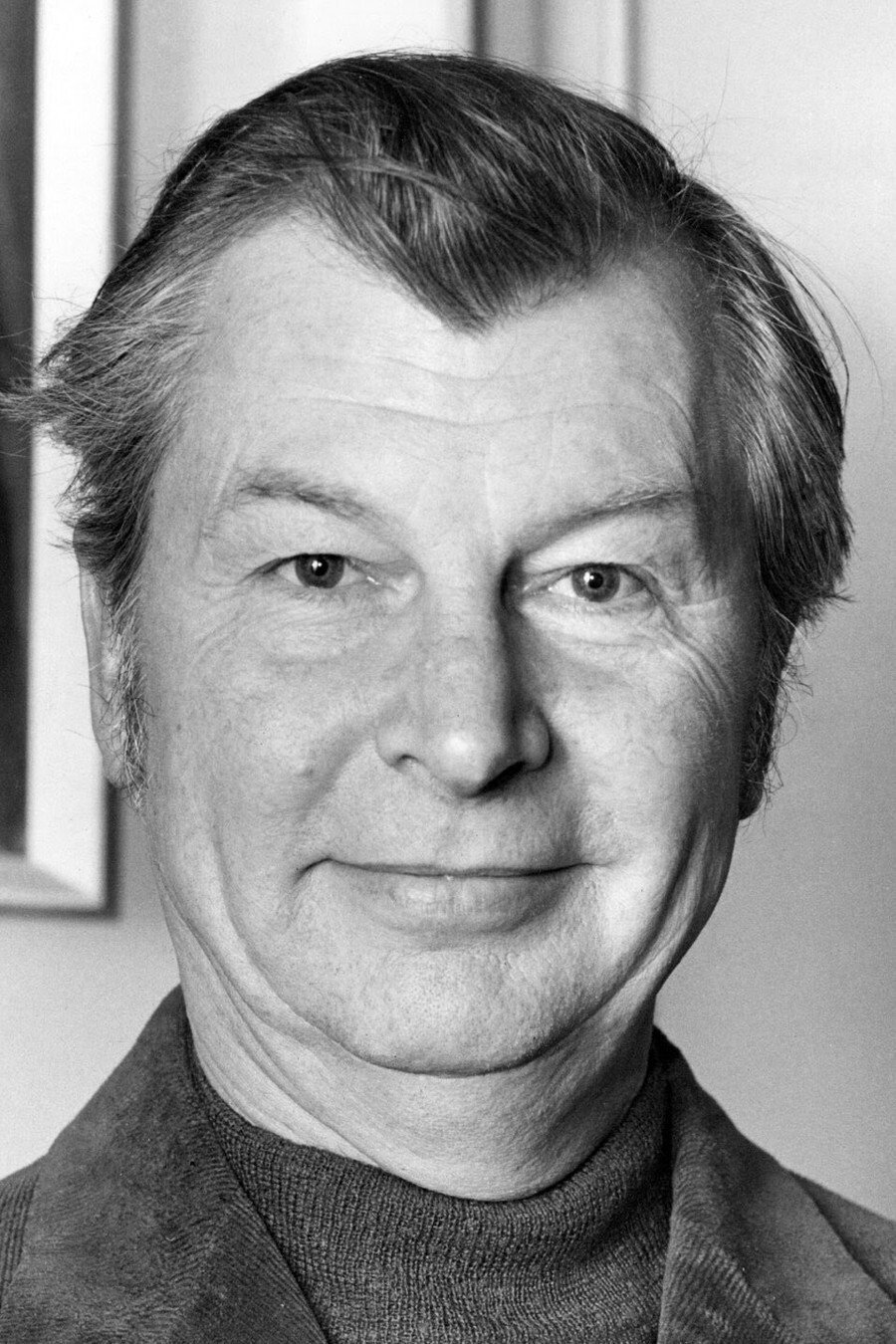
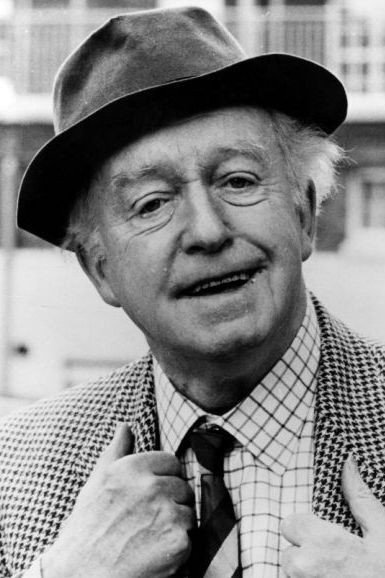
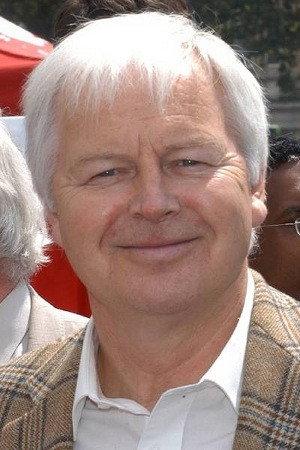
Clive Dunn gives Lance-Corporal Jack Jones a more physical, more insistent comic presence, which helps keep the exchanges from becoming too polite. John Laurie makes Private James Frazer’s severity useful punctuation. Arnold Ridley brings a gentleness to Private Charles Godfrey that deserves the attention paid to the louder performances. Ian Lavender’s Private Frank Pike adds another distinct note of uncertainty. These are broad characterisations, but the actors are alert to one another, and the differences in pace matter.
We were unexpectedly moved by Arthur Lowe’s determination to preserve the captain’s dignity. The effort shows through the pomposity, and it becomes difficult to enjoy his discomfort without also wishing him some relief. Jimmy Perry and David Croft earn that sympathy by allowing the men to be tiresome without exhausting our interest in them. The war gives their fussing a seriousness that the comedy does not need to keep announcing.
David Croft’s direction gives the actors time to listen, an underrated part of comic performance. A reply need not arrive at once, particularly when John Le Mesurier can make the delay itself an assessment of what he has just heard. The half-hour length suits this concentration on small changes of status and mood, leaving little need for a complicated plot. In the stronger episodes, the timing makes even familiar exchanges feel freshly irritating to the people having them.
The weakness is that familiarity sometimes does too much of the work. Jimmy Perry and David Croft can rely on an established response when the situation needs a sharper development, and recognising the character’s habit is not always enough to produce another laugh. Some episodes settle into their expected rhythm early and stay there. The affection also softens the military satire: anyone hoping for a sustained attack on authority will find that the series is happier examining individual vanity.
Within ensemble comedy, its distinction is the care given to people who might easily have been left as a rank and a mannerism. There is pleasure in watching the same performers find small variations, though several episodes in succession can make the repeated behaviour feel overworked. We would take it an episode at a time and let that familiarity accumulate slowly. Start for Arthur Lowe and John Le Mesurier; stay if the rest of the company begins to matter.