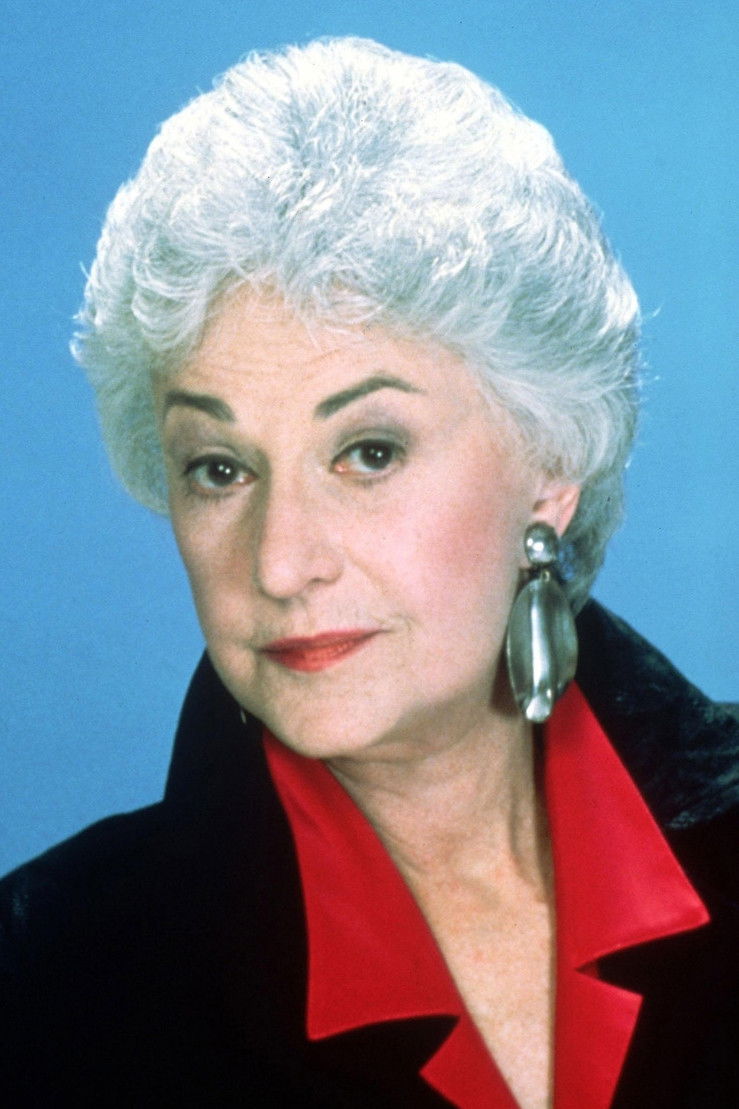
Bea Arthur makes the pause before a sharp reply as funny as the reply itself. We rate her for the recognisable frustration beneath the deadpan, and for keeping The Golden Girls sharp without making it cruel.
Fi1m perspective
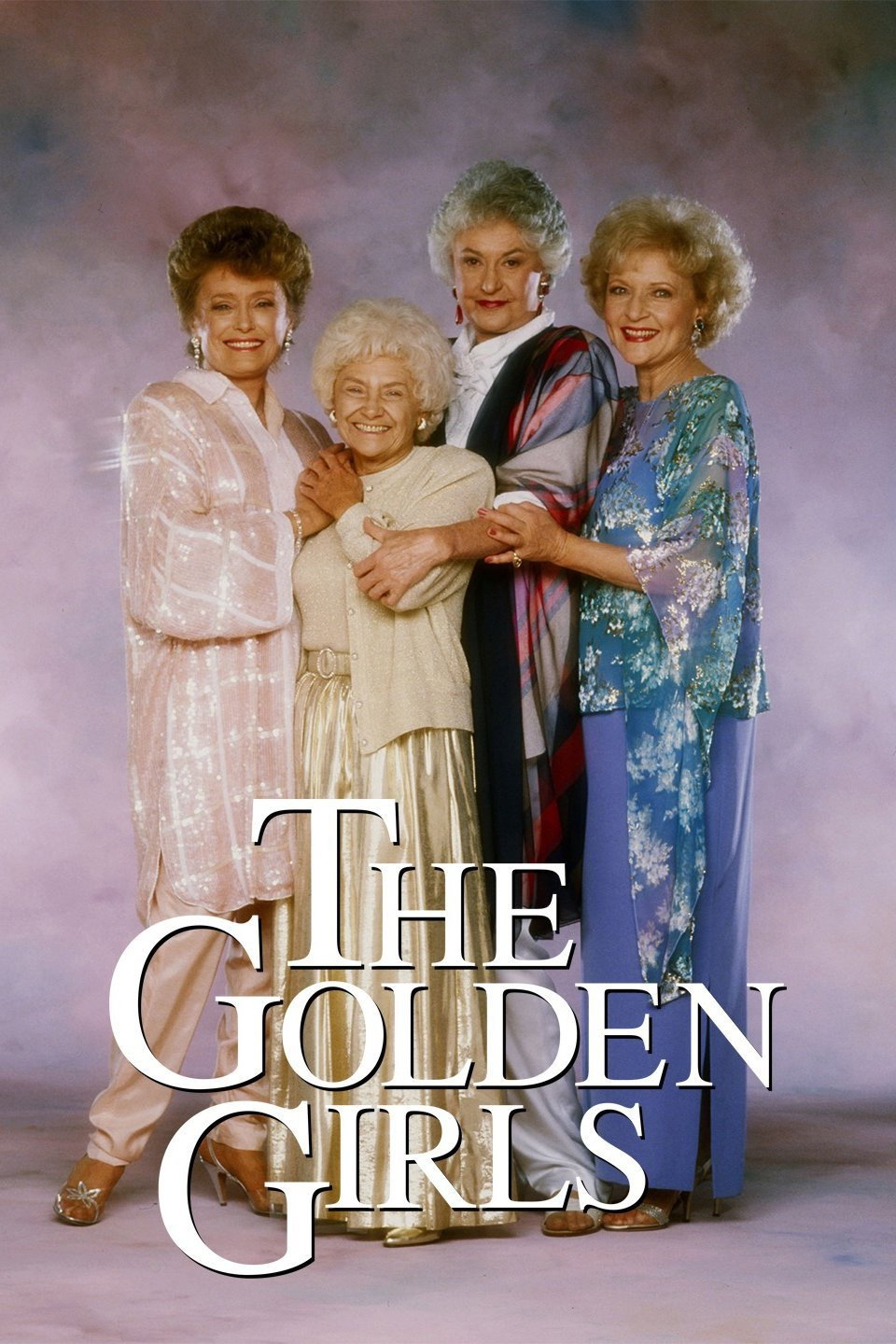
In The Golden Girls (1985), Dorothy Zbornak seems to spend the pause before a reply trying to remain civil. Bea Arthur gives us time to notice the effort, then lets Dorothy abandon it. We laughed at those silent reactions because the struggle not to say something unkind was so recognisable. The deep, husky voice makes the eventual reply sound decisive, but the hesitation has already done much of the comic work. This is acting worth watching even when somebody else has the line.
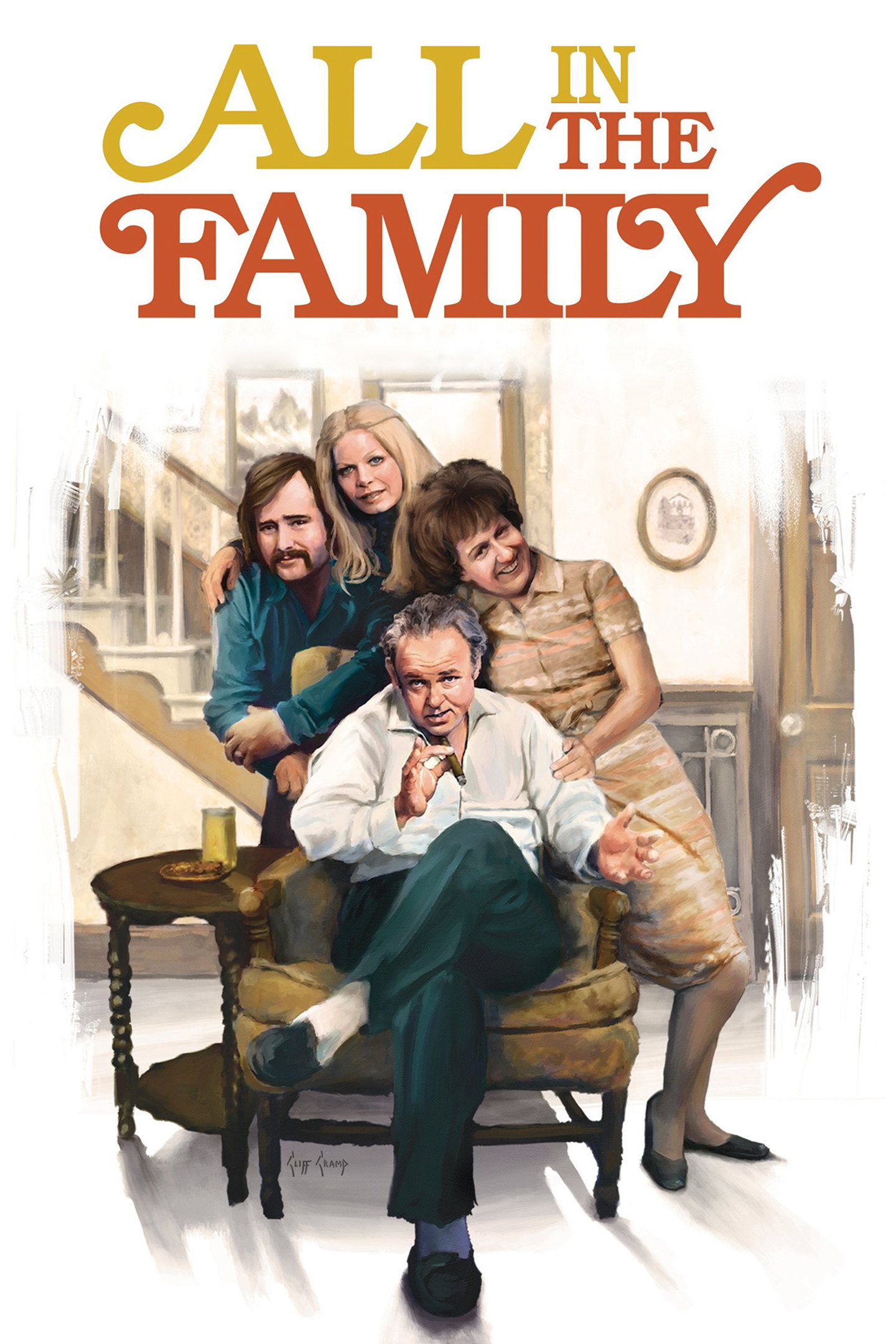
The stage came first, with roles including Vera Charles in Mame (1966), and Arthur carried its discipline into television. Maude Findlay appeared in All in the Family (1971) before becoming the centre of Maude (1972), where her blunt delivery could sustain a leading role. Dorothy meant a return to television and a different balance: the same forceful presence had to work among other strong comic actors. What interests us about that turn is how much Arthur can do by waiting while someone else speaks.
Betty White's Rose Nylund is essential to that balance. White plays Rose's apparent innocence with conviction, rather than signalling that she is setting up Dorothy's next retort. Arthur responds to a person, and we can see why that person is trying Dorothy's patience. We can recognise Dorothy's impatience without needing Rose to be punished for causing it. Susan Harris's sitcom also lets its characters be selfish and affectionate, so Dorothy need not spend every exchange correcting everyone else.
The reservation belongs mostly to the writing. When a conversation turns into a lesson, The Golden Girls briefly loses the pleasure of people irritating one another and starts telling us what to think. Those passages give us less to laugh at, and the actors cannot quite conceal the change. Start with this series for the timing and the crowded supply of jokes, and allow for the occasional lecture.
Biography
Bea Arthur was an American actress and comedian, born Bernice Frankel in New York City on 13 May 1922. She began her career on stage in 1947 and served in the US Marine Corps Women's Reserve during the Second World War. She received critical acclaim for her stage performances, including originating the role of Yente in the Broadway production of Fiddler on the Roof (1964) and winning the Tony Award for Best Featured Actress in a Musical in 1966 for playing Vera Charles in Mame.
Arthur achieved widespread recognition on television from the 1970s as Maude Findlay in All in the Family (1971–1972) and the spin-off series Maude (1972–1978). She later starred as Dorothy Zbornak in The Golden Girls (1985–1992). She won Primetime Emmy Awards for Outstanding Lead Actress in a Comedy Series for Maude in 1977 and for The Golden Girls in 1988, and was inducted into the Television Hall of Fame in 2008.
Her film roles include appearances in Lovers and Other Strangers (1970) and the 1974 film adaptation of Mame. Arthur died in Los Angeles on 25 April 2009.