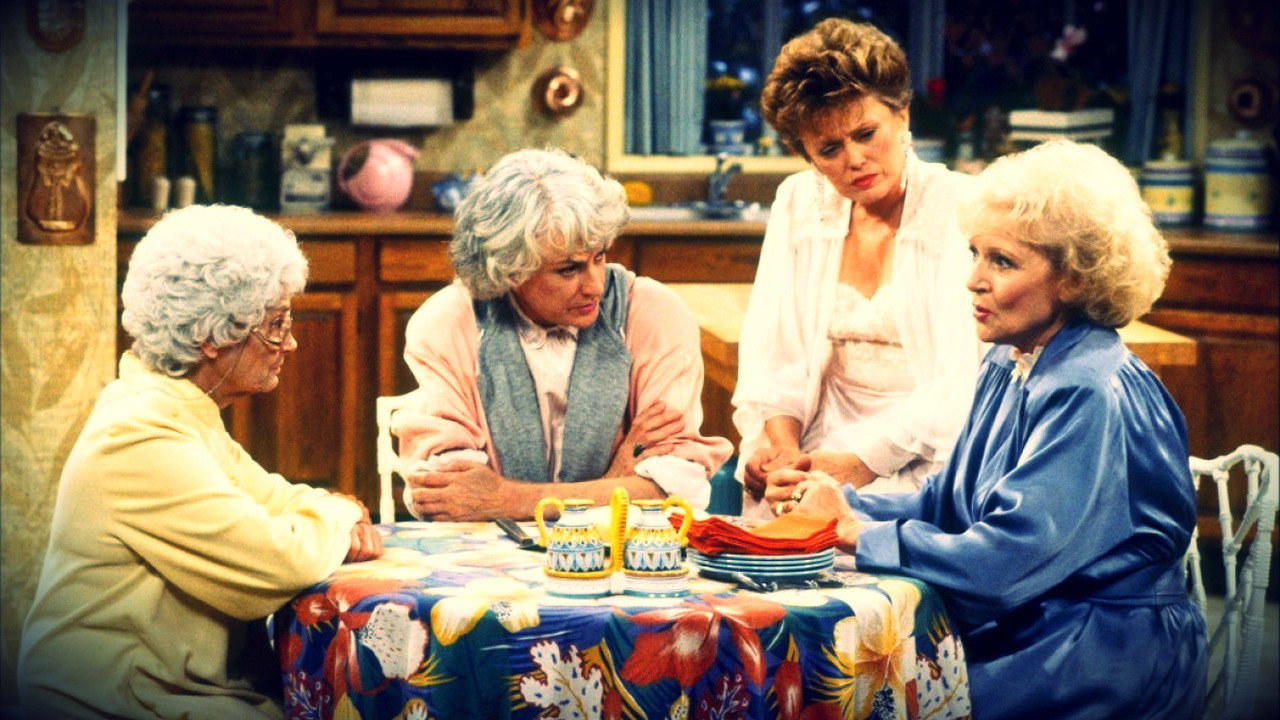
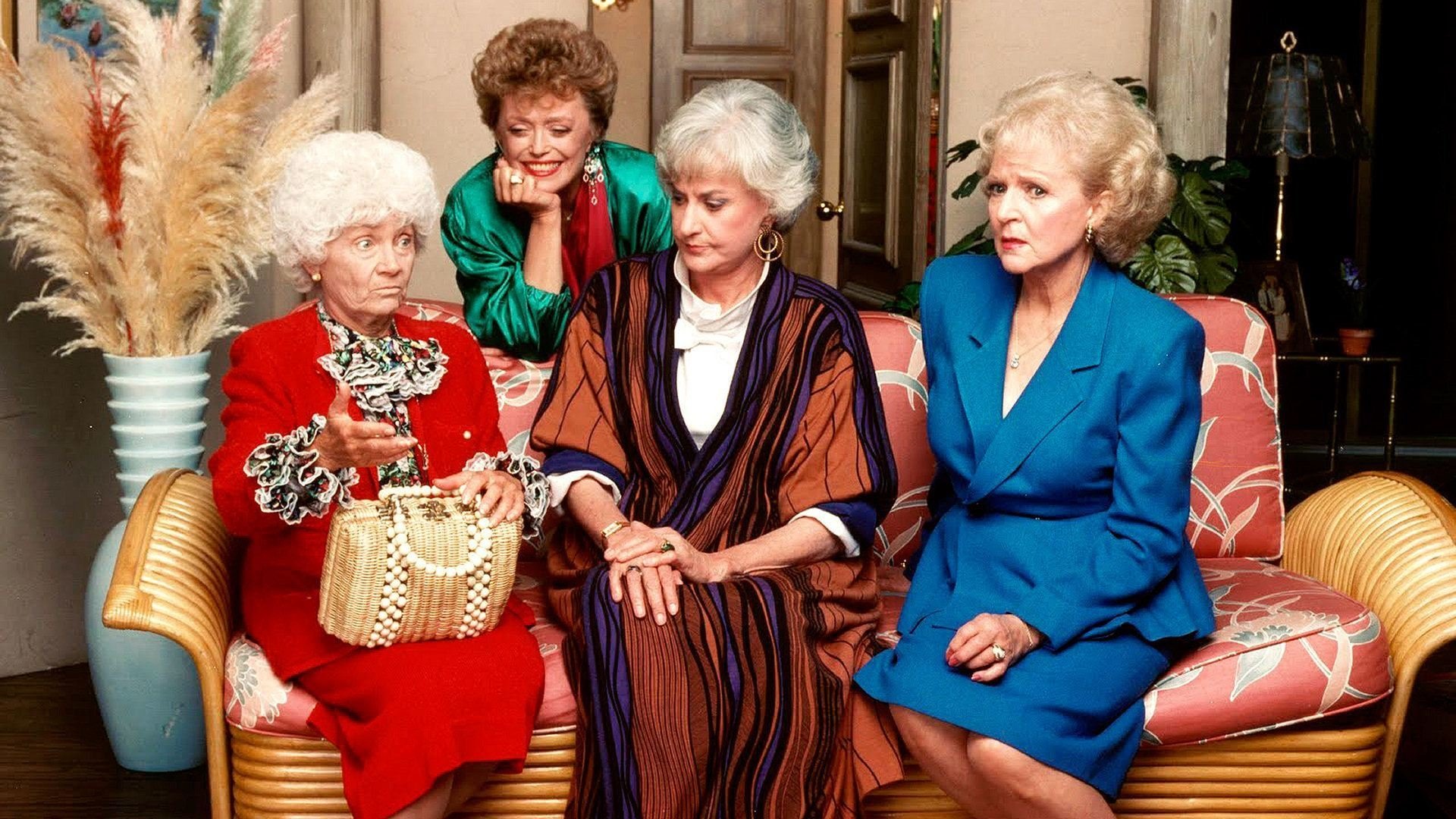
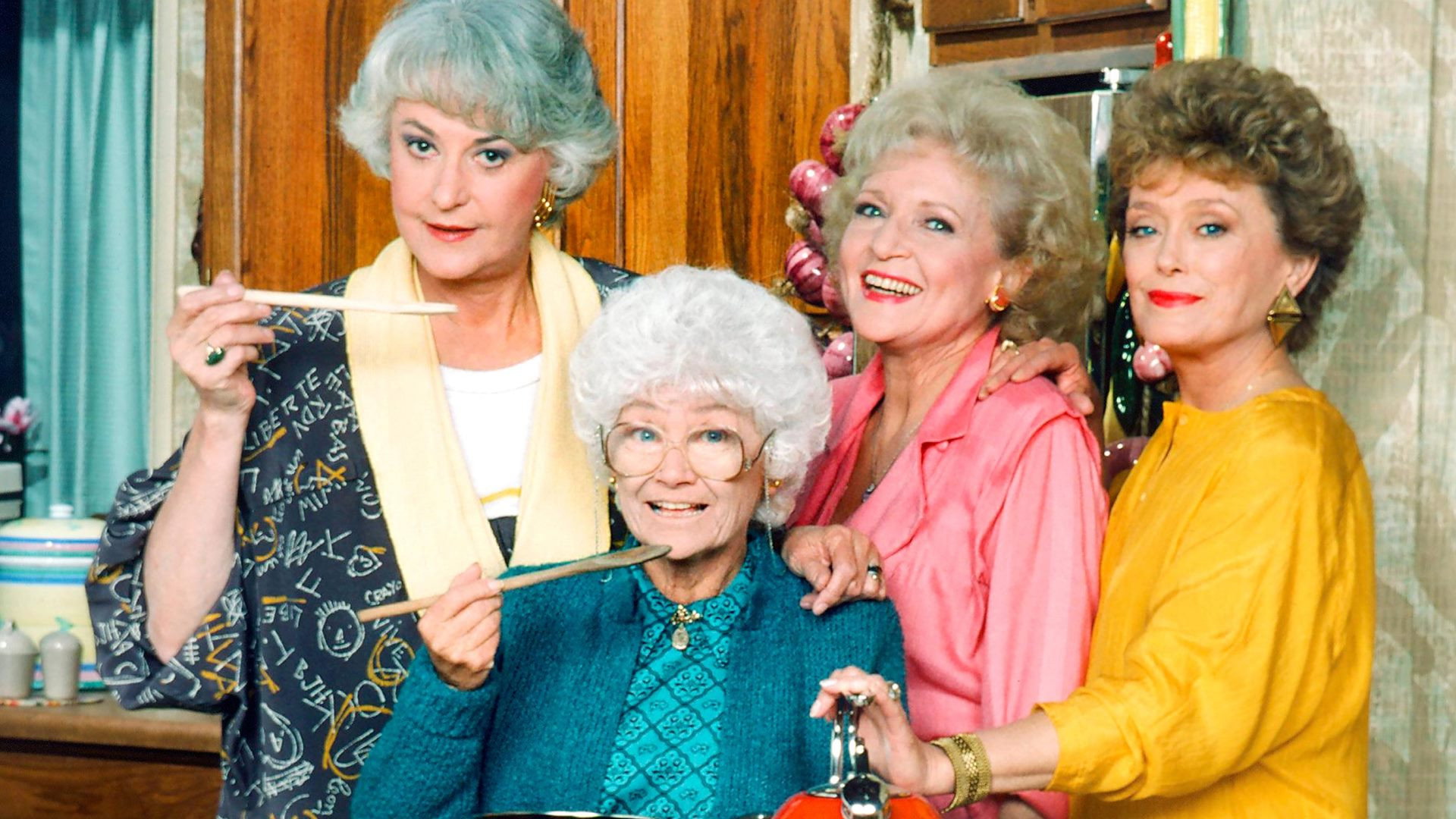
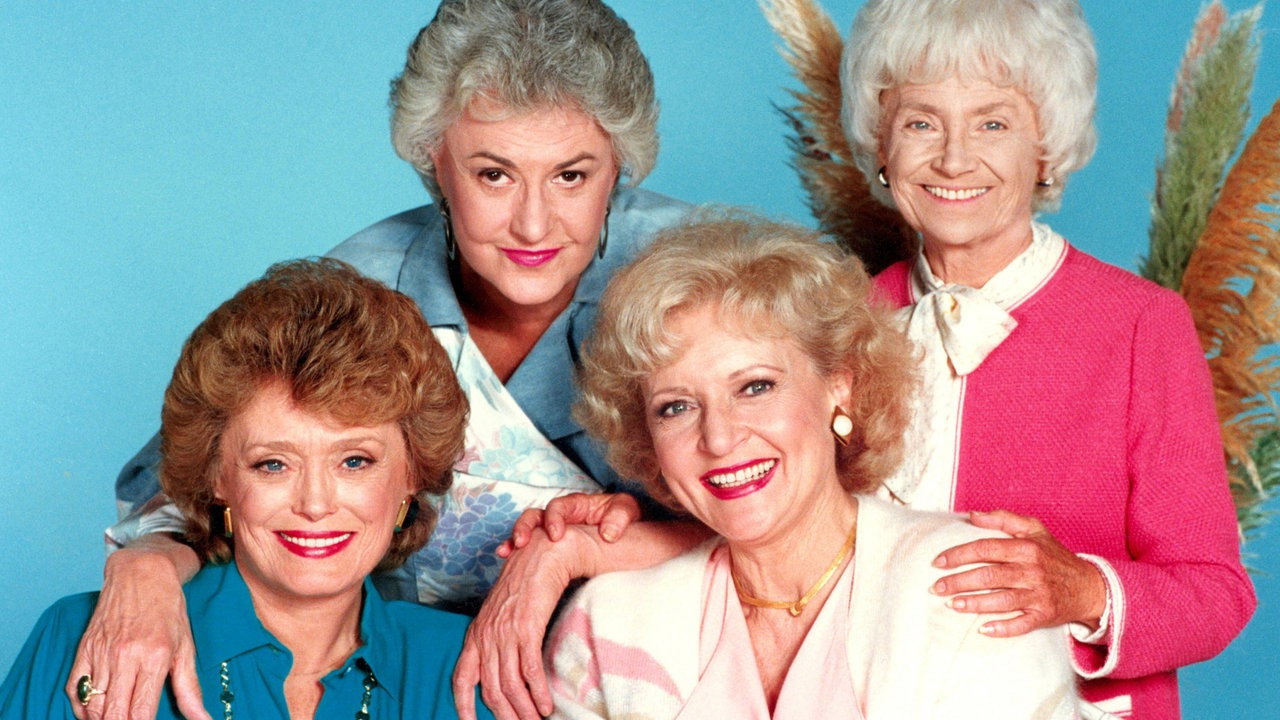
Susan Harris’s sitcom gives four superb comic actors room to be sharp, selfish and affectionate. We recommend it for their timing and the density of the jokes, with a caveat for the moments when a conversation becomes a lesson.
The Golden Girls is a comedy we recommend for the timing of its four leads. Susan Harris puts women over 50 at the centre, gives them lives that do not depend on a man entering the scene, and trusts them to be difficult company. They can be vain, impatient and unreasonable without the programme asking us to stop liking them. That freedom matters more to the humour than any particular subject the writers choose to tackle.
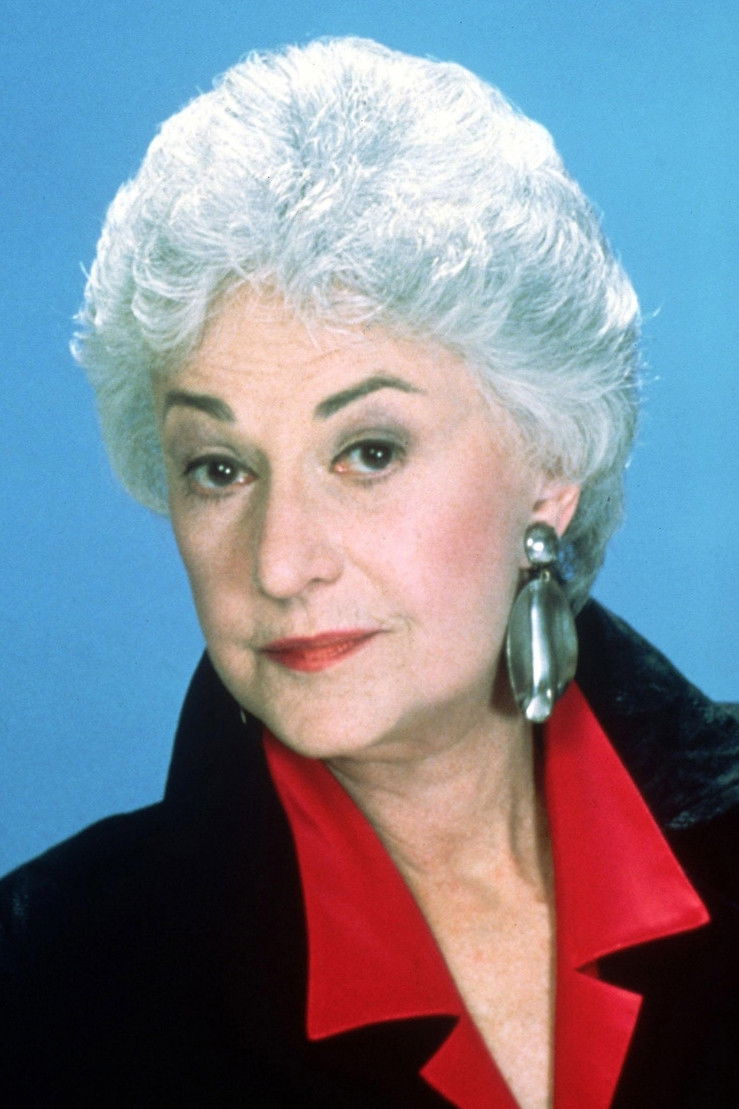
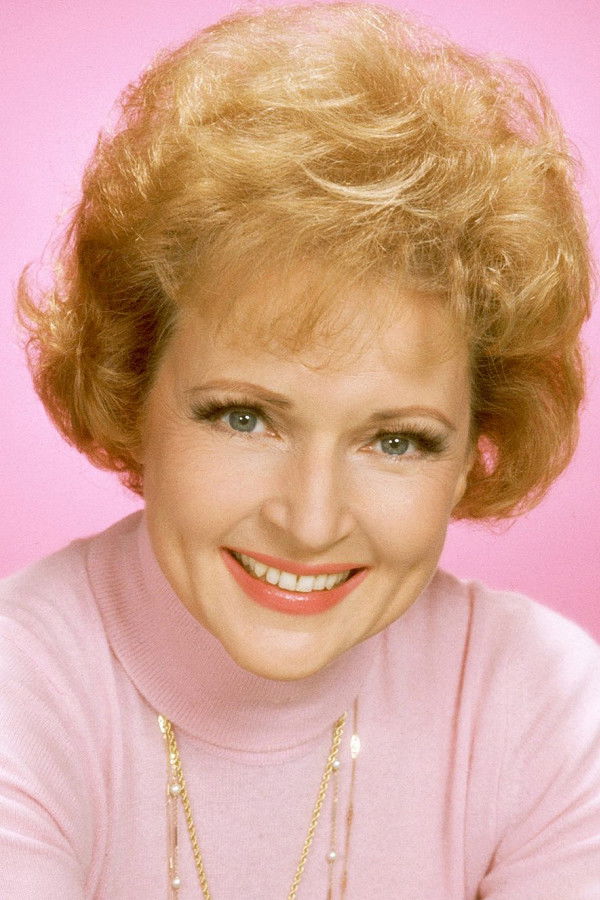
Bea Arthur makes Dorothy Zbornak’s exasperation funny before the reply arrives. She lets a pause last long enough for us to register the effort involved in not saying something unkind, then gives up the effort. We laughed at those silent reactions because she makes failed patience so recognisable. Betty White, as Rose Nylund, gives her plenty to endure, but plays the apparent innocence with such conviction that the character never seems to be knowingly feeding somebody else a punchline.
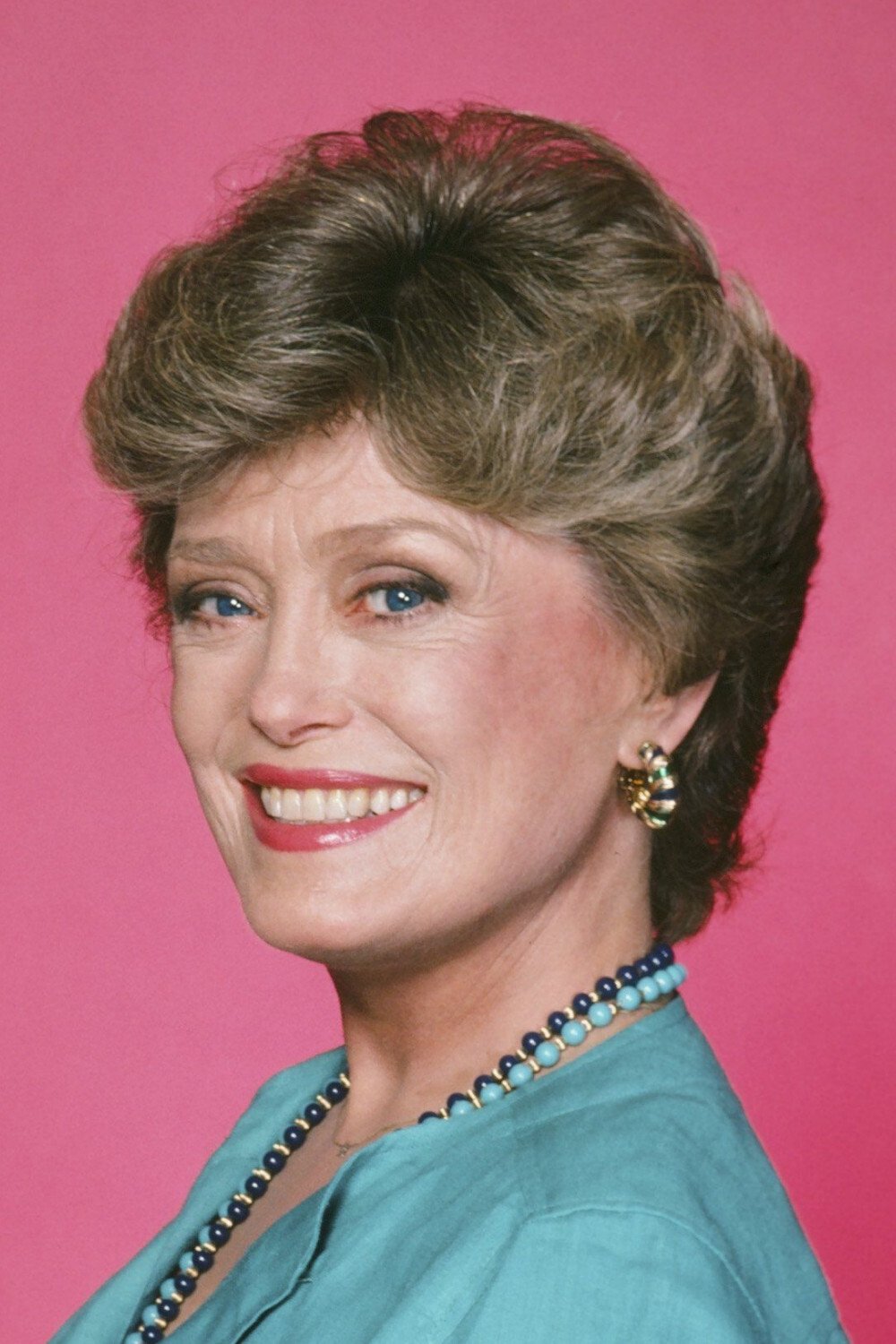
Rue McClanahan gives Blanche Devereaux a confidence that can become tiresome to the other women without becoming tiresome to us. Her pleasure in being noticed is funny because the performance lets us see how much the notice matters. Estelle Getty’s Sophia Petrillo uses fewer words and gives a cutting remark little ceremony. There is a risk of making Sophia simply the person who gets the last laugh, but the briskness of the delivery usually saves her. Together, the four make affection credible between people who frequently sound as though they have had enough of each other.
That is also where the writing earns its keep. Susan Harris, Barry Fanaro and Mort Nathan are among the writers, and the strongest exchanges give every woman something to defend, even if it is only her right to finish a story. A joke can continue through someone else’s reaction rather than end with the person who says it. The series understands a useful thing about ensemble comedy: a good listener can get as big a laugh as a good talker.
The presentation sensibly favours the actors. Terry Hughes, one of the directors, gives the exchanges space; a quicker pace would lose much of the pleasure of watching an unwelcome remark sink in. Edward Stephenson’s production design stays unobtrusive, while George Tipton’s music is light enough to let the voices dominate. The presentation can feel too settled when the writing also falls back on habit, but it rarely distracts from a performance.
The habits are the reservation. The balance between bewilderment, vanity and insult can become predictable, and sometimes a character seems to have been assigned an opinion because somebody needs to set up the next joke. Its willingness to address homosexuality and HIV gives the series subjects worth discussing, but we are less persuaded when the dialogue starts explaining what we ought to think. Those passages can sound like speeches temporarily entrusted to characters who usually know how to interrupt. The performers do a good deal to keep them human.
Across seven seasons, there is plenty of opportunity to recognise the machinery, so we would not recommend racing through it. An episode runs 24 minutes, which is a sensible dose for a comedy so dependent on the particular way someone says something. Give it that much time and listen to the replies as closely as the jokes. We would forgive the occasional lecture for another evening with these four.