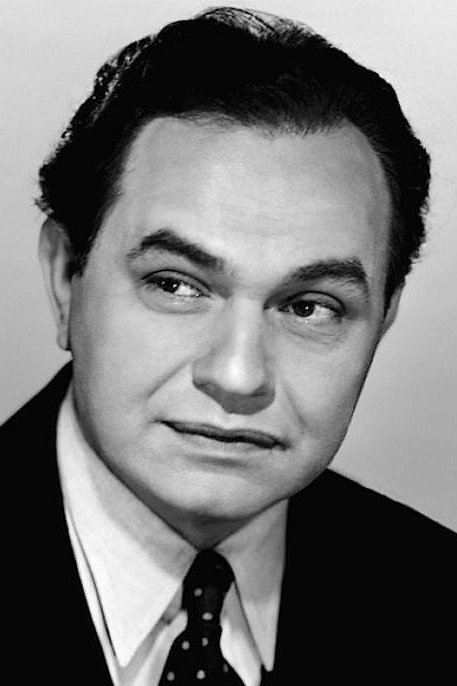
Edward G. Robinson’s forceful speech made him a convincing gangster, but we value the warmth he could bring to authority. In Double Indemnity, he makes the approval of a clever man matter enough to hurt.
Fi1m perspective
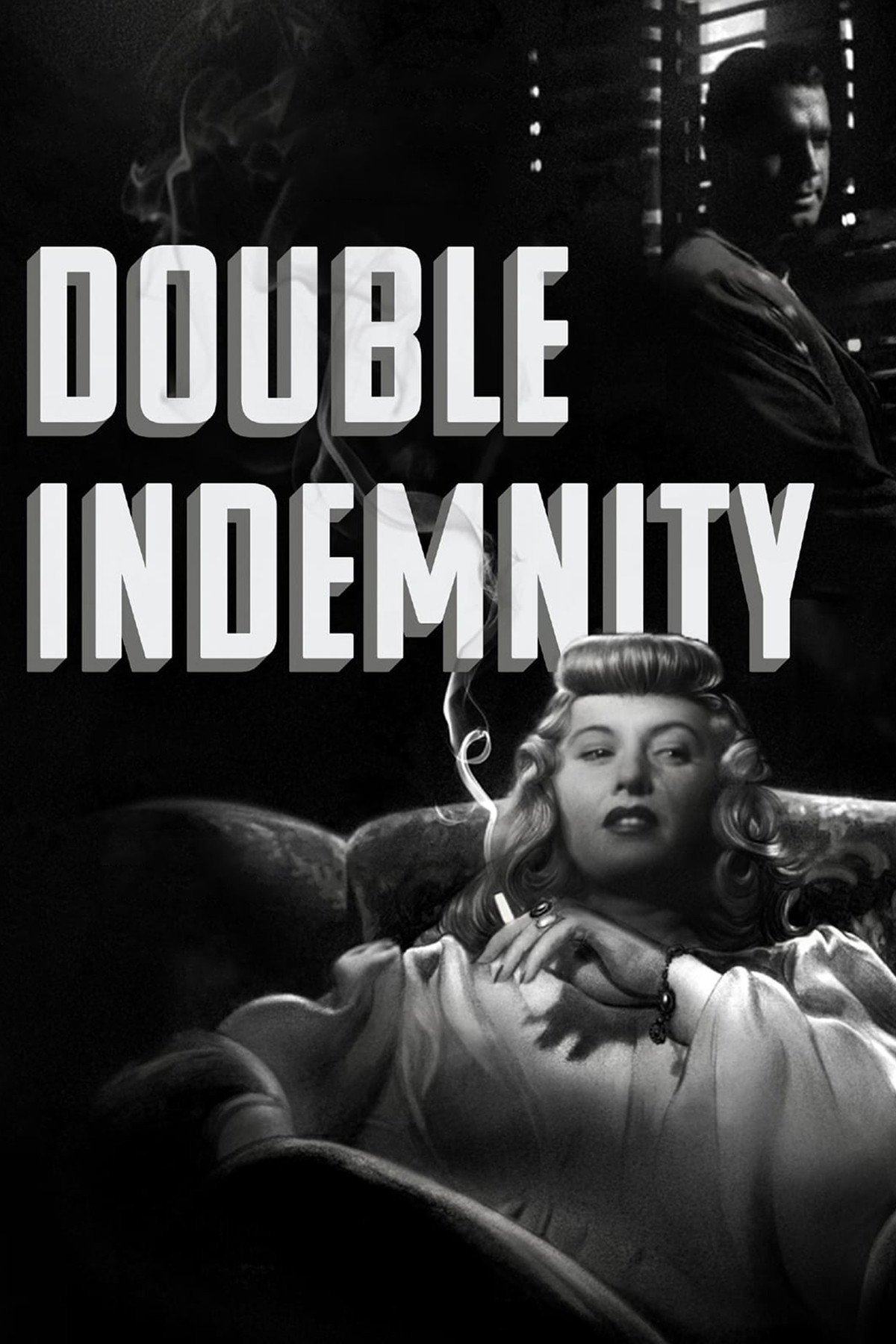
When Edward G. Robinson’s Barton Keyes talks to MacMurray’s Neff in Double Indemnity (1944), a quick answer is no longer enough. Keyes is too intelligent to be brushed aside, and Robinson makes his good opinion worth having. His conversational authority puts pressure on Neff without making their exchanges feel like a succession of interrogations. The pleasure is in hearing a demanding man talk to someone he likes. We warmed to Keyes because Robinson lets that affection come through without making him any less exacting.
The gangster image began with his breakthrough as Rico Bandello in Little Caesar (1931), and it proved difficult to shake. Short and stocky, with rapid, emphatic delivery, Robinson had the physical and vocal force for men who expected to be obeyed. Yet the mild-mannered men were also part of his work: Scarlet Street (1945) offered an ordinary man drawn into moral compromise. By Key Largo (1948), he was back playing a gangster, Johnny Rocco, opposite Humphrey Bogart. Treating the snarl as the whole performance leaves too much of this actor out.
Double Indemnity also makes a useful case for acting that need not resemble casual conversation. Its dialogue is conspicuously written, and anyone wanting naturalistic speech will need a few minutes to adjust. Robinson’s precision makes the adjustment worthwhile, especially alongside MacMurray. Billy Wilder gives the two men room to build the film’s strongest relationship, making Neff’s behaviour feel meaner because we know whose good opinion matters to him. We would not trade those exchanges for more ordinary talk.
His opportunities narrowed in the early 1950s, before Dathan in The Ten Commandments (1956) helped restore him to prominent roles. The work continued through Sol Roth in Soylent Green (1973), his final film. Those later parts are worth keeping in view when the gangster image threatens to take over again. Begin with Double Indemnity, then try the ordinary man in Scarlet Street before returning to the gangsters.
Biography
Edward G. Robinson was an American actor. Born Emanuel Goldenberg in Bucharest, Romania, on 12 December 1893, he emigrated to the United States as a child and grew up in New York. He trained at the American Academy of Dramatic Arts and began his career on the Broadway stage before making his film debut in the silent era.
Robinson appeared in more than 100 films. He is known for roles including Caesar Enrico 'Rico' Bandello in Little Caesar (1931), Barton Keyes in Double Indemnity (1944), Johnny Rocco in Key Largo (1948), Dathan in The Ten Commandments (1956) and Sol Roth in Soylent Green (1973). He received a posthumous Honorary Academy Award in 1973.