Billy Wilder’s crime thriller deserves its reputation, with viciously funny dialogue and three finely judged lead performances. Neff becomes willing to kill rather quickly, but we would recommend it to almost anyone.
Billy Wilder’s Double Indemnity is a crime thriller we would recommend without asking much about anyone’s taste. It makes desire, vanity and murder horribly easy to follow, giving us clever people whose intelligence does little to restrain them. Working from James M. Cain’s novel, Wilder and co-writer Raymond Chandler make the characters’ verbal cleverness part of what gets them into trouble. There is something unnerving about hearing people discuss appalling choices with such confidence.
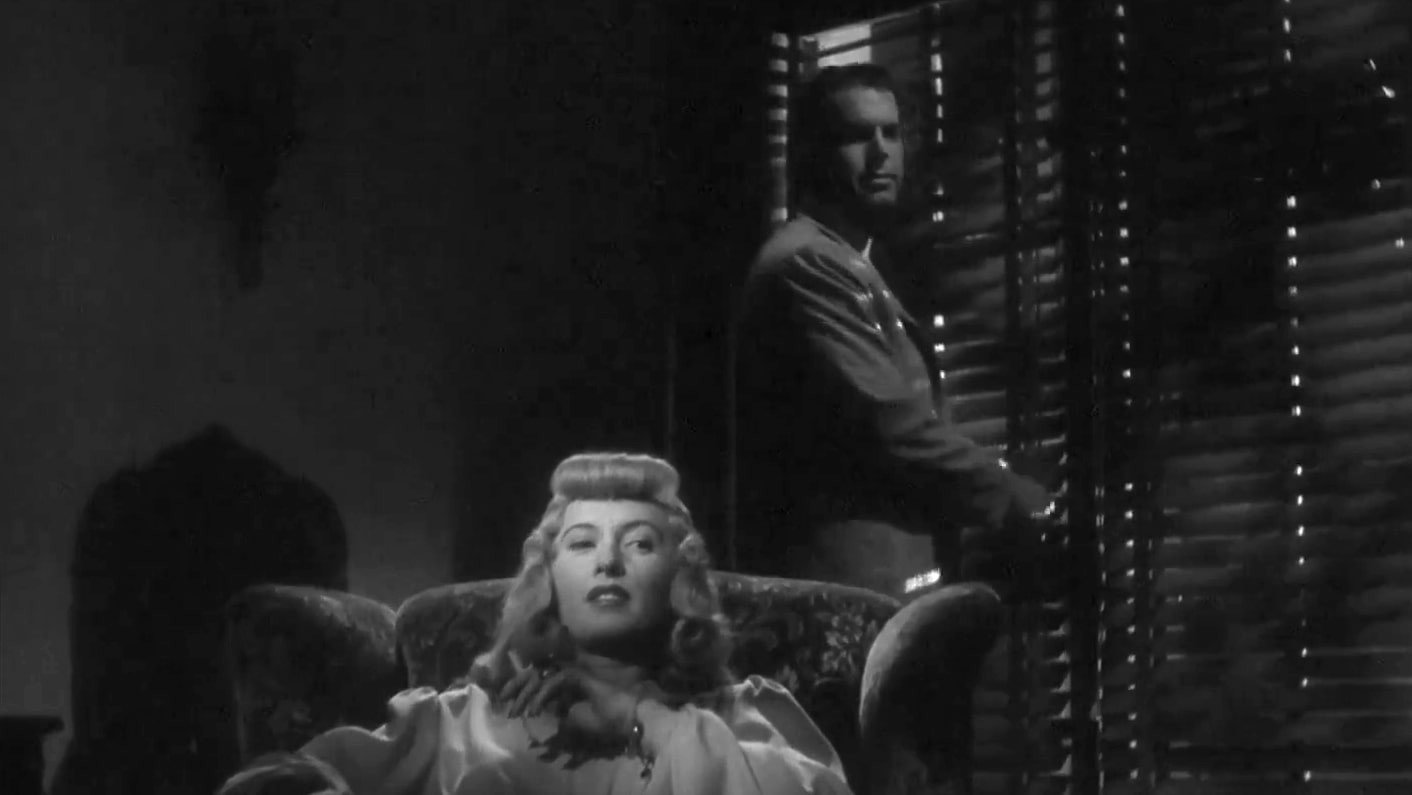
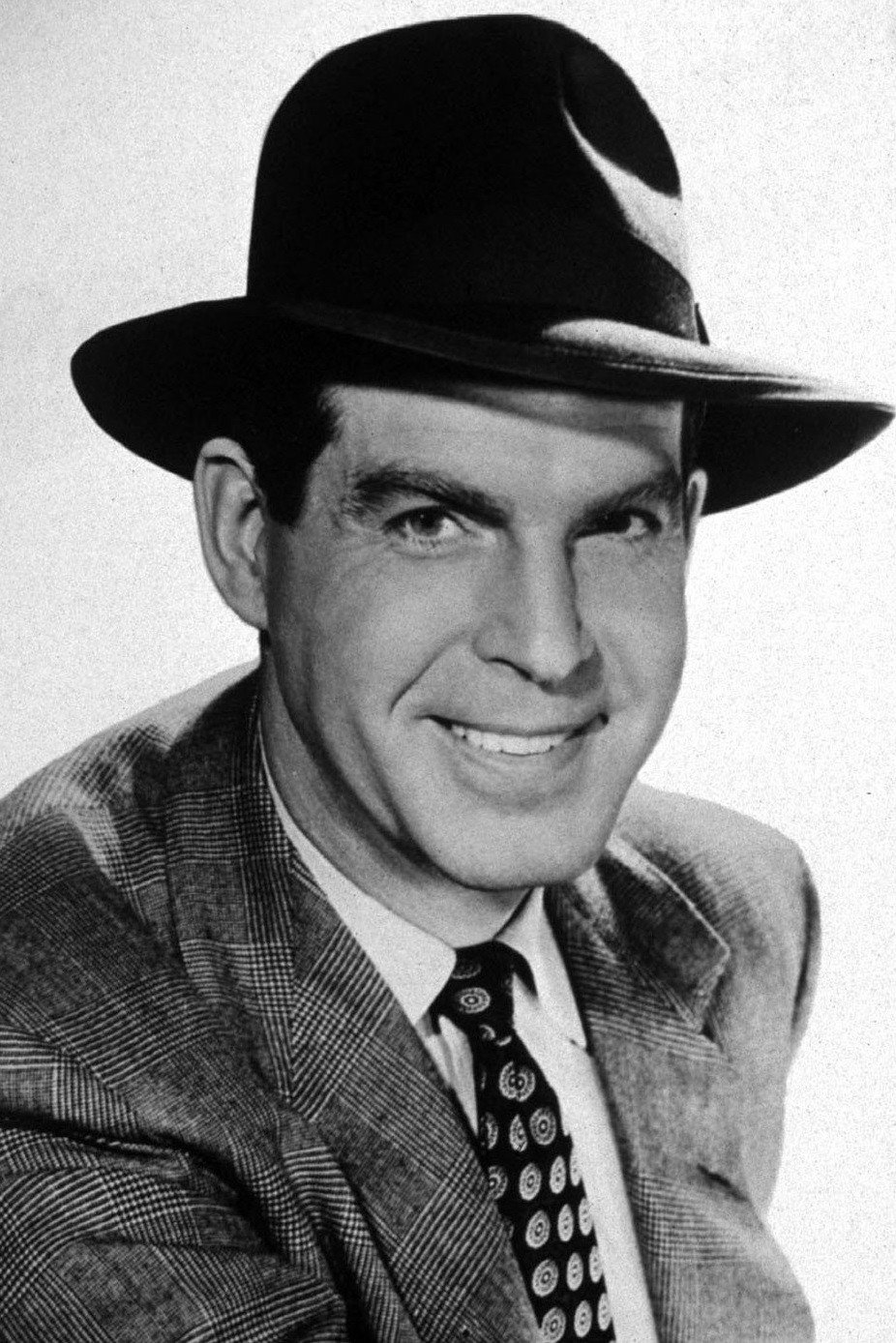
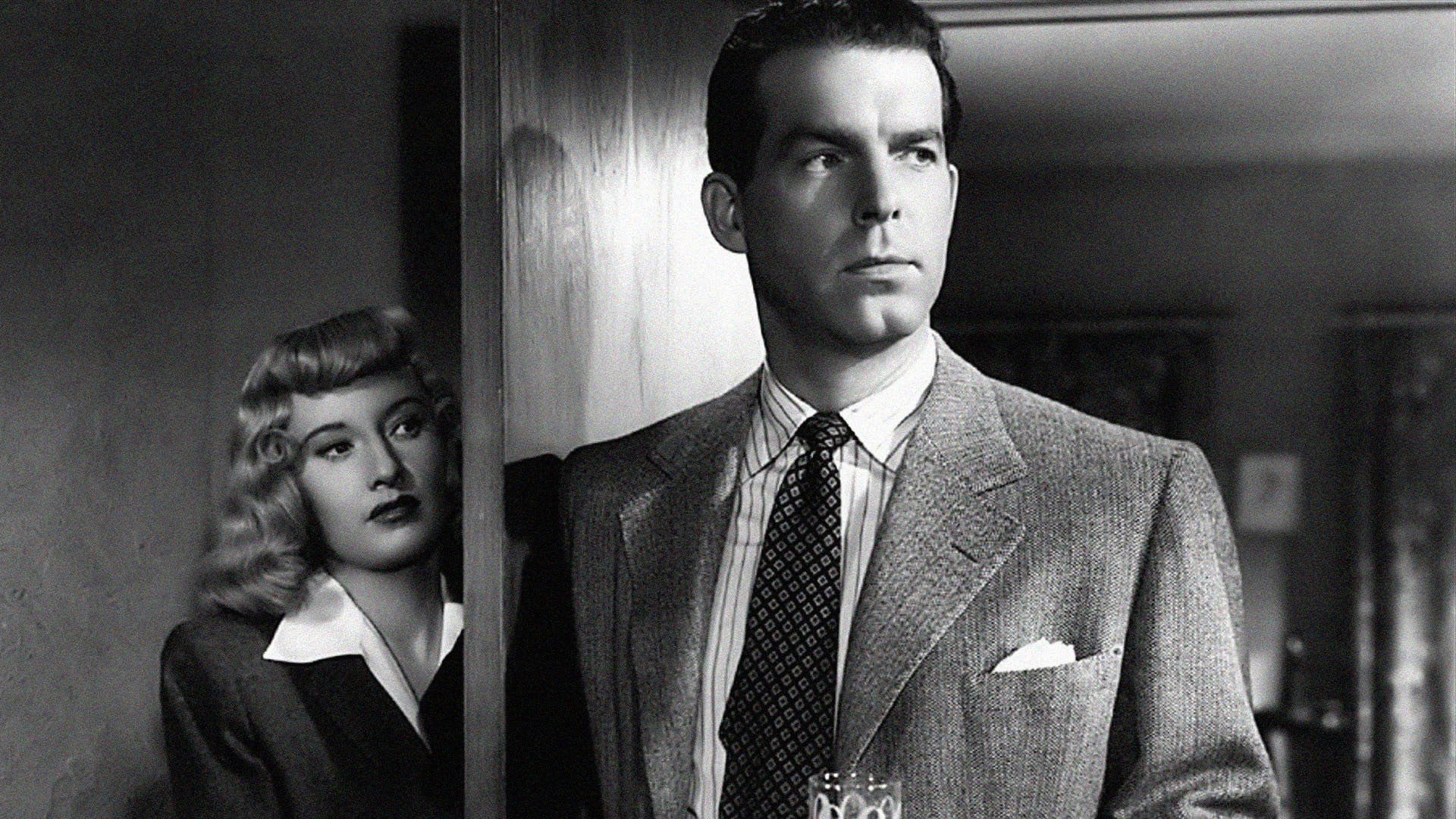
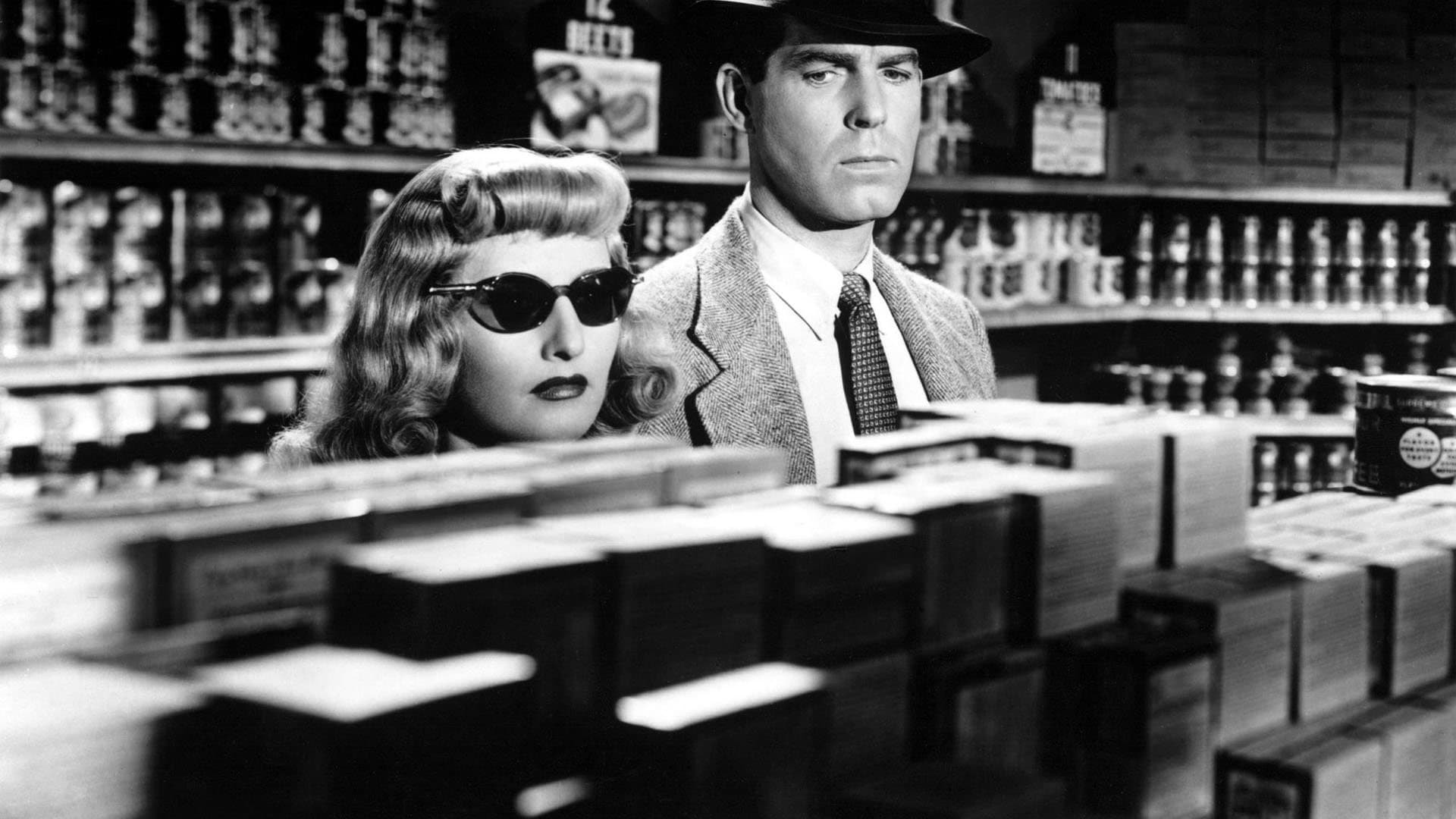
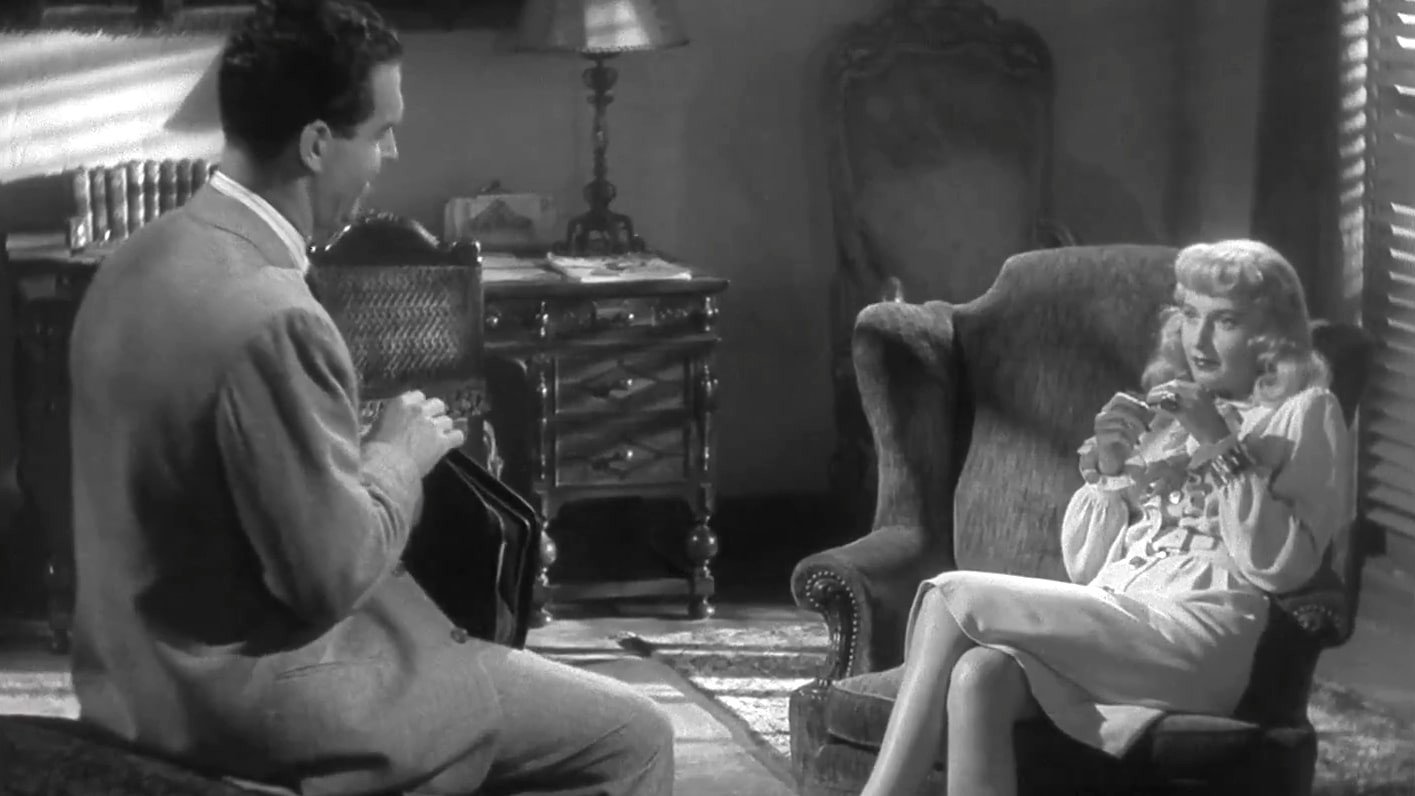
Fred MacMurray plays Walter Neff with a smoothness that makes his bad judgement harder to dismiss. There is pleasure in hearing him work a conversation, and Barbara Stanwyck’s Phyllis Dietrichson always seems to have an answer ready. We laughed at their attempts to outtalk each other, then felt uneasy about how much we enjoyed their company. Wilder lets the flirtation run close enough to calculation that each apparent success in the exchange makes the prospect of trouble more convincing.
Stanwyck is particularly good at keeping Phyllis’s calculations from becoming a separate performance for the audience. She is cool enough to unsettle us without draining the flirtation of its pleasure, and MacMurray’s readiness to be impressed gives her something useful to play against. The weakness is how readily Neff’s attraction becomes willingness to contemplate murder. The screenplay relies on his vanity to cover a considerable distance, and there is a point where we can see it hurrying him along.
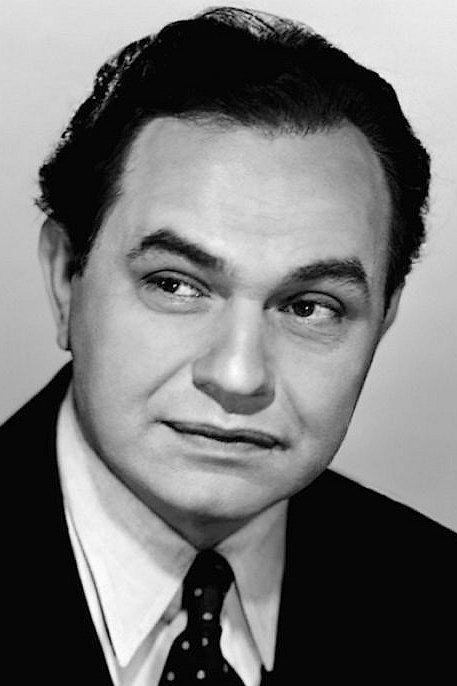
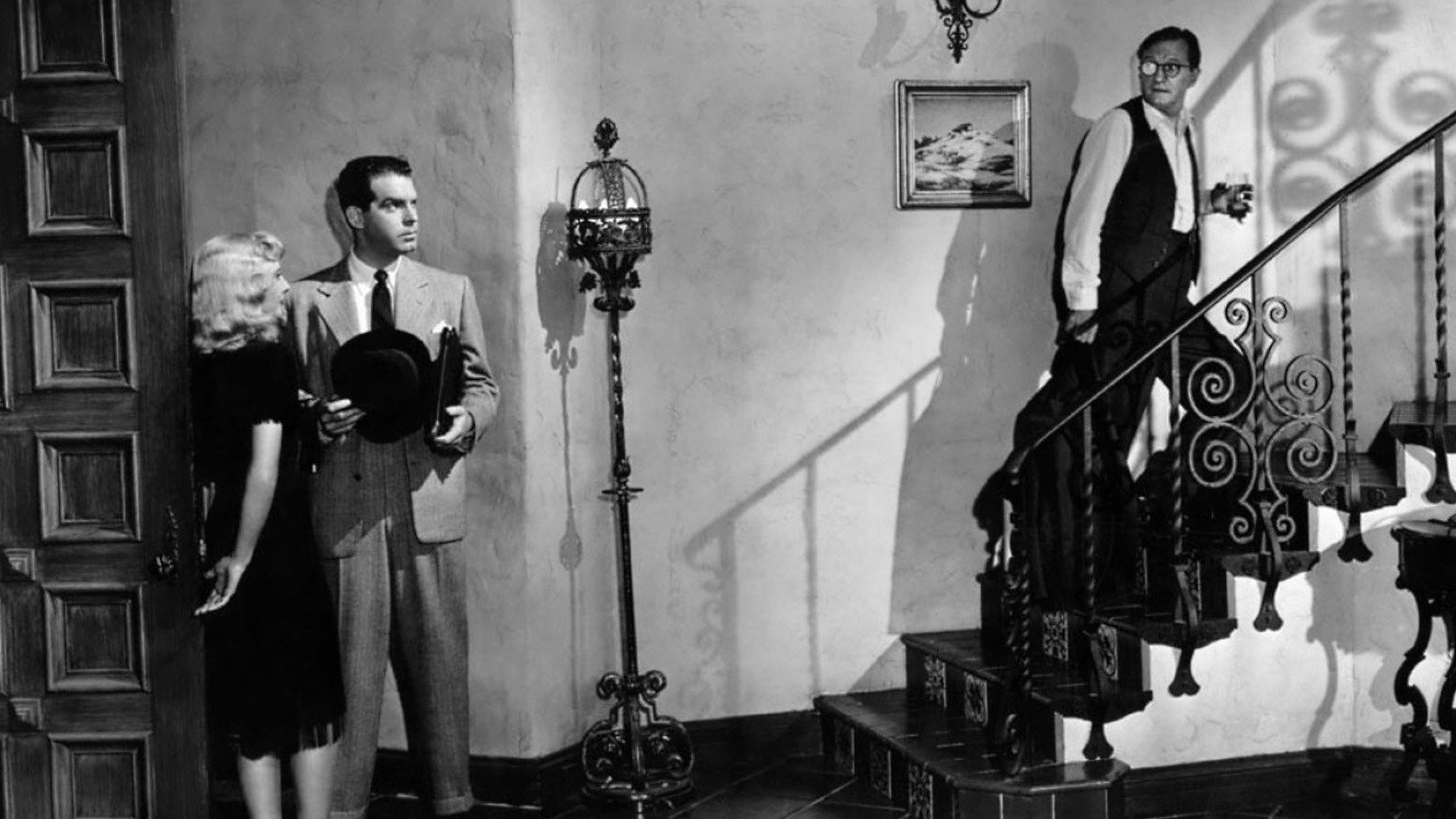
Edward G. Robinson, as Barton Keyes, gives the film its strongest relationship in his scenes with MacMurray. His conversational authority puts a different kind of pressure on Neff: suddenly the quick answer has to satisfy someone whose good opinion matters. Robinson finds warmth without softening the character’s intelligence, and the affection between the men makes Neff’s behaviour feel meaner. Wilder gives the two men room to enjoy each other’s intelligence.
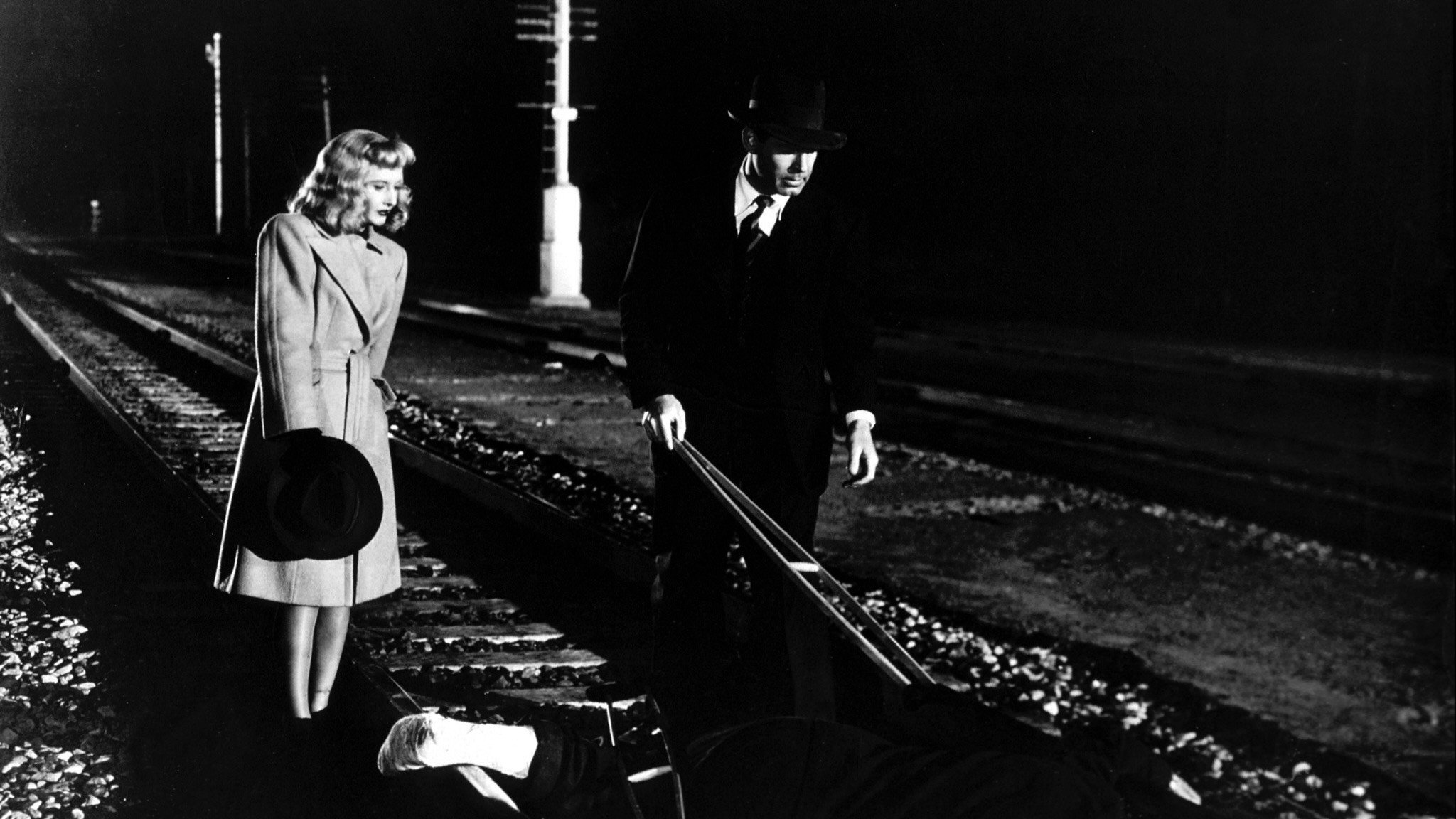
John F. Seitz uses hard contrasts of light and shadow, making the exchanges look more threatening than they sound. Even when the dialogue is funny, those shadows keep the unease in view. Doane Harrison’s editing gives the exchanges enough room for each actor’s response to count, while keeping the suspense from disappearing beneath the talk. We have time to notice how a reply lands before someone tries to take charge again.
Miklós Rózsa’s score presses harder on the danger than the performances need. The actors can make a pause troubling; the music occasionally insists that we notice. Neff’s voice-over is more persuasive, because MacMurray makes the carefully written sentences sound like a man’s preferred account of himself. Chandler and Wilder give him plenty to say, and much of the pleasure comes from listening for the self-approval beneath his fluency.
As film noir, Double Indemnity earns its reputation through the attention it pays to people enjoying their own bad judgement. Its dialogue is conspicuously written, and anyone wanting casual, naturalistic speech will need a few minutes to adjust. We would happily make that allowance for the precision of these three performances and the ugly intimacy of their conversations. Watch it for Stanwyck and stay alert whenever Robinson starts talking.