Lawrence Kasdan’s Body Heat is a seductive, carefully made thriller with William Hurt and Kathleen Turner at its centre. Its debt to older noir sometimes shows too plainly, but the leads make foolish desire entirely credible.
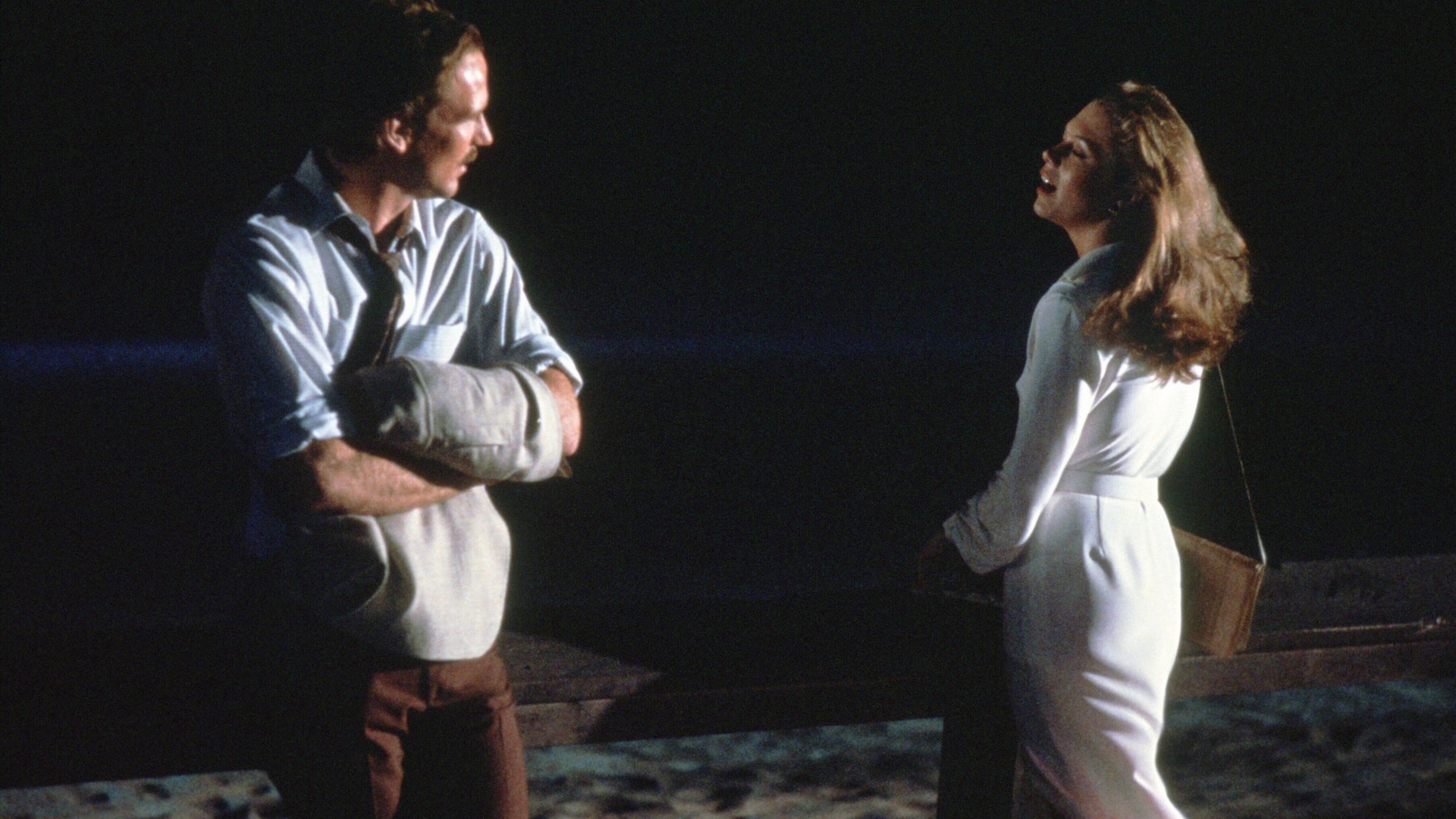
The affair in Body Heat has to convince us before the crime can matter. Lawrence Kasdan understands that, and gives desire enough time to make sensible objections feel beside the point. This is a seductive, absorbing thriller, held back a little by its fondness for familiar noir tricks. Its strongest passages let us watch two people together and understand why they might behave unwisely; the suspense depends on believing in that attraction, and the film gives us good reason to believe.
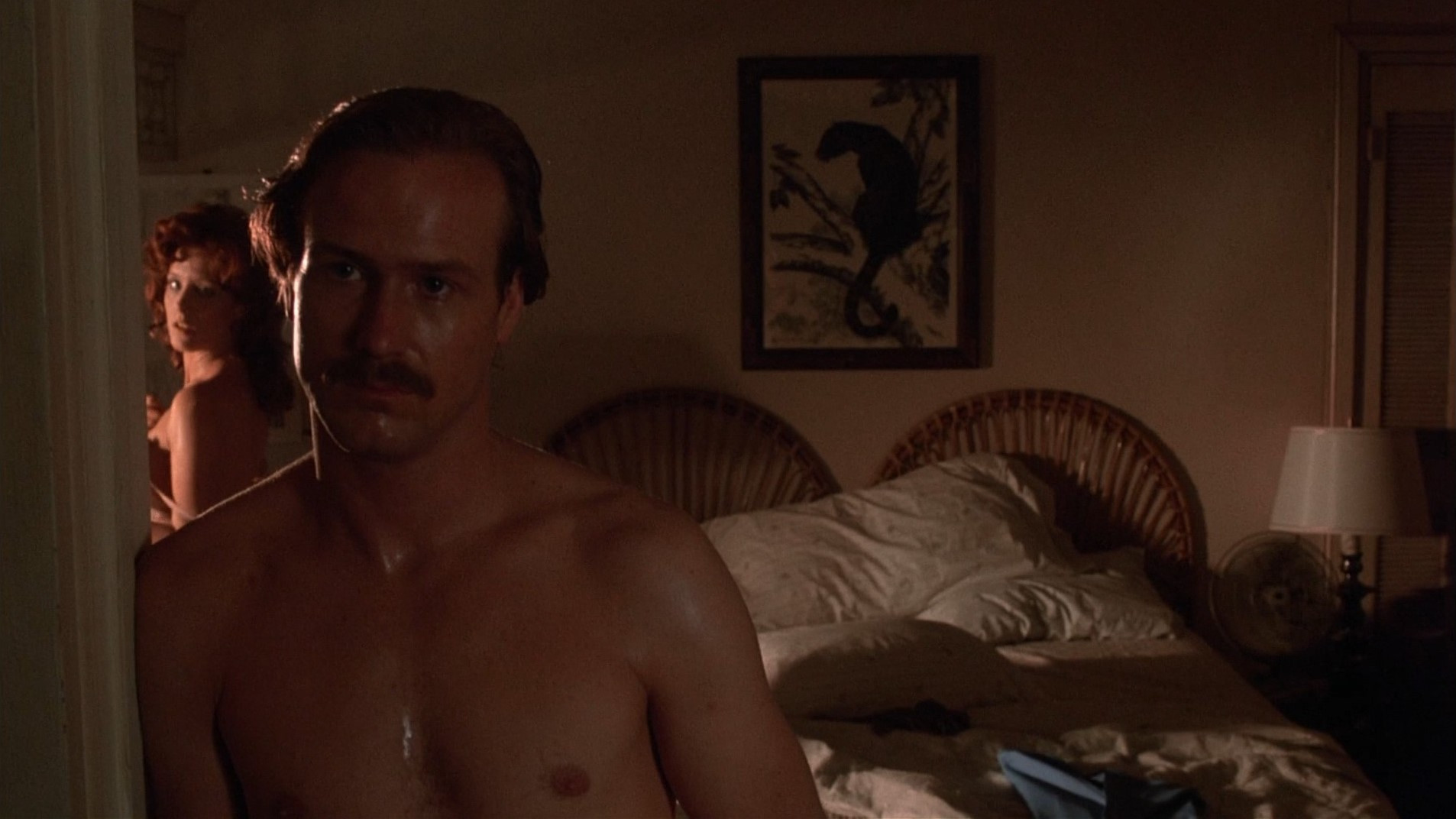
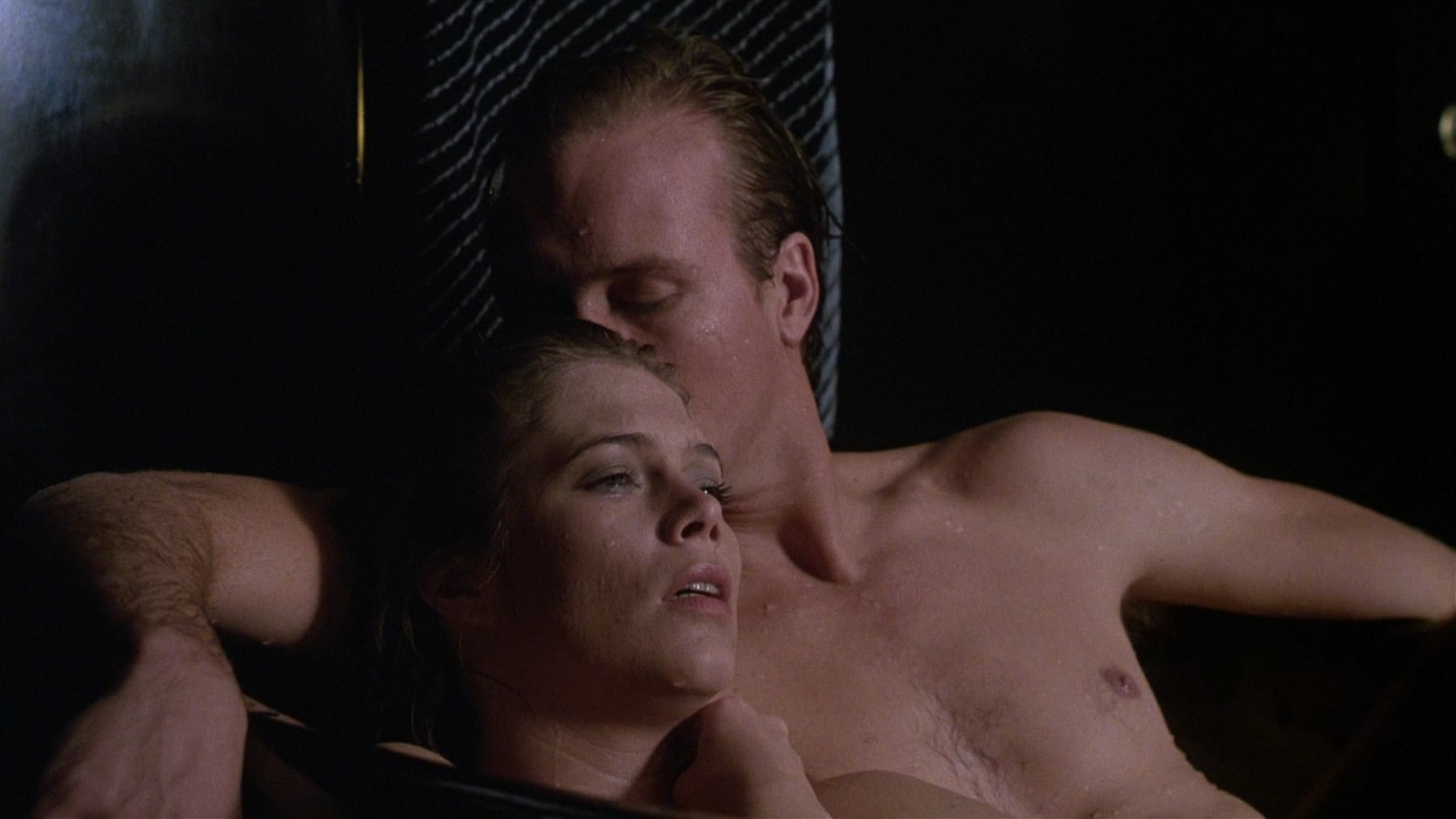
Kathleen Turner plays Matty Walker with a composure that makes every exchange feel slightly unequal. She does not keep demonstrating how dangerous this woman might be, and her restraint lets us do some of the worrying. William Hurt’s Ned Racine makes desire look like an excellent excuse for not examining his own conduct. We felt uneasy watching them together, because Turner’s self-possession leaves Hurt’s eagerness so plainly exposed.
Richard H. Kline’s use of colour and blinds makes the interiors feel hot and airless. The references to older noir are clear, but the photography gives the heat enough force that it rarely feels like an exercise in copying a style. Bill Kenney’s production design supports that discomfort, making the spaces around the lovers seem to offer little relief. The surroundings keep us conscious of the heat even when the affair occupies our attention.
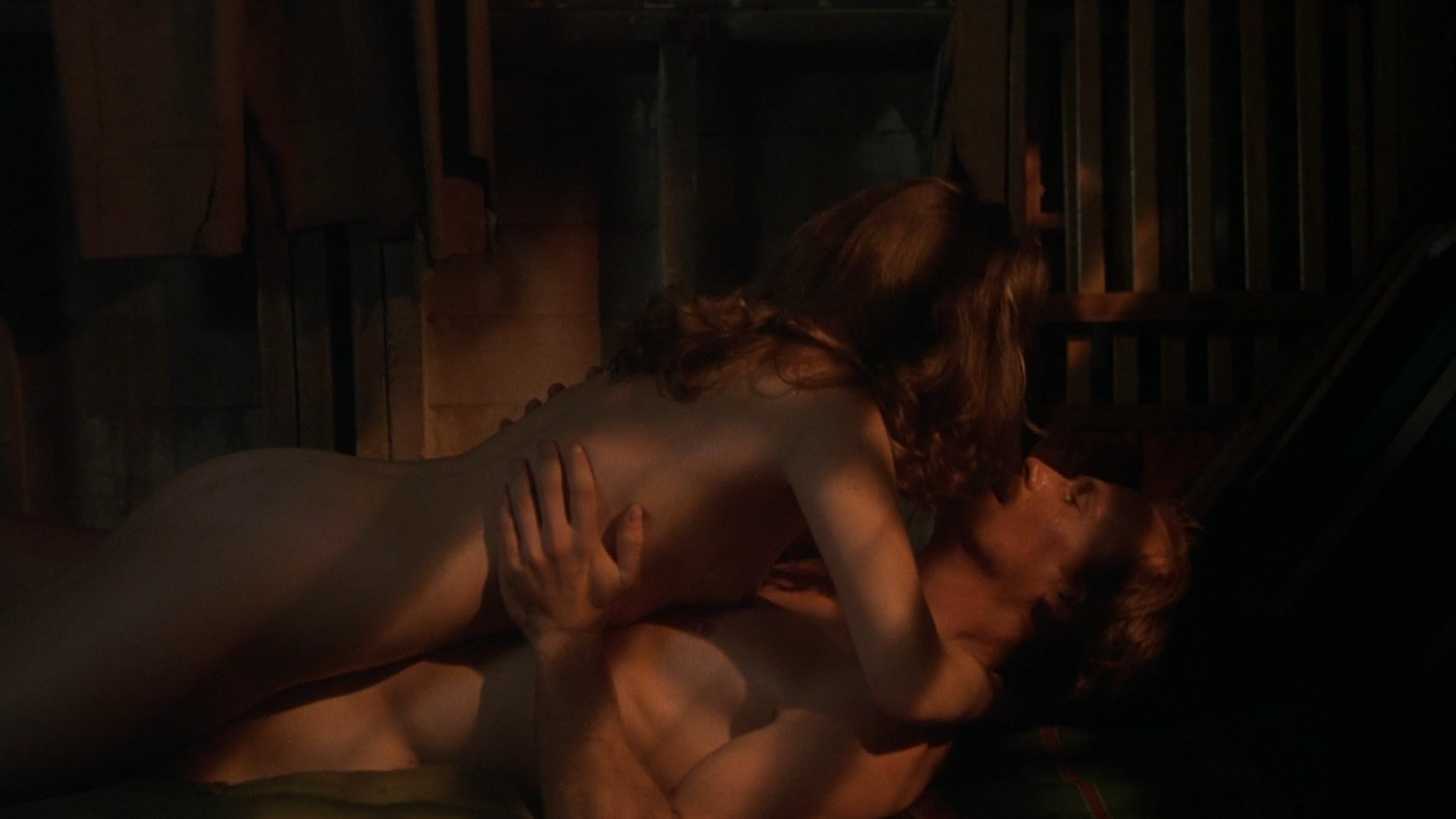
Carol Littleton’s editing deserves credit for how readily we accept the time spent on the attraction. The intimate passages have enough interest of their own that there is no impatient waiting for the crime story to get moving. John Barry’s music makes the seduction more inviting, and its insistence is mostly welcome. There is a risk of overdoing the encouragement in a film already so intent on being sensual, but the score helps us understand why caution might become a low priority.
Kasdan’s dialogue is often a pleasure, but some lines are so determined to sound dangerous that we hear the writing before the conversation. His attachment to older noir sometimes limits the characters: they seem required to fulfil expectations we brought in with us. The intricate plotting can have a similar effect, making us notice the care with which a complication has been prepared. None of this ruins the suspense, but it occasionally interrupts it, particularly when the film seems pleased with how much it has arranged.
The frankness of the sex distinguishes Body Heat from the older noir it recalls, though explicitness alone would not carry the film. Kasdan also understands how attraction can encourage people to overestimate themselves, and that gives the familiar material some bite. Hurt is important here: Ned’s susceptibility remains visible even when we understand the temptation, and Turner makes that temptation persuasive without working too hard for our approval. Allow for some conspicuous cleverness, and give these two an evening in which to behave unwisely.