F. W. Murnau uses movement, light and shadow to make private feelings visible. His films deserve attention for more than their ingenuity: Sunrise is painfully intimate, even when its script gives the women too little room.
Fi1m perspective
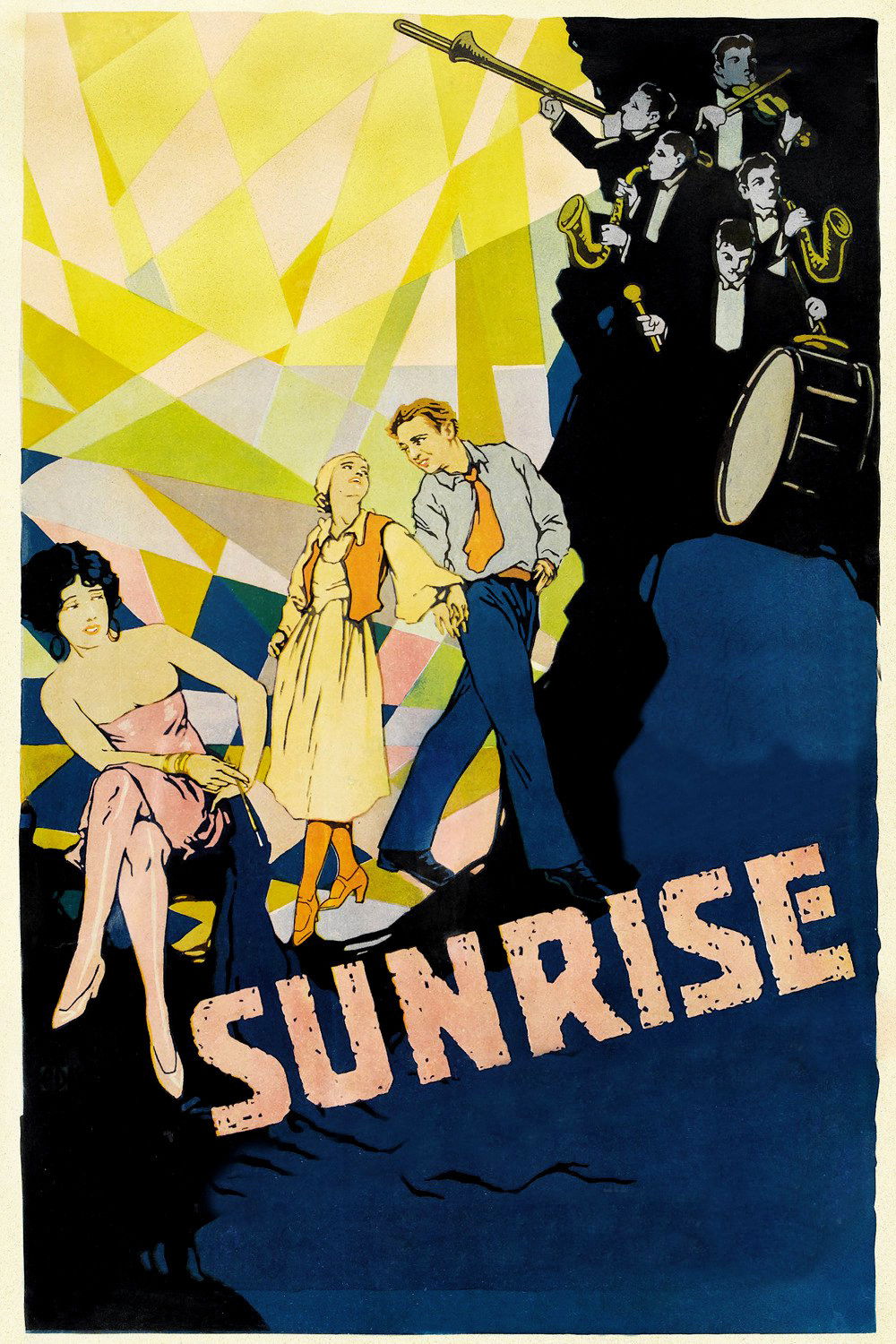
In Sunrise: A Song of Two Humans (1927), a moving camera brings us close to a marriage between people called The Man and The Wife. Those labels could have made them anonymous; Murnau treats their desire, shame and attachment with care. The story is simple, and he does not pretend otherwise. We were moved by the delicate acting, which makes these broadly drawn people feel painfully particular. The appeal needs no prior interest in silent-film history, though there is plenty here for anyone interested in how a camera can tell a story.
Nosferatu: A Symphony of Horror (1922) brought him recognition through horror made with real locations and macabre effects. The Last Laugh (1924) used mobile camerawork to convey psychological decline with few intertitles, while Faust (1926) gave him scope for shadows and supernatural spectacle. Cinematographers Karl Freund and Fritz Arno Wagner were among his collaborators in a cinema built around movement and atmospheric lighting. What we value in that invention is how directly it can tell us what somebody is feeling, without requiring a written explanation.
His move to Hollywood in 1926 led to Sunrise, where that technical ambition serves an intimate marriage drama. Carl Mayer’s screenplay is the reservation: the women are sometimes too convenient to the husband’s struggle, with too little space beyond his troubles. We wanted them to have more to do than help us understand him. The acting makes the marriage matter enough for a warm recommendation, but it cannot supply everything the screenplay leaves out. There is a limit to how much delicacy in a performance can compensate for the attention given elsewhere.
The Hollywood work did not proceed undisturbed: studio changes for sound affected 4 Devils (1928) and City Girl (1930). That interference matters when weighing the later films, since alterations imposed on a director should not automatically be treated as his decisions. His final film, Tabu: A Story of the South Seas (1931), took him to Polynesian locations and a collaboration with Robert J. Flaherty. He completed it himself after their collaboration broke down. Start with Sunrise; there is nothing dutiful about watching it.
Biography
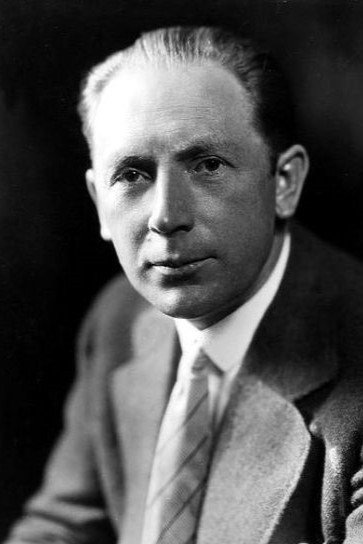
F. W. Murnau was a German film director, producer and screenwriter. Born Friedrich Wilhelm Plumpe on 28 December 1888 in Bielefeld, he adopted the professional name Murnau from a town in Bavaria. He studied at the University of Heidelberg before serving in the German air force during the First World War.
Murnau directed a series of silent films in Germany, including Nosferatu (1922), The Last Laugh (1924), Faust (1926) and Tartuffe (1926). He moved to Hollywood in 1926 and made Sunrise: A Song of Two Humans (1927) for Fox Film Corporation. Later works include City Girl (1930) and Tabu: A Story of the South Seas (1931), on which he also received a screenplay credit.
Murnau died on 11 March 1931 in Santa Barbara, California, following a car accident.