F. W. Murnau’s silent marriage drama makes a simple story painfully intimate through mobile camerawork and delicate acting. The women deserve more room beyond the husband’s troubles, but the performances make this a warm recommendation.
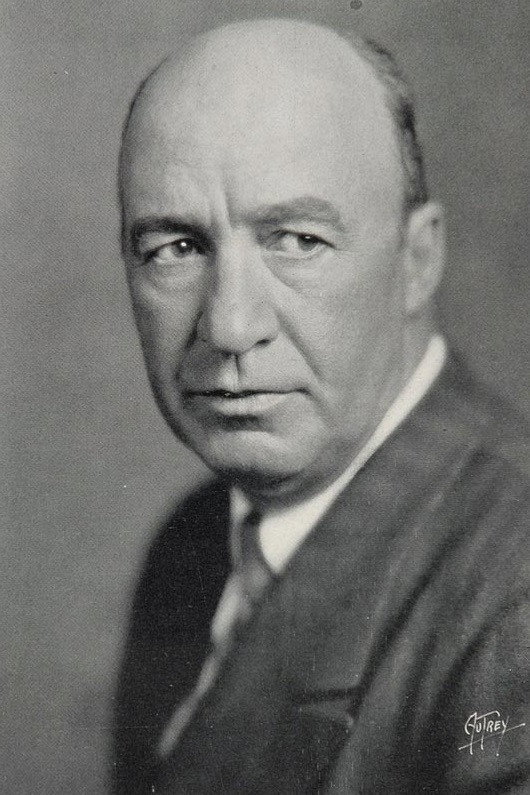
Sunrise: A Song of Two Humans is a marriage drama in which a simple story receives an extraordinary amount of care. F. W. Murnau asks us to take desire, shame and attachment seriously, even when the characters have labels as broad as The Man and The Wife. We recommend it warmly, without requiring any interest in silent-film history. Its appeal is immediate, though Carl Mayer’s screenplay sometimes makes the women too convenient to the husband’s struggle.
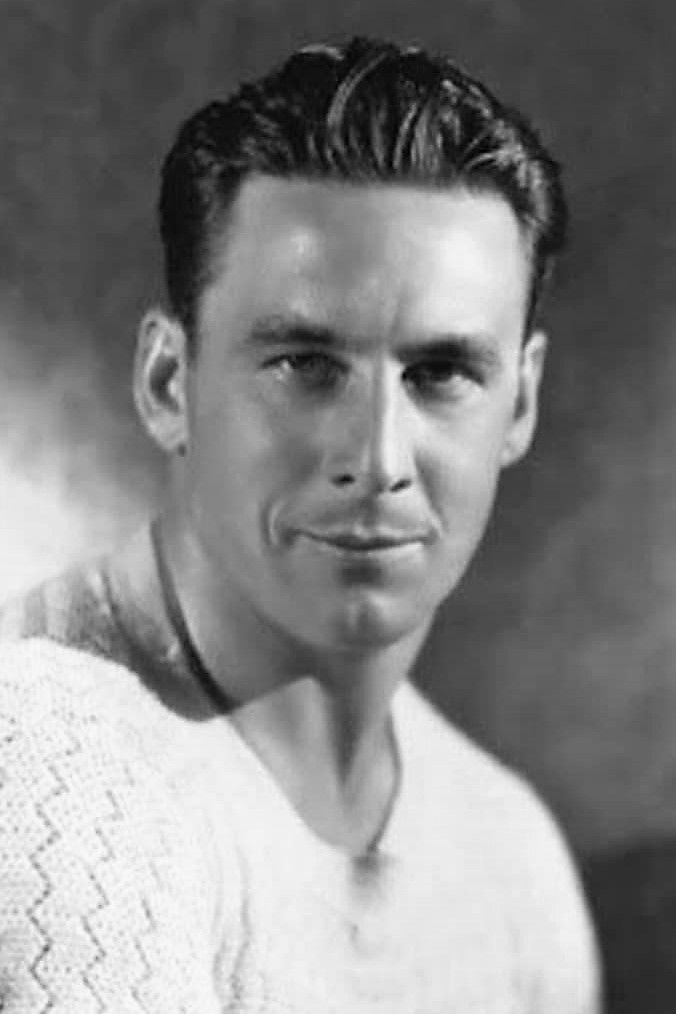
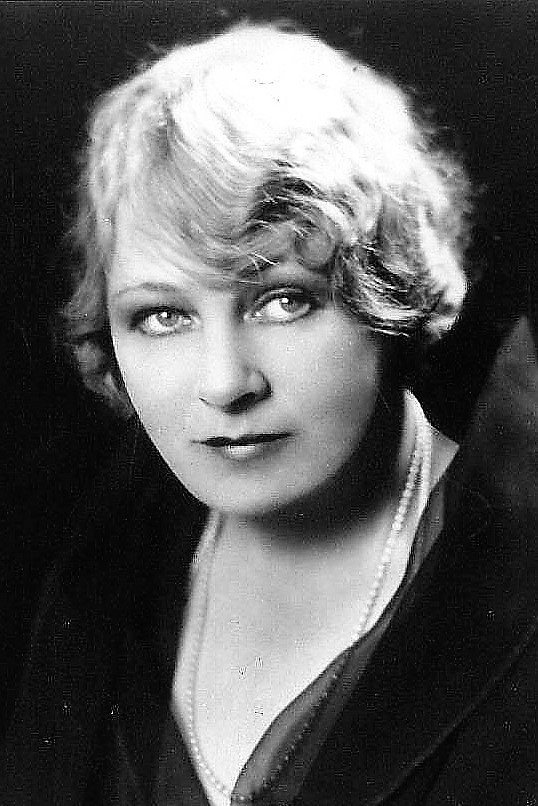
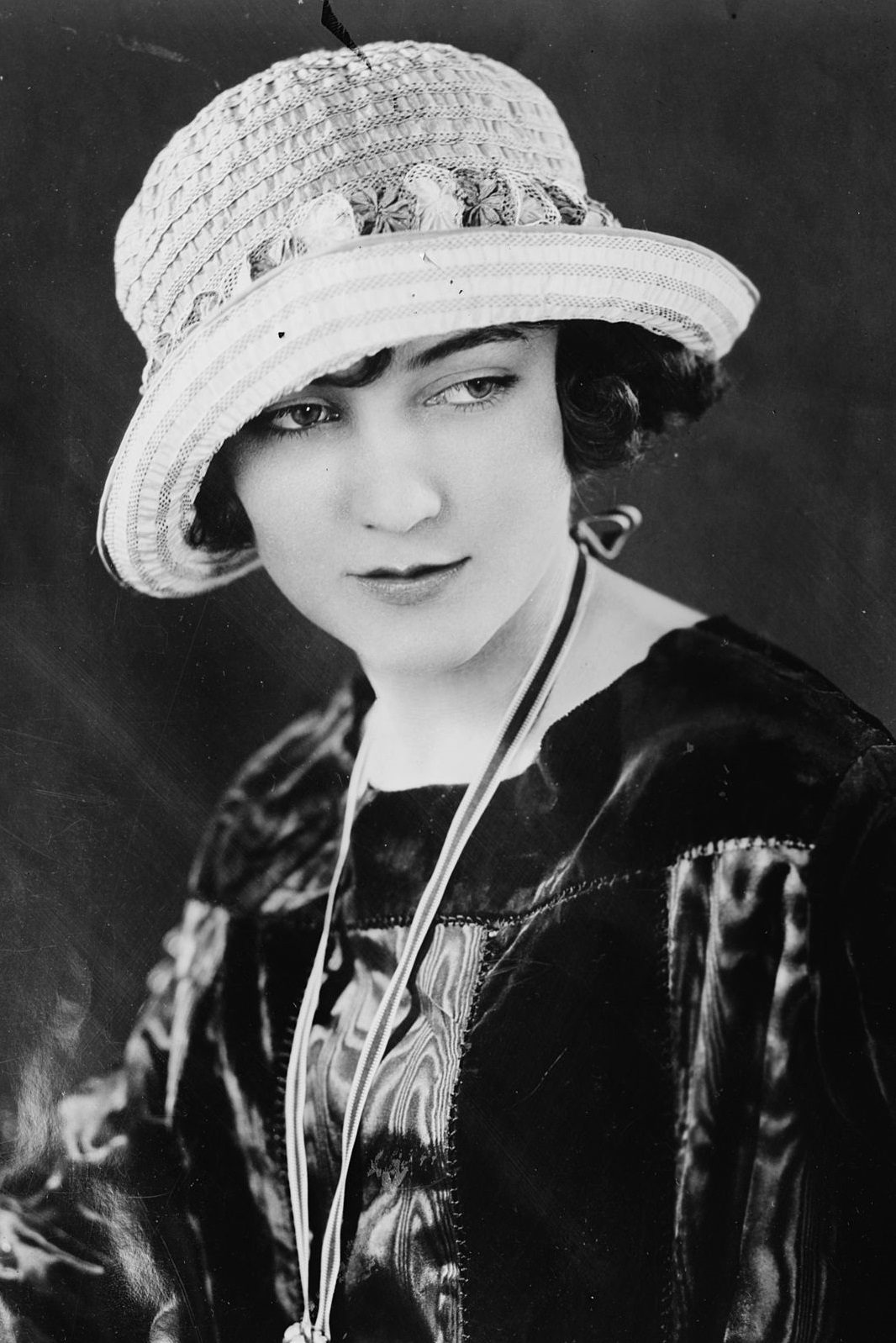
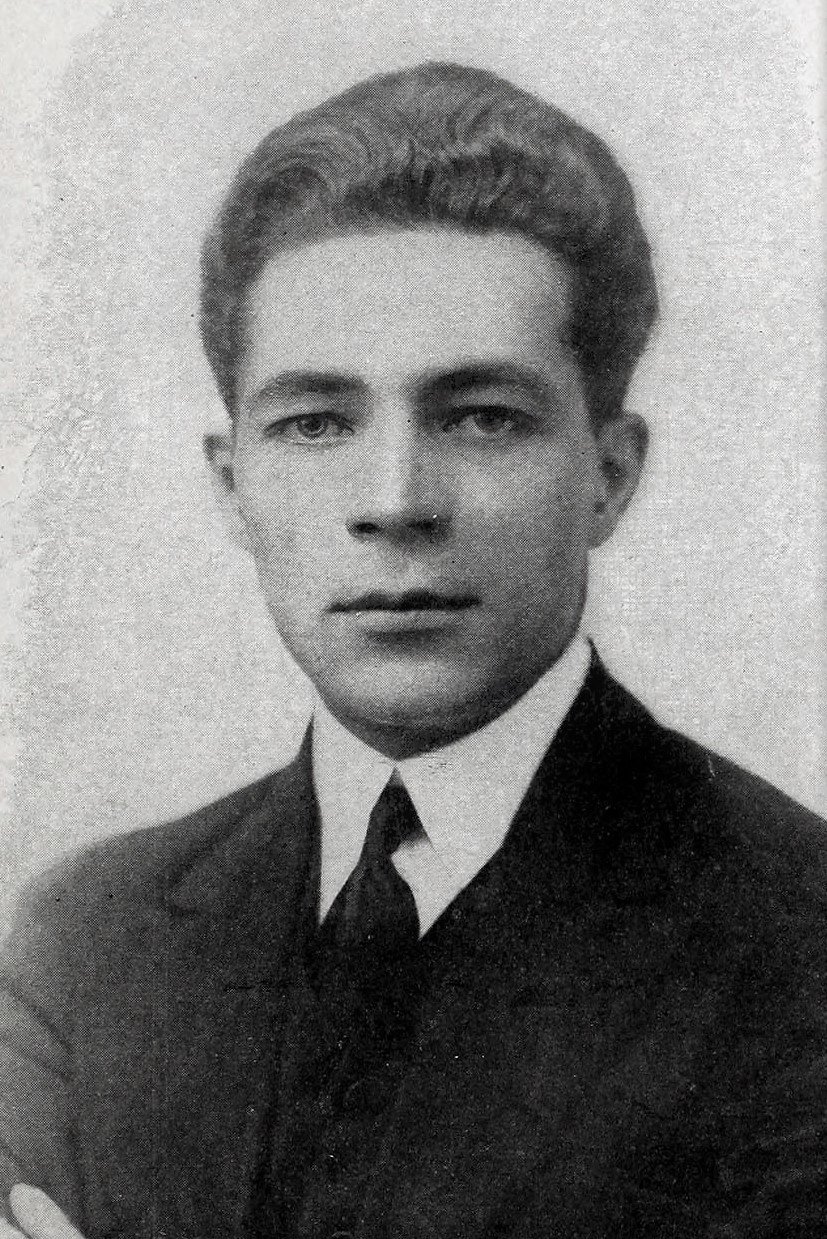
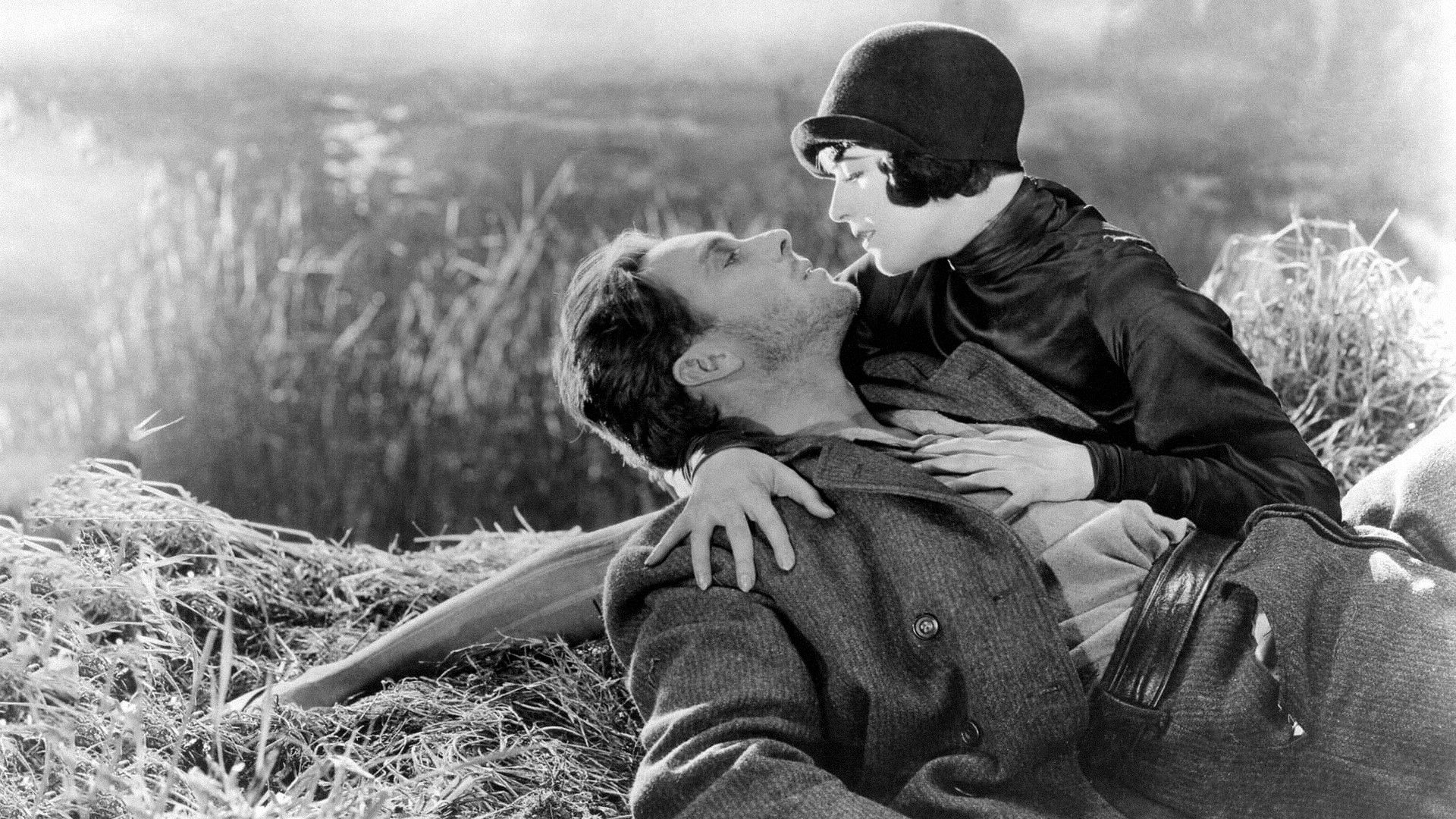
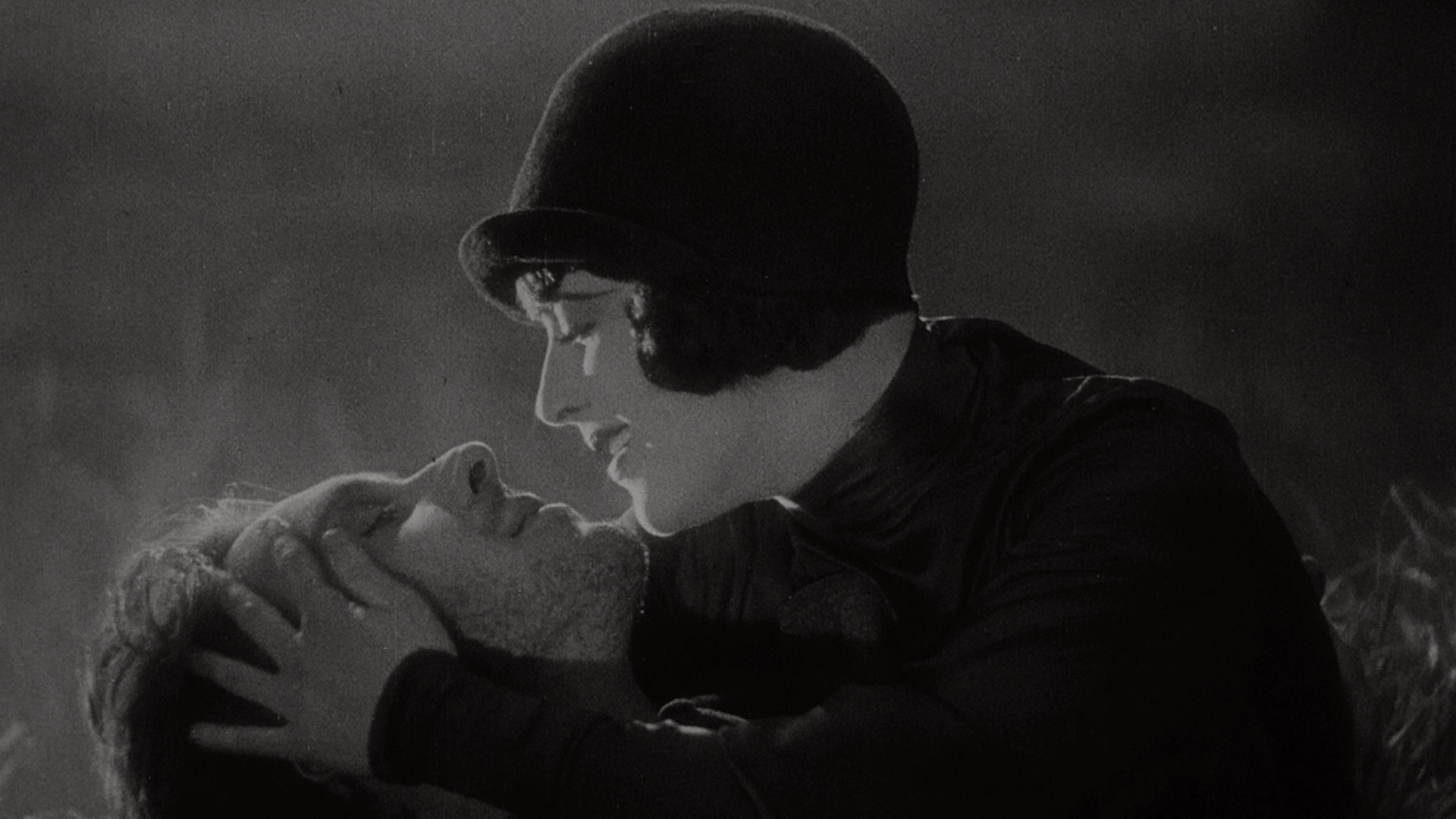
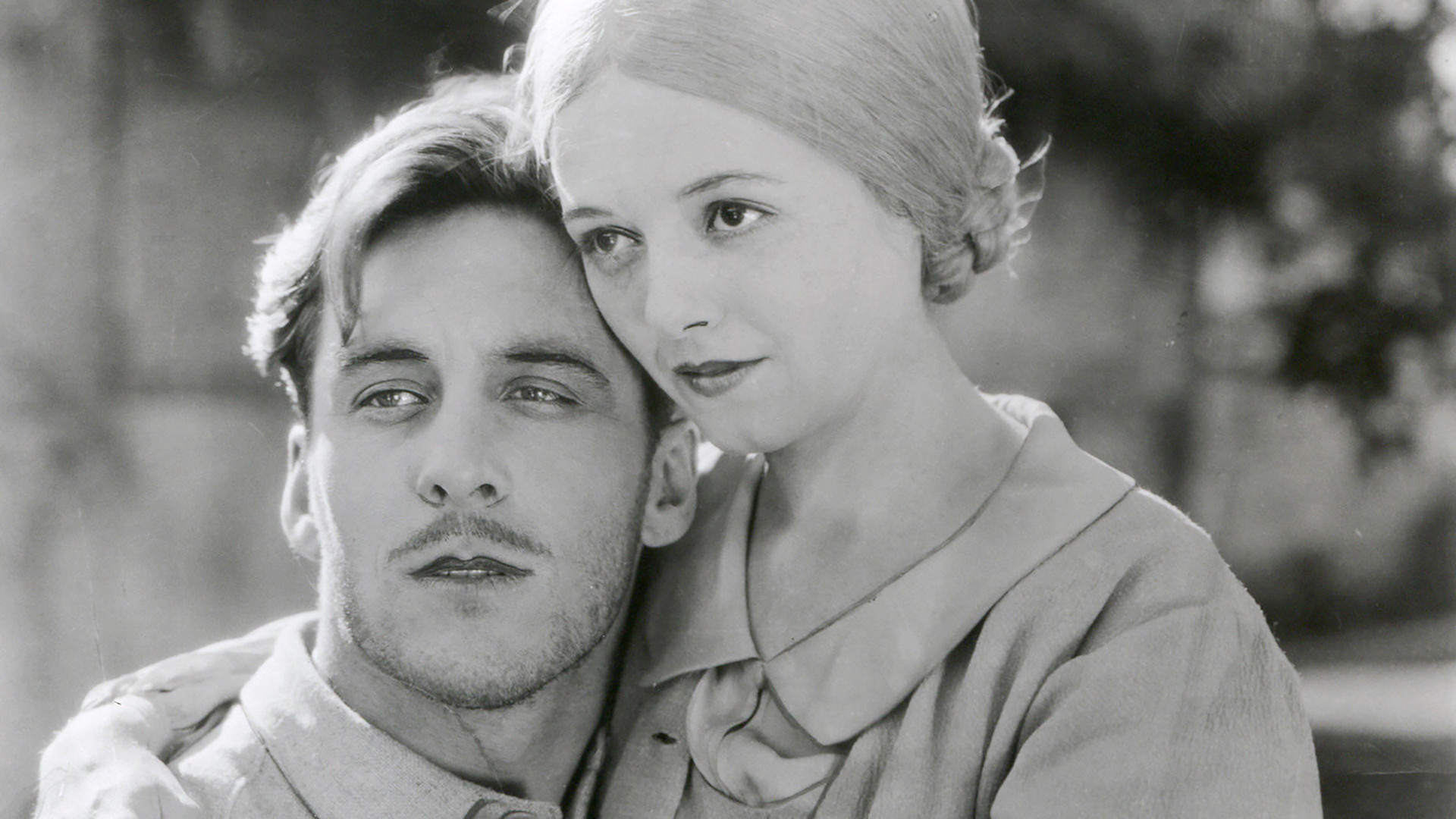
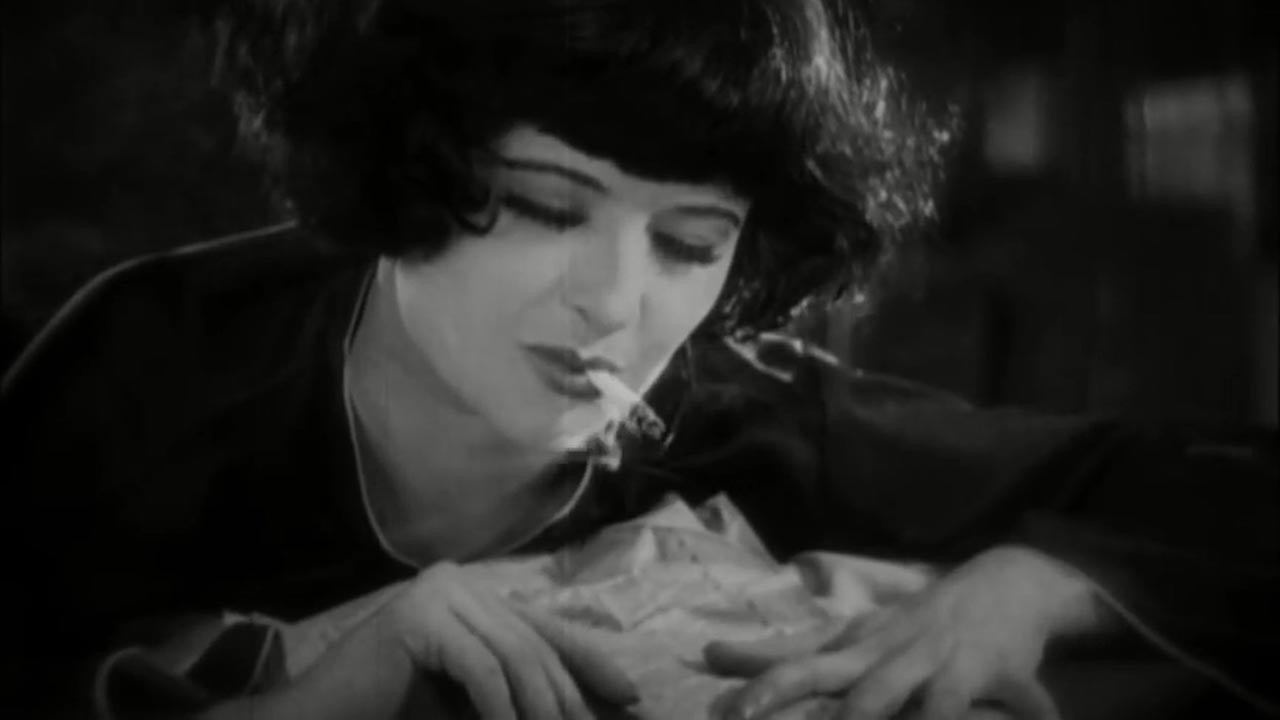
George O’Brien gives the husband’s divided feelings an uncomfortable physical weight. He can seem burdened by his own body, which keeps the performance from becoming merely an illustration of temptation. Janet Gaynor makes the wife’s vulnerability harder to dismiss than the story’s broad outline might suggest. We were moved by the hurt in her face, because she plays it quietly while the husband makes such heavy work of his feelings. Margaret Livingston has a more restricted task as The Woman from the City, and the restriction belongs to the writing.
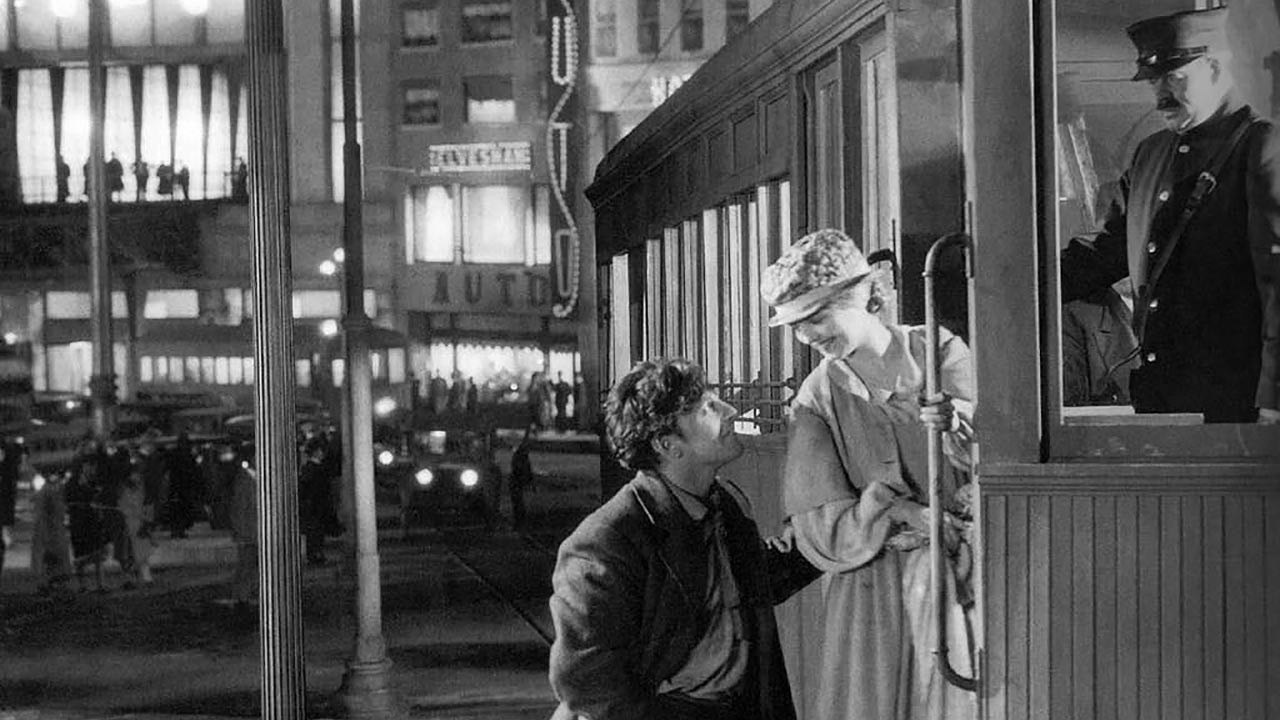
Charles Rosher and Karl Struss give the photography enough movement to prevent those broad character types from stiffening into poses. The tracking shots let a feeling develop as the camera travels, without waiting for a new scene to announce it. Double exposures put separate images together without pretending that we are looking at an ordinary, solid place. We can see the trick and still respond to it. The camerawork stays close to the characters’ agitation and longing, so its mobility seldom feels like a demonstration.
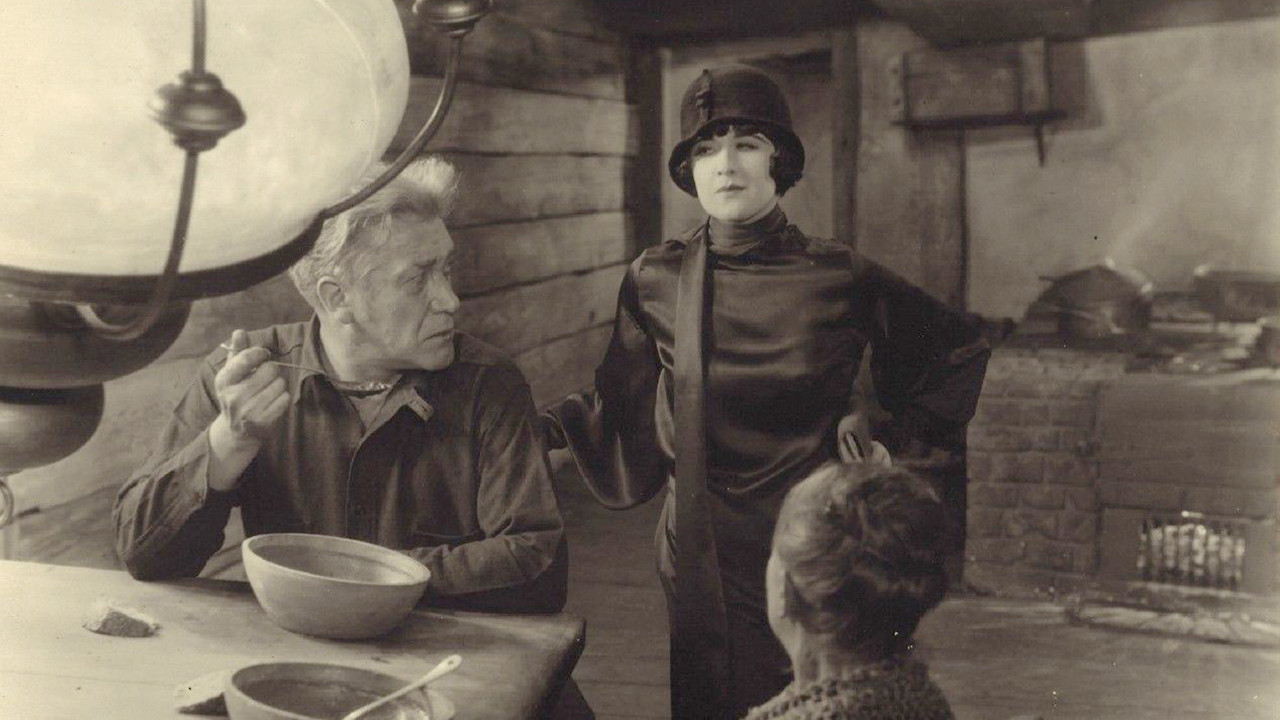
The sets are just as frank about being made for the camera. The village is relatively plausible, while the city invites us to notice its manipulated space and perspective. That difference works: the town needs to look like somewhere that could occupy a restless person’s imagination. The lighting gives these conspicuously arranged surroundings depth and helps the actors belong within them. There are passages where the sheer amount of visual invention risks drawing attention away from the people, but the faces keep bringing us back.
Harold D. Schuster’s editing has the awkward job of holding together a film that permits large changes in tone. It gives the gentler passages room and does not make every shift feel like a fresh start. The musical accompaniment, with Hugo Riesenfeld among those credited, helps sustain that continuity without making the pictures seem dependent on it. For all the freedom of the camera, the rhythm remains easy to follow. This is elaborate filmmaking that does not require us to admire its workings before feeling anything.
The difficulty is the unequal attention paid to the three central figures. George O’Brien gets a moral struggle; Janet Gaynor and Margaret Livingston are asked to represent too much of what draws him in opposite directions. We would have liked more room for the women’s wants beyond what they mean to him. As romantic melodrama, it depends on broad contrasts, and the performances make those contrasts persuasive more often than the writing does.
At 94 minutes, the film asks for less patience than its reputation as silent cinema might suggest. There is no need to approach it as a lesson in how films used to be made. Give it a quiet evening and enough attention to watch the faces.