James Algar directed the mouse, the hat and the brooms in Fantasia, then spent the second half of his career pointing cameras at animals and cutting them into stories. The mouse holds up; the animals were not always consulted.
Fi1m perspective
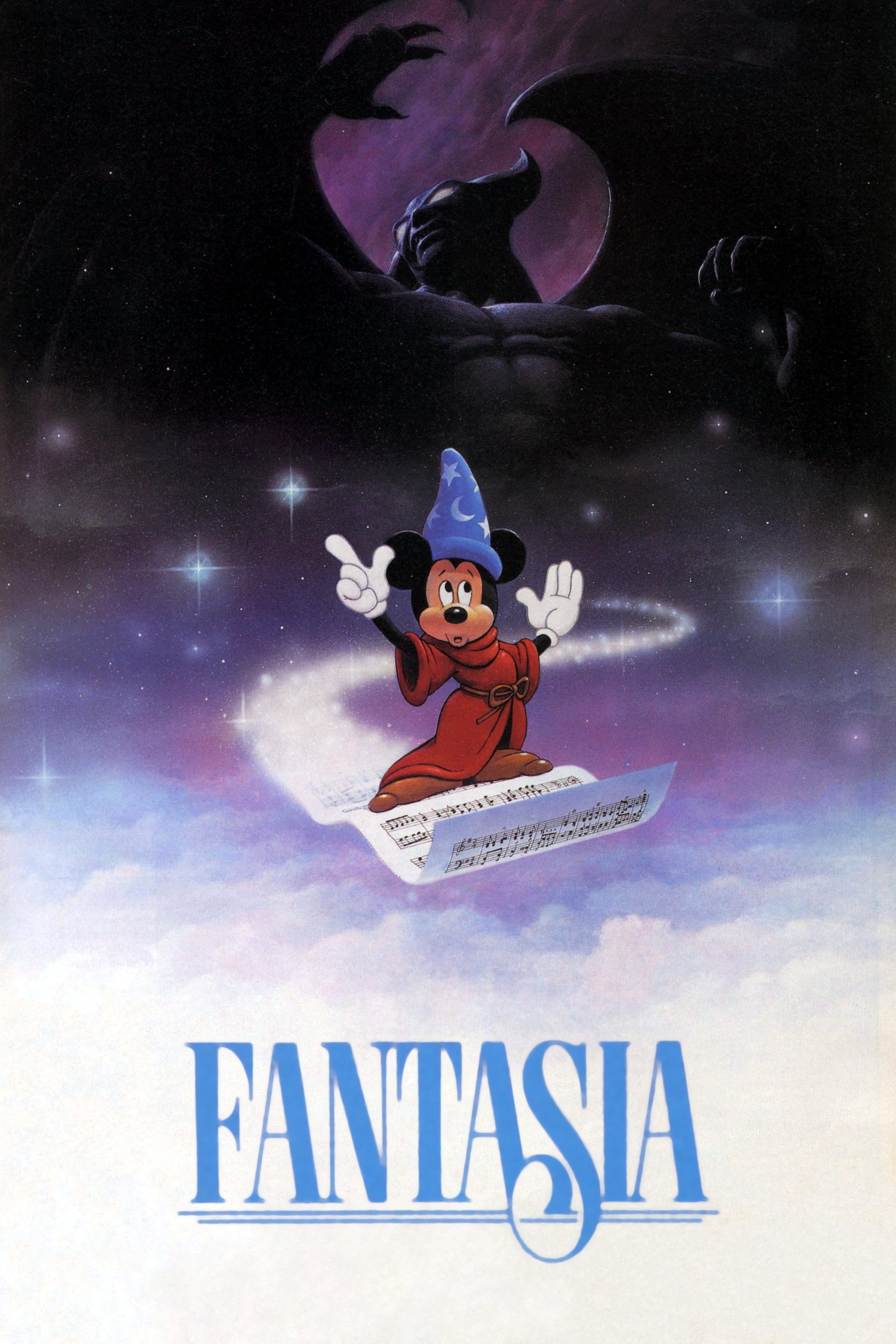
A mouse in a hat that does not fit him, a broom that will not stop, water climbing the stairs. It is the sequence everyone remembers from Fantasia (1940), and it is the one James Algar directed. Twelve directors are credited on that film and we said it looks like twelve films; Algar's is the one that looks like the film people think they saw. We have watched it more times than we can count, and the point where the brooms keep coming still makes us sit forward, because the cutting gets faster exactly as the mouse gets smaller.
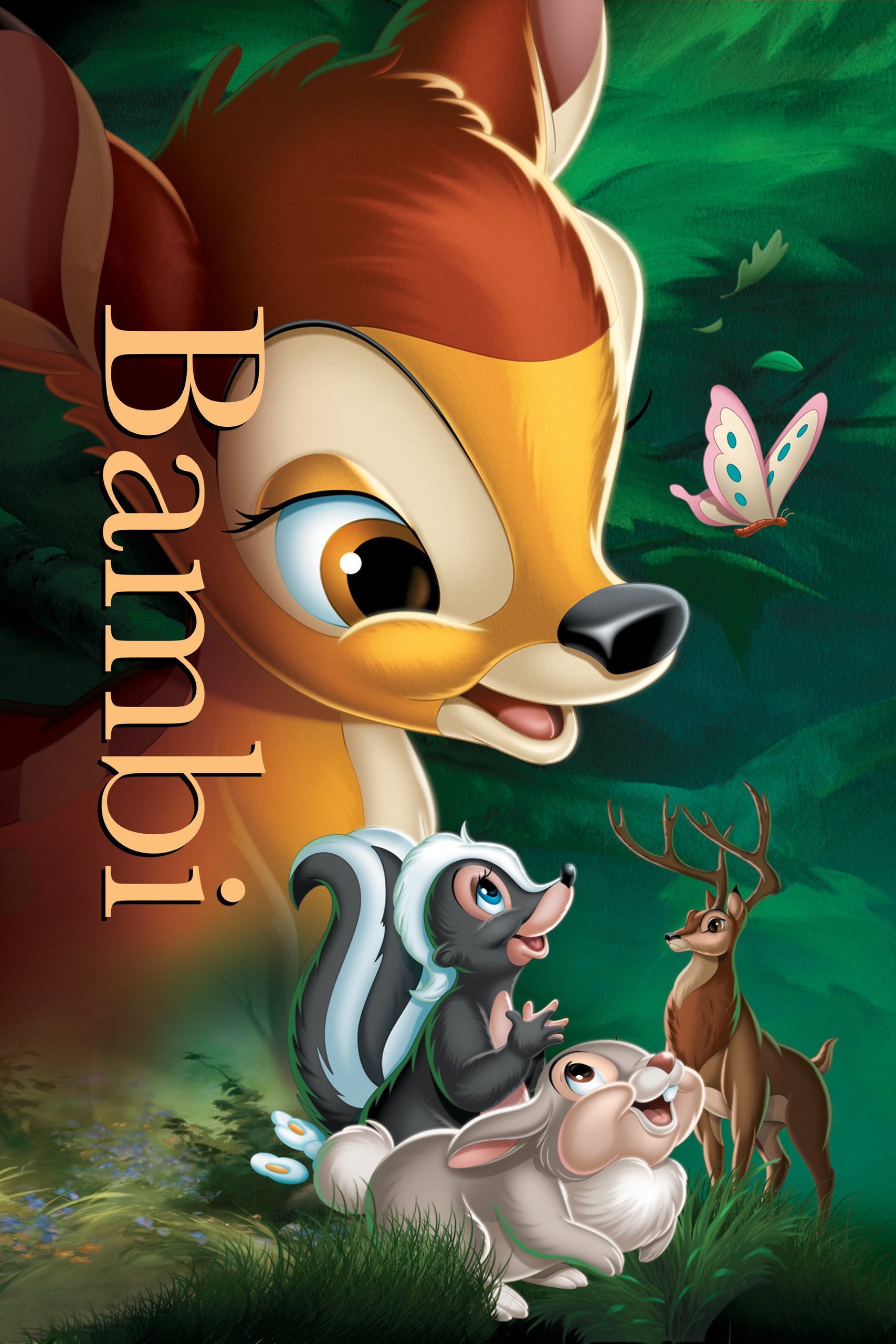
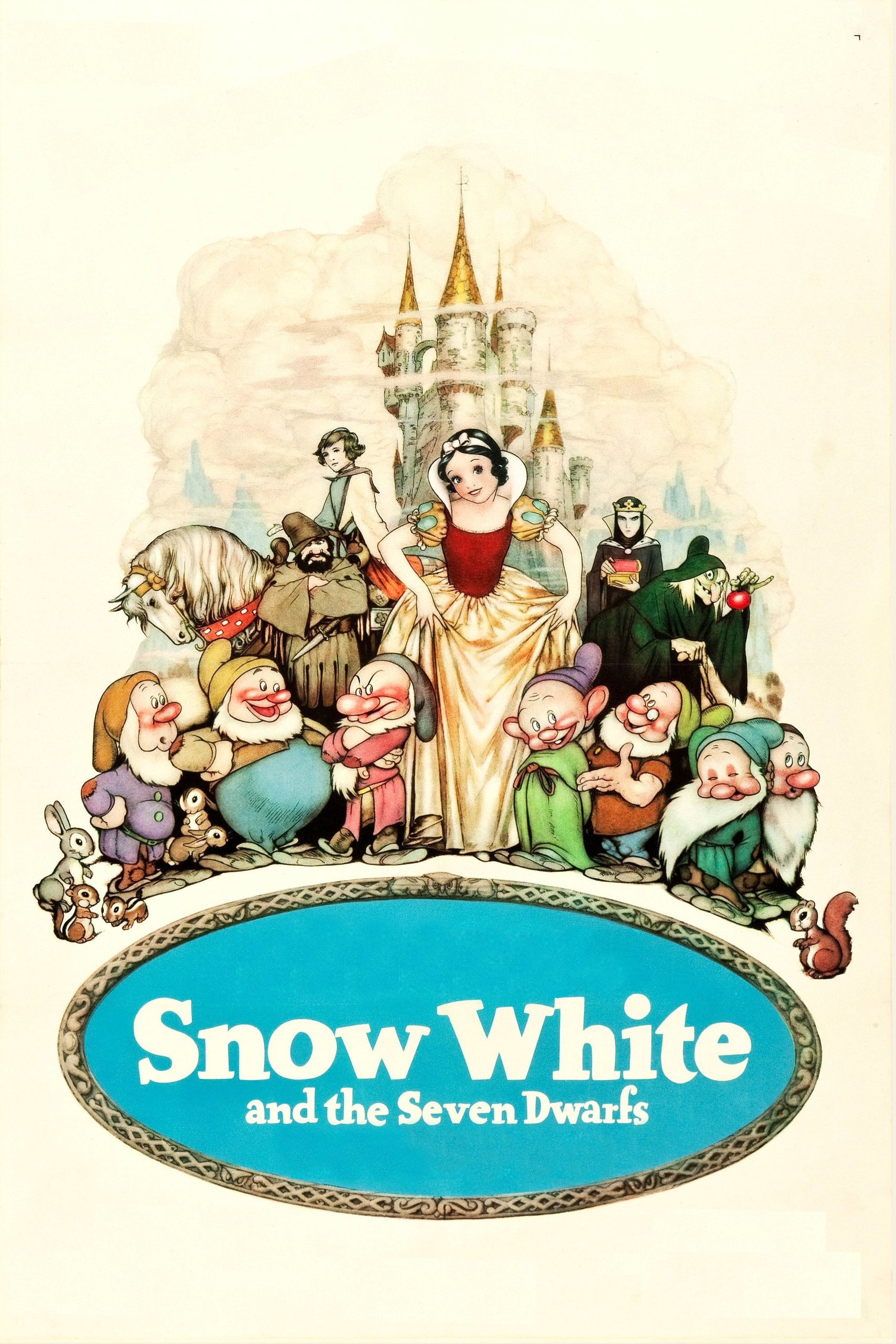
He had come to Disney in 1934 as an animator on Snow White and the Seven Dwarfs, and for a decade he was a sequence man: parts of Bambi (1942), the wartime Victory Through Air Power (1943), the Wind in the Willows half of The Adventures of Ichabod and Mr. Toad (1949). Then the war ended and the drawing stopped. From Seal Island (1948) he was chief writer and director of the True-Life Adventures, the studio's nature documentaries, and The Living Desert (1953) is the one most often named. He stayed forty-three years, through television episodes and theme-park attractions, and retired in 1977.
The nature films are the part of the career we have not reviewed, so we will not judge them at length. What can be said is what they were for: they took observation and made it entertainment, with narration and editing that gave a lizard a motive and a storm a third act. Algar had trained as a journalist, and it shows in how much the pictures are told rather than shown. It also shows in the charge that has stuck to the series, that some of what is on screen was arranged for the camera, most notoriously the lemming migration in White Wilderness (1958).
That is the awkward thing about Algar. The instinct that makes the brooms funny, cutting a rhythm and giving a creature a want it does not have, is the same instinct that gets him into trouble when the creature is real. In animation nobody is harmed by a good story. In a desert somebody has to be persuaded to walk into shot.
His only collaborator of note is Walt Disney, which tells you what kind of career it was: a studio life, mostly invisible, with one seven-minute stretch that everyone can hum. Watch the mouse. Watch the desert too, if it comes your way, but keep one eyebrow raised.
Biography
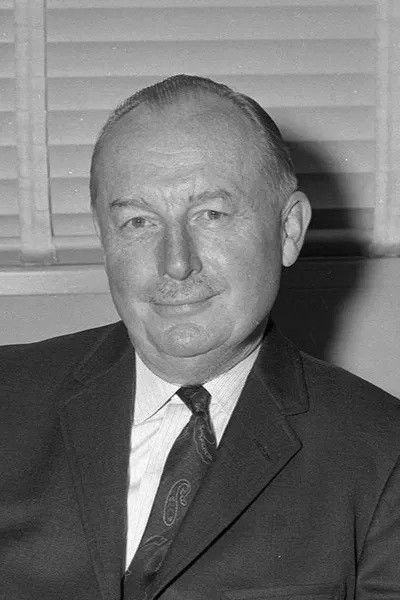
James Algar (1912–1998) was an American film director, screenwriter and producer. He worked at Walt Disney Productions for 43 years, directing the “Sorcerer’s Apprentice” segment of Fantasia (1940) and sequences in Bambi (1942).
He studied journalism at Stanford University, where he contributed cartoons to the campus magazine The Chaparral, and joined Disney in 1934 as an animator on Snow White and the Seven Dwarfs. Algar directed several True-Life Adventures documentaries, including The Living Desert (1953) and The Vanishing Prairie (1954), and other films such as The Adventures of Ichabod and Mr. Toad (1949) and Victory Through Air Power (1943).
He received the Disney Legends award in 1998.