Marion Darlington was the birds. For more than two decades, almost always uncredited, she whistled the songbirds and jungle screeches that answer Disney's heroines, and in Snow White and the Seven Dwarfs her birds do more acting than the girl.
Fi1m perspective
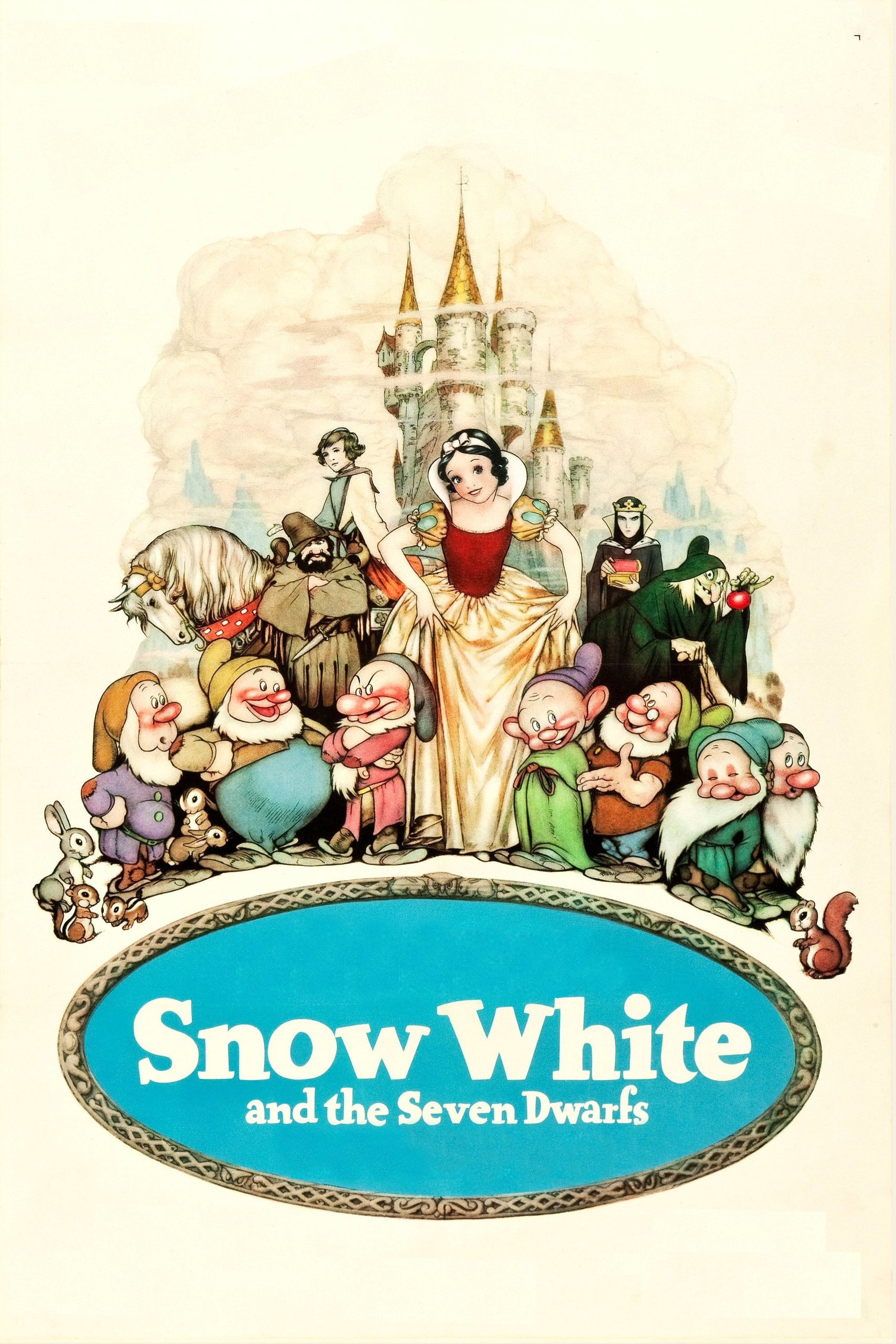
Watch the housework scene in Snow White and the Seven Dwarfs (1937). The heroine whistles a phrase, a bird whistles it back, and then a whole tree of them takes up the tune. Every one of those birds is Marion Darlington. Not a sound library, not a flock hired for the afternoon: one woman at a microphone, recorded several times over and layered so that she could sing duets and trios with herself. Once you know this you cannot unhear it, and the film is better for it.
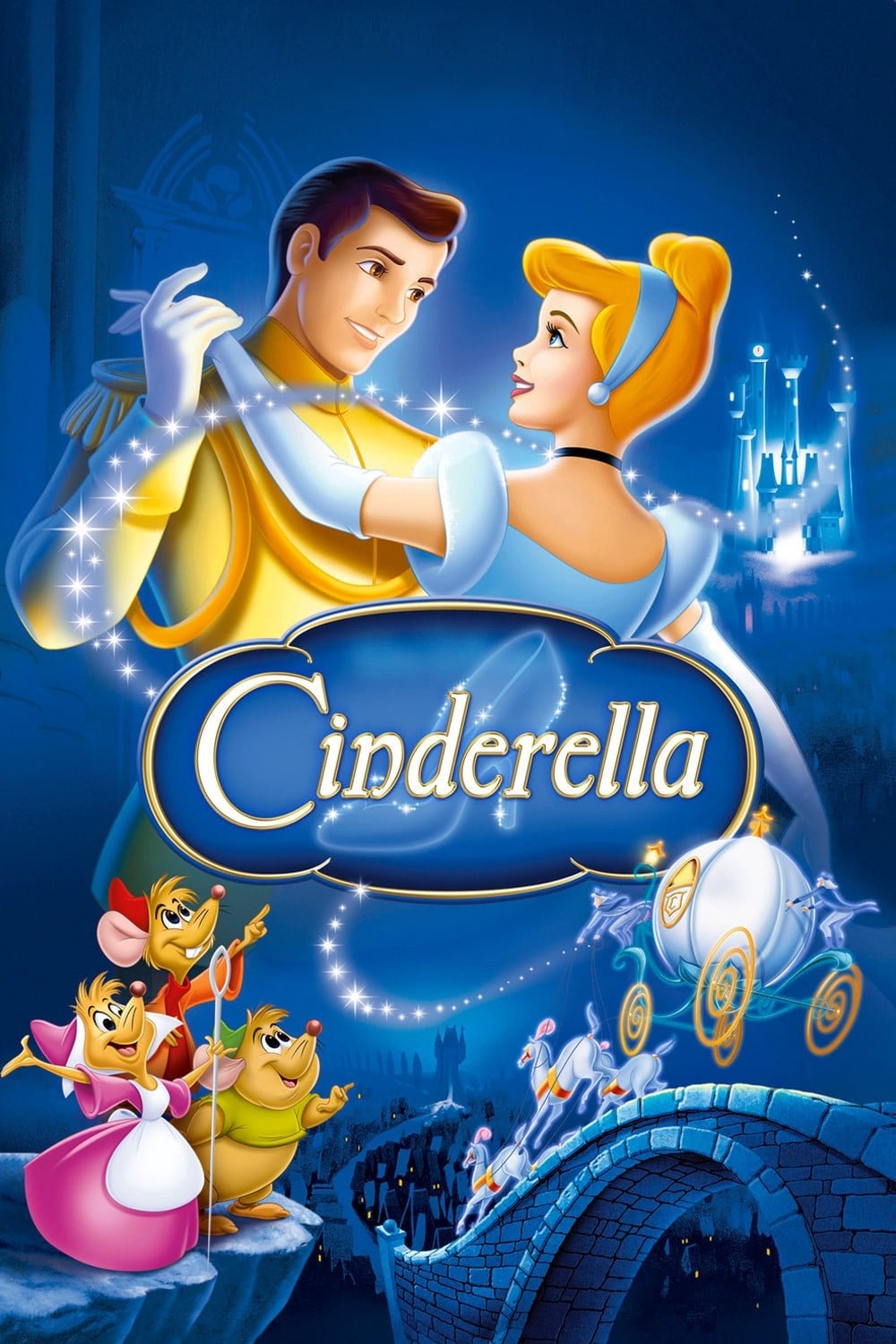
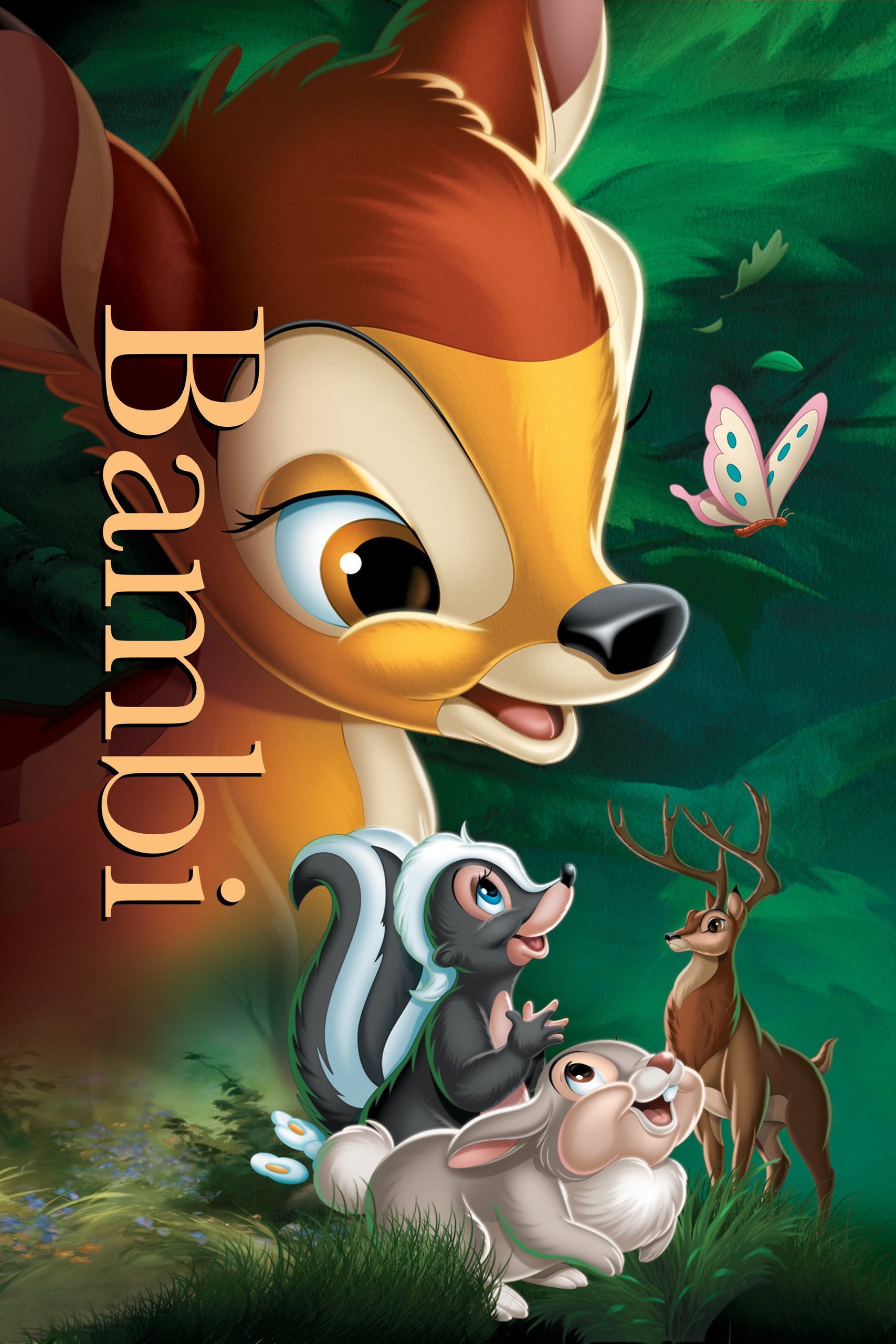
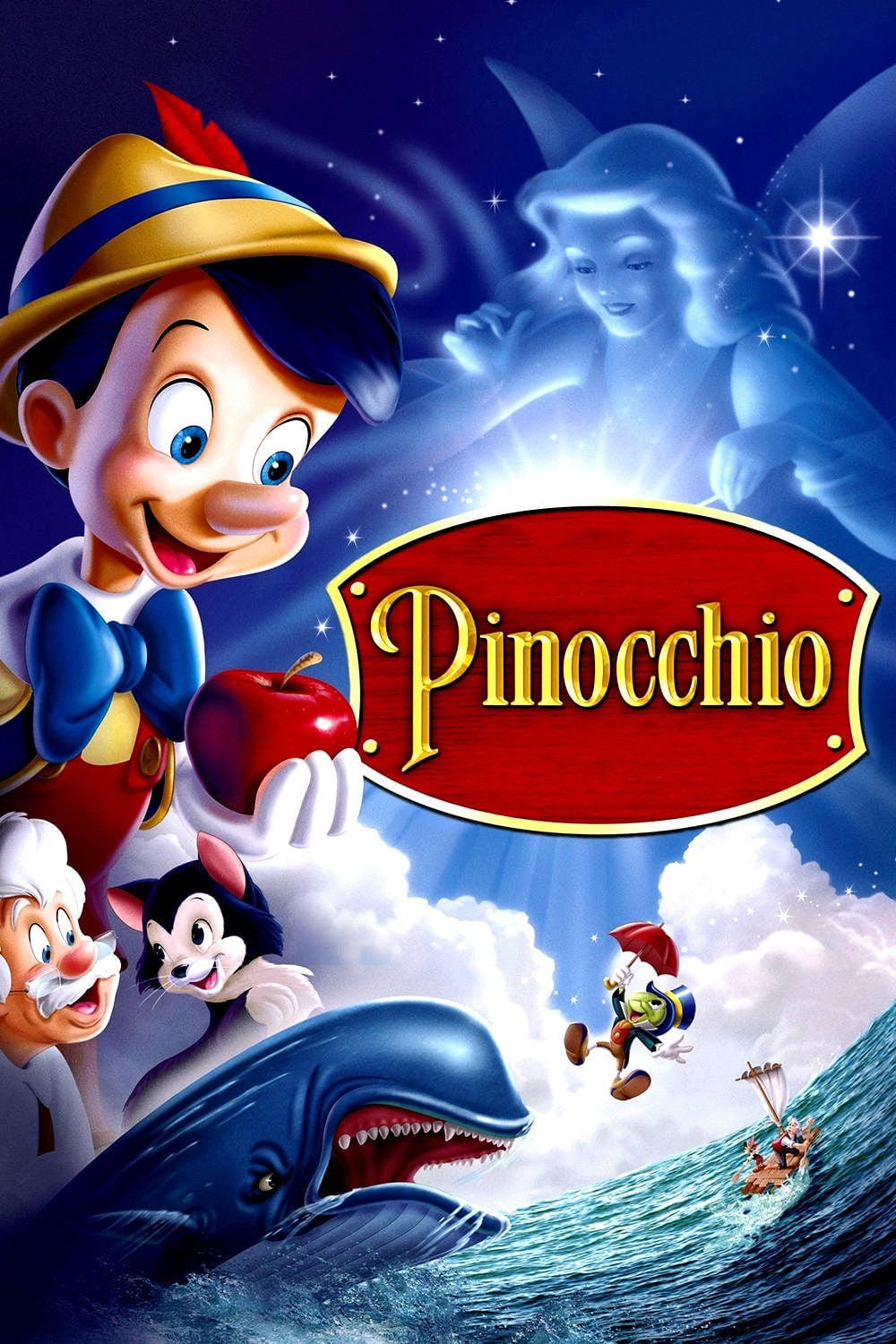
She came to it from the radio, where she had been a concert whistler in the late 1920s and early 1930s. From 1932 she was supplying bird calls and animal noises for Disney shorts, among them Flowers and Trees, and when the studio moved to features she moved with it. Snow White gave her the solo bird and the group songs. Pinocchio (1940) has her whistling in "Give a Little Whistle" and filling in the birds around the edges. Bambi (1942) is the big one, a whole forest of her, and Cinderella (1950) gives her voice to the heroine's animal companions. The work went on through the 1950s for Disney and for other studios, and later into the Enchanted Tiki Room at Disneyland.
What makes it more than a trade is that the calls are real enough to pass for wildlife and musical enough to hold a tune, and she could do both in the same breath. Our review of Snow White found the heroine barely there, and we stand by that, but listening again with half an eye on the picture we noticed that the birds she is given have more character than she does: they hesitate, come in a beat late, correct themselves. That is a performance, and it is Darlington's. In Pinocchio her birds are scenery; the film's frights are elsewhere and her contribution is to make the world outside the workshop sound alive, which it does.
The complaint against her career is not about the work but about the credits, which mostly do not carry her name. She seems to have taken it in her stride. "I did all the pretty bird calls as well as many of the raucous jungle sounds. Many separate recordings were made which were then blended together on a single sound track," she said of the Tiki Room in 1965, describing a method she had been using for thirty years. The next time a bird sings back to a princess, that is her, and you will have to take our word for it, because the film will not tell you.
Biography
Marion Darlington (7 November 1910 – 17 March 1991) was an American voice actress and professional whistler. She trained at the California School of Artistic Whistling in Los Angeles and became known for her bird calls and animal sound effects in films.
She supplied uncredited bird voices and whistling for several Walt Disney productions, including Snow White and the Seven Dwarfs (1937), Pinocchio (1940), Bambi (1942) and Cinderella (1950). Her work also appeared in earlier Disney shorts such as Flowers and Trees (1932) and The Pied Piper (1933), as well as productions from other studios.
Darlington provided sounds for a wide range of animals across live-action and animated films. She was posthumously named a Disney Legend in 2004.