McG makes films the way he once made music videos: bright, fast, loud and finished before you can object. It works when the material is as light as he is, which is why a spy comedy about a shop assistant suits him better than the end of the world.
Fi1m perspective
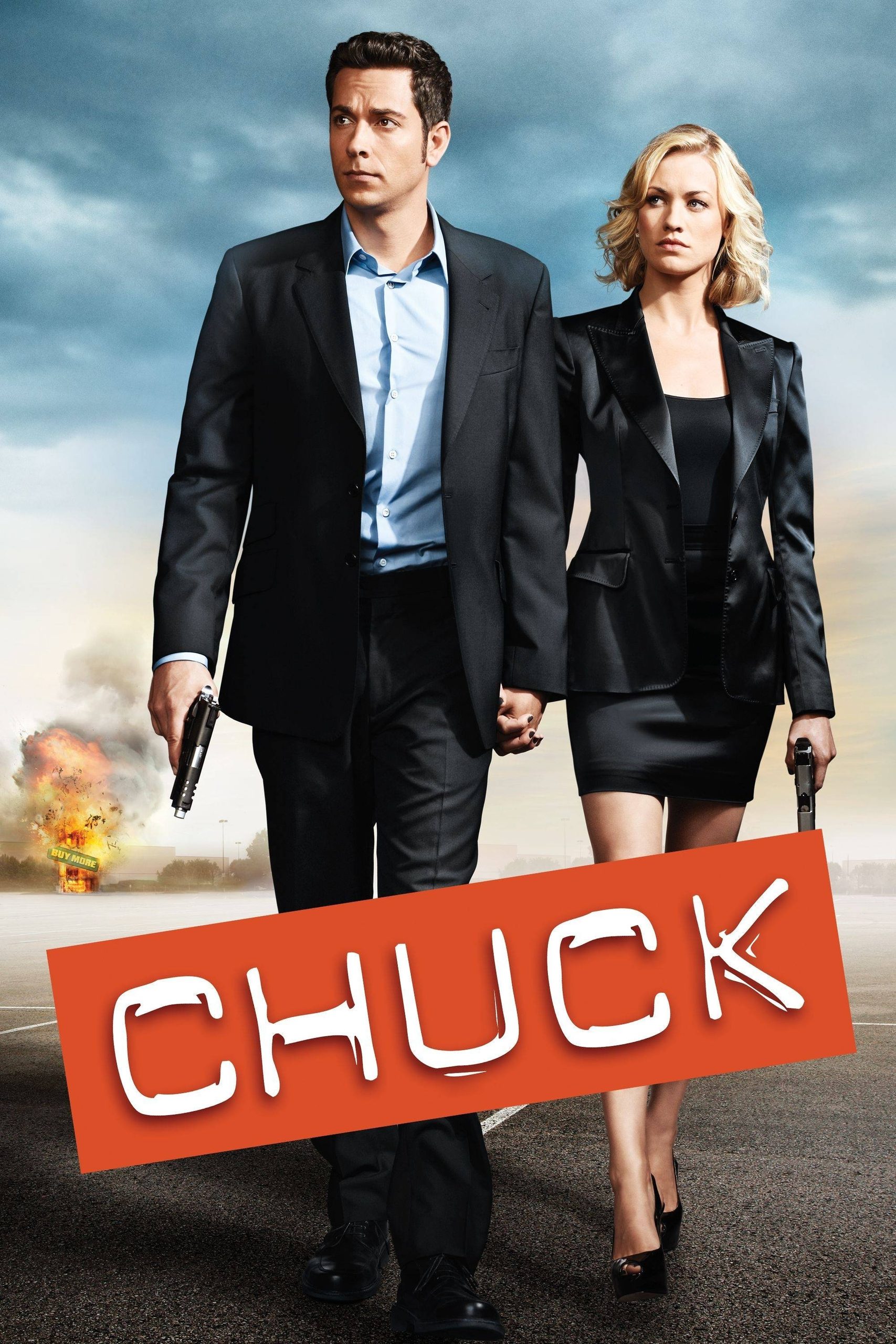
Watch the opening of the Chuck pilot (2007) and you can see how McG spends money. The CIA sends one agent and the NSA sends another, both to babysit a shop assistant who flashes on faces and blueprints, and McG shoots the shop assistant as though he were the agent: colour turned up, pace kept high, every scene arriving a beat before you expect it. Our review said the pilot set the terms with more confidence than the writing always matched. That is McG in a sentence. He is confident before he is anything else.
He came up in the 1990s making music videos, for Sugar Ray among others, and producing their records, after a psychology degree at UC Irvine. He has described the period without pretension: "We just did it. We ran from the law." Charlie's Angels (2000) was the feature debut and it remains the template, capable women, large practical action, everything pitched at the volume of a chorus. Charlie's Angels: Full Throttle (2003) followed, then We Are Marshall (2006), a drama built on a real tragedy, and Terminator Salvation (2009), which tried to take a franchise somewhere darker. Alongside the films he built a television career, directing pilots and producing Fastlane, The O.C., Supernatural and Chuck, several of them with Josh Schwartz.
What works is the surface. He is good with colour, good with movement, and he can stage a large sequence so that you can follow it. What does not work is whatever is meant to be underneath. Most critics found little beneath the spectacle in Full Throttle, and Terminator Salvation was received as thin in its people and uneven in its tone; we see no reason to argue. He keeps returning to properties other people built, Charlie's Angels, Terminator, and refreshes the look without always working out why the thing was liked in the first place. We Are Marshall is the exception on the record, the one time he slowed down for grief, and it suggests a more patient director who is rarely let out.
Chuck is where his instincts and the material agree. Schwartz's script is light, the stakes are a cover story and a Nerd Herd desk, and McG's habit of treating everything as an action sequence becomes the joke rather than the problem. We did not expect to mind whether a shop assistant got back to his desk at the end of the hour, and we did, because the pilot gives the home life, Ellie and Devon and the flat, the same time as the spies, and the home life is the part we found ourselves waiting for.
He has since made This Means War (2012), The Babysitter (2017) and its sequel, Rim of the World (2019) and Uglies (2024), and the style has not moved far from the videos. If you want a McG film, take one where the running and the colour are the whole point and nobody has asked him to mean anything. The work is better there, and so is the evening.
Biography
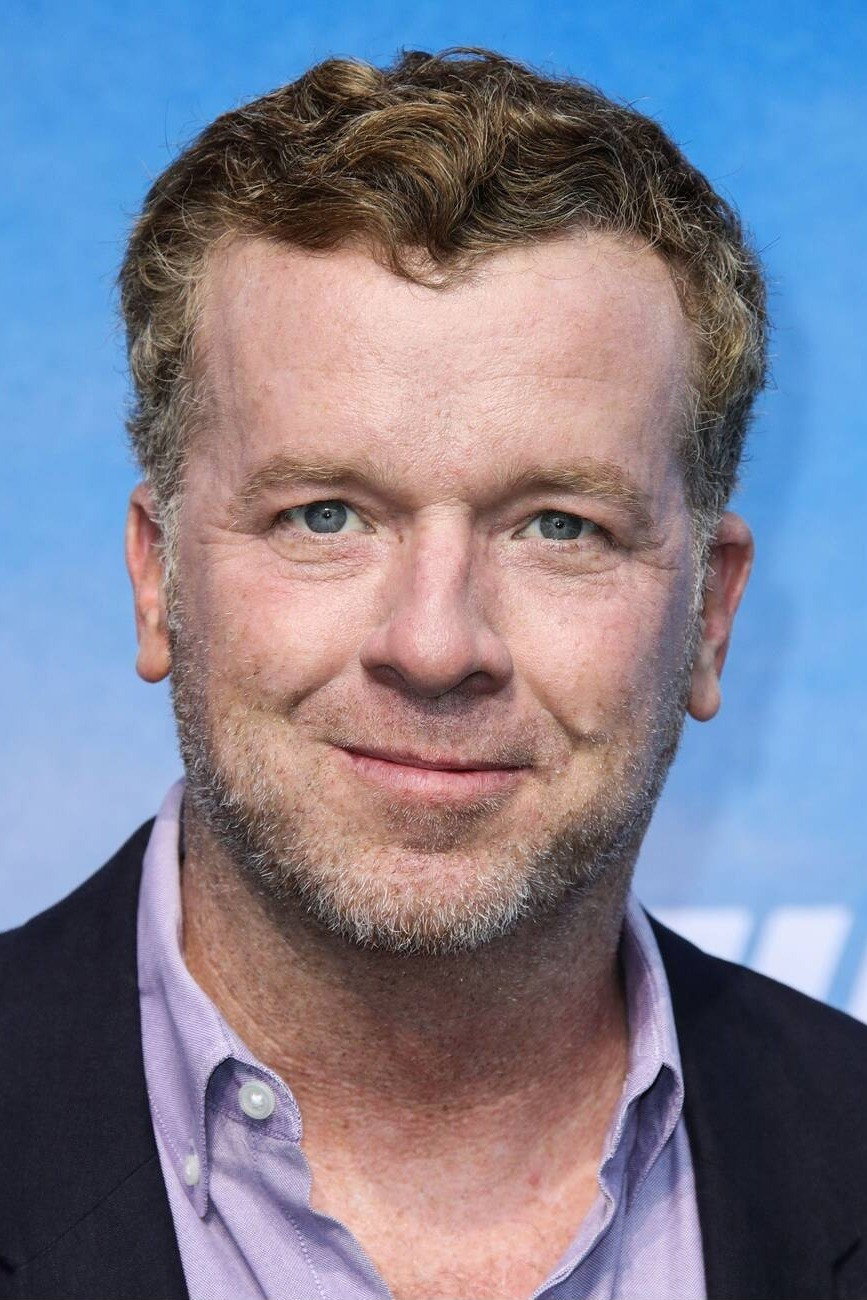
McG, born Joseph McGinty Nichol on 9 August 1968 in Kalamazoo, Michigan, is an American film and television director and producer. He began his career in the music industry, directing music videos and producing albums before moving into feature films.
He made his directorial debut with Charlie's Angels (2000) and went on to direct Charlie's Angels: Full Throttle (2003), We Are Marshall (2006), Terminator Salvation (2009), This Means War (2012) and The Babysitter (2017). On television he directed the pilot episode of Chuck (2007) and served as an executive producer on the series, as well as on The O.C. and Supernatural.