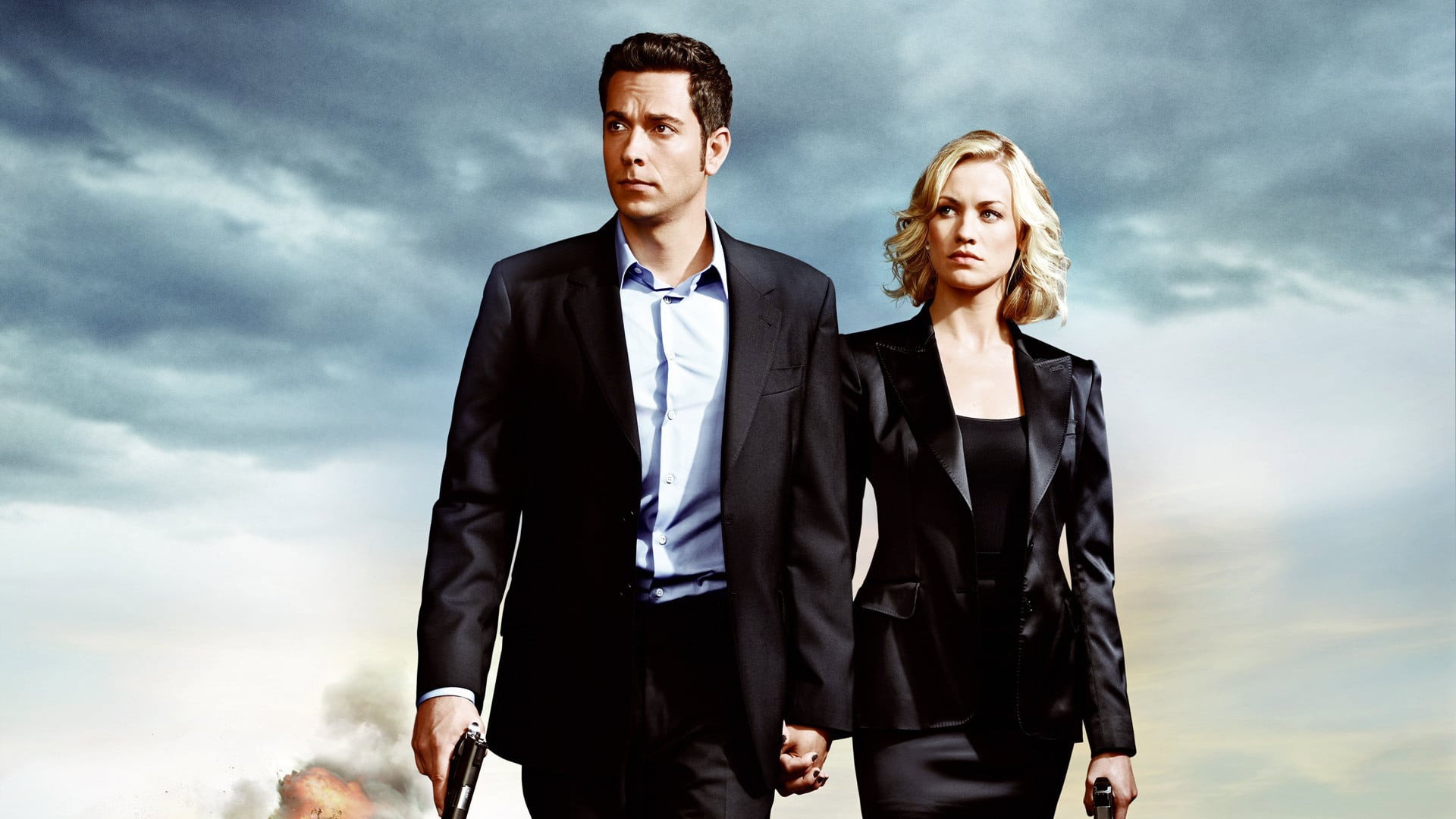
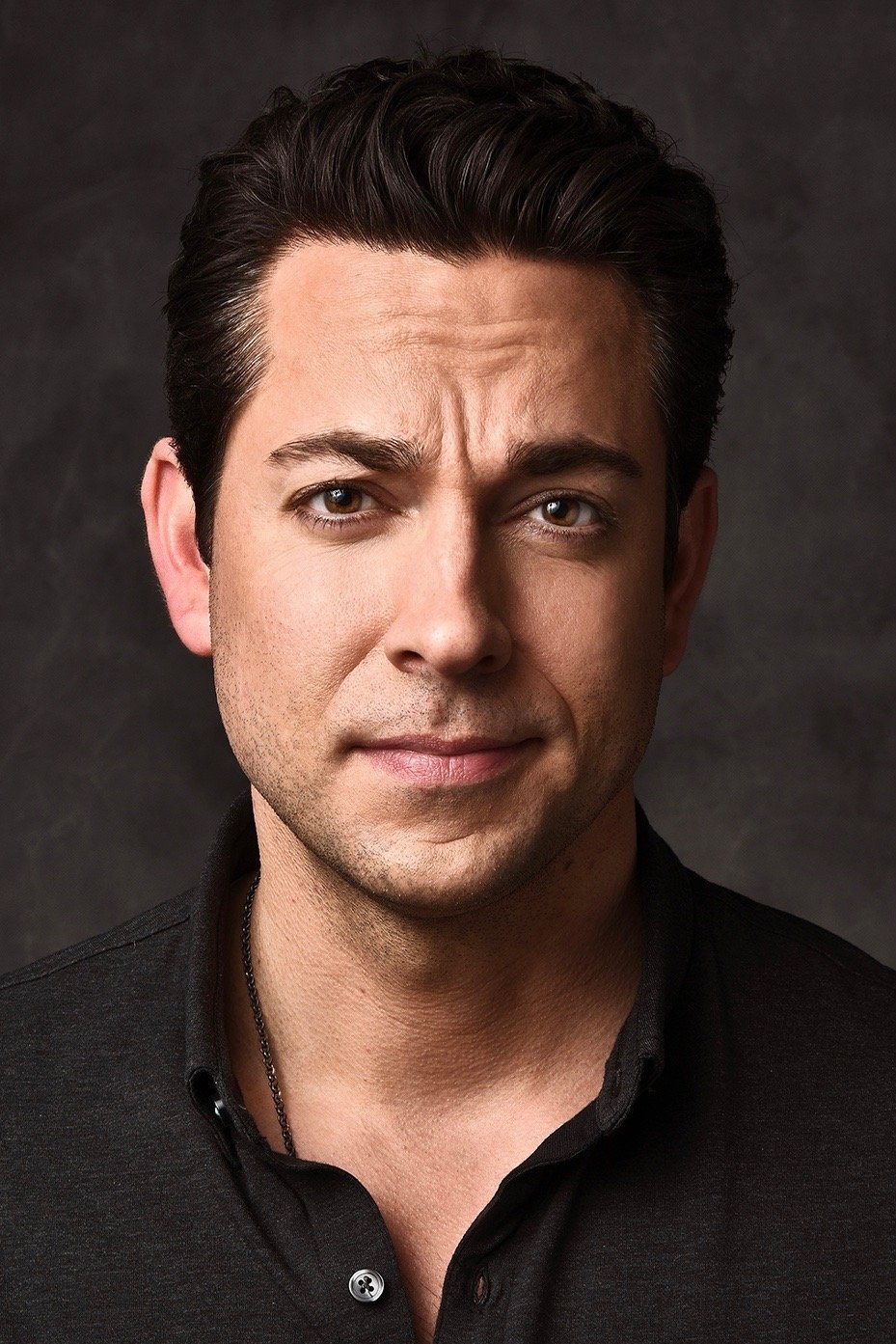
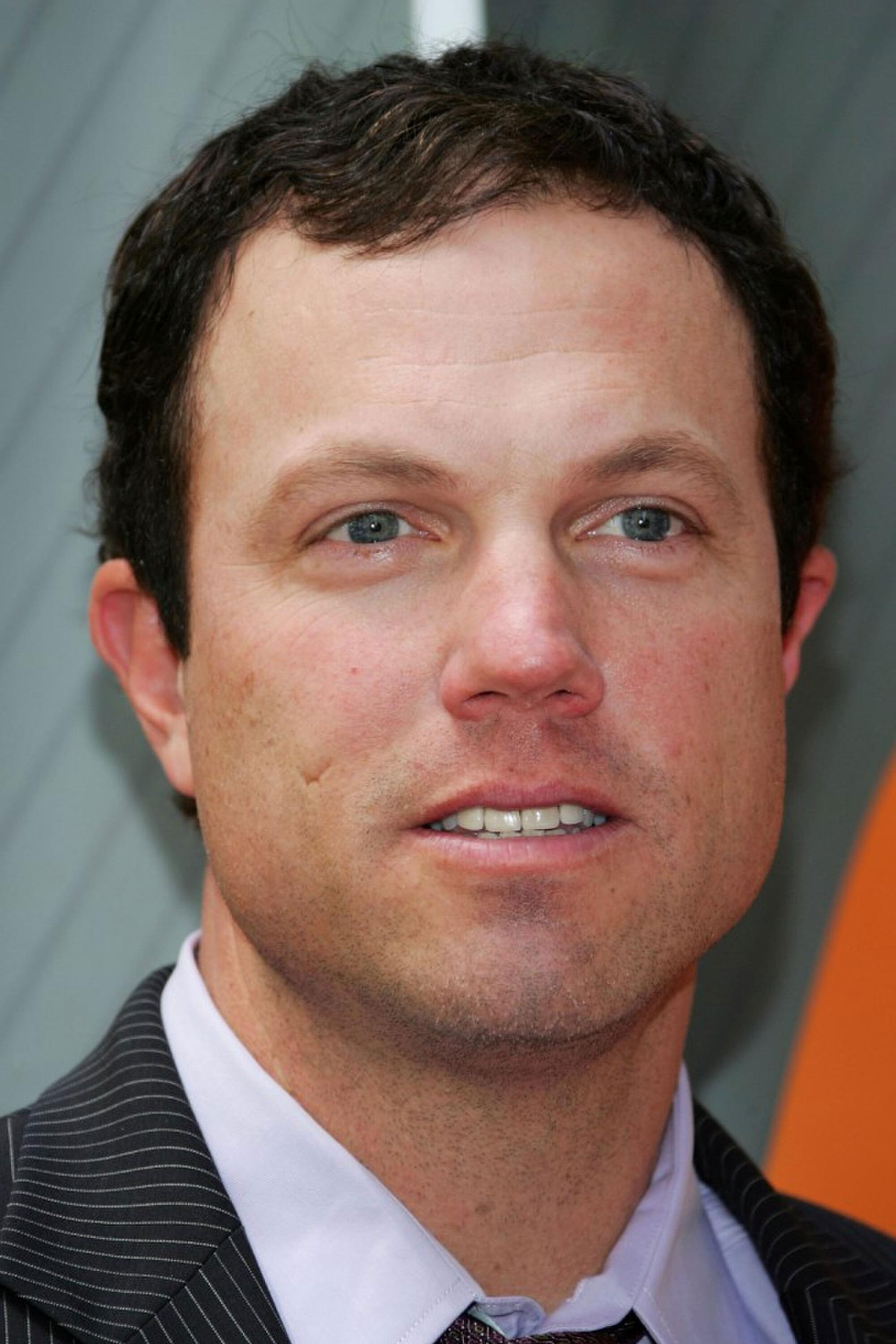
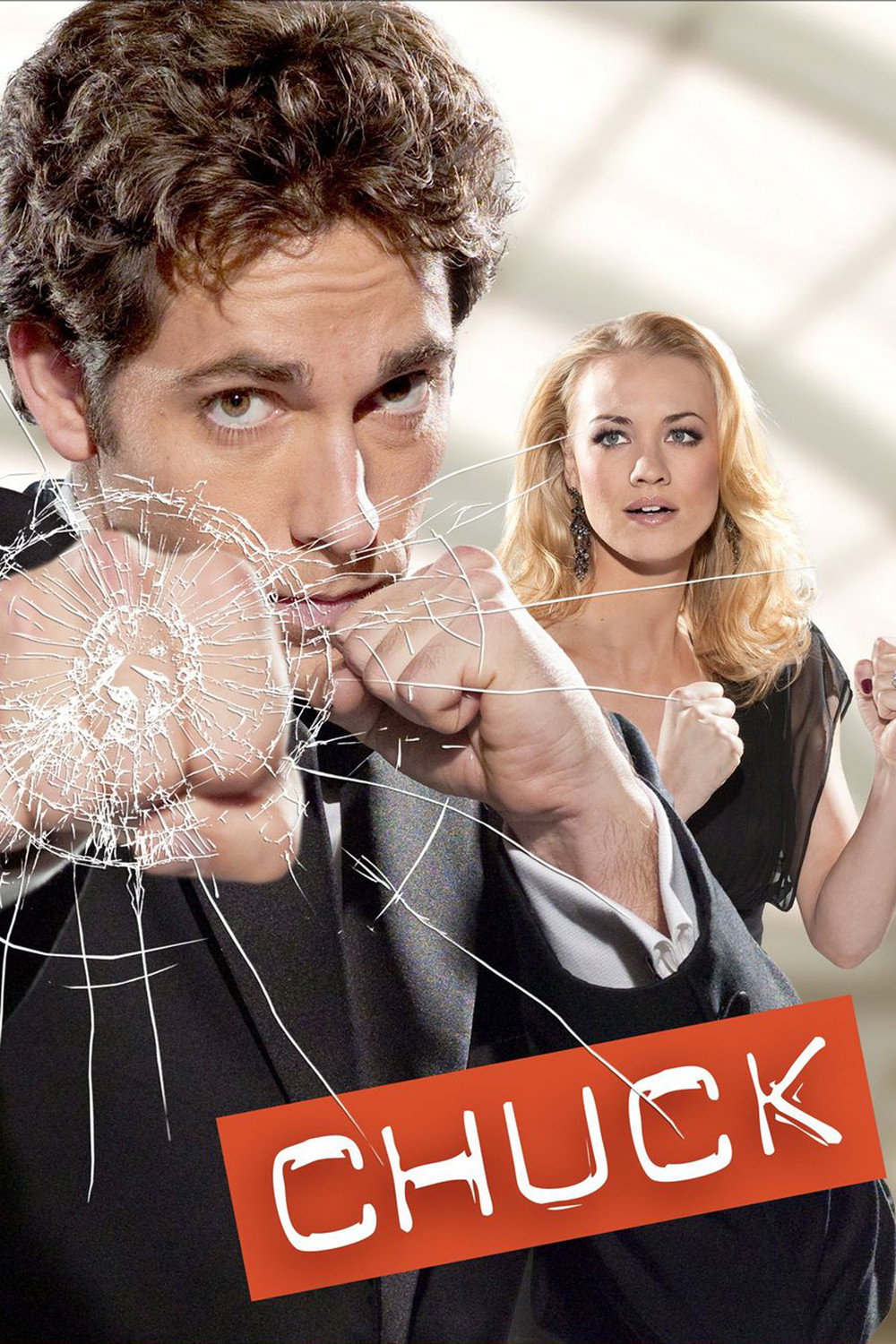
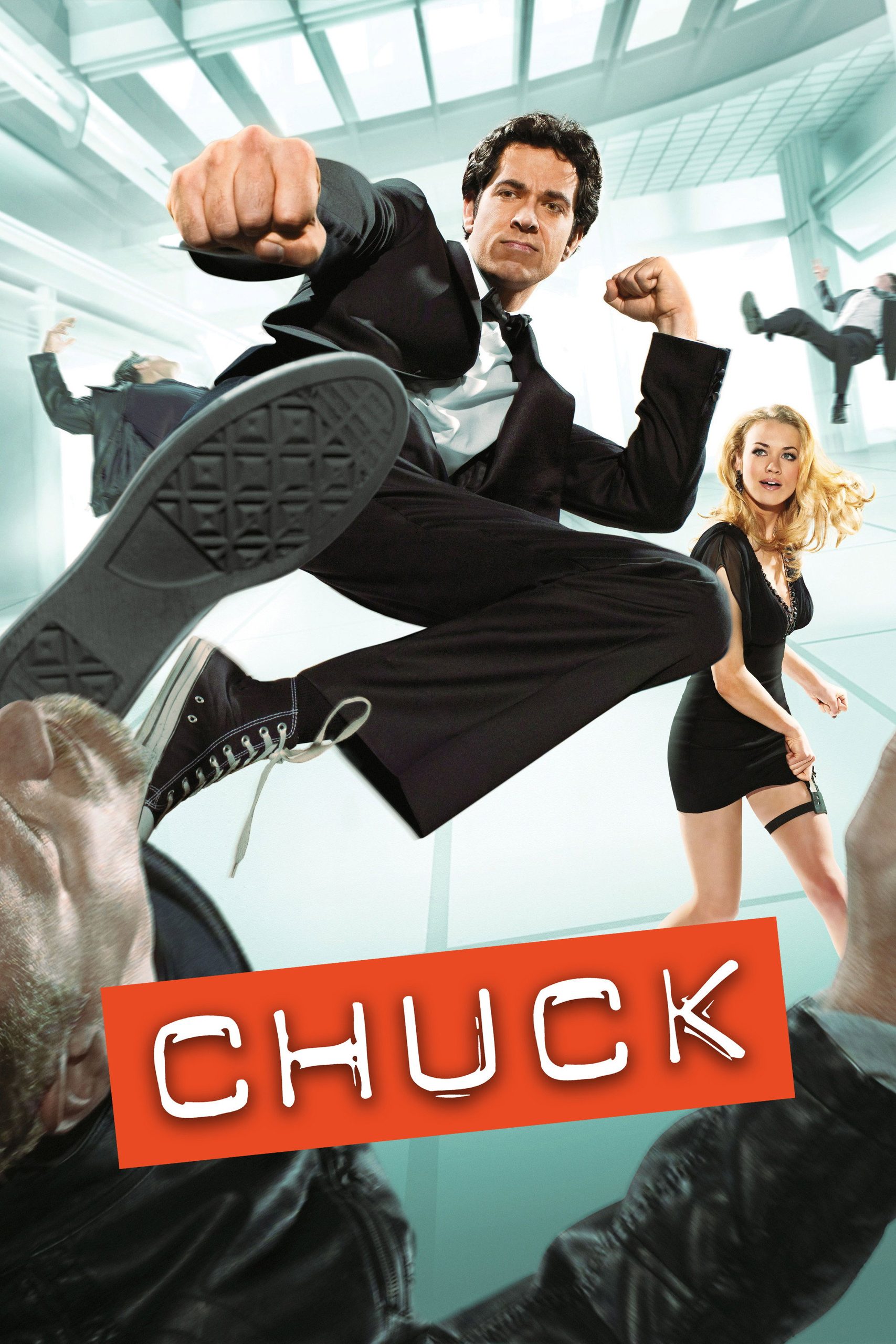
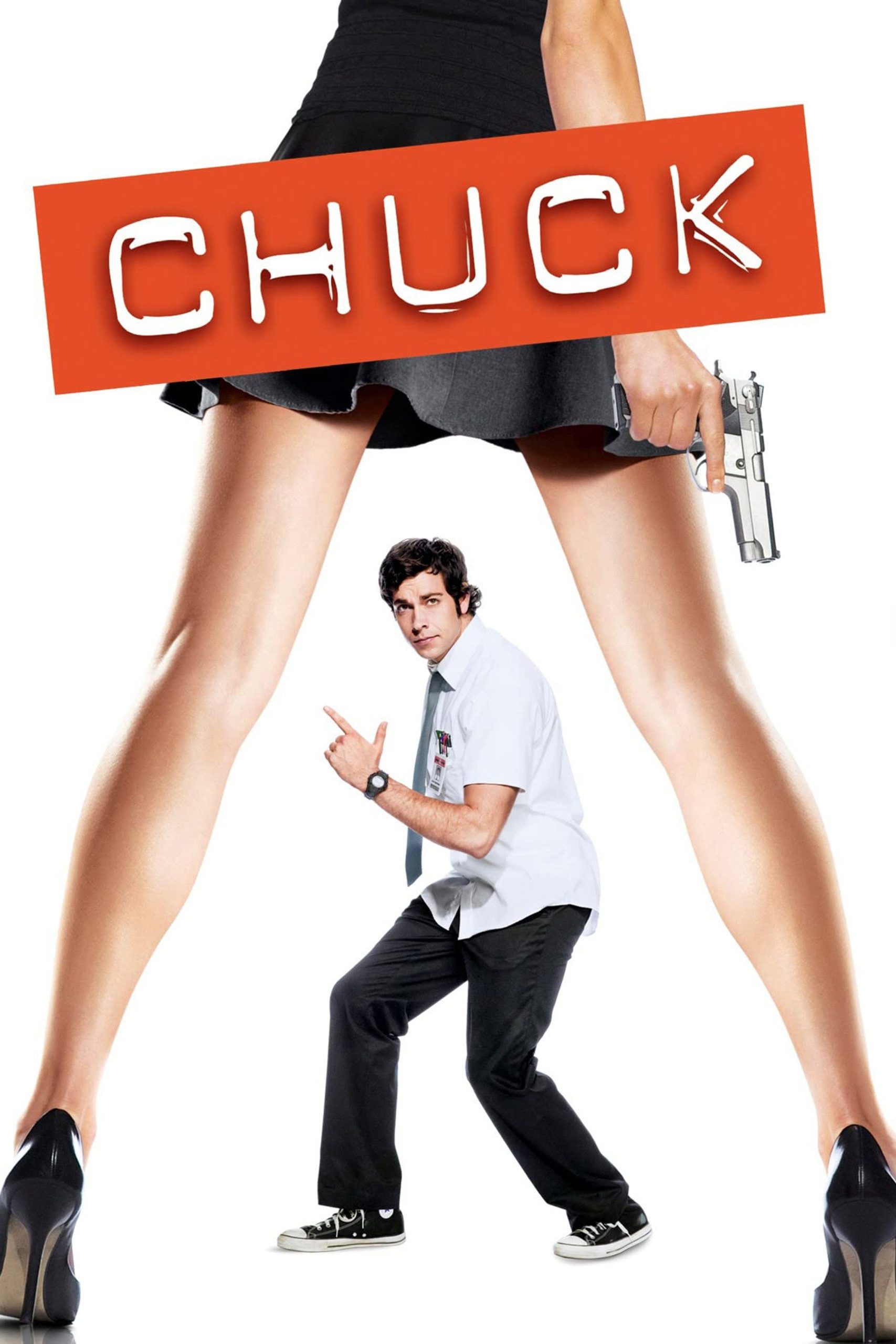
Josh Schwartz’s spy comedy runs on charm and on a formula it never quite trusts itself to break. The formula wears thin by the third season; the charm does not, and Zachary Levi, Yvonne Strahovski and Adam Baldwin are worth the five seasons.
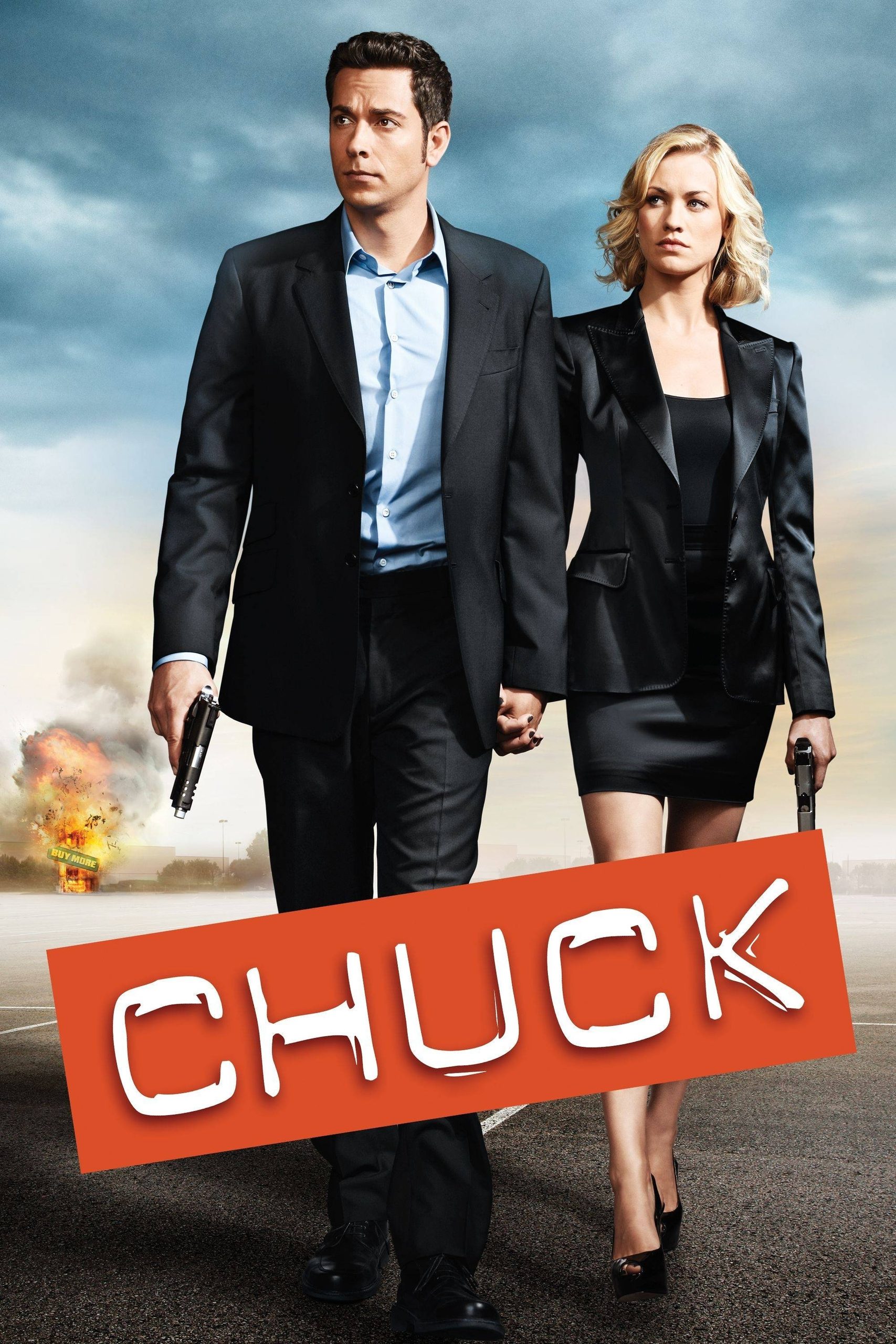
Chuck Bartowski (Zachary Levi) mends computers at a Buy More in Burbank for eleven dollars an hour, and one night an email from an old college friend puts every secret the American government owns into his head. That is the whole idea, and Josh Schwartz’s series spends five seasons and 91 episodes finding out how far one idea can be stretched. The answer is further than it should go and not as far as it wants to. Chuck is a warm, likeable, frequently lazy show that coasts on its cast, and the cast can take the weight.
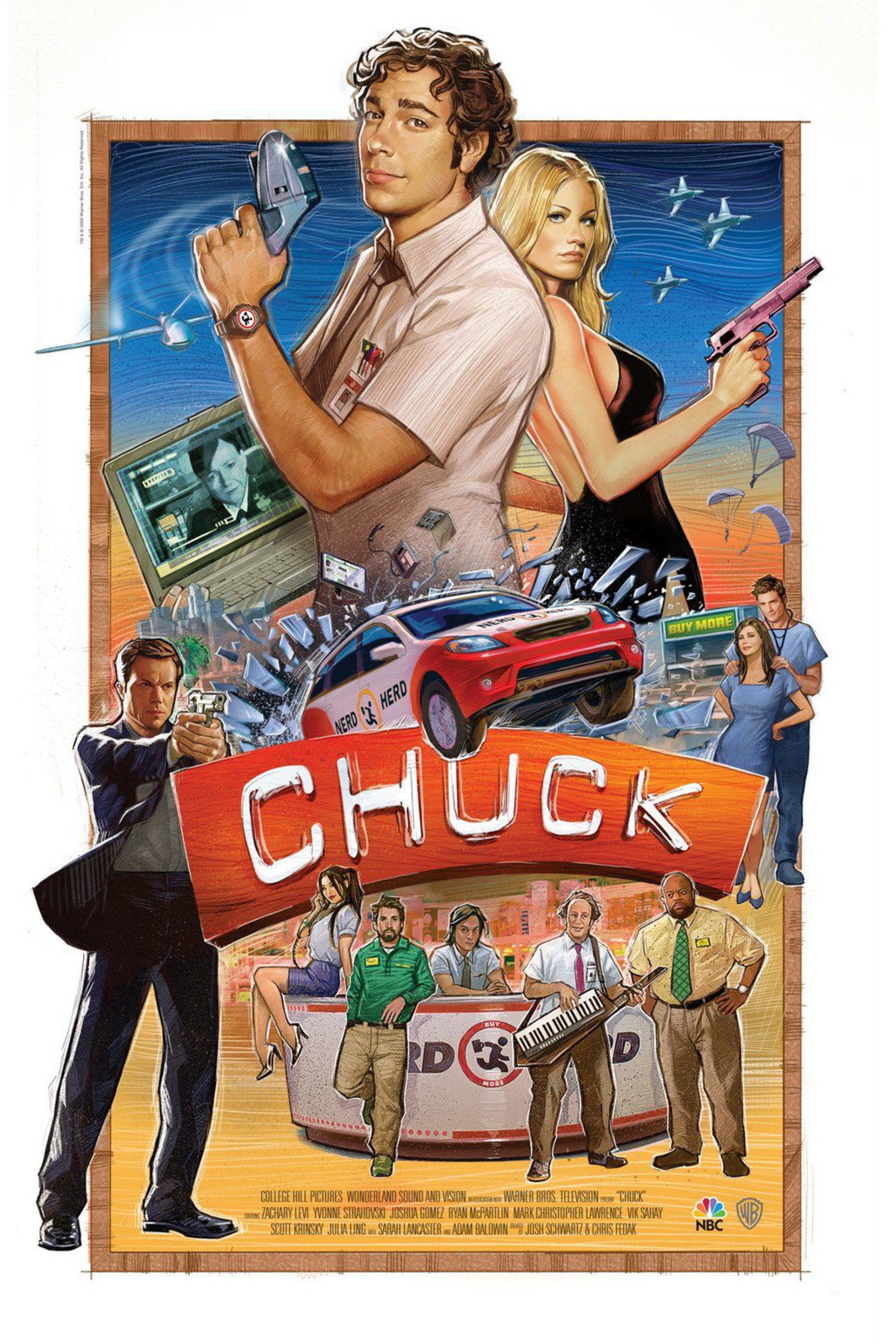
The pilot, directed by McG, sets the terms with more confidence than the writing always matches. The CIA sends Sarah Walker (Yvonne Strahovski), the NSA sends John Casey (Adam Baldwin), and both are told to babysit a shop assistant who “flashes” on faces and blueprints like a man remembering where he left his keys. Chuck goes home to his sister Ellie (Sarah Lancaster) and her boyfriend Devon (Ryan McPartlin), a cardiologist so relentlessly upbeat that everyone calls him Awesome. Each week there is a villain, a gadget, a flash and a cover story to protect. Each week the world is saved and Chuck goes back to the Nerd Herd desk.
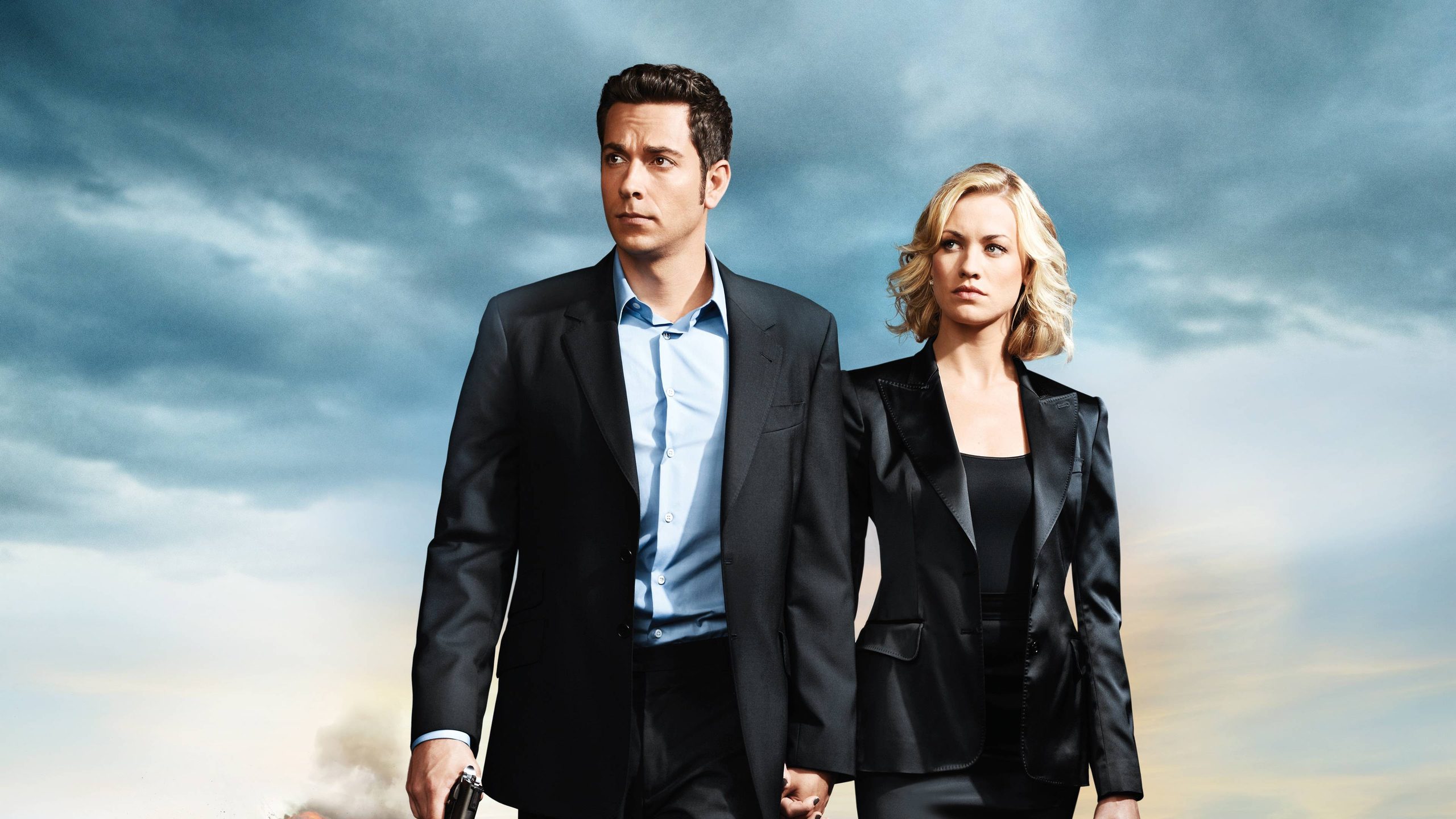
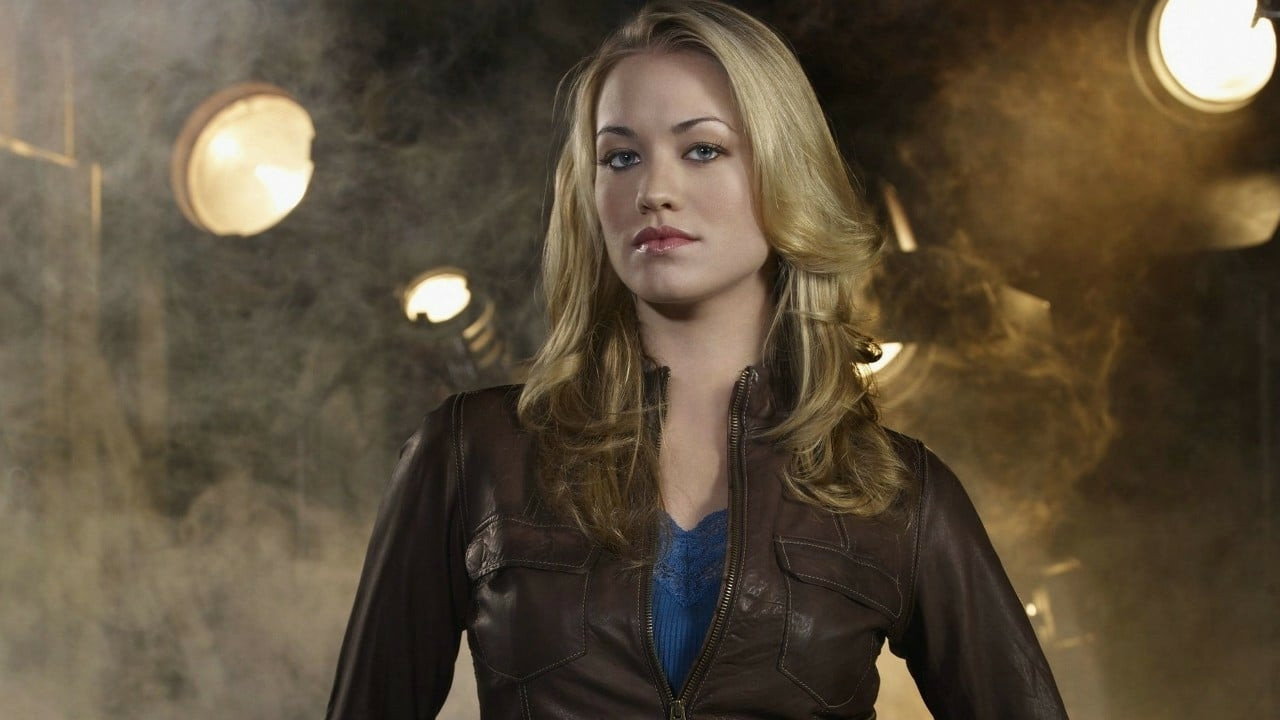
Levi is the reason it works. He plays Chuck as a man frightened and delighted in roughly equal measure, and he can make a stammered lie the funniest thing in the scene. Strahovski gives Sarah a stillness that reads as competence, and she lets us see, a beat before Chuck does, when the cover stops being a cover. Baldwin does most of his acting with his jaw. He growls, he sighs, he calls Chuck a moron in a tone a lesser show would label affection, and for most of the first two seasons he is the funniest person on screen.
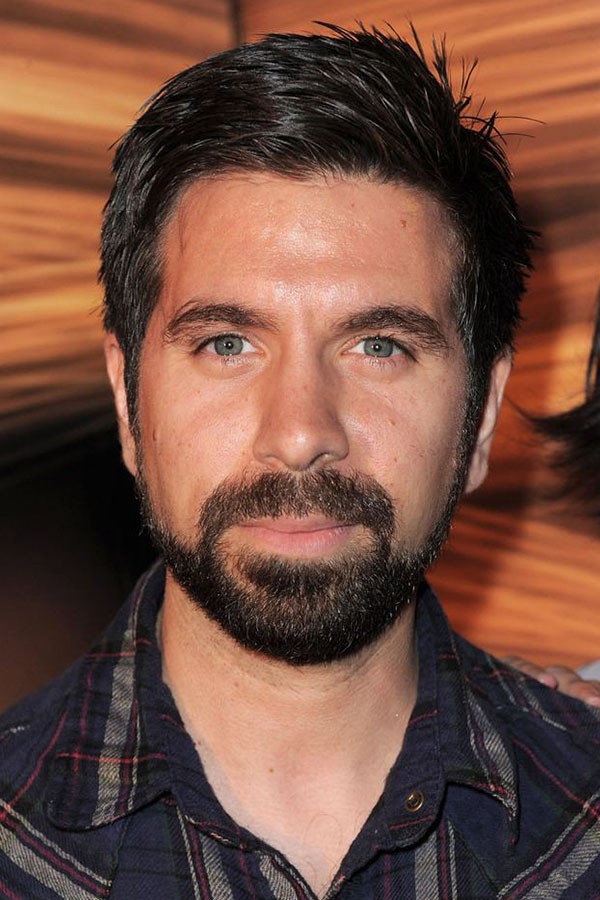
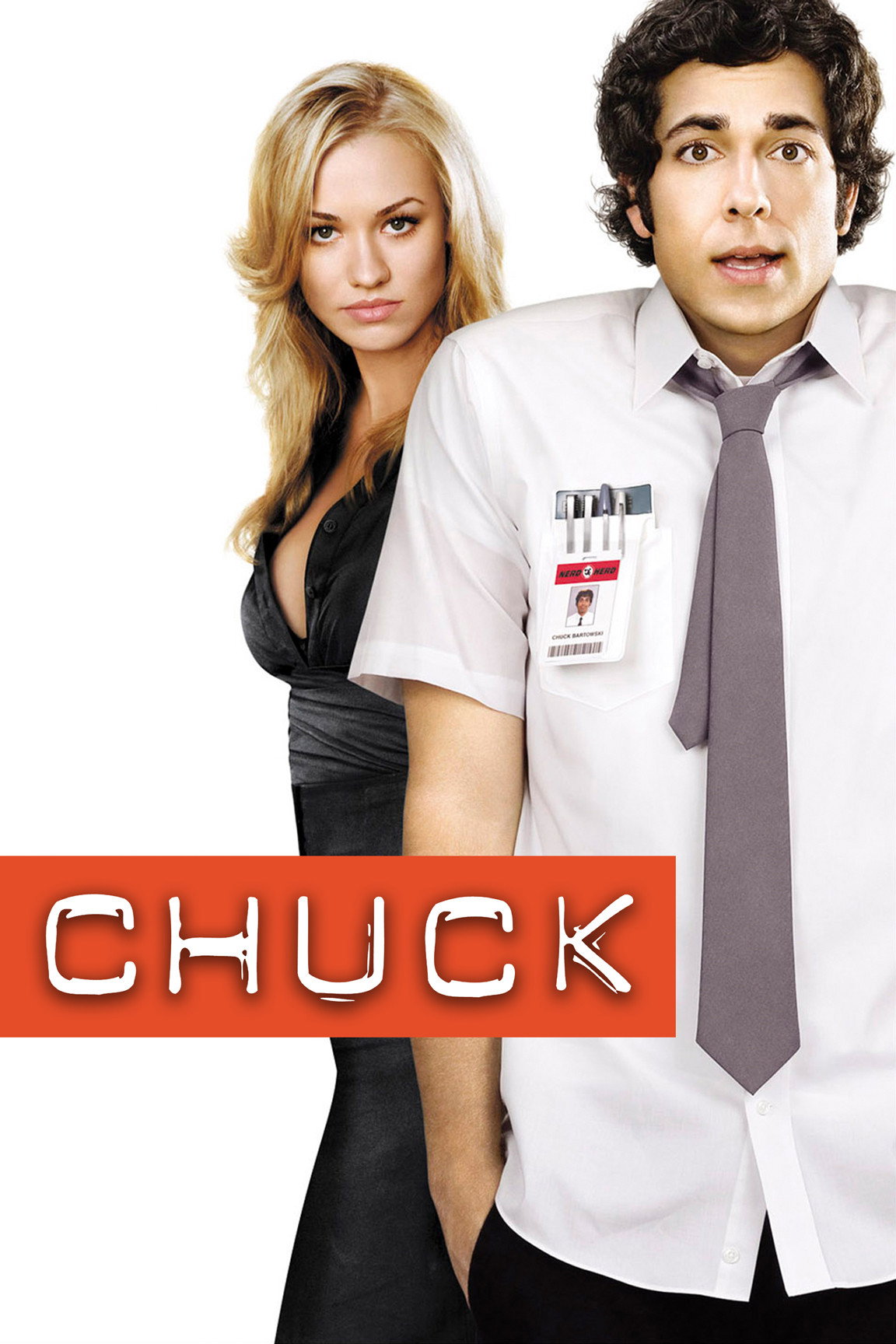
The Buy More is the show’s second engine, and the better one whenever the spy plot runs thin. Morgan Grimes (Joshua Gomez) is the best friend who takes everything too seriously; Jeff Barnes (Scott Krinsky) and Lester Patel (Vik Sahay) are two men who should not be allowed near the public; Big Mike (Mark Christopher Lawrence) manages them by not looking. We laughed at Jeff and Lester more than we are comfortable admitting, and nearly always at their sincerity, because the show never lets them know they are funny. Mirela Rupic’s costumes do a share of the comedy too: the white short-sleeved shirt and grey tie of the Nerd Herd uniform, which Chuck wears into gunfights, next to whichever cocktail dress Sarah has been issued to lie in that week. Tim Jones scores it as light spy pastiche, brass and bongos, and knows how seriously to take a car chase, which is not very seriously at all.
The trouble is the formula. The flash is a writer’s convenience and the show uses it as one: whenever a plot needs a fact, Chuck’s eyes flicker and the fact arrives. The villains are mostly forgettable, the missions blur into one another, and Robert Duncan McNeill, who produced the series and directed a good many episodes, shoots the action cleanly and without much sense that anyone could be hurt. Then there is the romance. Chuck and Sarah are plainly meant for each other from the first hour, and the writers keep them apart with growing ingenuity and shrinking conviction. By the third season, which rearranges the premise in ways we will not describe, we were cross with a show we had come to like, because it was stalling on purpose and knew we could tell.
It recovers. The fourth season, 24 episodes, is the most relaxed and probably the best, because the show has stopped treating its couple as a question and gets on with being a comedy about a family that happens to own guns. The fifth, 13 episodes, is a farewell lap. Bonita Friedericy’s General Beckman barks orders from a screen throughout and is a small, dependable pleasure. Rachel Bilson passes through the first season as Lou Palone, who makes sandwiches and is, for a few episodes, a more sensible prospect than a CIA agent.
Against the genre it sits nearer Get Smart than Alias, and it is happiest when it admits that. Nobody is in real danger and the government’s secrets do not matter much. What the show is about is a man told at 26 that he had wasted his life, finding out slowly that he had not. Watch the first two seasons with someone who knew you at that age. Each episode runs 43 minutes and carries a 12.