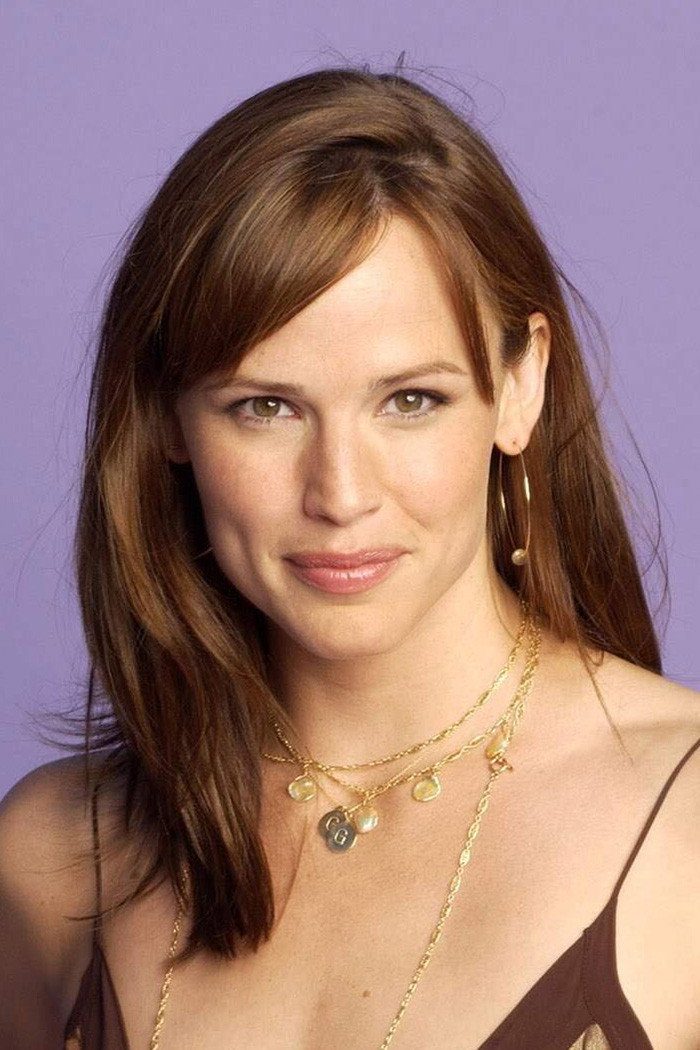
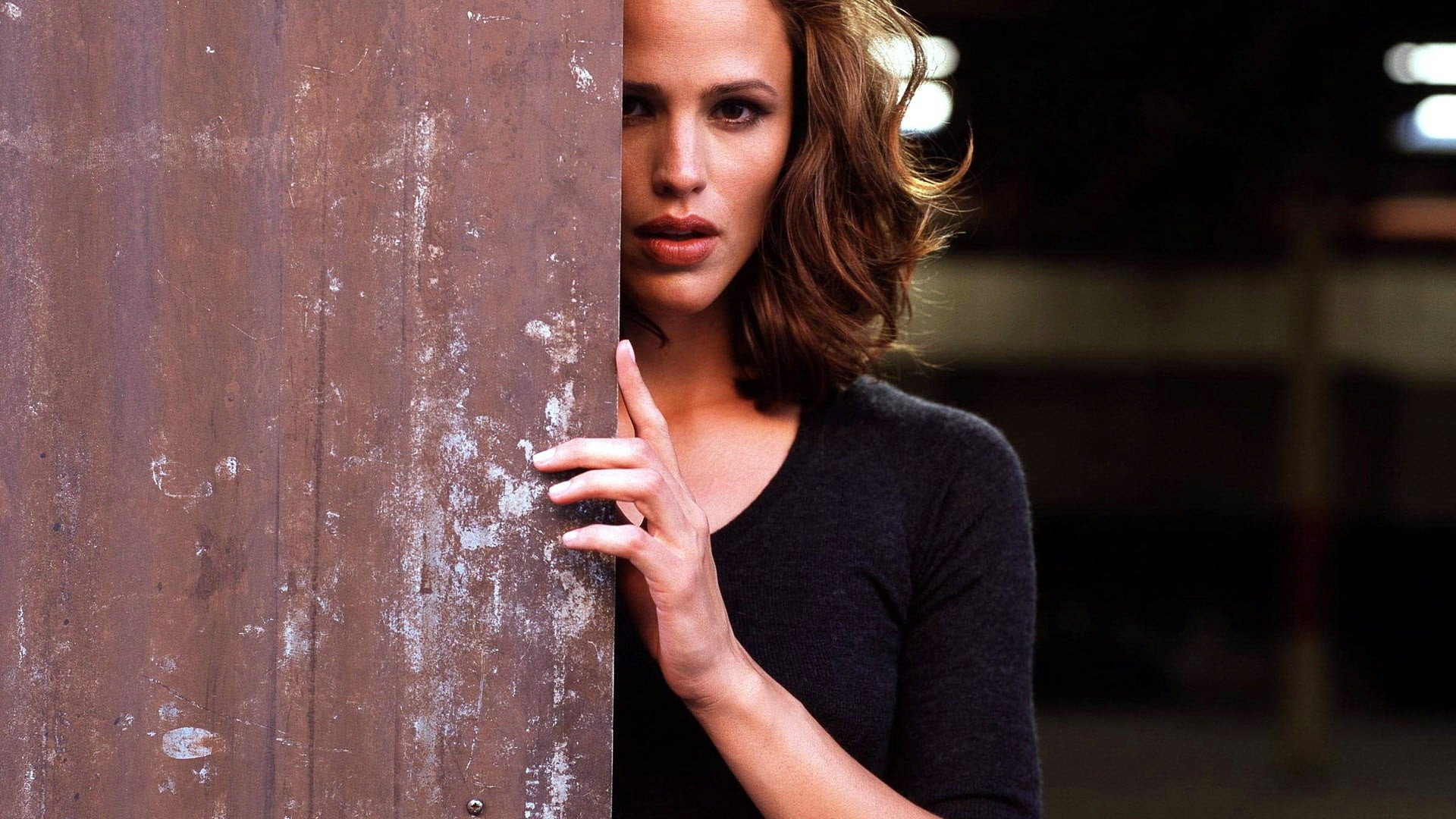
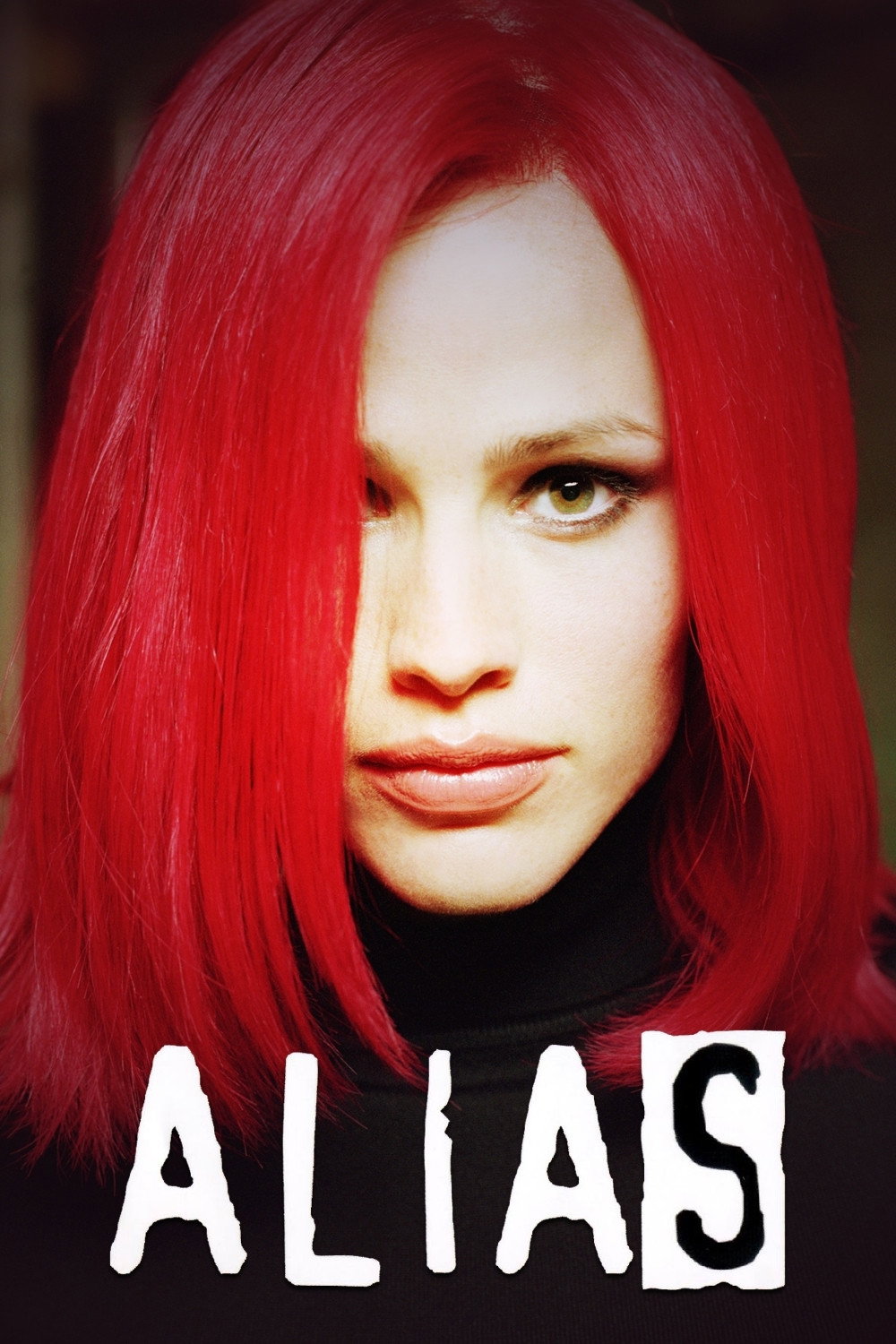
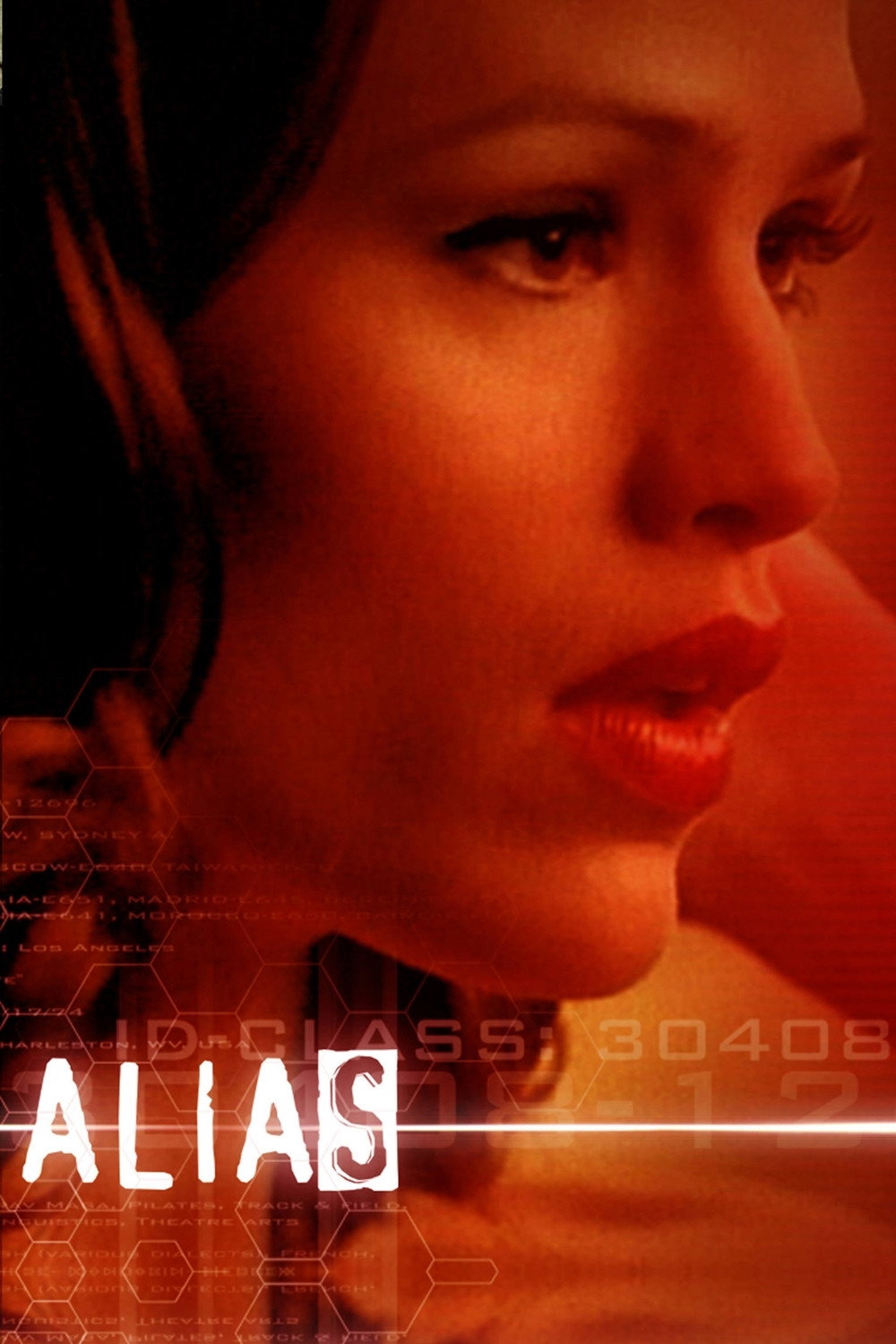
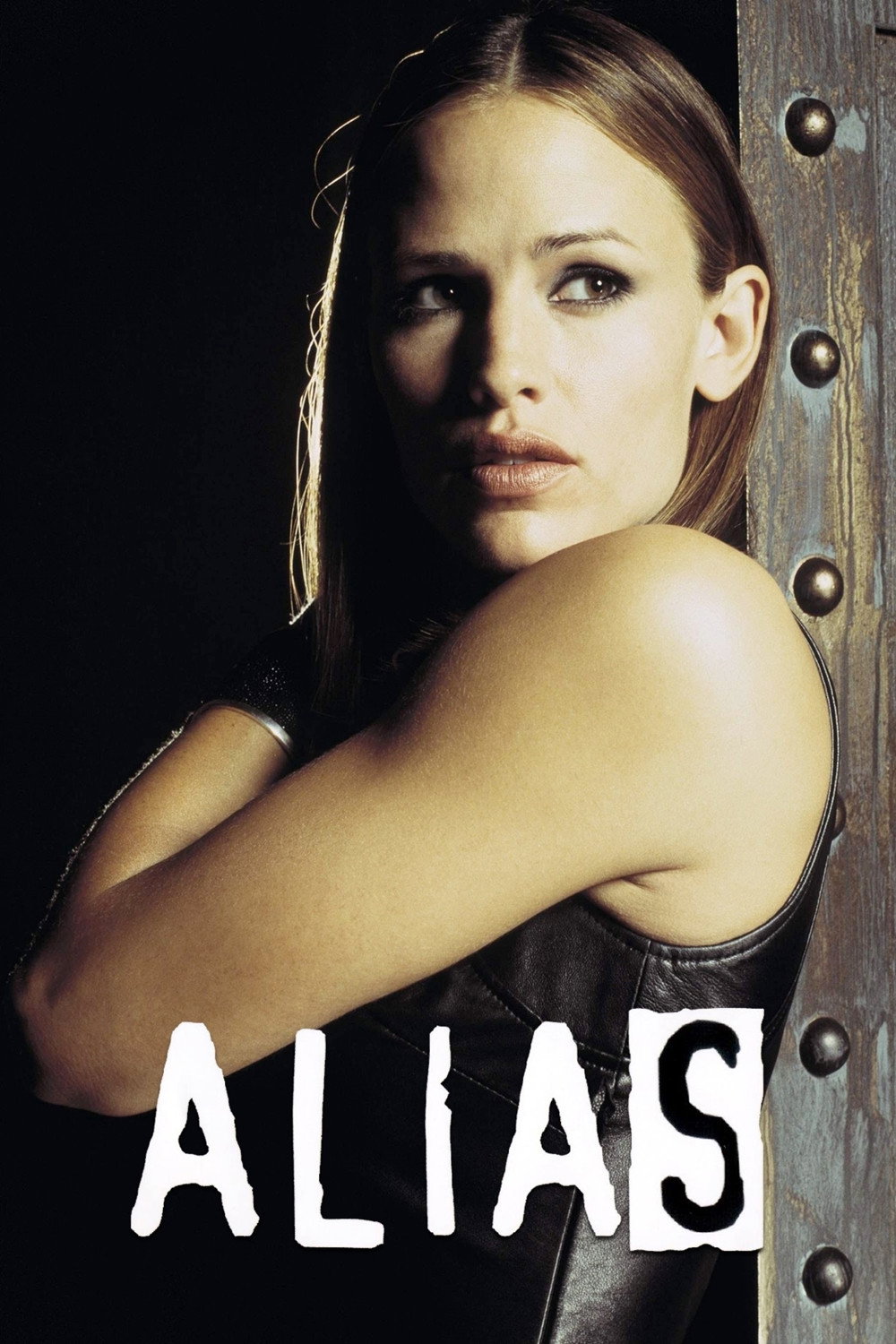
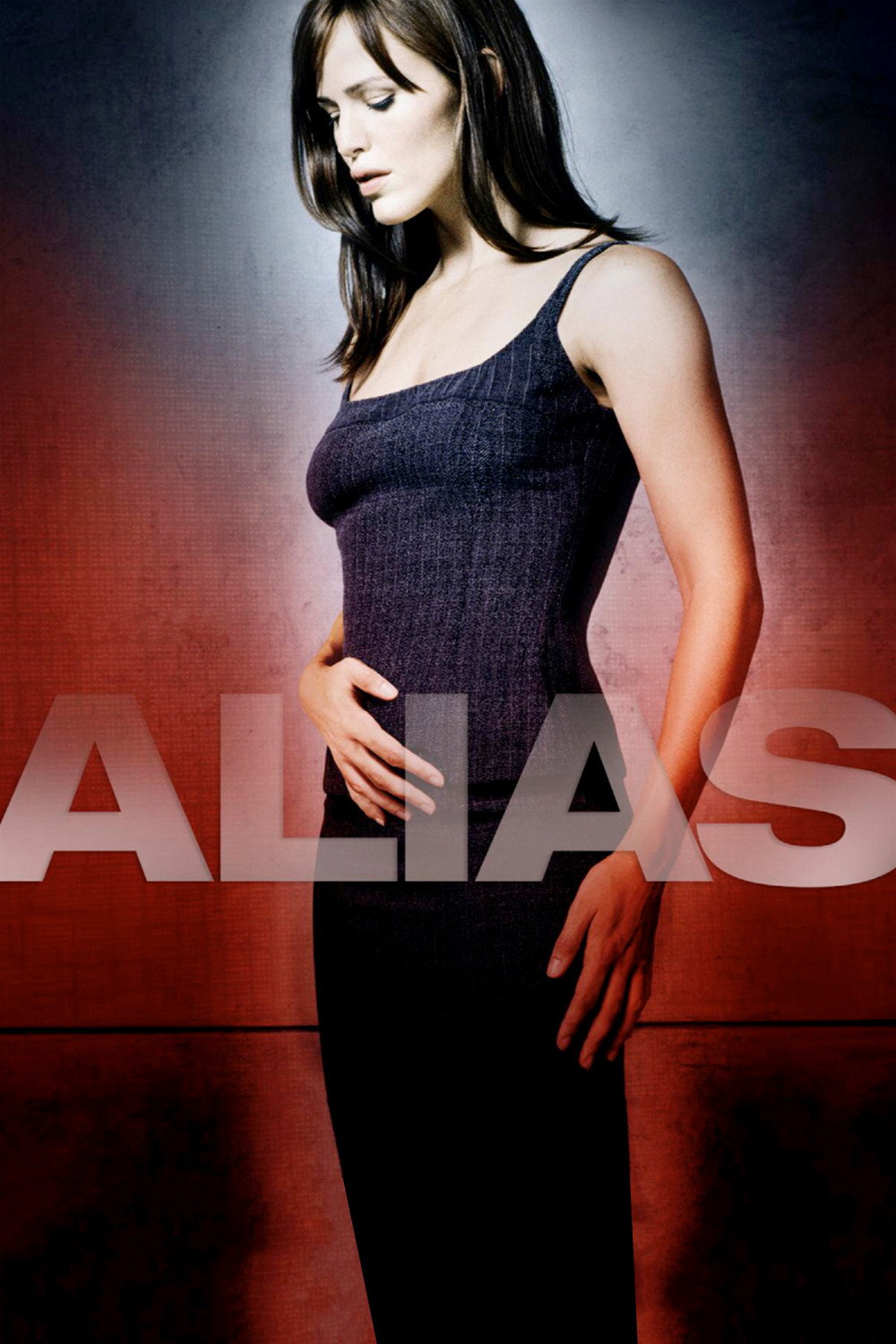
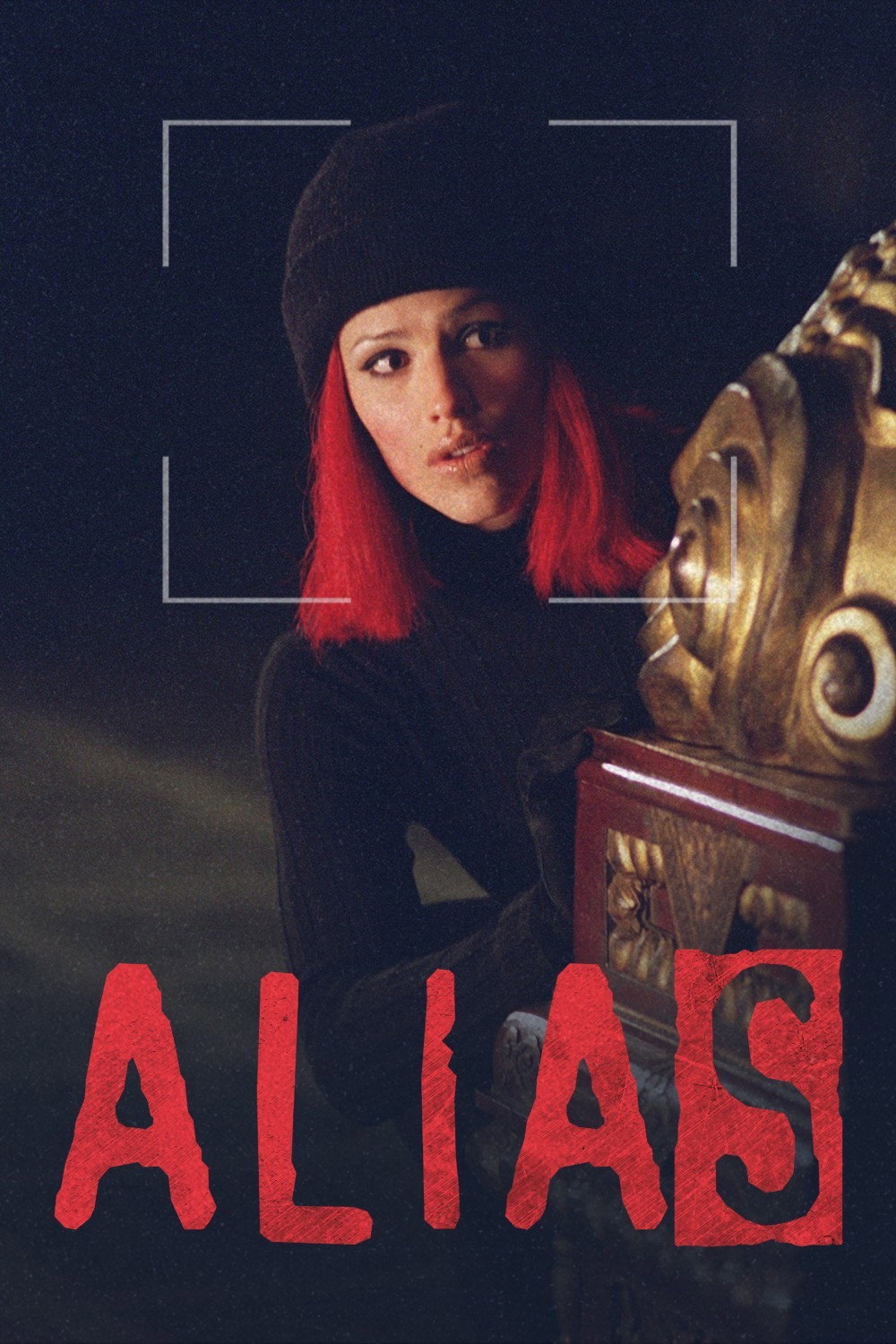
Jennifer Garner runs, kicks and lies her way through a spy series that is brisk fun for two series and a tangle after that. Victor Garber and Ron Rifkin give it a spine the plots do not always deserve. Worth your evening if the genre is yours.
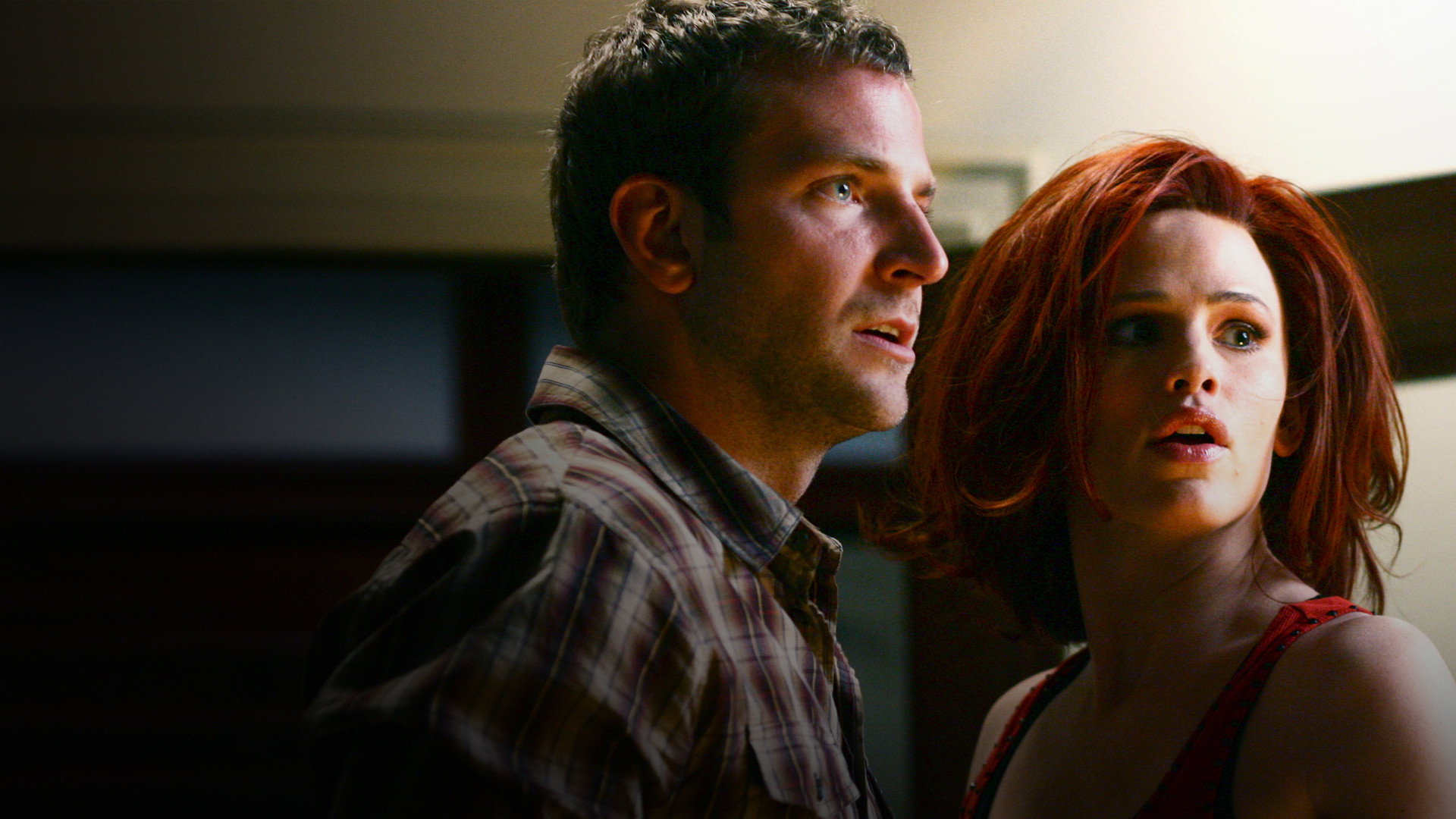
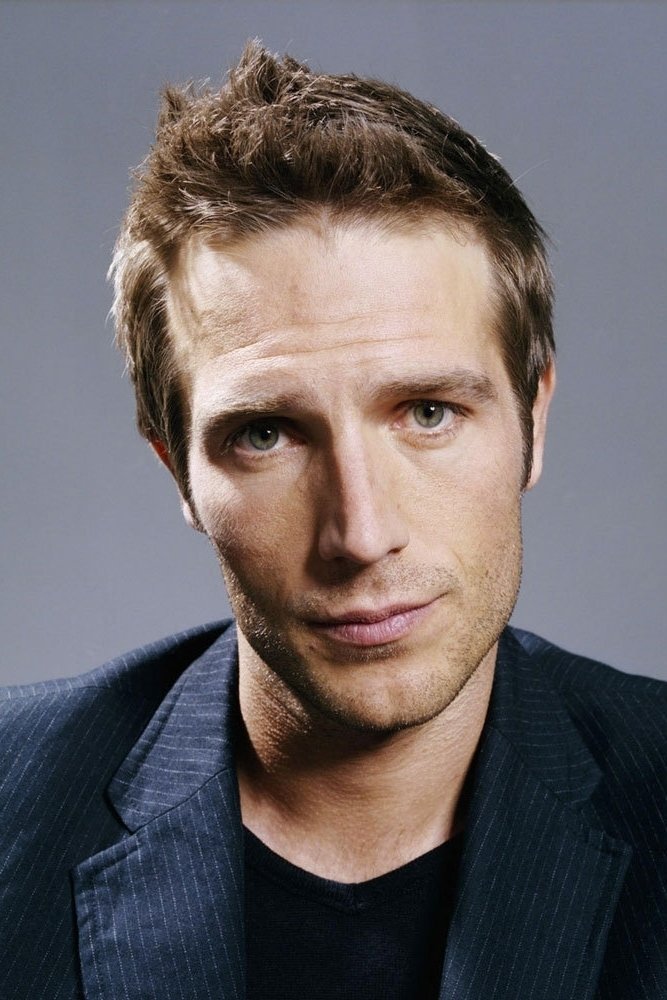
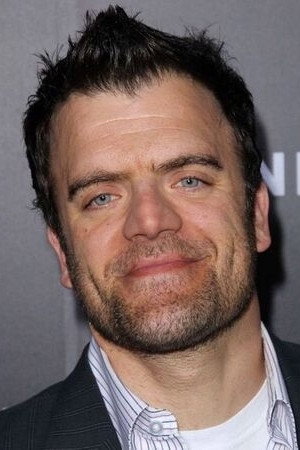
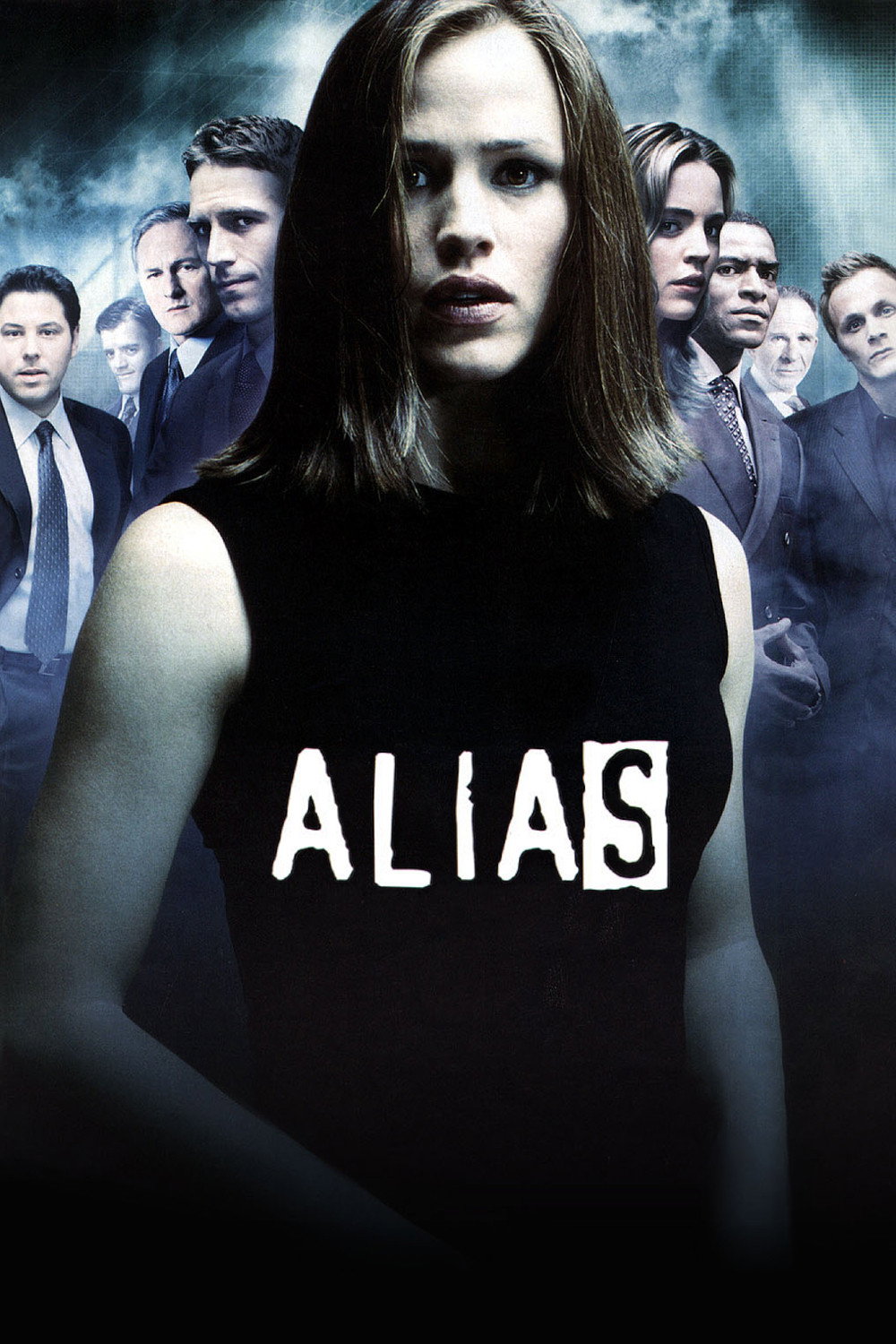
Sydney Bristow (Jennifer Garner) is a student with a second job, and the second job is espionage for an outfit called SD-6, which she believes is part of the CIA. The opening episode tells her, and us, that it is nothing of the kind, and by the end of it she is a double agent, reporting to the real CIA through Michael Vaughn (Michael Vartan) while still working for the people who lied to her. J.J. Abrams created the series and wrote and directed that first episode. It ran for five series and 105 episodes of 43 minutes, beginning on 30 September 2001. It is good fun for about two of those series.
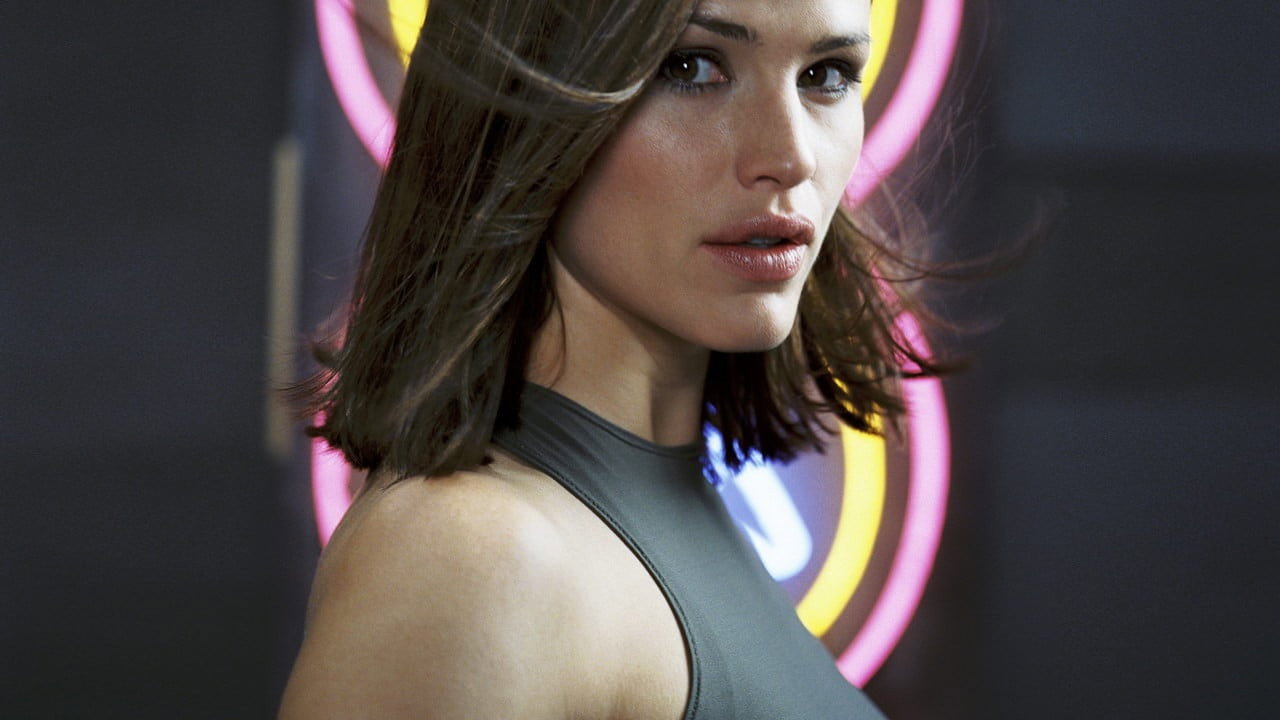
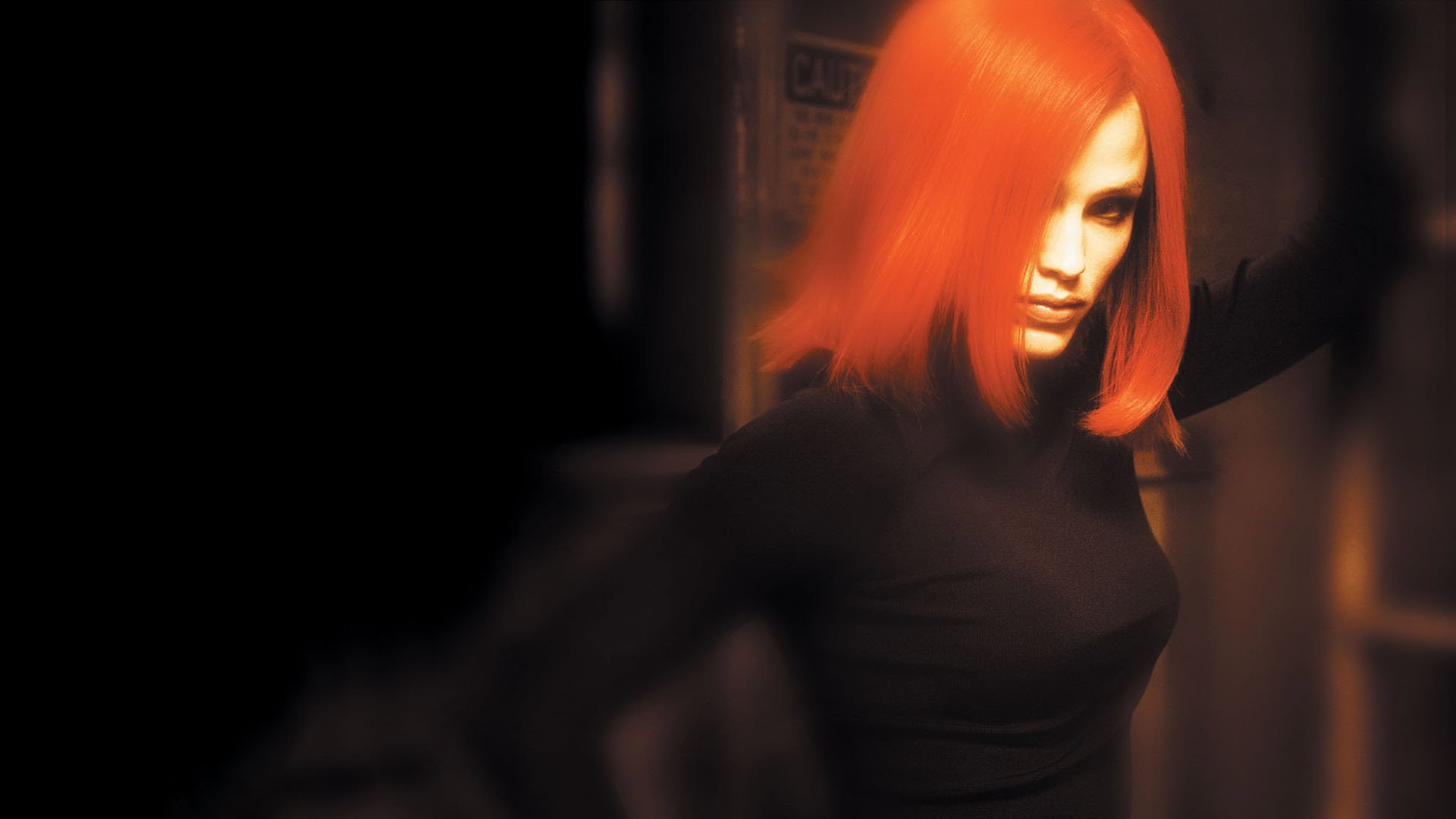
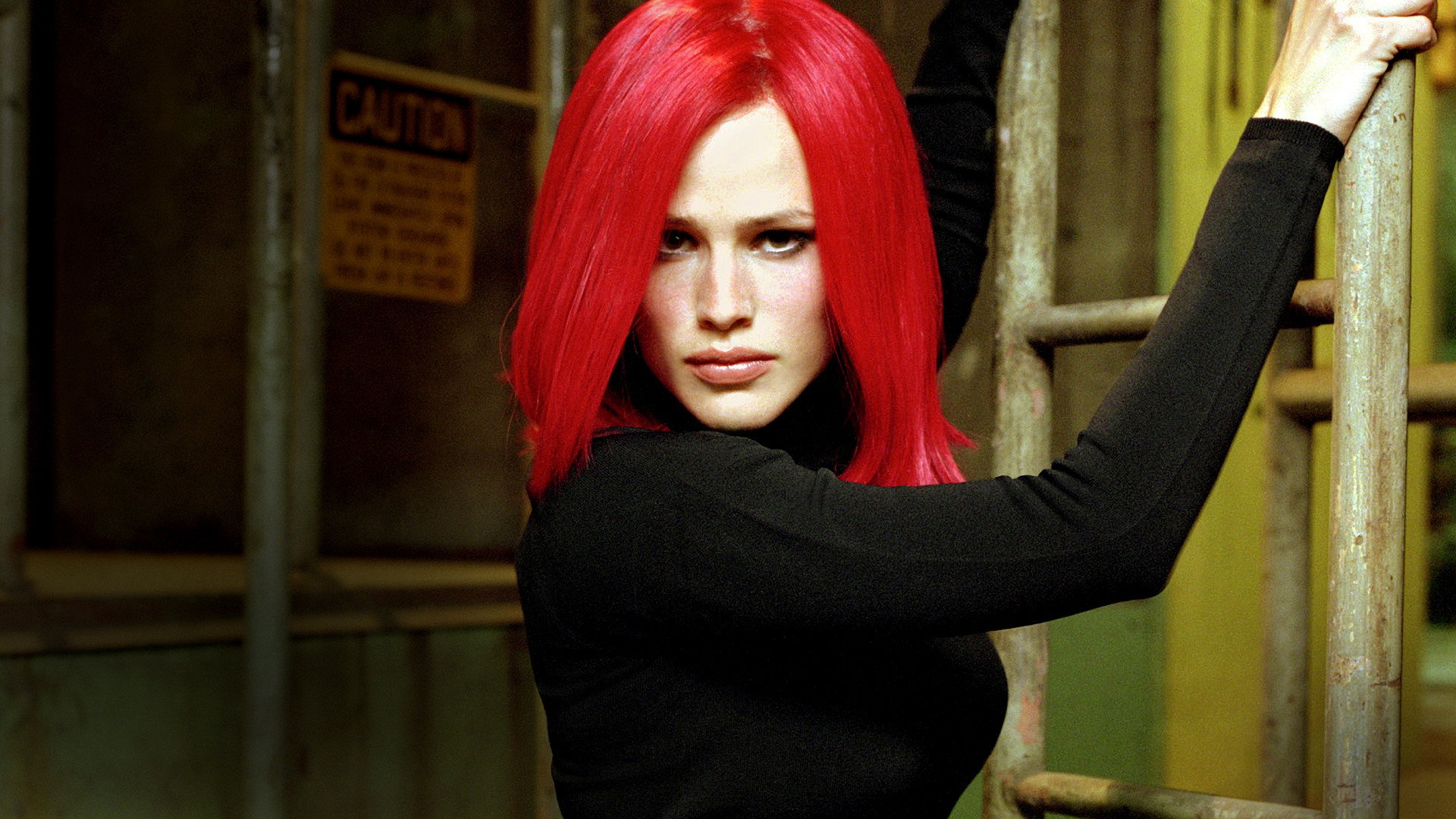
The weekly formula is the pleasure. Marshall Flinkman (Kevin Weisman) explains a gadget too fast, Sydney puts on a wig, the music turns to thumping dance and she walks into an embassy, a nightclub or a vault in a dress nobody could fight in. Then she fights in it. Garner runs like she means it and hits like she has been taught, but the thing she does best is the face: the half-second in which Sydney has to be two people at once, and one of them is lying to a man she cares about.
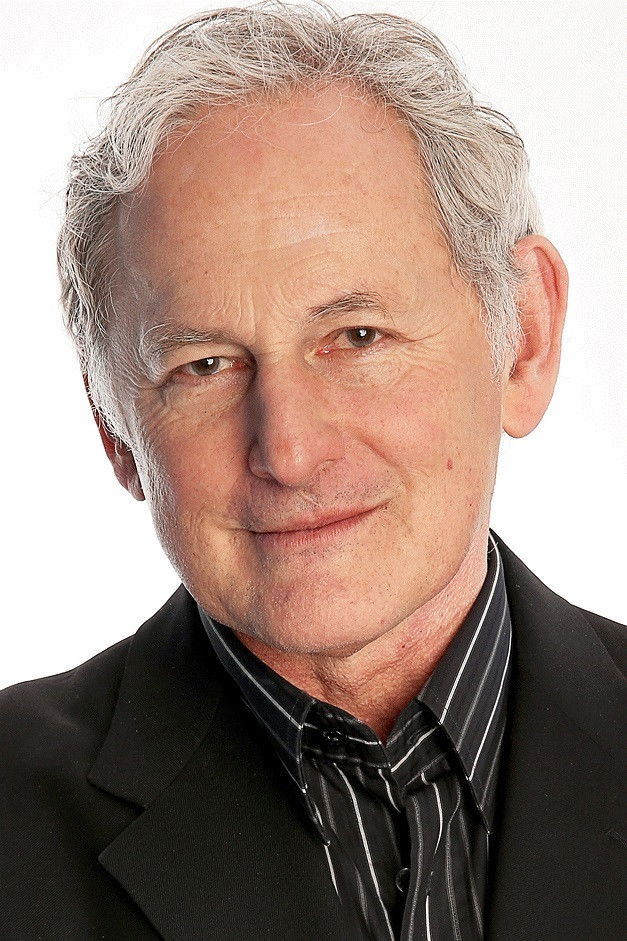
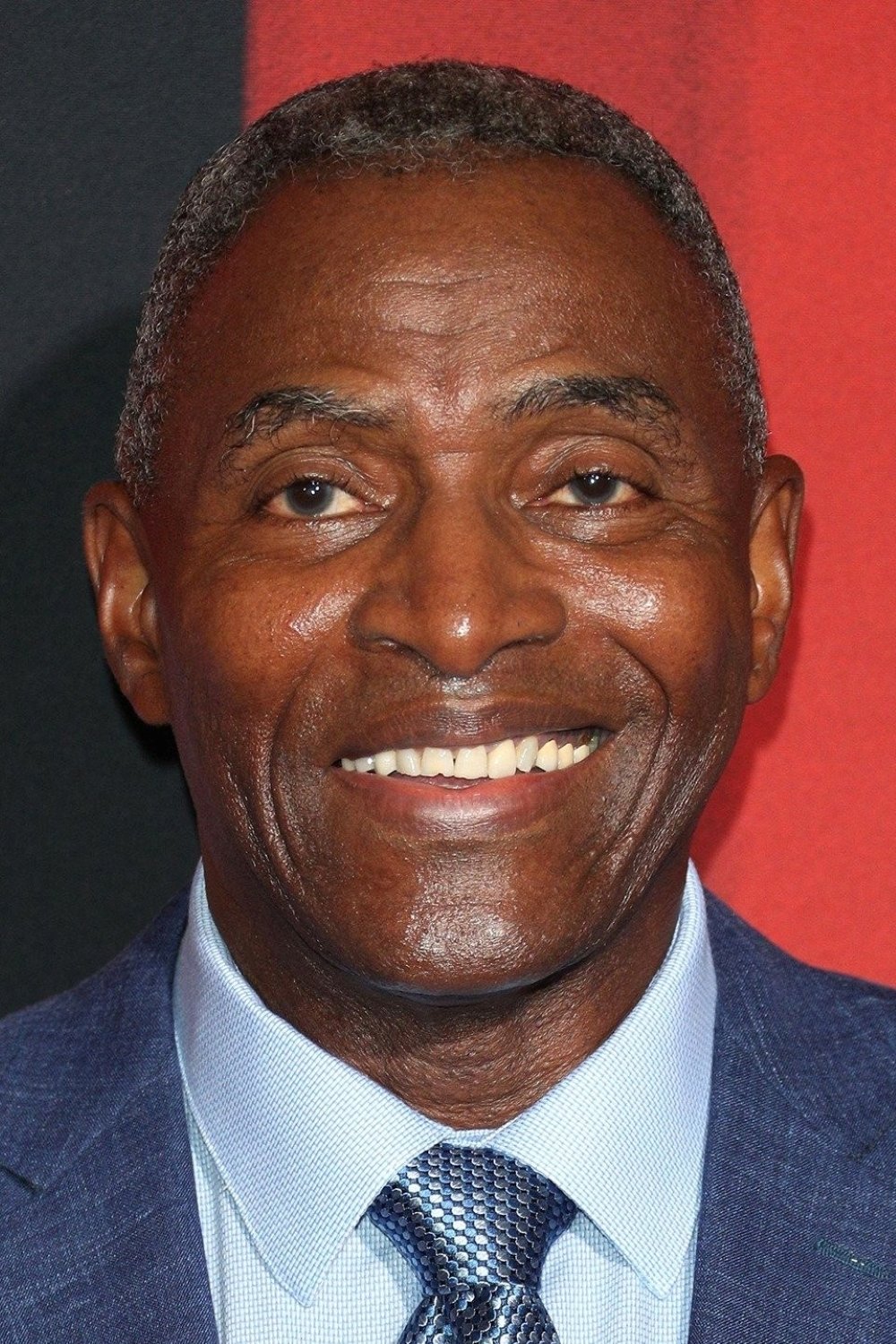
The men around her are better than the material deserves. Victor Garber plays Jack Bristow as a man who has ordered his face to give nothing away and is mostly obeyed. He and Sydney talk in cars and empty rooms, neither turning to look at the other, and it moved us more than a series with this many wigs should. Ron Rifkin’s Arvin Sloane is soft-voiced and sad-eyed and plays his fondness for Sydney as if it were real, which is what makes him frightening. Carl Lumbly gives Dixon a steady decency that the series leans on when everyone else is lying.
The craft is consistent for a show made at this speed. Michael Bonvillain, Bing Sokolsky and Donald E. Thorin Jr. share the cinematography, and the pattern holds: missions in saturated colour, a green club, a red corridor, a blue server room, and home life in flat California daylight. Michael Giacchino’s score is electronic drums, brass stabs and a title theme that is little more than a beat under a woman’s face. Fourteen editors and more than thirty directors are credited, Ken Olin and Garner herself among them, and the tone barely wobbles in the first two series.
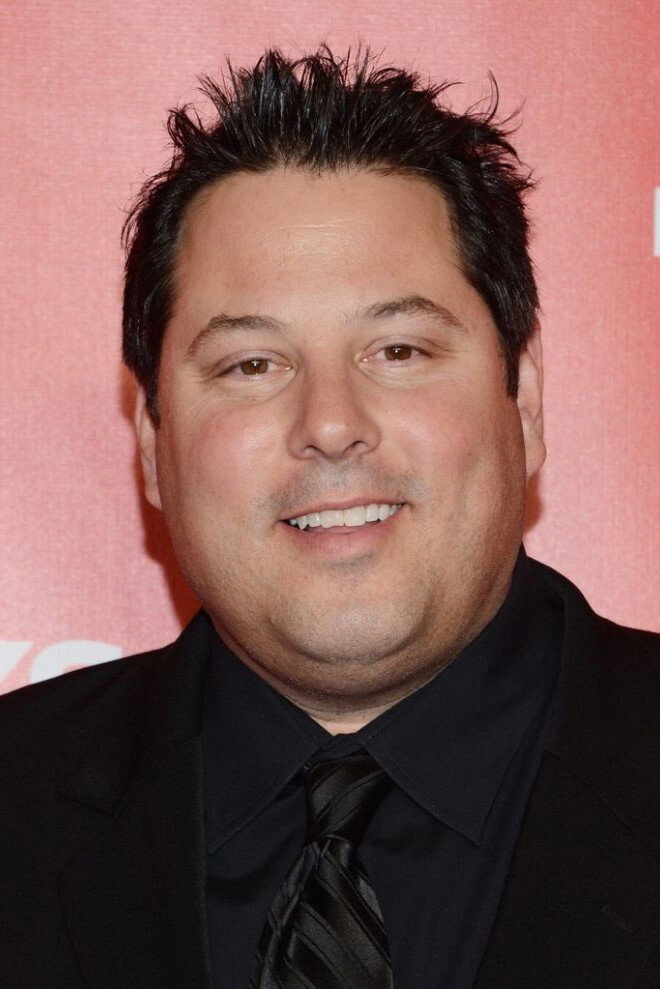
It does wobble in the plotting. Somewhere in the middle of the first series we were bored, and then annoyed about it, because the mission had ended on the same shot, Sydney turning at a footstep, for what felt like the fourth week running. Twenty-two episodes a year is a lot to fill, and the writers, Roberto Orci, Alex Kurtzman, Jeff Pinkner and Drew Goddard among them, fill it with a running quest for the relics of a Renaissance prophet called Rambaldi. The more they explain what Rambaldi built, the less it seems to matter. We stopped trying to follow it and were happier.
The second series is the best. It turns the premise over in a way we will not describe, and it brings in Lena Olin as Irina Derevko, a woman who lies as well as Sydney and enjoys it more. Olin is the finest thing in the whole run. After that the series keeps reinventing itself, and each reinvention costs it something. Melissa George’s Lauren Reed, Amy Acker’s Kelly Peyton and Rachel Nichols’s Rachel Gibson each arrive to fill a gap, but by the fifth series, cut to 17 episodes, we were watching out of loyalty and relying on the recap to remember who had betrayed whom.
Set against Abrams’s later work, this is the template: the double life, the box that must not be opened, the parent with a file you were never meant to read. Set against the genre, it is sillier than most British spy television and a good deal warmer. Watch the first two series, then decide whether to carry on. Do not start at the third. The wigs, at least, never let anyone down.