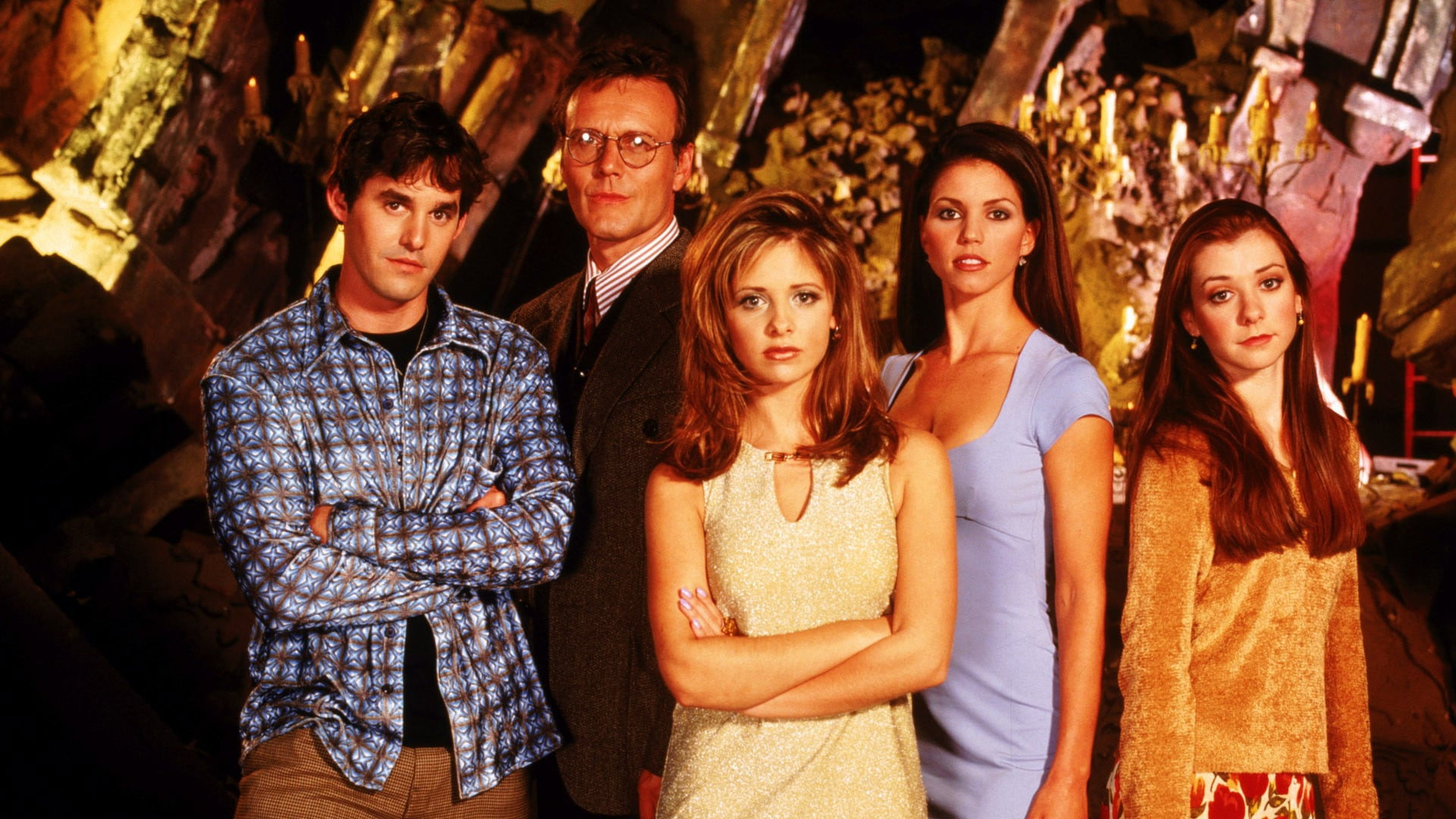
Sarah Michelle Gellar makes Buffy the Vampire Slayer funny and affecting without smoothing away its heroine’s irritation. Uneven supernatural plotting needs some patience; the performances give us good reason to stay.
Buffy the Vampire Slayer takes a familiar adolescent complaint seriously: there is already quite enough to cope with. Vampires and apocalyptic prophecies make the complaint harder to dismiss, though the ordinary wish to fit in remains easy to understand. This is a funny, affecting series whose supernatural plotting sometimes tests our patience. It earns that patience through Sarah Michelle Gellar, who makes Buffy Summers seem capable of dealing with danger and thoroughly entitled to resent the interruption.
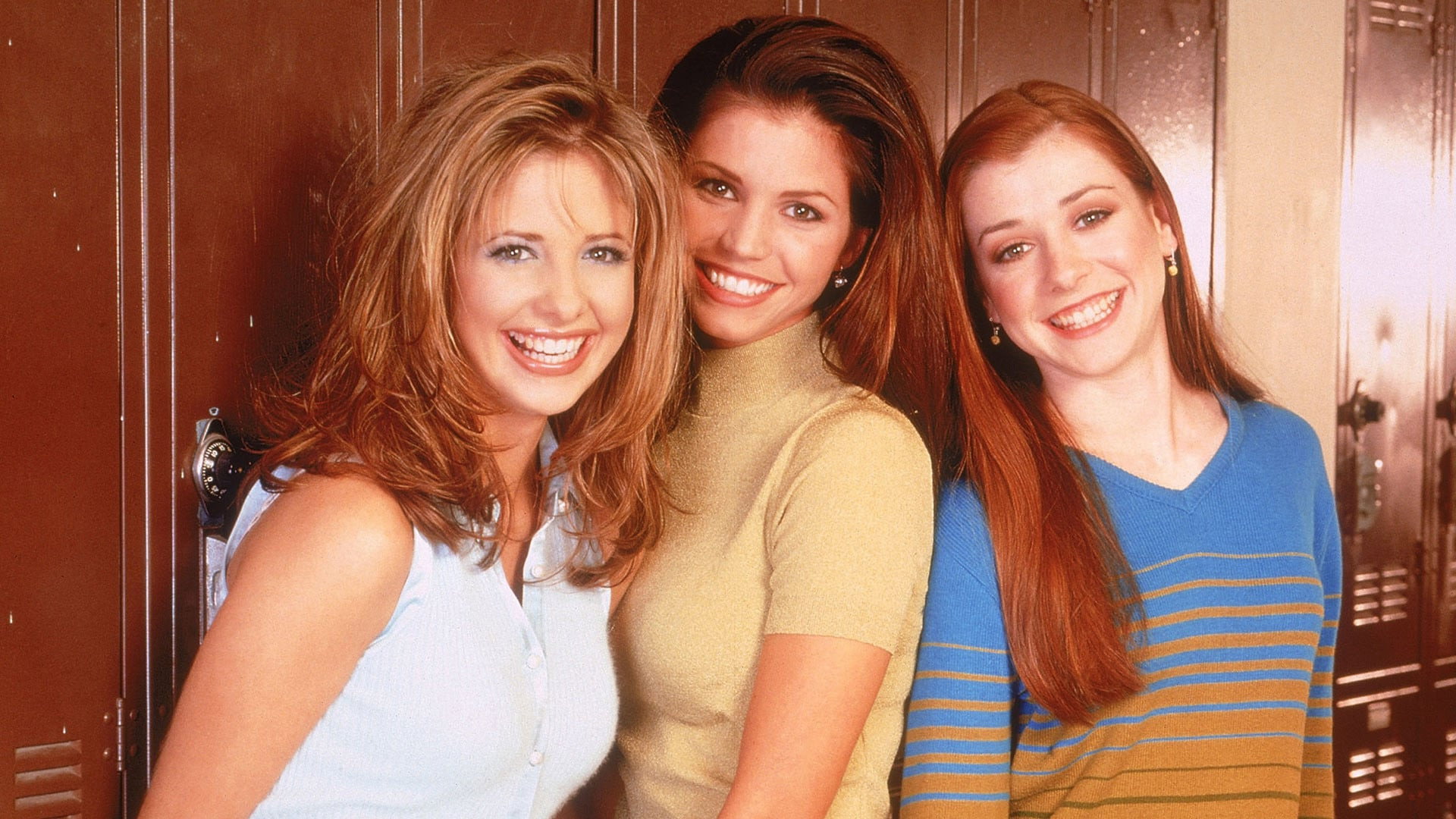
Gellar is particularly good at showing how tired Buffy is of being brave. Her comedy has an edge of impatience, and she leaves enough awkwardness in Buffy for the heroine to seem like someone still learning how to speak for herself. We felt protective of her when Gellar let Buffy’s wish for a normal life sound peevish rather than noble. That small note of irritation makes the responsibility feel unfair without asking us to pity her every time trouble arrives.
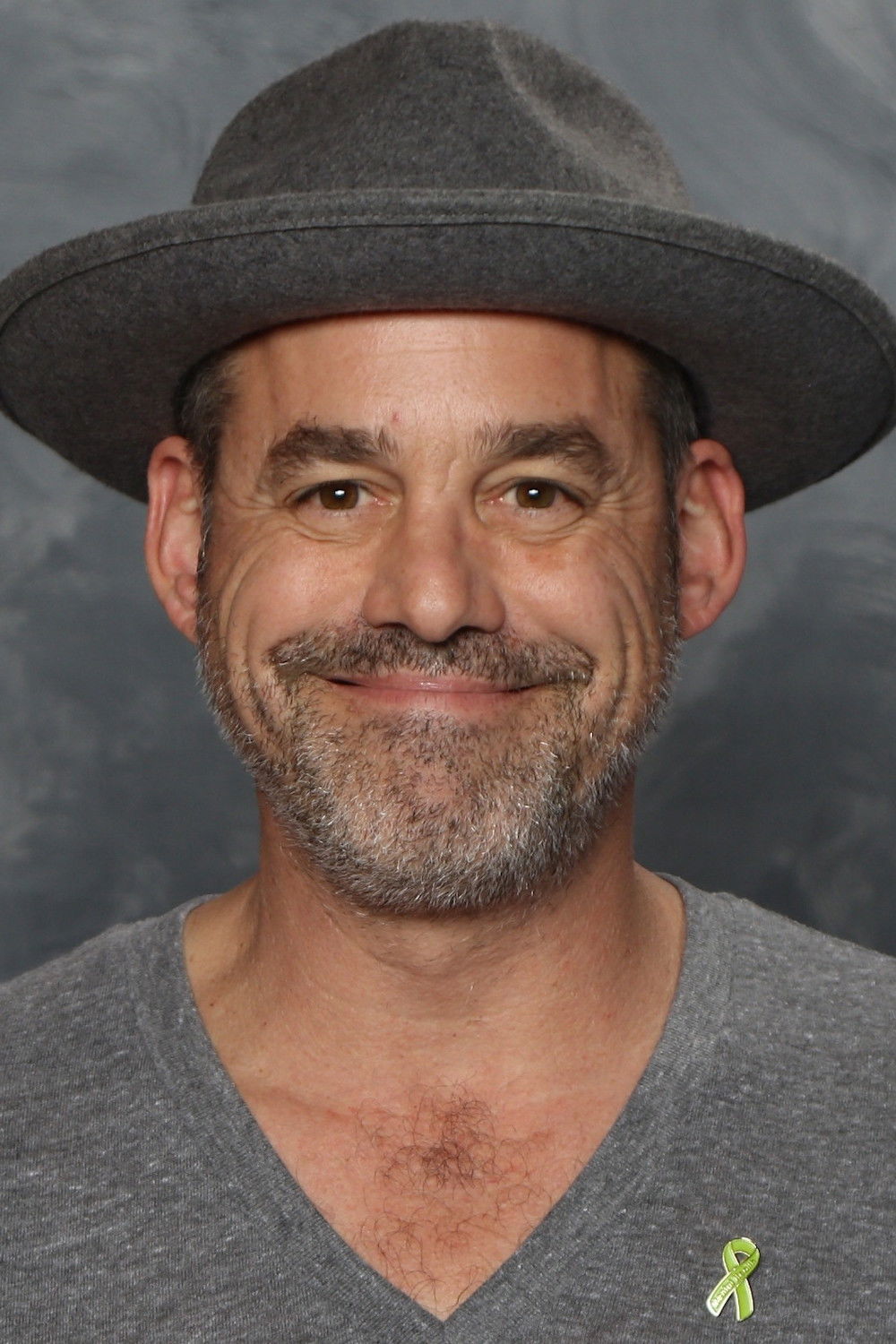
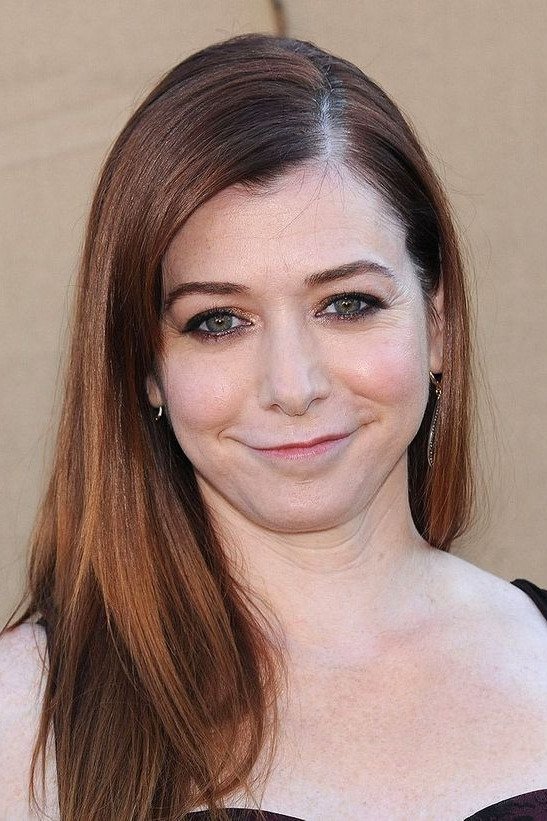
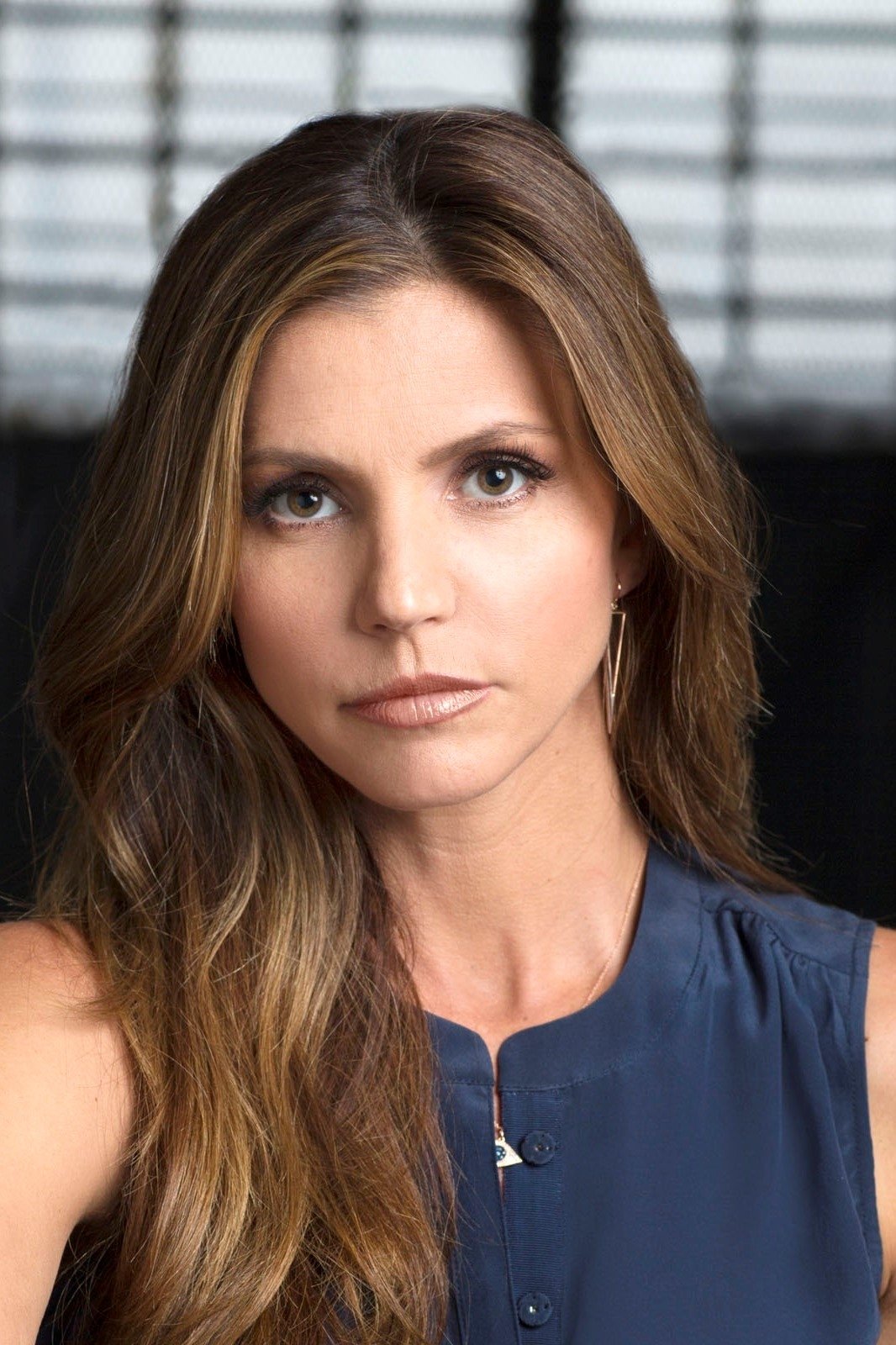
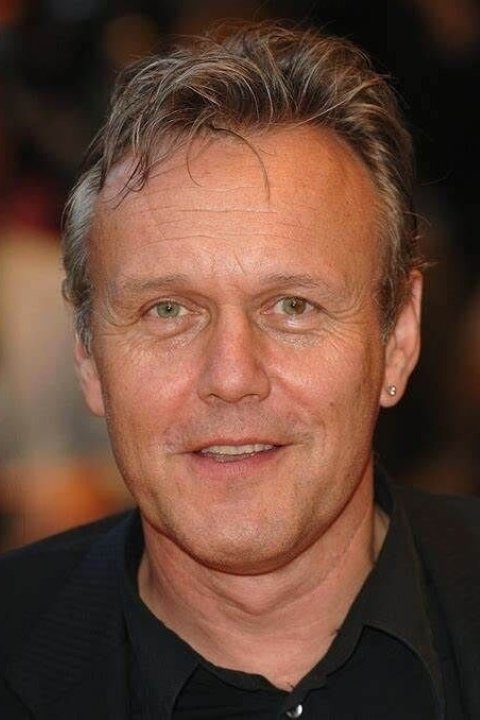
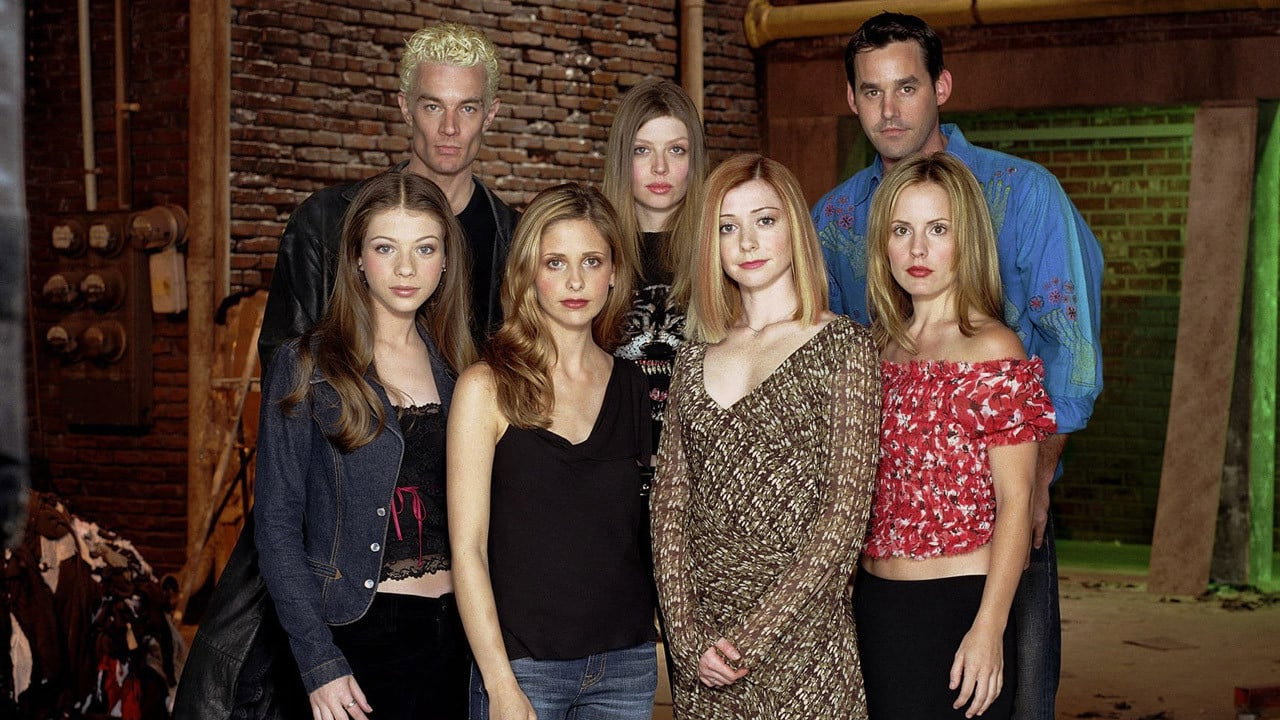
The supporting performances keep the programme from depending entirely on that appeal. Alyson Hannigan gives Willow Rosenberg a hesitant delivery that lets us notice the worry underneath a joke; Nicholas Brendon’s Xander Harris can be funny and exhausting in much the same breath. Charisma Carpenter brings a useful sharpness to Cordelia Chase, while Anthony Stewart Head makes Rupert Giles’s reserve amusing without making him seem empty. The contrast between these actors gives the conversations room for embarrassment, which is often more revealing than another polished line.
The writing is less consistent. Joss Whedon, Marti Noxon and Jane Espenson are among the writers, and the dialogue’s eagerness to be clever sometimes gives everyone a similar supply of ready answers. A joke can arrive just when a scene needs to sit with an unpleasant feeling, and the plotting occasionally stretches a threat beyond its interest. The pilot is a particular test of patience in its latter stretch, where the initial novelty has to sustain more than it comfortably can.
Michael Gershman and Kenneth Zunder are among the cinematographers, and we prefer the quieter attention to faces to the more insistent monster business. Those reaction shots give the danger some weight because we can see someone having to take it in. Editors including Regis Kimble and Skip Macdonald give awkward responses enough room after quick exchanges for the comedy to work. Occasionally the pace slackens without providing that extra interest, particularly when the supernatural plot has to carry a scene unaided.
Seven series are a substantial commitment, and the occasional slack episode is part of it. Within supernatural television, the appeal here is unusually dependent on enjoying the people when they are talking rather than fighting, so impatience with their humour is a useful warning sign. We recommend it for Gellar and for the ensemble’s ability to make embarrassment, irritation and affection interesting enough to compete with the monsters. Give it a little patience at the start, and watch for the awkward reactions as closely as the vampires.