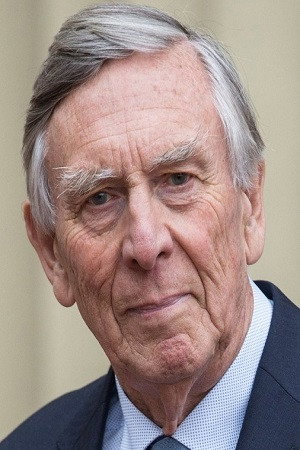
Piers Haggard knew the value of letting an uncomfortable conversation continue. We rate him most highly on television, where that patience with actors sits alongside a willingness to try something as unlikely as lip-synched musical fantasy.
Fi1m perspective
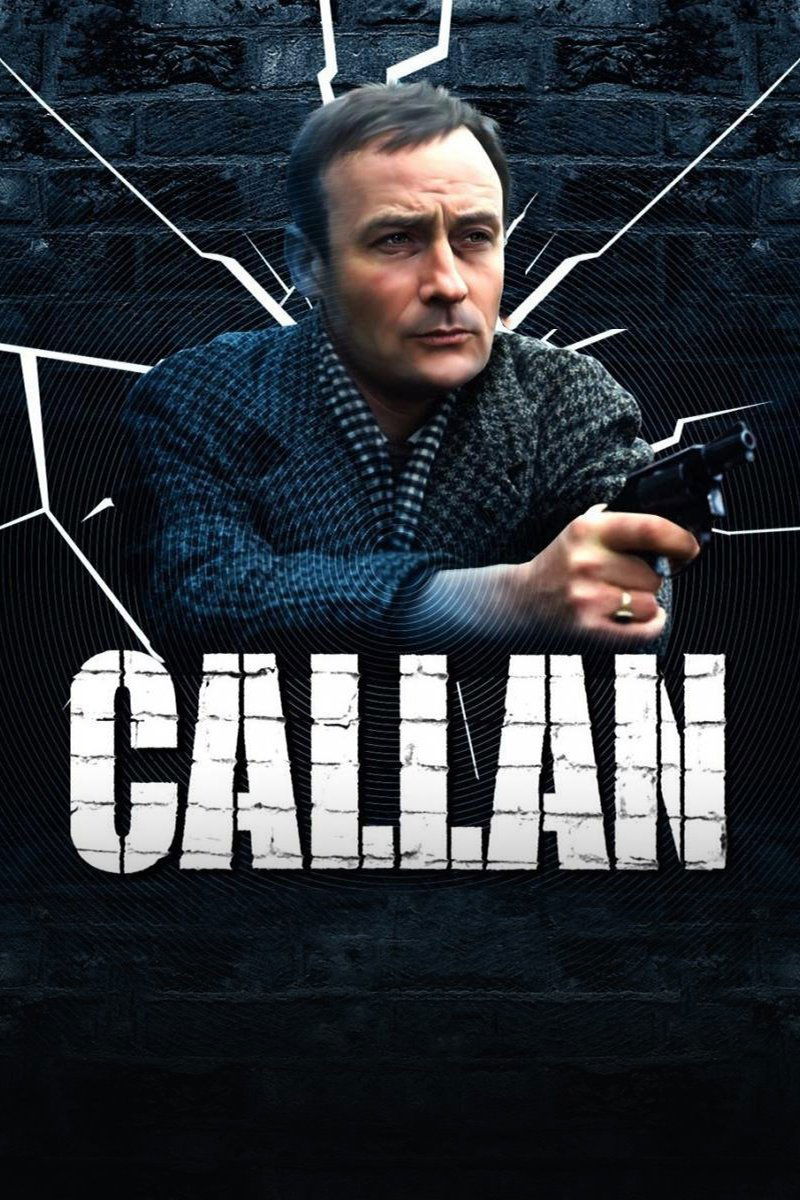
In Callan (1967), a conversation can become uncomfortable simply because nobody hurries it towards the next piece of action. Edward Woodward plays a killer who questions his orders, and the severe monochrome suits both the performance and the programme’s sour mood. Haggard was one of its directors, alongside Peter Duguid, so we should not pretend that every virtue belongs to him. But the series gives us a useful starting point for his work: a director prepared to let actors hold our attention without constant interruption.
We were gripped by Callan, particularly by the strain Woodward brings to a killer questioning his orders. Russell Hunter’s Lonely and the sharp dialogue keep the gloom bearable, although the moodiness occasionally wears thin. The patience gives those changes of mood room to register, which is a better use of screen time than adding action simply to reassure us that this is a thriller. That is the sort of unobtrusive direction we value in Haggard’s work.
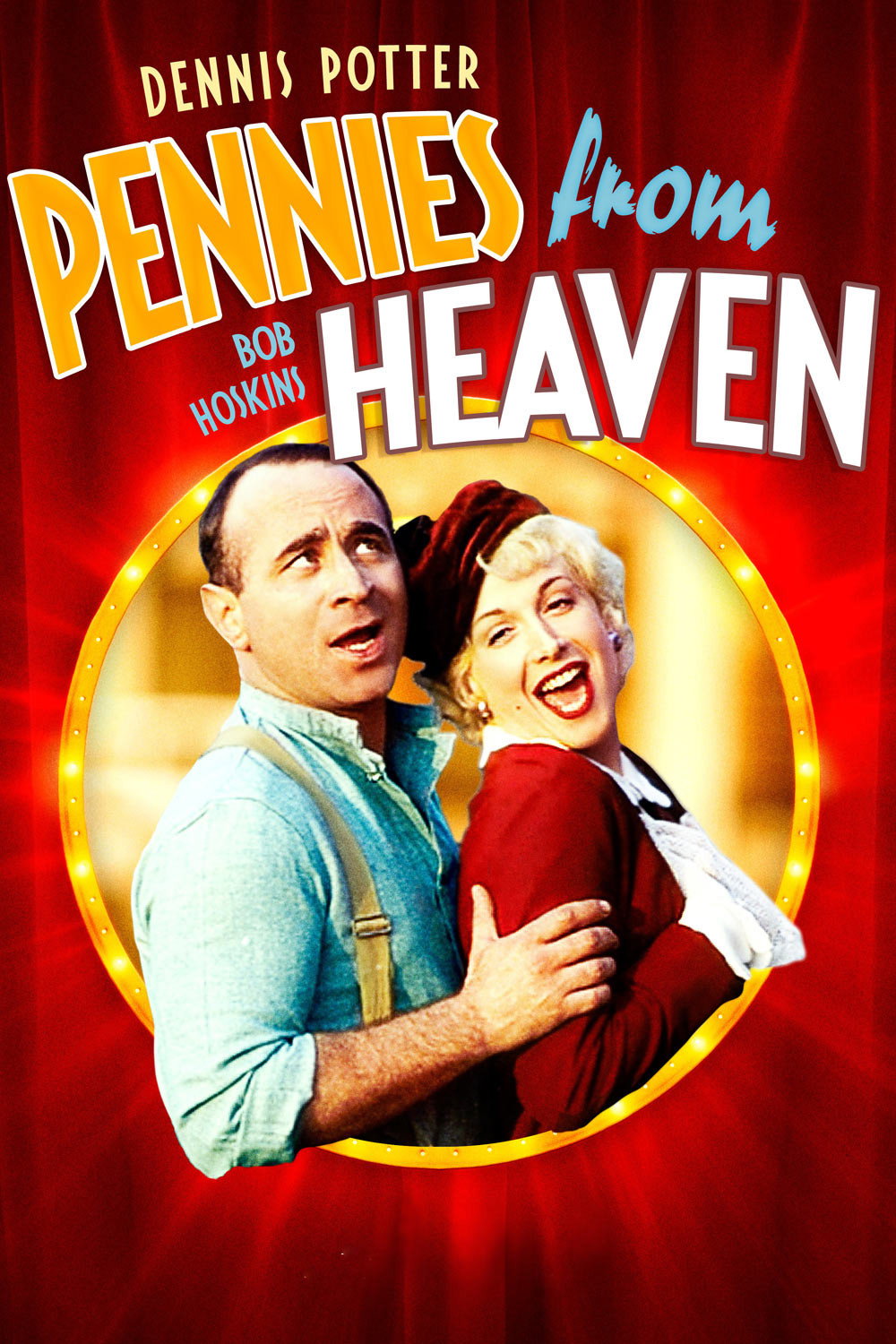
The rural horror of The Blood on Satan’s Claw (1971) shows another interest: making the setting do some of the frightening. His television experiments included blue-screen effects in The Chester Mystery Plays (1976), before the breakthrough of Dennis Potter’s Pennies from Heaven (1978). Its lip-synched musical sequences brought fantasy into realistic drama. We rate Haggard’s willingness to change his methods for the material, rather than turn the actor-led restraint of Callan into a rule for everything.
Quatermass (1979), written by Nigel Kneale, followed that breakthrough. Later features such as Venom (1981) and A Summer Story (1988) made less impact than his television work. There is no need to treat his television as preparation for a film career. Choose Callan for a patient, sour thriller; try Pennies from Heaven if strict realism is not a requirement.
Biography
Piers Haggard was a British theatre, film and television director. He began his career in the theatre as an assistant director at the Royal Court Theatre and directed productions at Dundee Repertory Theatre and the Glasgow Citizens Theatre. In 1963 he joined the first National Theatre company, where he assisted Laurence Olivier and Franco Zeffirelli.
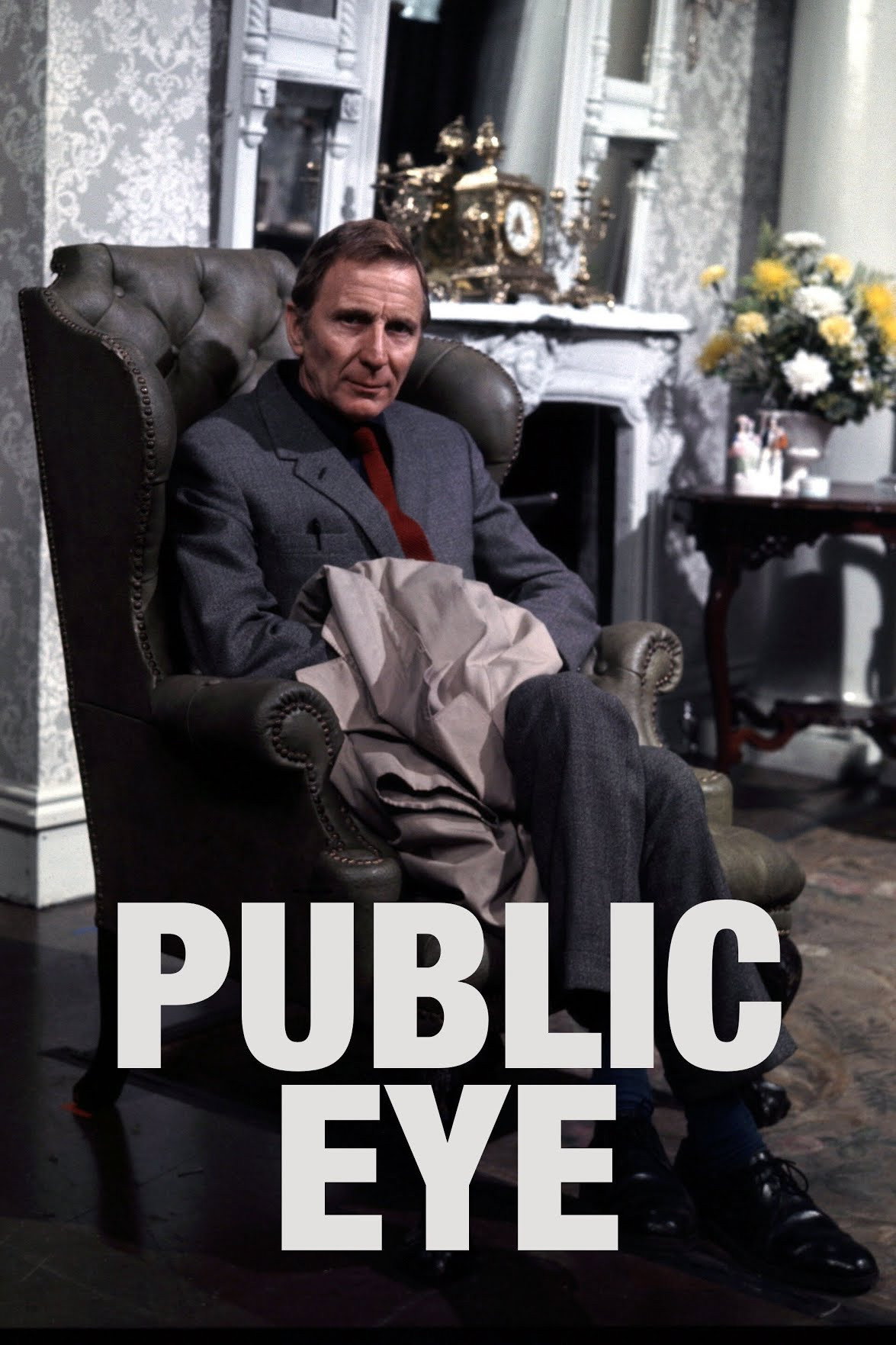
Haggard moved into television in 1965. He directed episodes of series including Callan (1967) and Public Eye (1965), as well as Pennies from Heaven (1978), for which he received a BAFTA award. His feature films include The Blood on Satan's Claw (1971) and Venom (1981). He was appointed OBE in 2016 for services to film, television and theatre, and was a founder of the Directors Guild of Great Britain.
He was the son of actor Stephen Haggard and the great-great-nephew of novelist H. Rider Haggard. His daughter is the actress Daisy Haggard.