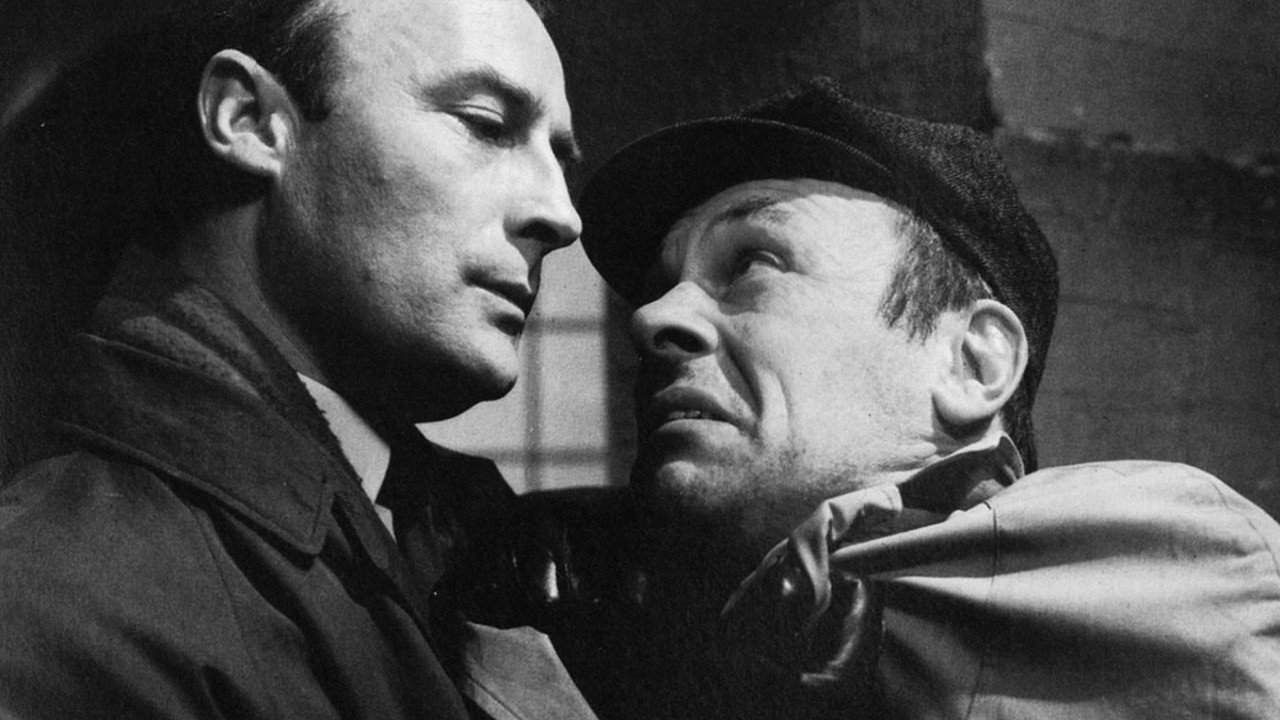
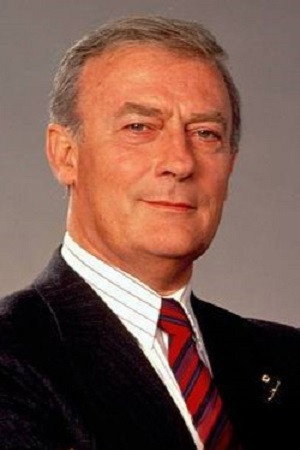
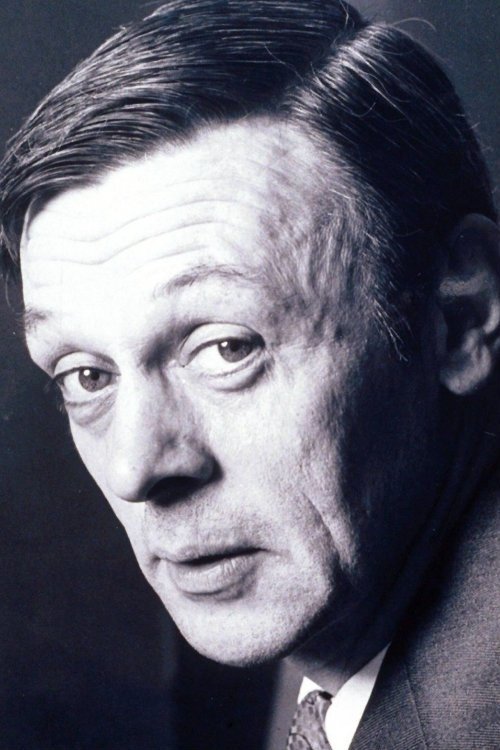
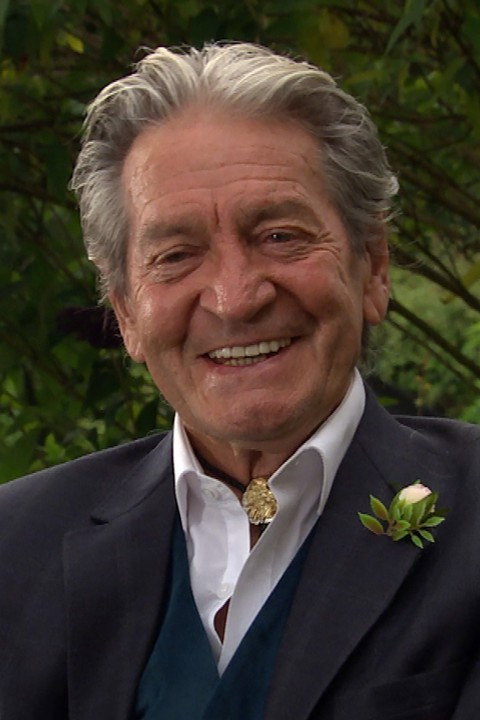
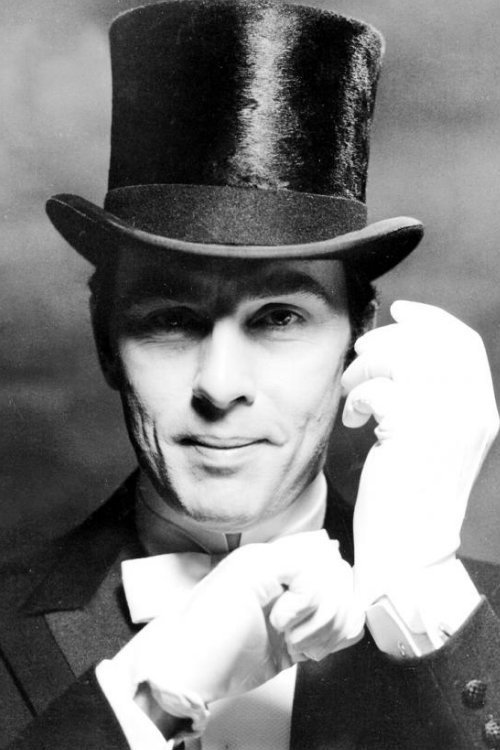
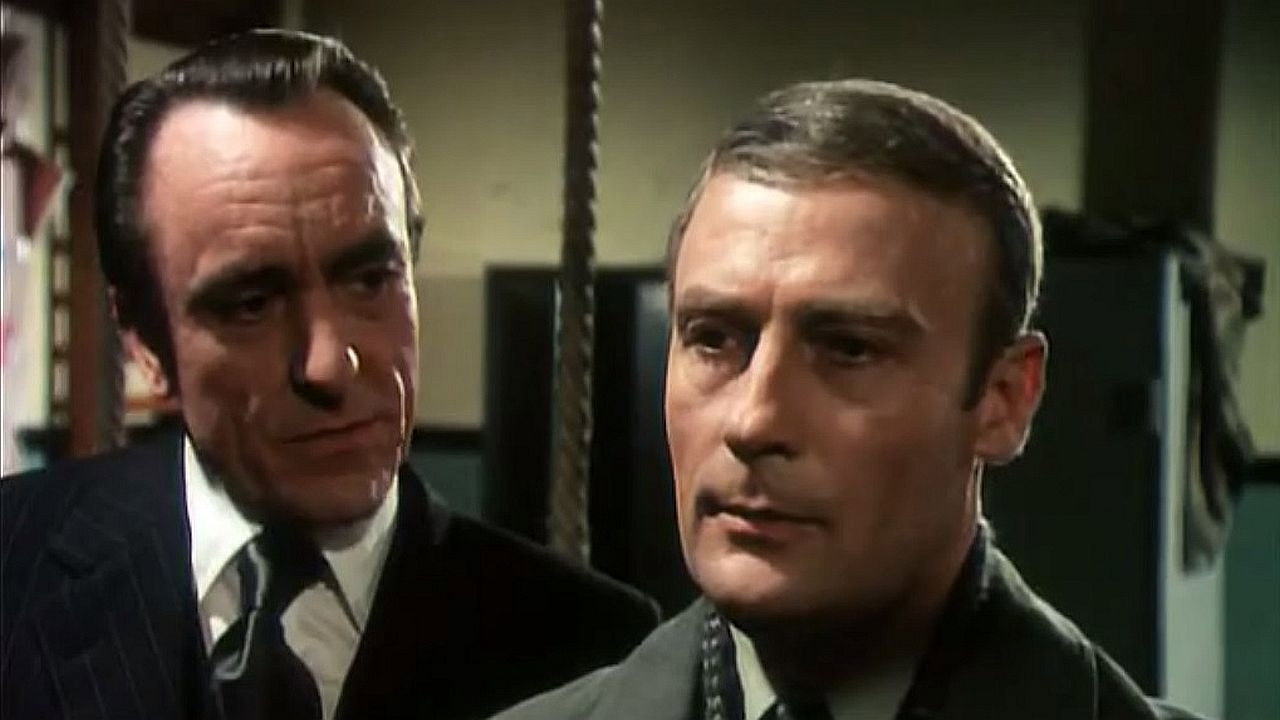
Edward Woodward makes Callan a sharp, absorbing thriller about a killer who questions his orders. The dialogue and Russell Hunter’s Lonely keep the gloom from becoming oppressive, though the moodiness occasionally wears thin.
Callan is a fine thriller series, carried by Edward Woodward’s ability to make an awkward man worth spending time with. David Callan kills people and collects toy soldiers, which is enough to make us look twice at the hobby. More important is his habit of questioning orders, even though killing is the thing he does well. The series finds plenty to occupy us in that difficulty without needing to make its central character agreeable.
Edward Woodward gives the moodiness enough force to keep it from becoming merely a personality trait. An assassin with doubts could easily become a convenient way of making violence respectable, with a troubled expression to excuse each unpleasant task. Here the questions remain uncomfortable because Callan’s competence does not go away. We can believe he is good at killing, and the performance does not ask us to mistake that ability for a virtue.
Writers including George Markstein, William Emms and Robert Banks Stewart give the actors dialogue that is sharp without sounding like a competition to be clever. The plots are well paced, but the more interesting business is often the way Callan responds to being told what to do. That gives the series a reason to let people talk without making the talk feel like an interruption. In the 50-minute format, there is room for an objection to matter rather than simply cue the next burst of action.
Russell Hunter’s Lonely helps considerably. We laughed at the sardonic exchanges between Callan and Lonely, particularly at how little comfort their company seems to offer either man. Russell Hunter makes those conversations feel like the habits of people who know each other too well. The humour gives the programme some relief from its leading character’s moodiness without suggesting that the work itself has become any less unpleasant.
The monochrome material suits the programme’s sour temper, giving the drama a severity that works well with its leading performance. With directors including Peter Duguid and Piers Haggard, the series is strongest when it gives the actors time to make a conversation uncomfortable. It trusts the interest of watching these people deal with one another. That patience matters, since the dialogue would lose much of its force if the production kept trying to hurry us towards the next piece of action.
There are limits to the pleasure. Callan’s sourness can become wearing, and a manner that initially seems bracing occasionally makes another exchange feel more familiar than it should. The severe monochrome look can encourage us to take every discomfort equally seriously, even when the dialogue has already done enough. These are modest reservations, but they become more noticeable when several episodes are watched together.
As a spy thriller, Callan gives more weight to the assassin’s objections than to the satisfaction of seeing an assignment completed. That makes the conversation worth following closely, even when the plot offers more immediate reasons to pay attention. Its preference for character is particularly welcome in a genre where people can become a collection of useful skills. Try an episode for Edward Woodward, and do not expect him to cheer up on our behalf.