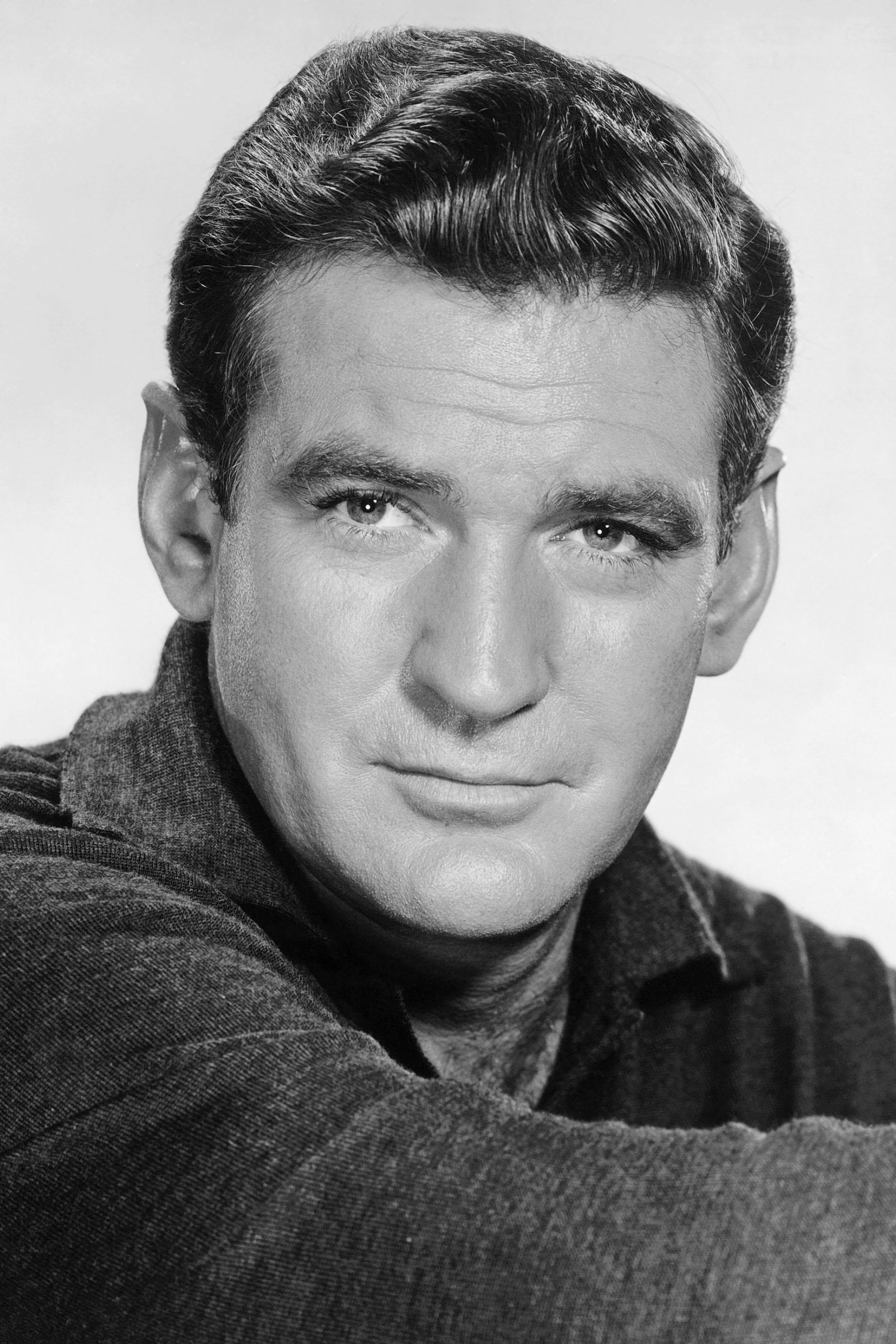
A square-jawed Australian who spent the 1960s as Hollywood's dependable man of action, usually in someone else's accent, Rod Taylor lasts best where nobody can see him: as the voice of Pongo, calm as a shipping forecast, in One Hundred and One Dalmatians.
Fi1m perspective
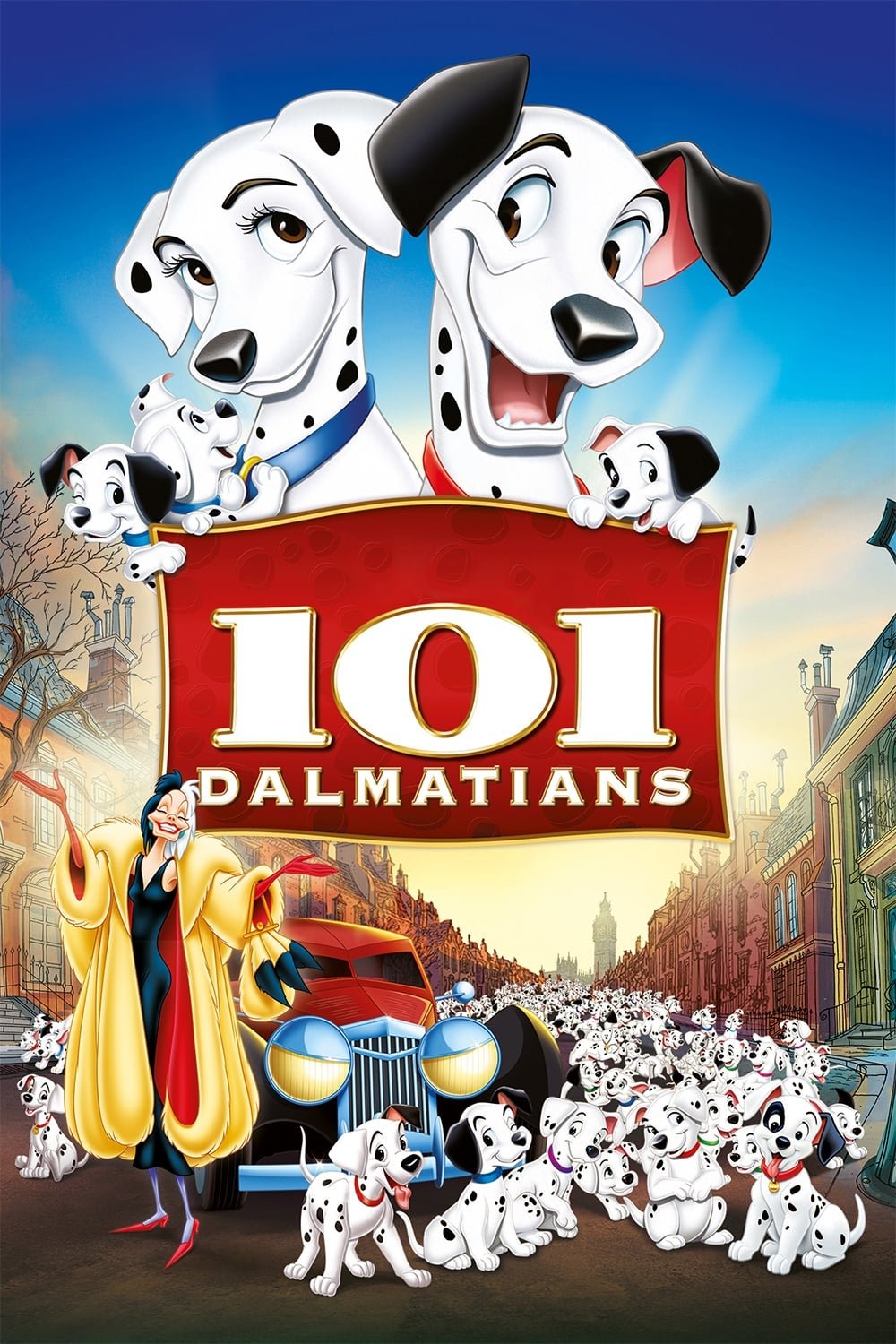
Pongo barks the bad news across London at dusk, and the thing that makes the scene is not the drawing but the voice. Rod Taylor plays him in One Hundred and One Dalmatians (1961) as if reading the shipping forecast: level, unhurried, a little formal, a dog who has decided that panic is for other breeds. It is the least showy thing he ever did, it is the thing most people have heard him do, and it is the performance of his we would send anyone to first.
That is an odd verdict on a man whose trade was being looked at. Taylor began in Australian radio and theatre in the early 1950s, made his film debut in King of the Coral Sea (1954), and was in Hollywood by the middle of the decade, taking a supporting part in Giant (1956). The Time Machine (1960), for George Pal, made him a leading man; The Birds (1963), for Alfred Hitchcock, confirmed it. For the rest of the 1960s he was the rugged, square-jawed hero of science fiction, thrillers and action pictures, and he was almost never Australian in any of them. He put on a British or American voice and nobody asked questions.
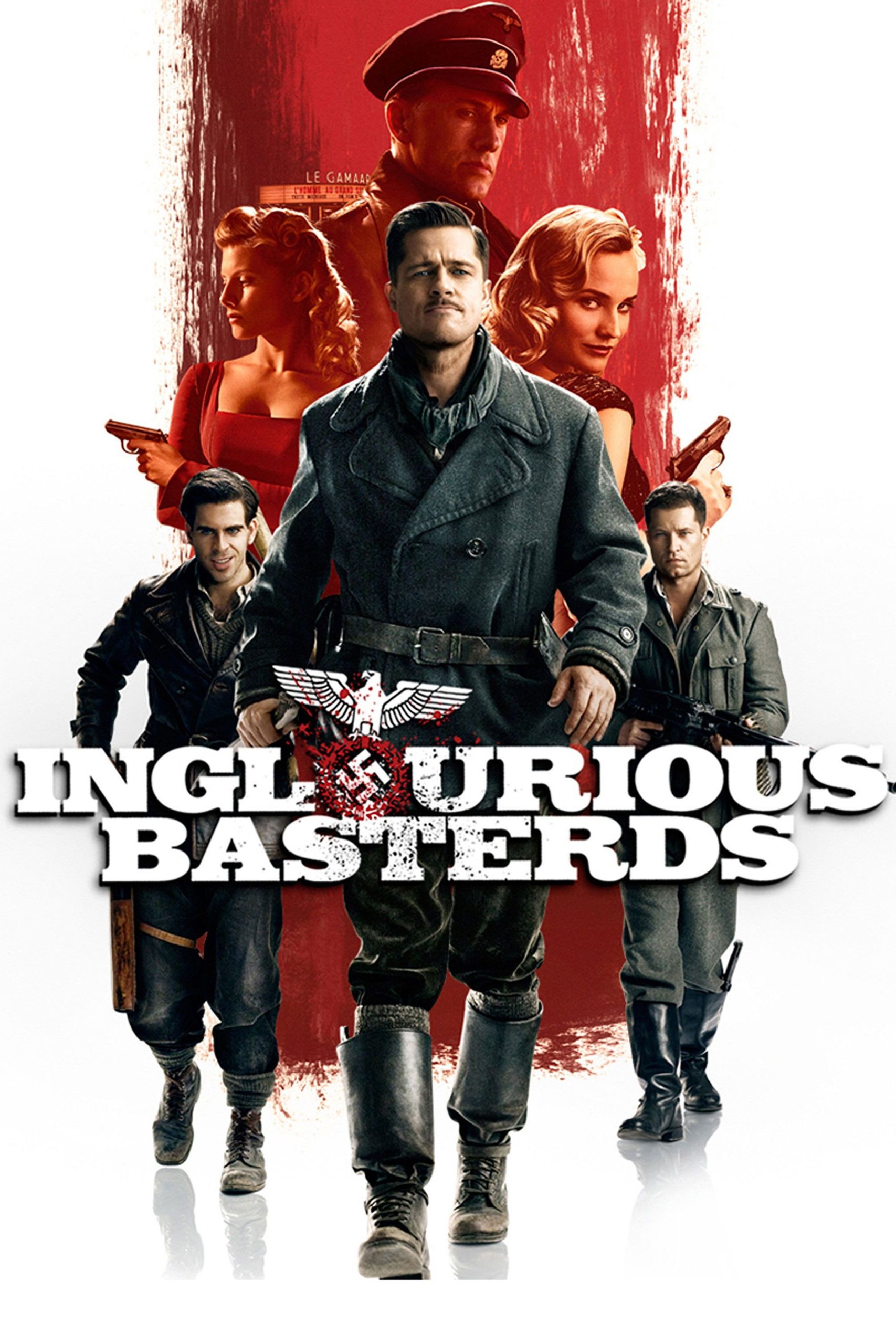
Then the work thinned. The 1970s brought television and smaller films, among them The Train Robbers (1973) with John Wayne, and by the late 1990s he had more or less stopped. His last part was Winston Churchill in Quentin Tarantino's Inglourious Basterds (2009), a brief return after a long absence and a joke of a kind: the Australian who spent a career borrowing British voices was handed the most famous British voice of all.
The criticism that followed him is a fair one. He was good as the heroic lead, the inventor in The Time Machine and the man facing Hitchcock's birds, and critics said so at the time; but he was hardly ever allowed to be light, and the stolid, macho parts kept coming. We have reviewed only the one film, and it is the one that shows what was being wasted. The relay of barking that carries Pongo's message out of the city moved us far more than a cartoon about dogs ought to, and the reason is Taylor: he plays a worried father doing the one sensible thing left to him, in a voice that never once asks for our sympathy, and the film answers him with a whole city of strangers doing favours in the dark.
By 1987 he had worked this out himself. "Pretending to still be the tough man of action isn't dignified for me any more," he said, and the sentence has the same dry calm as the dog. Begin with the Dalmatians, where you can hear what the man had. The 1960s films can follow, in order, and you will spend them wondering why nobody else asked for that voice.
Biography
Rod Taylor (1930–2015) was an Australian actor who appeared in more than 50 feature films and numerous television productions. Born Rodney Sturt Taylor in Lidcombe, a suburb of Sydney, he studied at East Sydney Technical College before deciding to pursue acting after seeing a Laurence Olivier stage performance.
He made his feature film debut in the Australian production King of the Coral Sea (1954) and later moved to Hollywood. Taylor gained prominence with leading roles including H. George Wells in The Time Machine (1960) and Mitch Brenner in The Birds (1963). He provided the voice of Pongo in the Disney animated film One Hundred and One Dalmatians (1961). His final screen appearance was a cameo as Winston Churchill in Inglourious Basterds (2009).