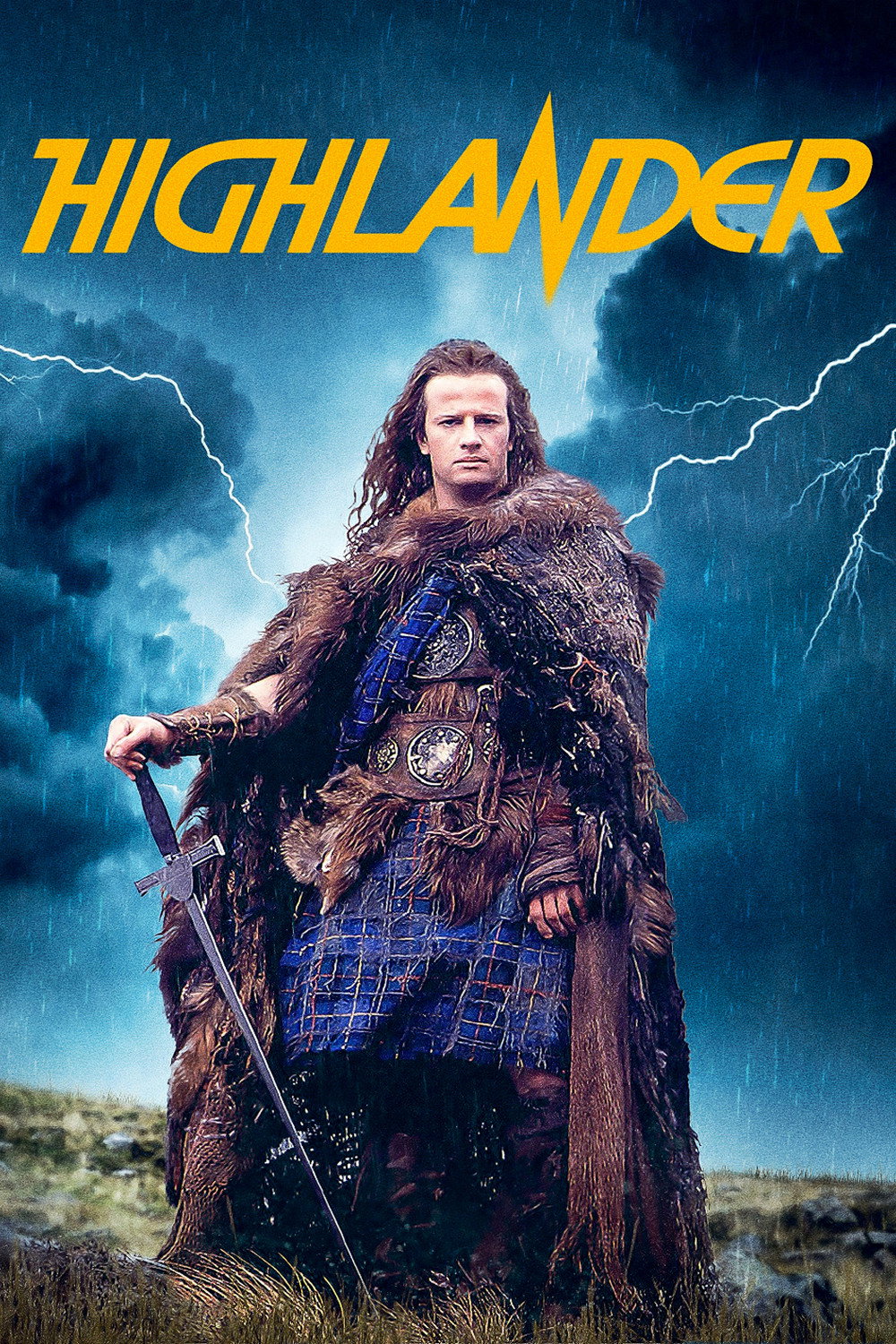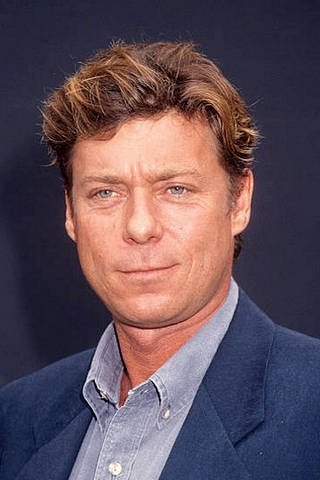
Russell Mulcahy brings music-video speed to fantasy and takes its extravagant emotions seriously. We value that commitment, though Highlander makes the limitation clear: he can give a sword fight more conviction than a conversation.
Fi1m perspective
In Highlander (1986), the sword fights matter more than the explanations of why these men can keep having them. Mulcahy treats the immortals seriously, allowing the jumps between Scotland’s past and modern America to suggest how long they have been fighting. We enjoyed the lack of embarrassment: grown men commit themselves to outlandish behaviour, and Mulcahy never feels obliged to make fun of them. Clancy Brown’s excessive villain suits that approach, giving the fights an opponent worth anticipating.
That speed comes from his music-video work, which began in the late 1970s, with fast cutting and inventive transitions among the habits he brought to features. The Australian horror of Razorback (1984) preceded the breakthrough of Highlander, which gave his restless technique a suitably extravagant subject. Peter Honess’s editing sustains the energy of the fights, but carrying that pace into the shifts between periods is less helpful. The film keeps moving when we need a moment to understand what matters.
Michael Kamen’s score gives the confrontations solemnity, although the Queen songs make the stronger impression. They allow the feelings to grow beyond anything the dialogue can support, and their excess fits a director who wants old-fashioned grandeur alongside modern noise. This is where his music-video instincts serve the film: music does work that the writing cannot. We can forgive a fair amount of silliness when a director believes in it this firmly, but the confused storytelling remains a reason to hesitate.
He later disowned Highlander II: The Quickening (1991) following production interference, so it would be careless to treat the sequel as an uncomplicated example of his choices. The later work includes The Shadow (1994), Resident Evil: Extinction (2007) and a sustained move into television, directing and producing on Teen Wolf (2011–2017). Start with Highlander, provided a good sword fight matters more to the evening than having every question answered.
Biography
Russell Mulcahy is an Australian director, writer and producer. Born on 23 June 1953 in Melbourne, he began his career directing music videos for artists including Elton John and Duran Duran. He made his feature directorial debut with the horror film Razorback (1984).
Mulcahy achieved international recognition for directing the fantasy action film Highlander (1986). His later credits include Highlander II: The Quickening (1991), The Shadow (1994), Resident Evil: Extinction (2007) and episodes of the television series Teen Wolf (2011–2017), as well as the 2023 feature Teen Wolf: The Movie.