Russell Mulcahy’s immortal sword fighters are better company than the muddled storytelling deserves. Clancy Brown supplies an enjoyably excessive villain, and the fights make Highlander worth an evening for anyone inclined towards extravagant fantasy.
Russell Mulcahy’s Highlander asks us to take immortal men with swords seriously, and gets further with that request than its writing deserves. It is good, unruly fantasy, strongest when a fight is imminent and least persuasive when somebody has to explain things. The movement between Scotland’s past and modern America gives the combat a reach that a single adventure could not. Mulcahy wants the old-fashioned grandeur and the modern noise together, and rarely gives either a rest.
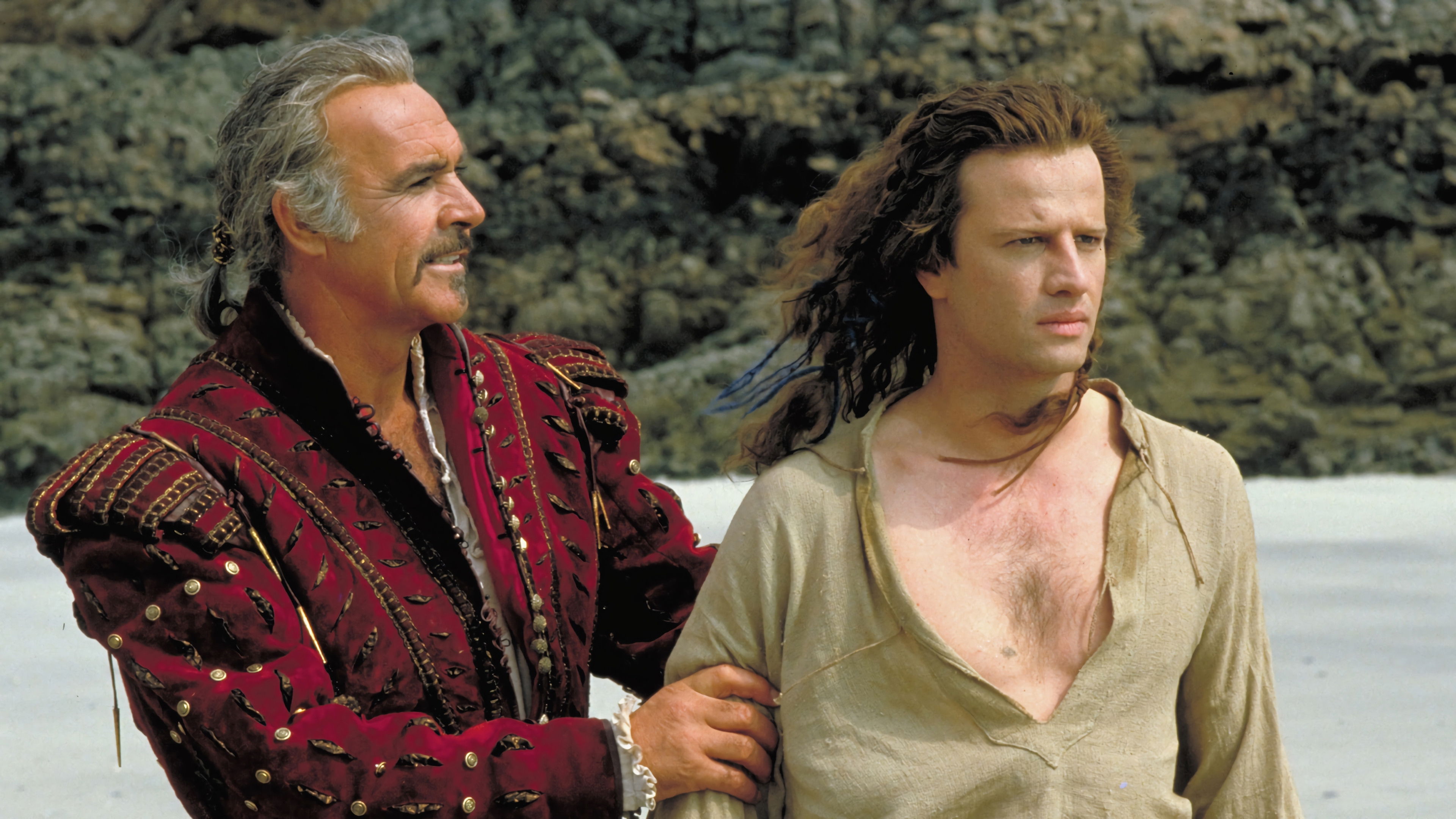
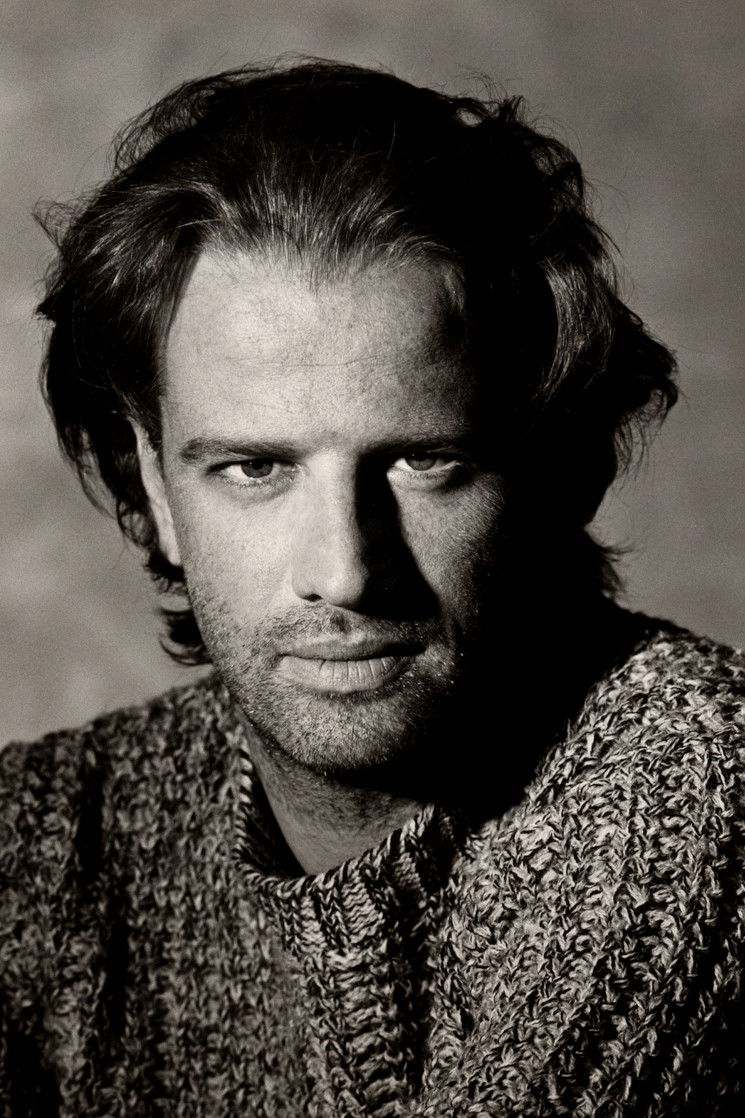
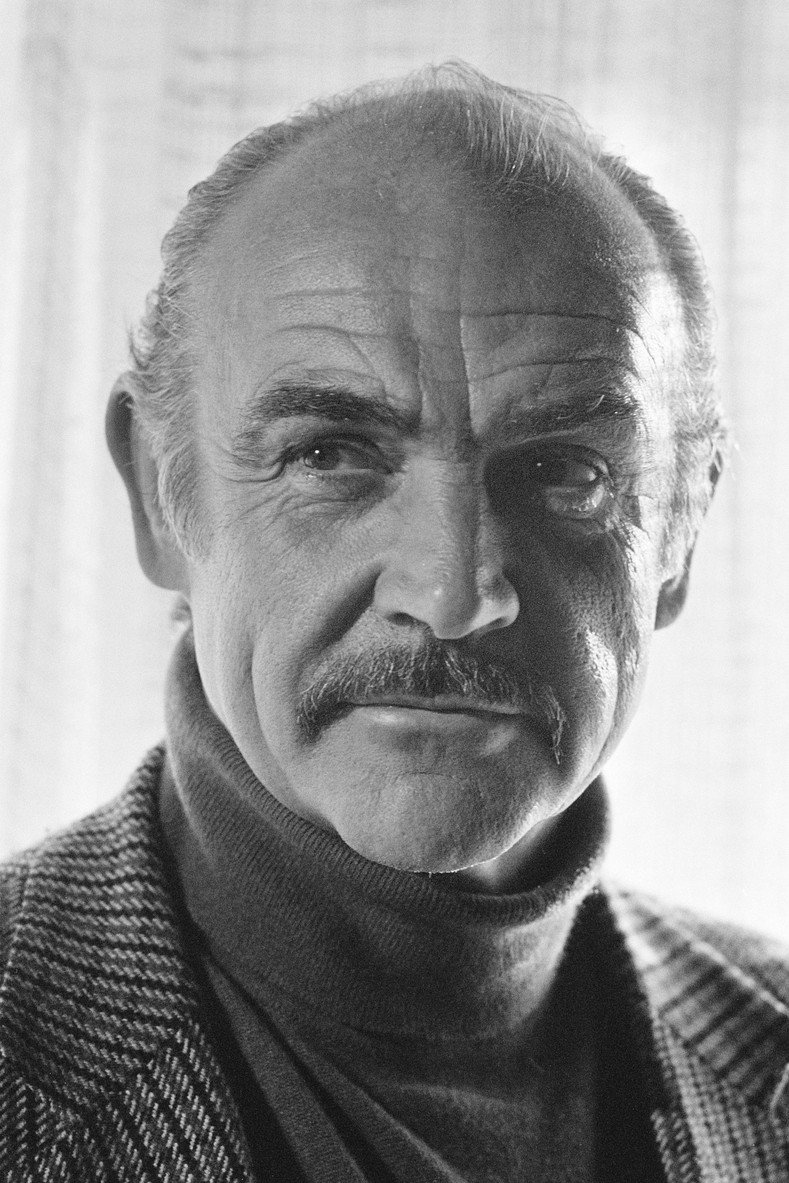
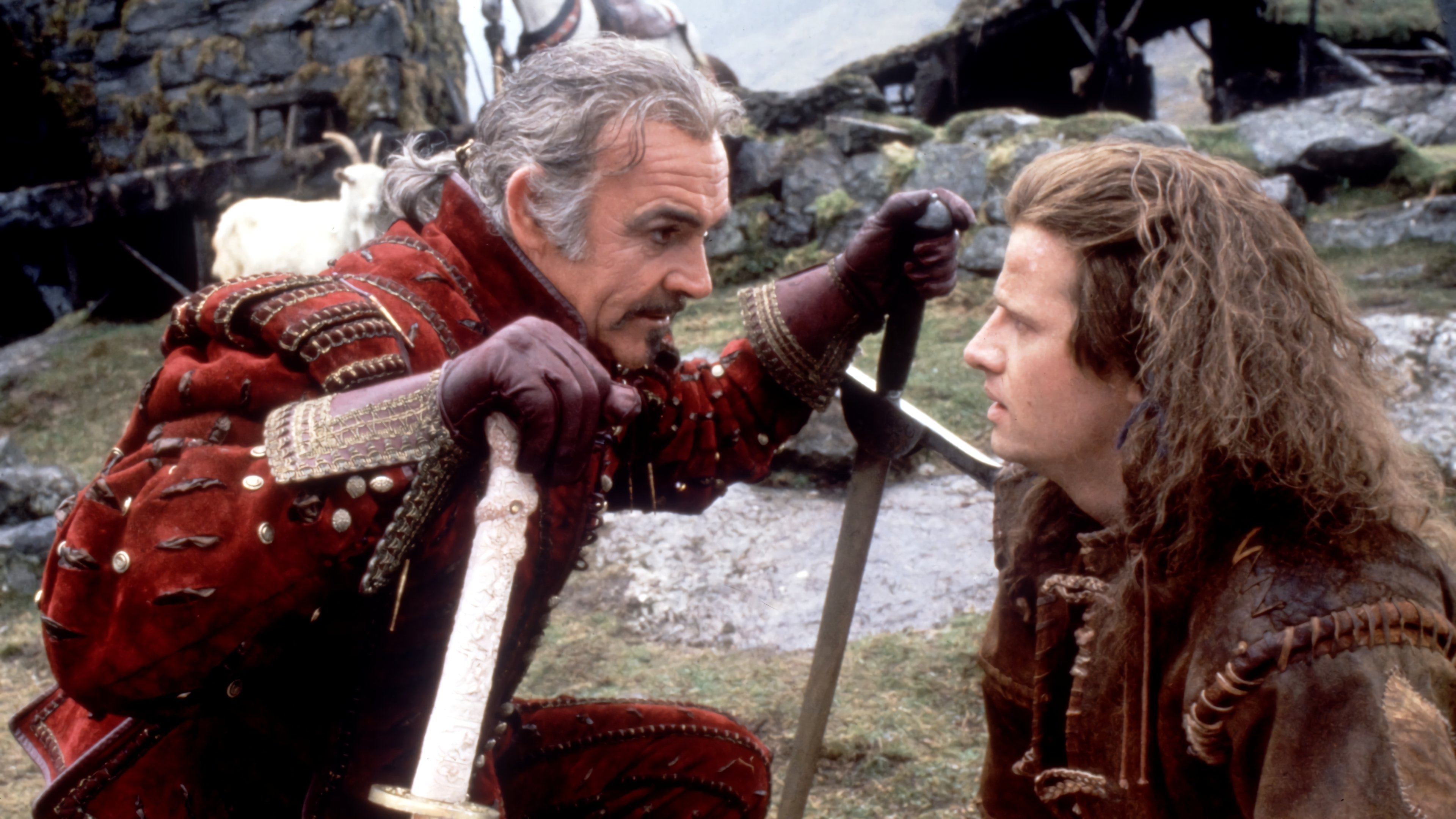
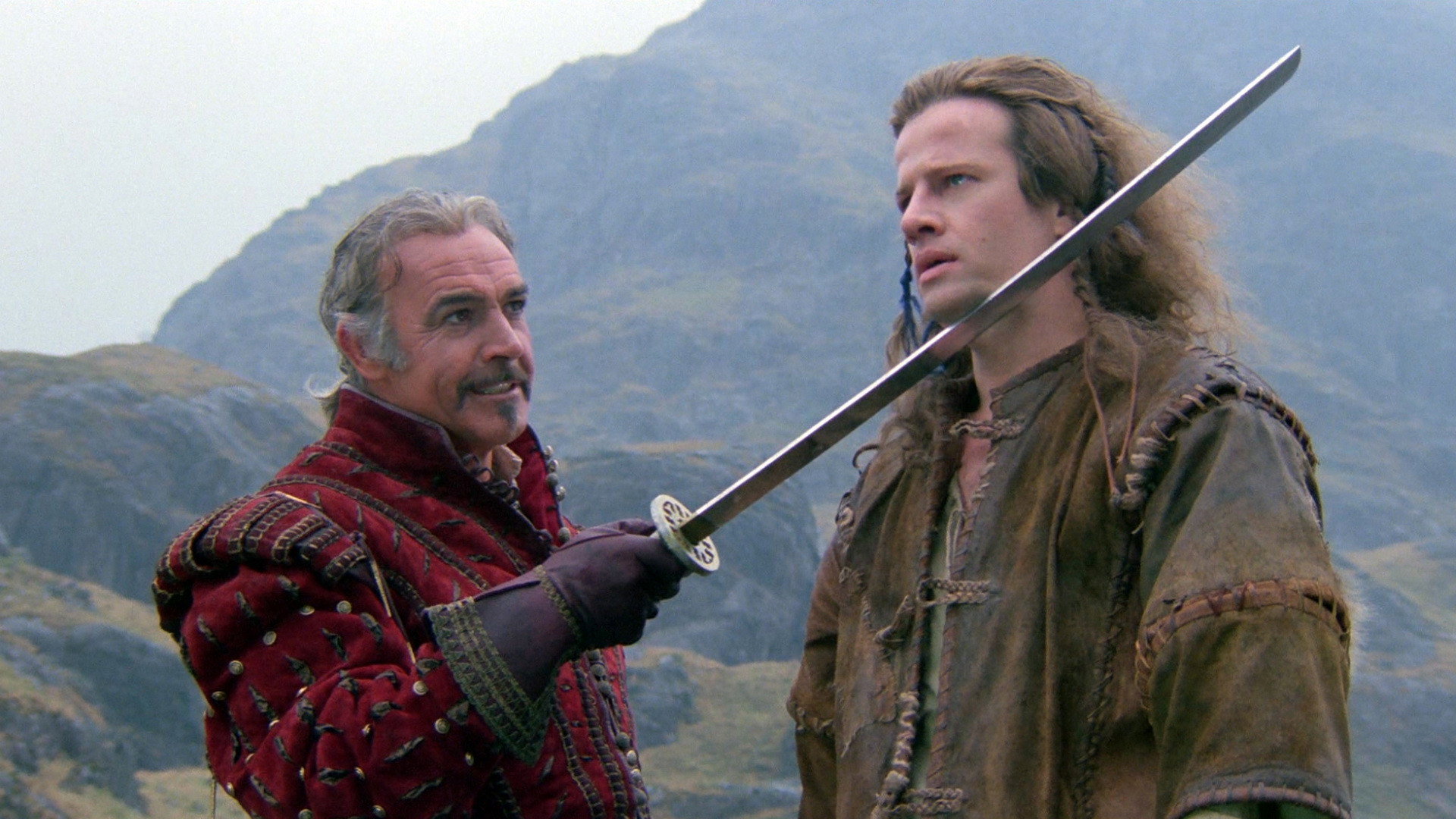
Christopher Lambert’s Connor MacLeod is not a particularly easy hero to warm to. His reserved performance suits a man set apart by immortality, though it also leaves some scenes short of the feeling the film plainly wants from them. Sean Connery, as Ramirez, is more immediately engaging, bringing enough amusement to his part to make the fantasy feel comfortable to inhabit. He knows how far to push the grand manner before it becomes tiresome, a useful skill in this company.
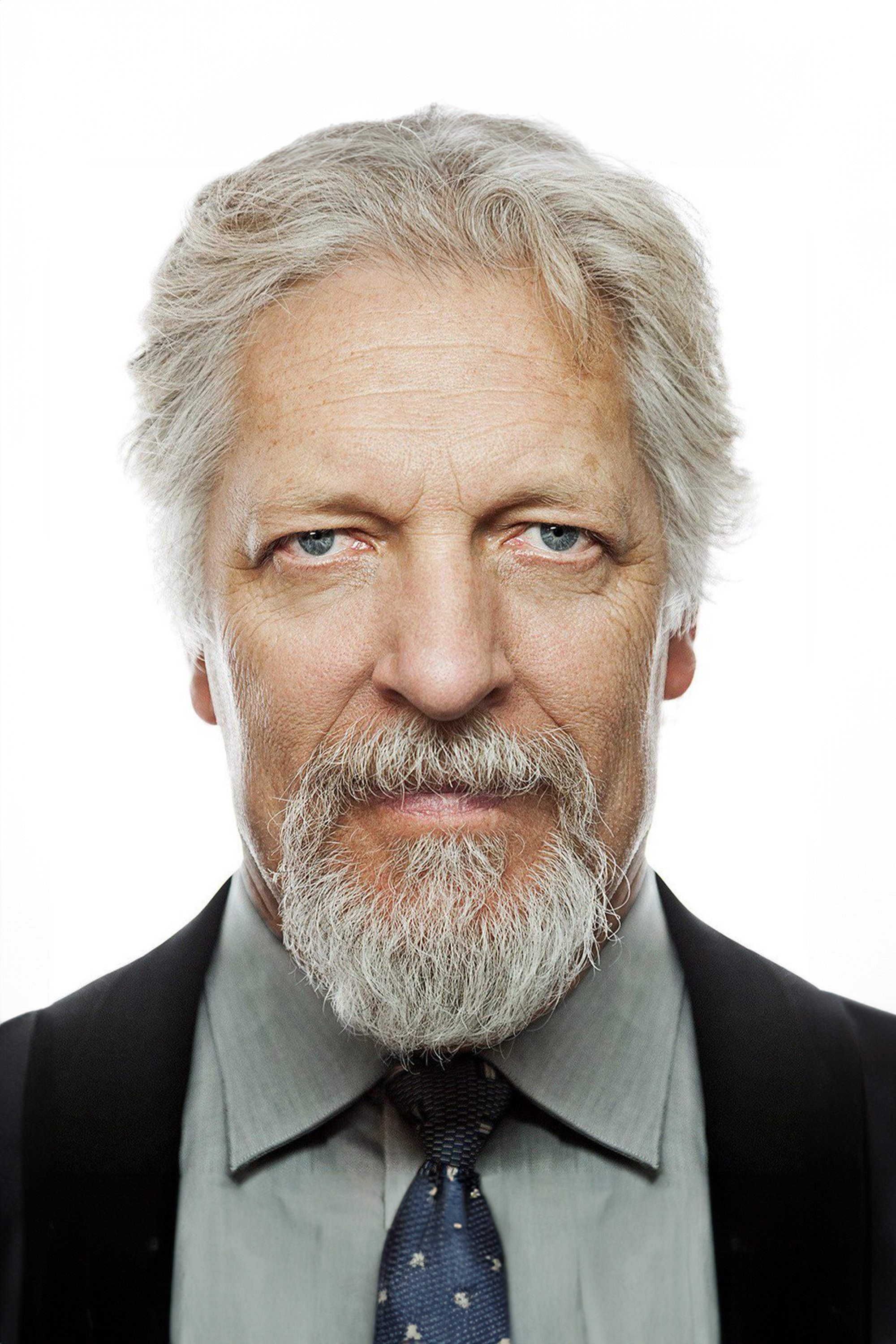
Clancy Brown pushes further as the Kurgan, and the film benefits from having someone so committed to being objectionable. His broad performance remains threatening, which is harder to manage than he makes it look. We laughed at his extravagance, then found ourselves taking him seriously as an opponent. He supplies the hostility that Lambert’s more distant performance needs, and makes the central rivalry easy to grasp.
Gerry Fisher’s photography keeps the backdrops prominent in the sword fights, giving the duels a size that the writing has not always earned. The choreography lets us follow the blades and register their threat. Allan Cameron’s production design makes the Scottish and American settings distinct at a glance, a useful service when the storytelling gets tangled. We were properly excited by the sword fights, despite having lost patience with the explanations.
Peter Honess’s editing carries the energy of the fights into the jumps between periods, where it is less helpful. The film keeps moving, yet there are passages when that movement leaves us unsure what we are meant to care about. Michael Kamen’s score helps the confrontations feel solemn, though the Queen songs make the stronger impression. They let the feelings swell beyond anything the dialogue can manage, and that excess suits Mulcahy’s determination to take everything seriously.
The screenplay, credited to Gregory Widen, Peter Bellwood and Larry Ferguson, leaves too much awkward connective business around a premise that needs little selling. Characters can sound as though they are keeping the story supplied with information rather than talking to someone they know. Fantasy can survive unexplained rules; it struggles when explanations are dull and the action has to win back our attention afterwards. There are stretches here when the next sword fight feels overdue.
The sword-and-sorcery pleasure here is fairly simple: grown people commit themselves to extravagant behaviour without constantly signalling that they know it looks absurd. Mulcahy takes the fantasy seriously enough for its grand emotions to have a chance, even when the dialogue is poor. That commitment makes the silliness more enjoyable, though it cannot clear up the plot. Choose it for the fights and the villain; anyone wanting an orderly account of immortality should make other arrangements.