Russell Mulcahy’s sequel gives its immortals an alien origin and leaves the story harder to follow. Some visual care and Sean Connery’s amusement survive, but neither makes these 100 minutes worth the effort.
Highlander II: The Quickening is a bad sequel with enough visual polish to make its failures more trying. Russell Mulcahy attempts to carry a fantasy into science fiction, but the added explanations make the story harder to follow. The immortals acquire an origin on the planet Zeist, and an energy shield becomes another complication to understand. Most critics find the resulting plot incoherent; we agree, although occasional signs that the cast are enjoying themselves keep it from being wholly joyless.
The screenplay by Peter Bellwood, from a story by William N. Panzer and Brian Clemens, spends too much effort extending the mythology when the immediate action already needs explaining. We were irritated by the jumps across time and space, because each shift demands attention without making the conflict easier to grasp. Accepting an alien origin for the immortals is hardly an unreasonable request in a fantasy. The trouble starts when accepting it still leaves us struggling to follow what is happening and why it matters.
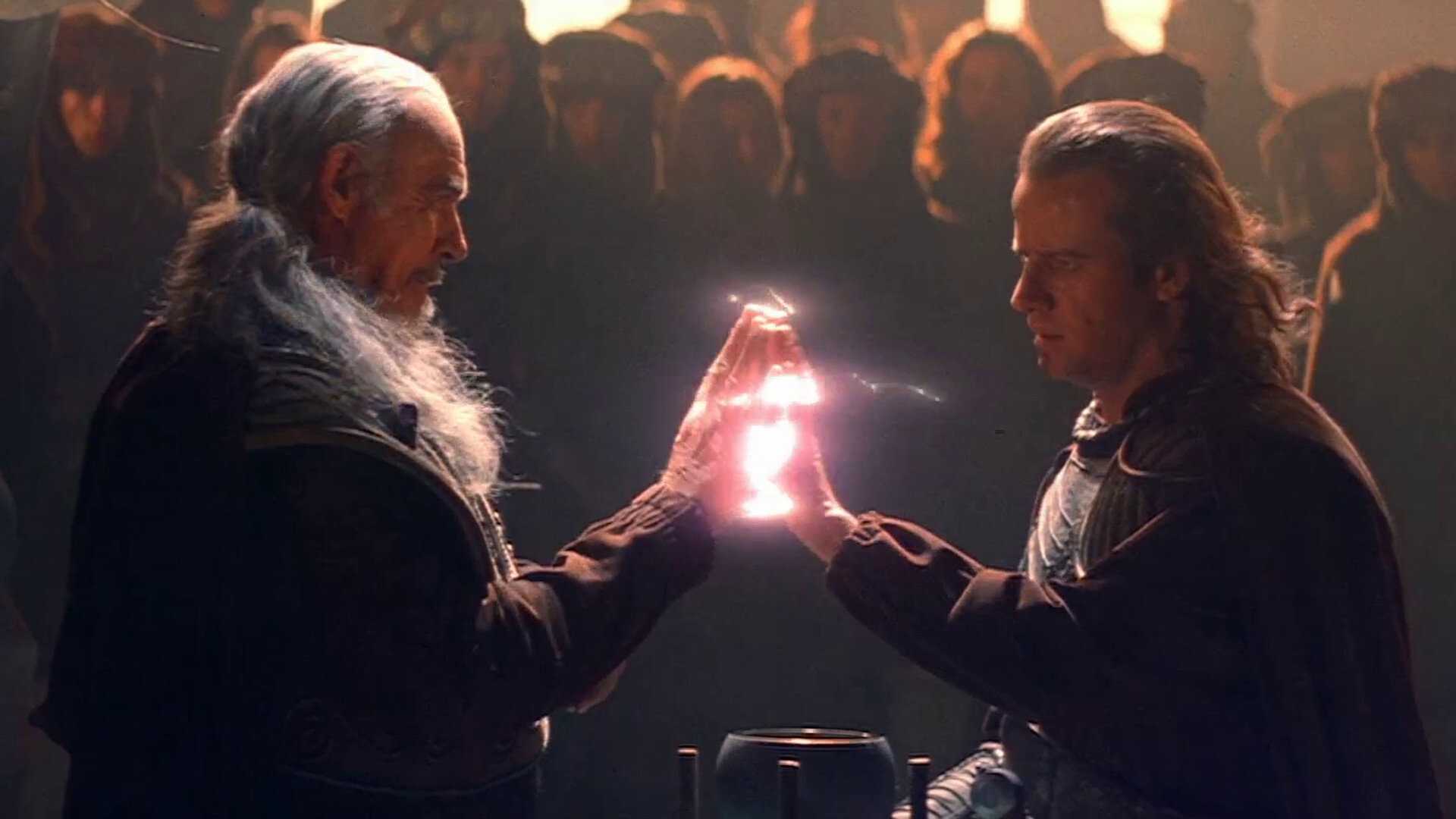
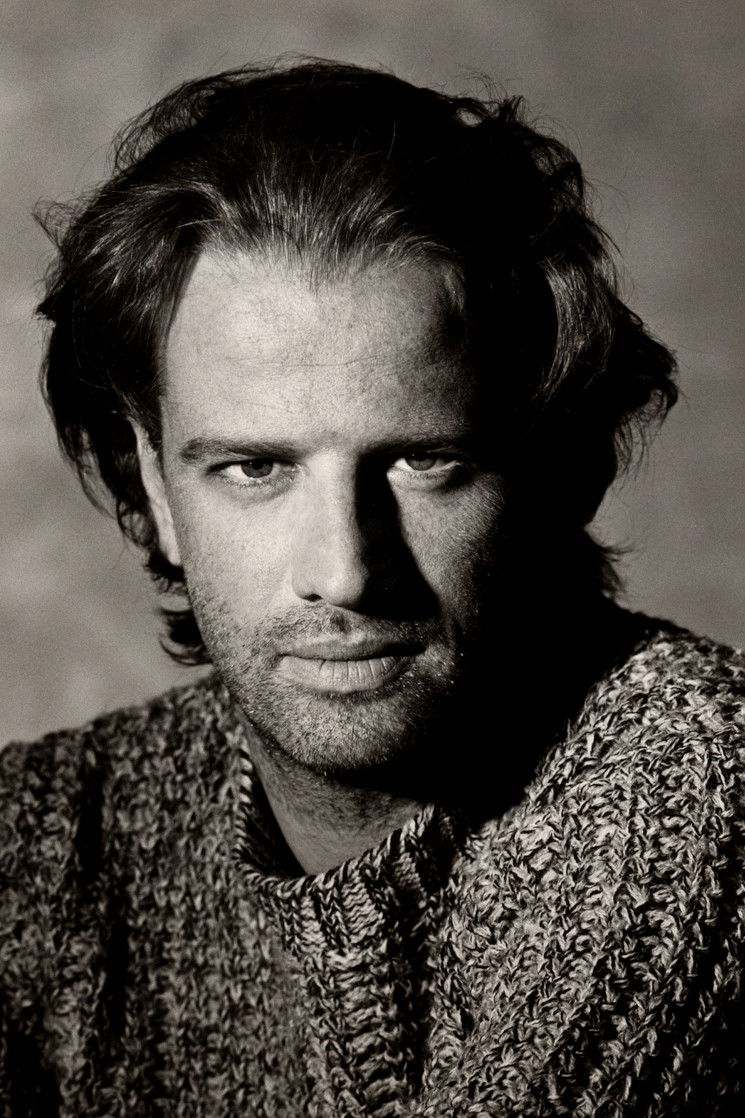
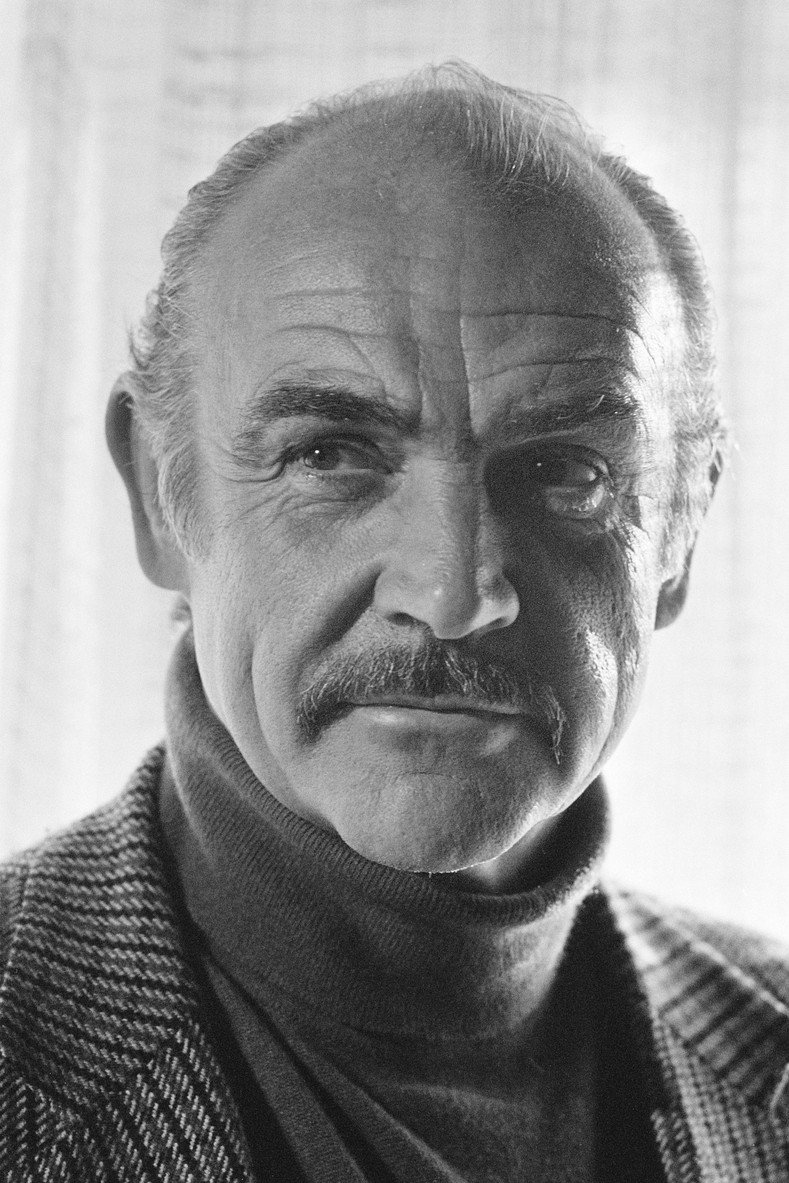
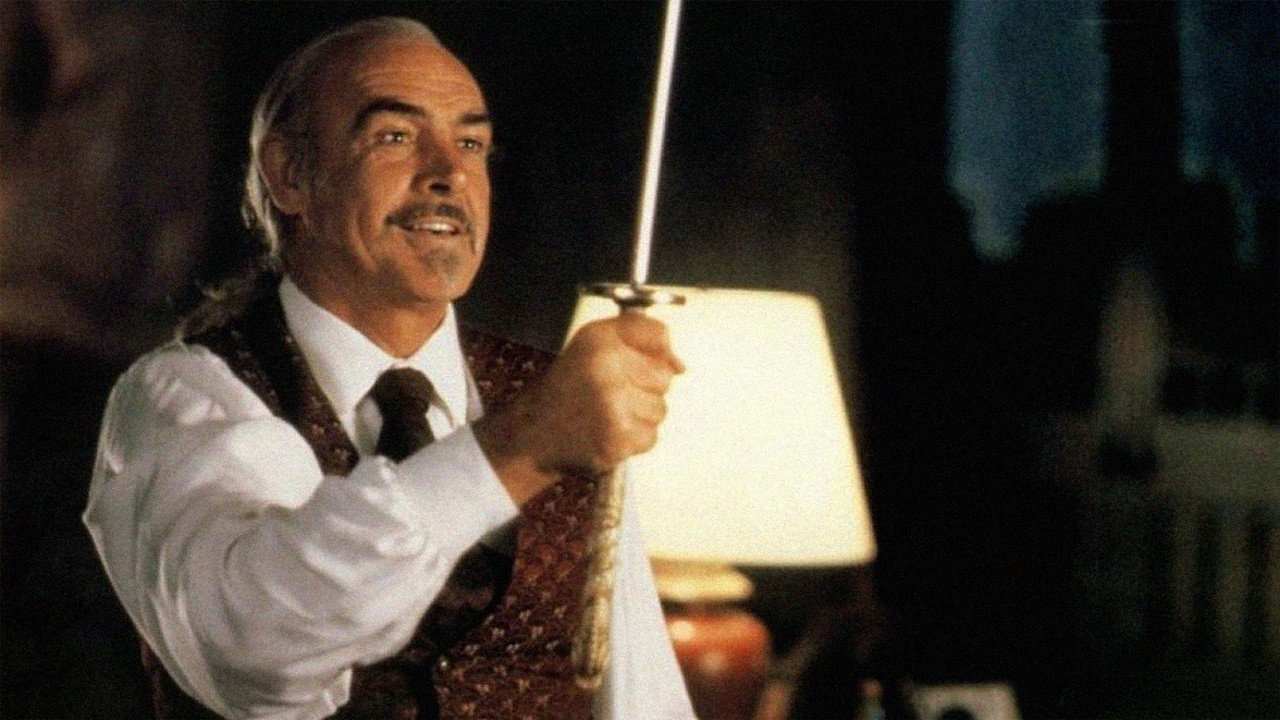
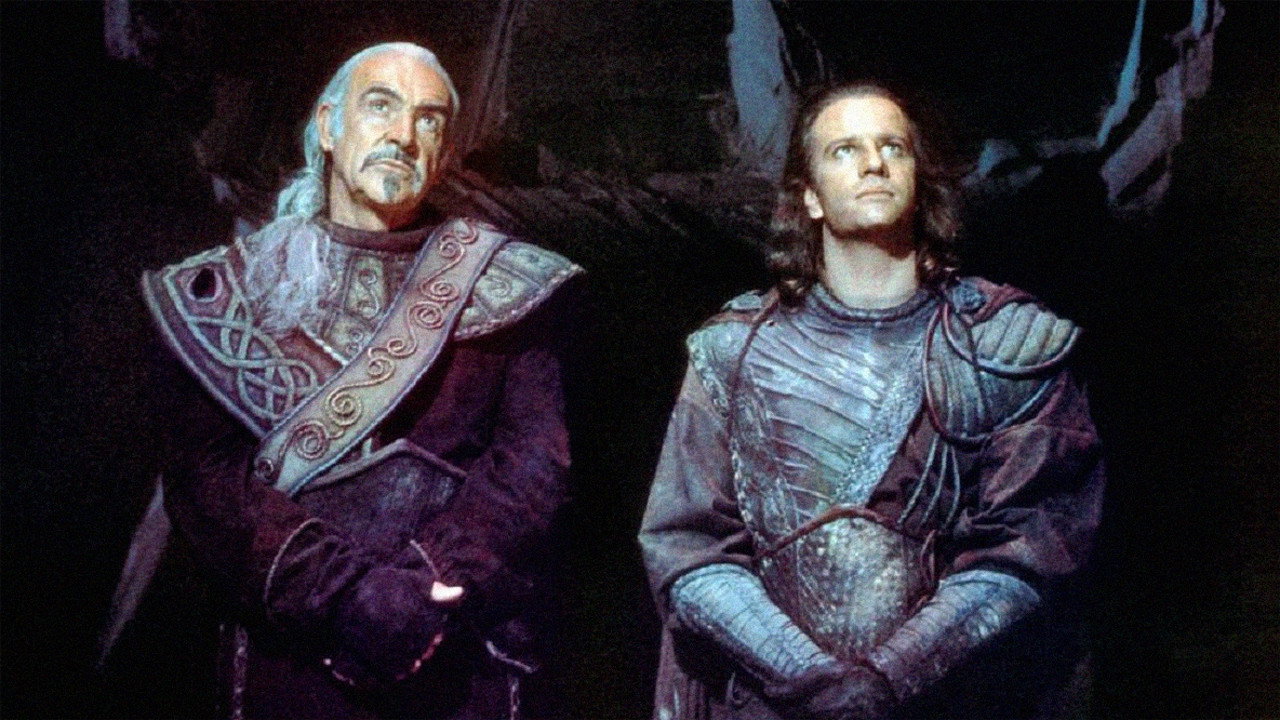
Christopher Lambert has the difficult job of keeping Connor ‘The Highlander’ MacLeod worth following through this confusion, and the performance does not provide enough conviction. Virginia Madsen fares little better as Louise Marcus, struggling to make a character matter while the plotting consumes so much attention. Sean Connery brings some welcome amusement to the proceedings. His apparent willingness to enjoy this material offers a small relief, though a performance can only do so much when the surrounding film keeps losing our interest.
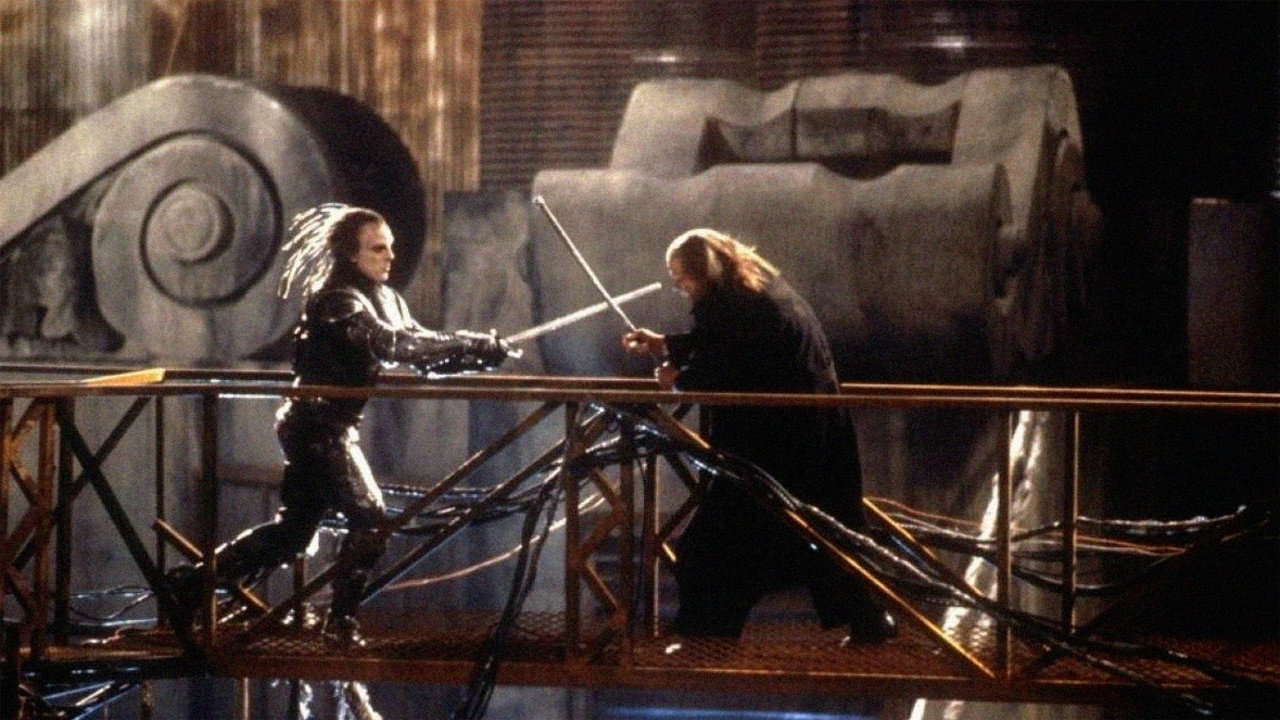
Phil Meheux’s cinematography gives the film a polish that the writing never earns. There is care in the image, and the elaborate production design offers something to look at while the story struggles. That pleasure wears off as the effects become another thing competing for attention in a film that already needs simplifying. Russell Mulcahy can still make an action sequence briefly lively, but these passages are too isolated to give the rest much momentum. The effort is visible even when the excitement is missing.
The editing is credited to Hubert C. de la Bouillerie and Anthony Redman, and the cut never makes the changes of time and place easy to follow. Too often, a transition gives us another situation to decipher before the previous one has become interesting. The pacing remains heavy despite all this movement. At 100 minutes, the film feels needlessly long, and even the action fails to relieve the drag for more than a short stretch.
Stewart Copeland’s music offers little help, failing to supply the excitement that the action and explanations cannot sustain themselves. There is no reason a fantasy sequel should be forbidden from venturing into science fiction. An extraterrestrial account of immortality could support an entertaining adventure if the characters had clear purposes and their choices held our attention. Peter Bellwood’s screenplay does not manage that basic work. Even without any attachment to the earlier mythology, there is too little here to make the new version engaging.
The cast’s occasional amusement suggests a less solemn, more enjoyable film might have been possible. Those glimpses are too brief to make this an agreeable bad-film evening, and the confusion becomes tiring well before it becomes funny. Admirers of elaborate fantasy settings may find a few things to inspect, but that is a thin reason to stay. Save the evening for an adventure that can make its characters worth following.