Brian Tyree Henry and Wagner Moura make this crime series worth the trouble it keeps inventing. The friendship is convincing and often funny; the plotting grows tangled enough to make eight episodes feel generous.
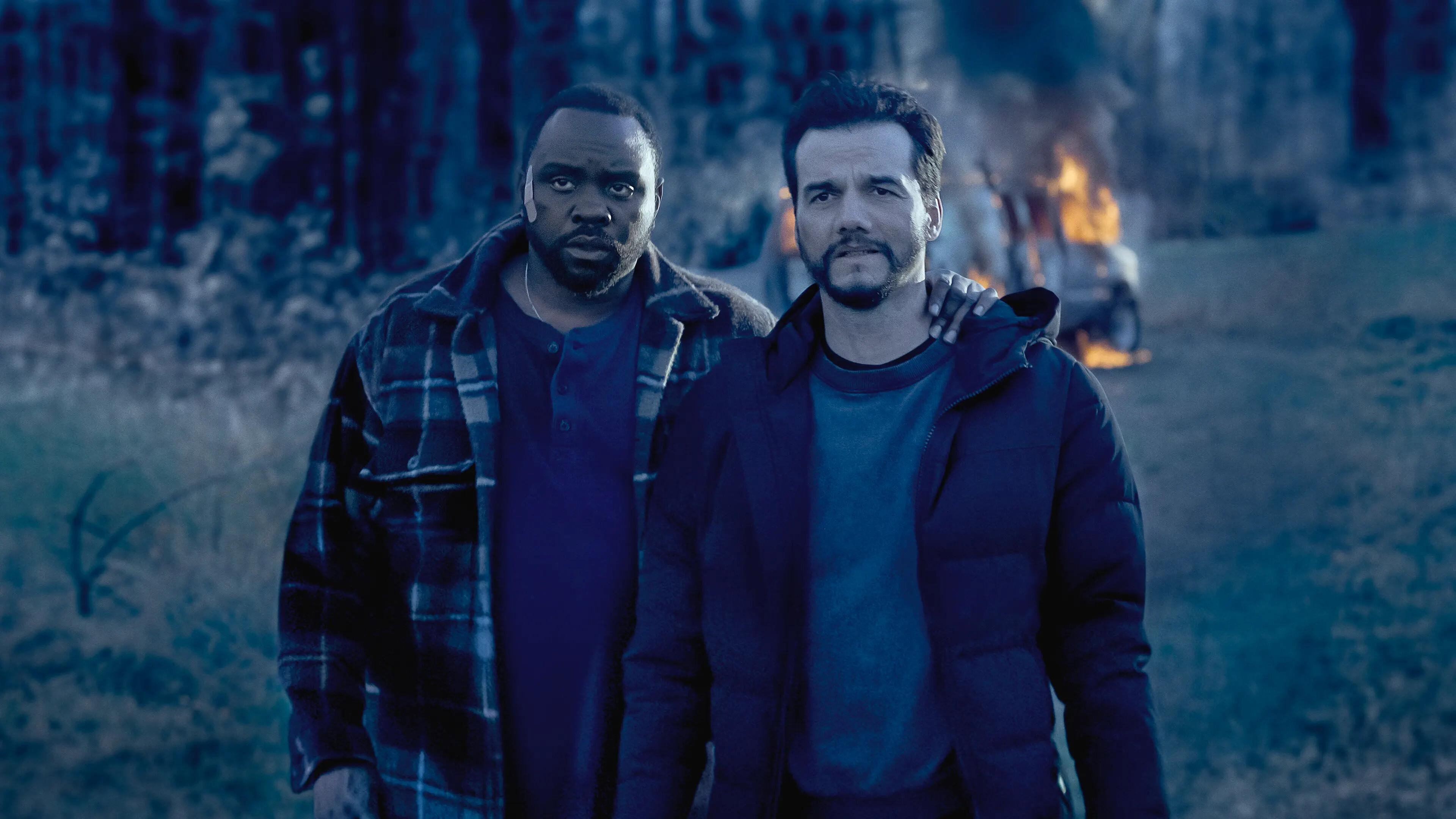
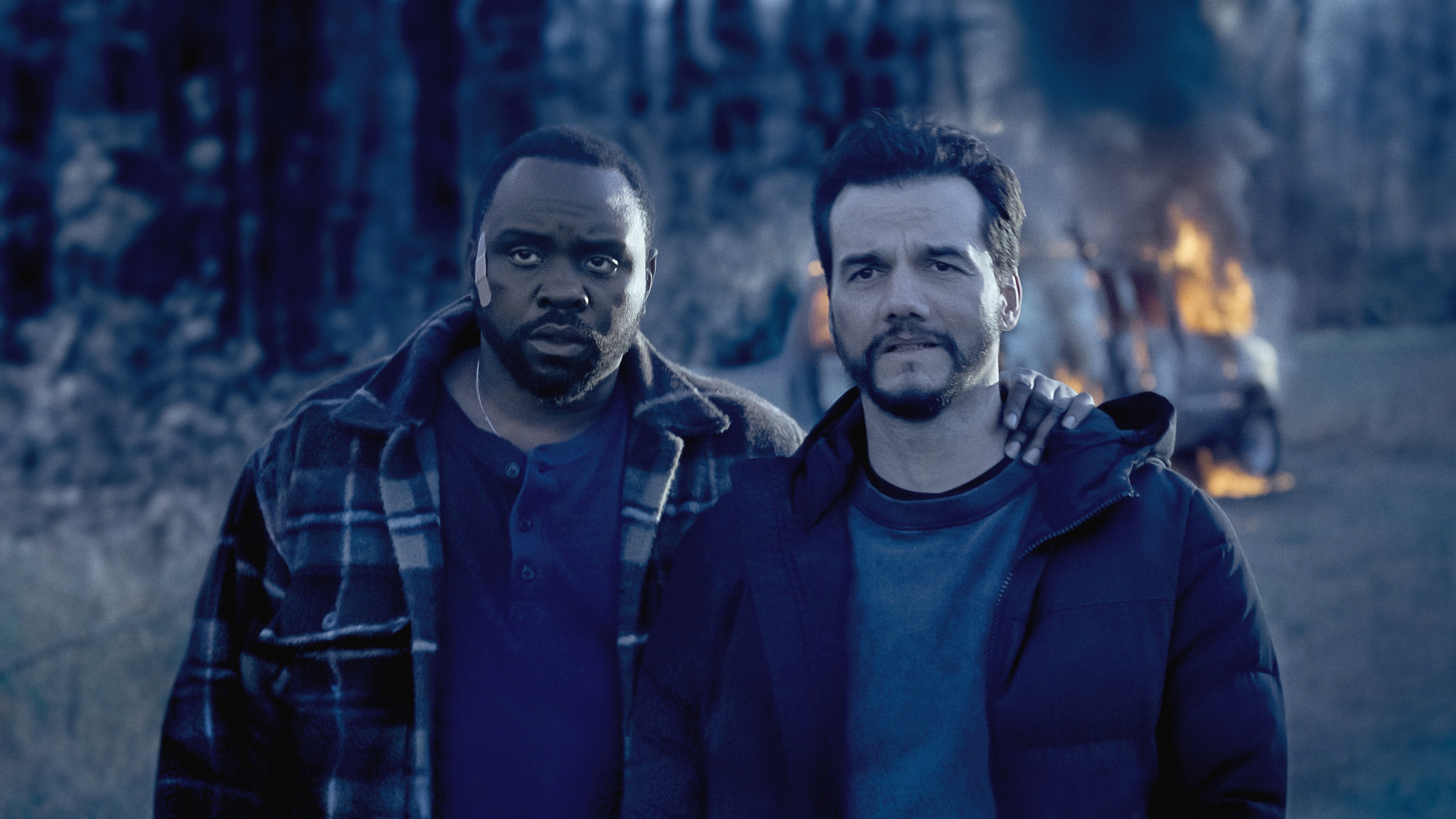
Dope Thief is worth watching for the friendship between its two petty criminals, even when their troubles become unnecessarily complicated. Peter Craig’s series sends Ray Driscoll and Manny Carvalho around Philadelphia posing as DEA agents, a scheme with plenty of scope for both comedy and fear. It needs us to care about the men carrying out the fraud before their danger can mean much. That is a familiar task for a crime drama. Brian Tyree Henry and Wagner Moura make it worth attempting again.
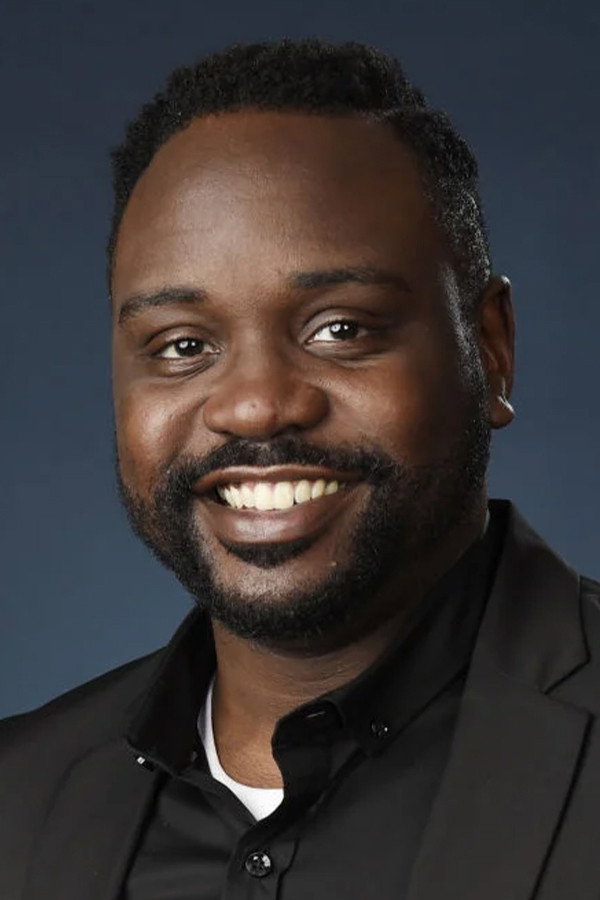
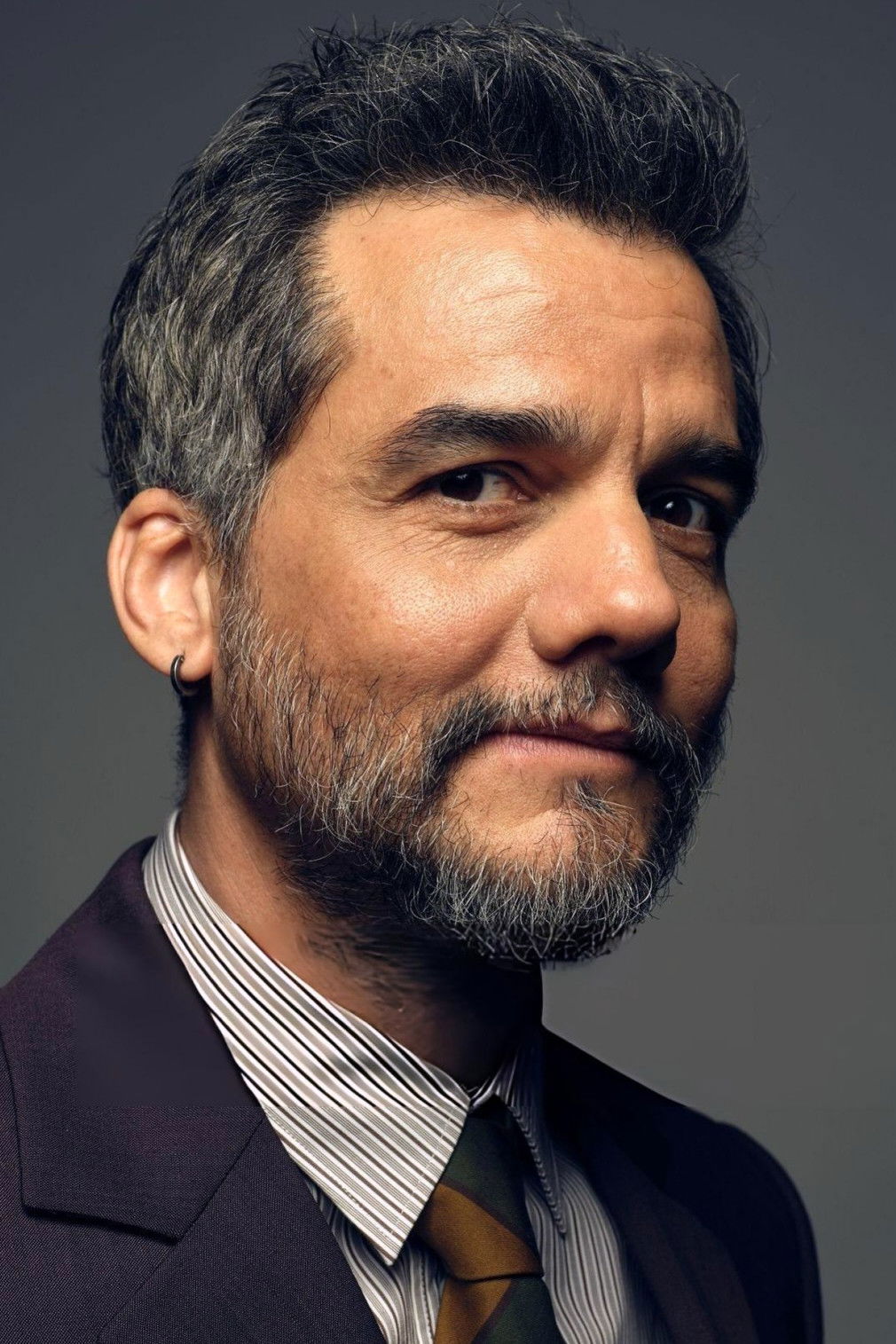
Henry gives Ray enough vulnerability to make his worsening predicament uncomfortable to watch. He makes Ray funny without making his danger seem harmless, and Moura’s Manny is just as important to that effect. Their company has the ease of a friendship that does not need to keep announcing itself, while their dependence on each other gives the jokes an anxious edge. We laughed at the impersonation, then found ourselves worrying about the men doing it.
The Philadelphia setting is persuasive, with cinematographers Erik Messerschmidt, Yaron Orbach and Eduardo Enrique Mayén giving the drama a firm sense of where these men live. Chris Seagers’s production design helps the surroundings feel inhabited, which matters in a story that could otherwise become a succession of threats. We believe Ray and Manny belong here. That everyday credibility makes the comic pretence easier to accept, and gives their troubles some consequence beyond the immediate question of how they will get out of them.
Ridley Scott directs the pilot, and its briskness suits a premise that ought to get moving before anyone examines it too closely. The early balance of fraud, menace and dark humour makes a promising case for the series. It belongs to the strain of crime television that lets compromised people be affectionate and absurd without excusing what they do. The difficulty is sustaining that balance once the complications start to demand more attention than the people.
The plotting is where Craig begins to lose us. There are stretches when keeping track of the trouble becomes less interesting than spending time with Ray and Manny, and the story grows diffuse whenever their friendship slips out of focus. Editors J. Kathleen Gibson, Jennifer Barbot, Eric Litman and Billy Rich have eight episodes to shape, but the pace does not stay as assured as the opening promises. The lulls do not give the characters enough breathing room; they mostly make us wait for the next complication.
Dominic Lewis’s music contributes to the pressure, though pressure is something the series can supply without much assistance. We were more affected by Henry and Moura’s vulnerability than by the insistence that everything might get worse. The supporting performances help keep the drama engaging when the plotting wanders, but the central pair remain the reason to return. Craig gives them enough warmth to stop the violence becoming the programme’s only attraction.
We recommend it to anyone who likes crime drama with room for affection and a little foolishness. Allow for a story that makes more work of its complications than it needs to, and a level of stress that can become wearing. The company is worth those allowances, particularly when Henry and Moura are allowed to hold our attention together. Leave some space between episodes; these two provide quite enough anxiety for one evening.