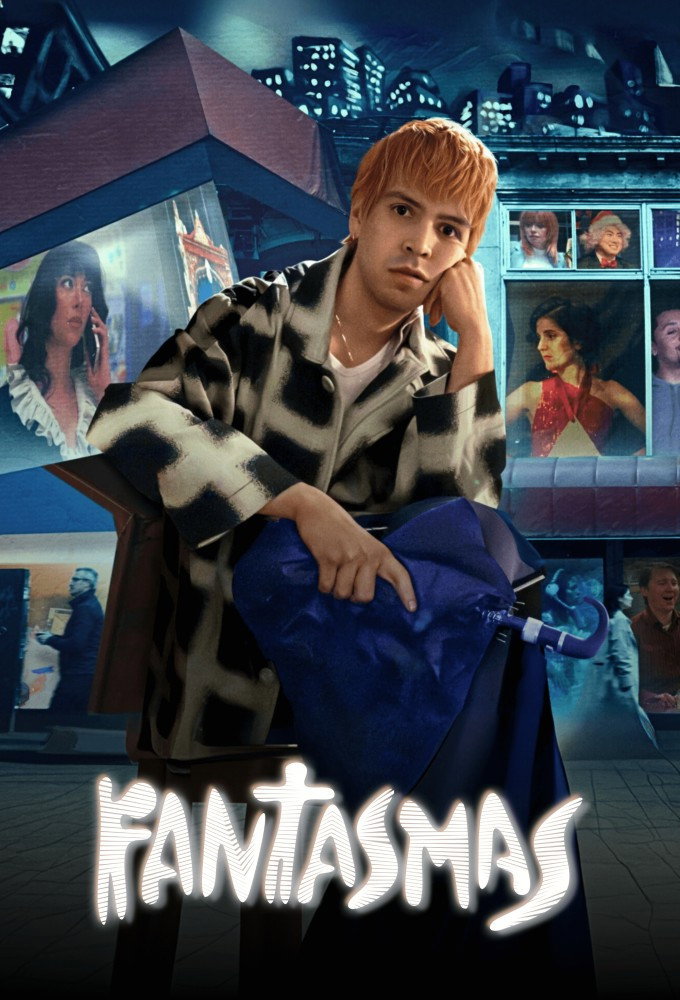
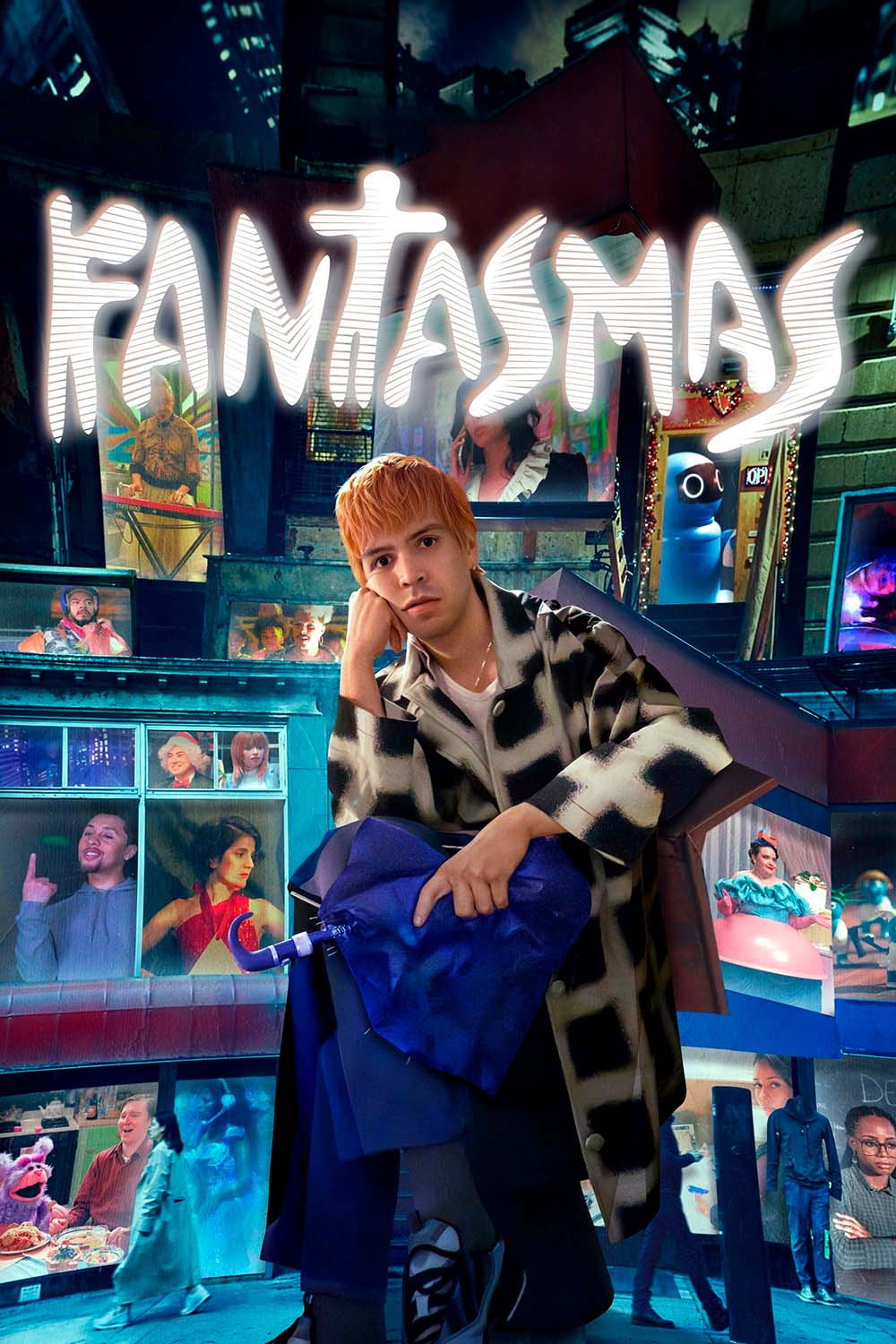
Julio Torres turns housing anxiety and bureaucracy into funny, peculiar television. Fantasmas gives its sketches more freedom than they always deserve, but the detours are usually worth taking, and the anger beneath them is well placed.
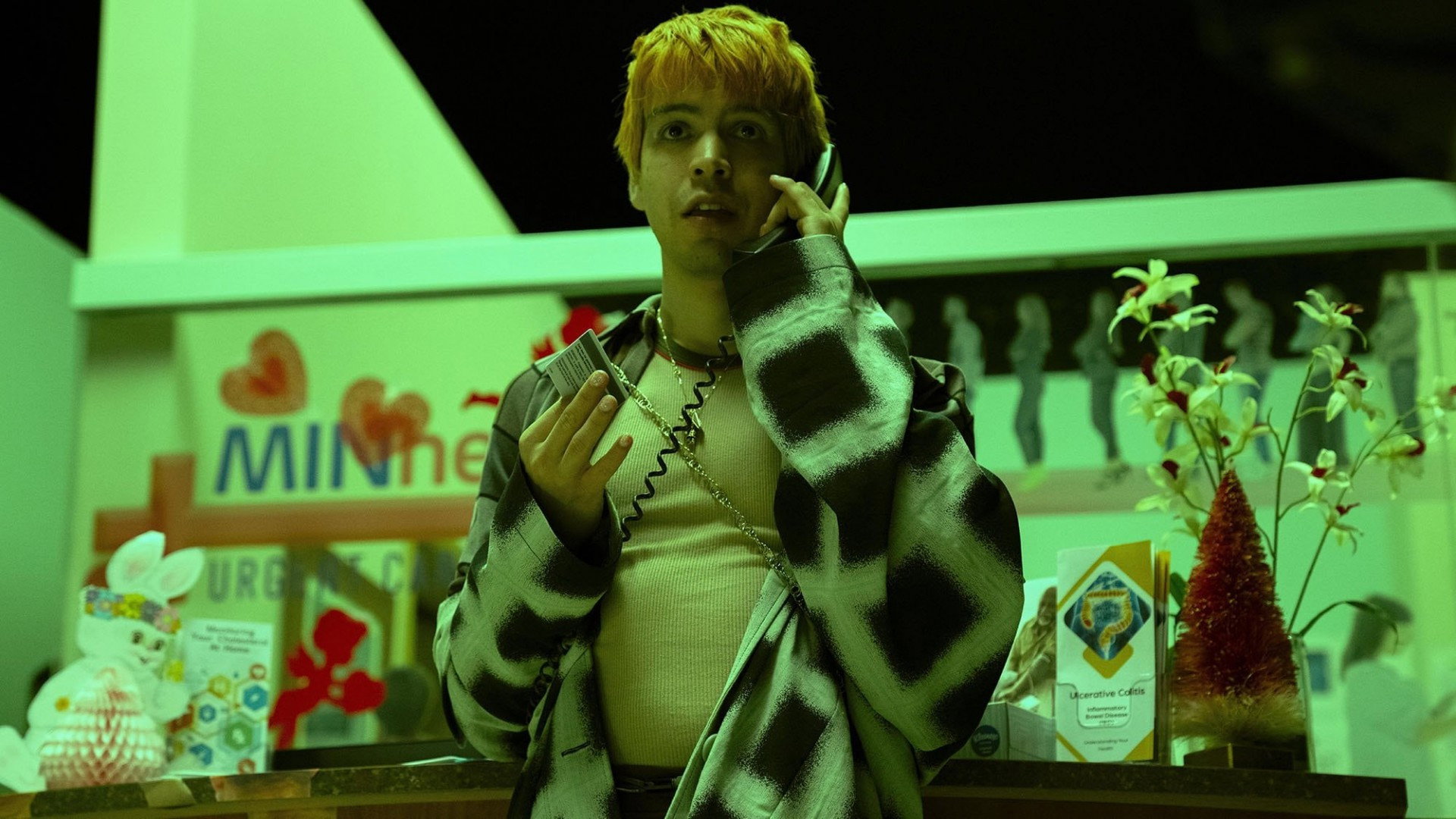
Fantasmas is funny, restless television, and we recommend it with a caveat about sketches that linger after their jokes have finished. Julio Torres, its creator, writer, director and lead, gives his fictional namesake the prospect of eviction and a search for proof of existence. Being there apparently does not settle the matter. The premise lets him consider how people are expected to earn a living, find a home and make themselves acceptable to institutions that have little interest in them.
The housing problem supplies a reason to keep moving, but Julio Torres is at least as interested in the people and peculiarities encountered along the way. A diversion can become a miniature film, with enough time to develop beyond the gag that introduced it. We laughed at the hamster nightclubs. Giving hamsters a nightlife is an absurdly specific use of anyone’s imagination, and the series takes the idea seriously enough to let us enjoy it without explaining the joke.
Tommaso Ortino’s production design is essential here: the invented places have a theatricality that suits these self-contained stories. The hamster nightclubs are a good example of how readily the programme accommodates an idea that could have been tossed off in a line. Sam Levy’s cinematography holds the separate sketches together visually, and the care of the images persists even when the writing is less rewarding. There is enough to look at to make a missed joke less troublesome than it would be in a comedy depending entirely on dialogue.
Julio Torres is a useful centre because his performance does not strain to make the strangeness reassuring. Martine Gutierrez, as Vanesja, and Tomas Matos, as Chester, help keep the company distinctive without making every encounter feel like a contest for the strangest person on screen. The irritation behind the comedy is important. When the subject turns to art and the entertainment business, the series is sharp about the expectation that a person’s identity should arrive ready to be packaged and sold.
Some sketches simply go on too long, and the weaker ones become repetitive. Editors Nolan Jennings and Jacob Secher Schulsinger handle the shifts between the main story and its offshoots clearly, but clarity cannot make every offshoot equally funny. Lia Ouyang Rusli’s score supports the fanciful mood without labouring to announce every joke. We sometimes wanted the series to move on; once a sketch’s premise was clear, the extra variations could feel dutiful.
Against the usual expectations of a half-hour comedy, the six-episode series is pleasingly willing to spend time on things that do not advance the story. It still offers a story worth following, but the self-contained pieces are a large part of what we would return for. Some tolerance for whimsy is essential, and those who need every scene to earn its place in the plot will find plenty to argue with. Give it an episode with the phone put away.