Key and Peele’s sketch show is the most carefully made comedy of its kind we have seen, each sketch shot and cut like the film it is sending up. The stand-up between the sketches is thin, and not every idea earns its running time.
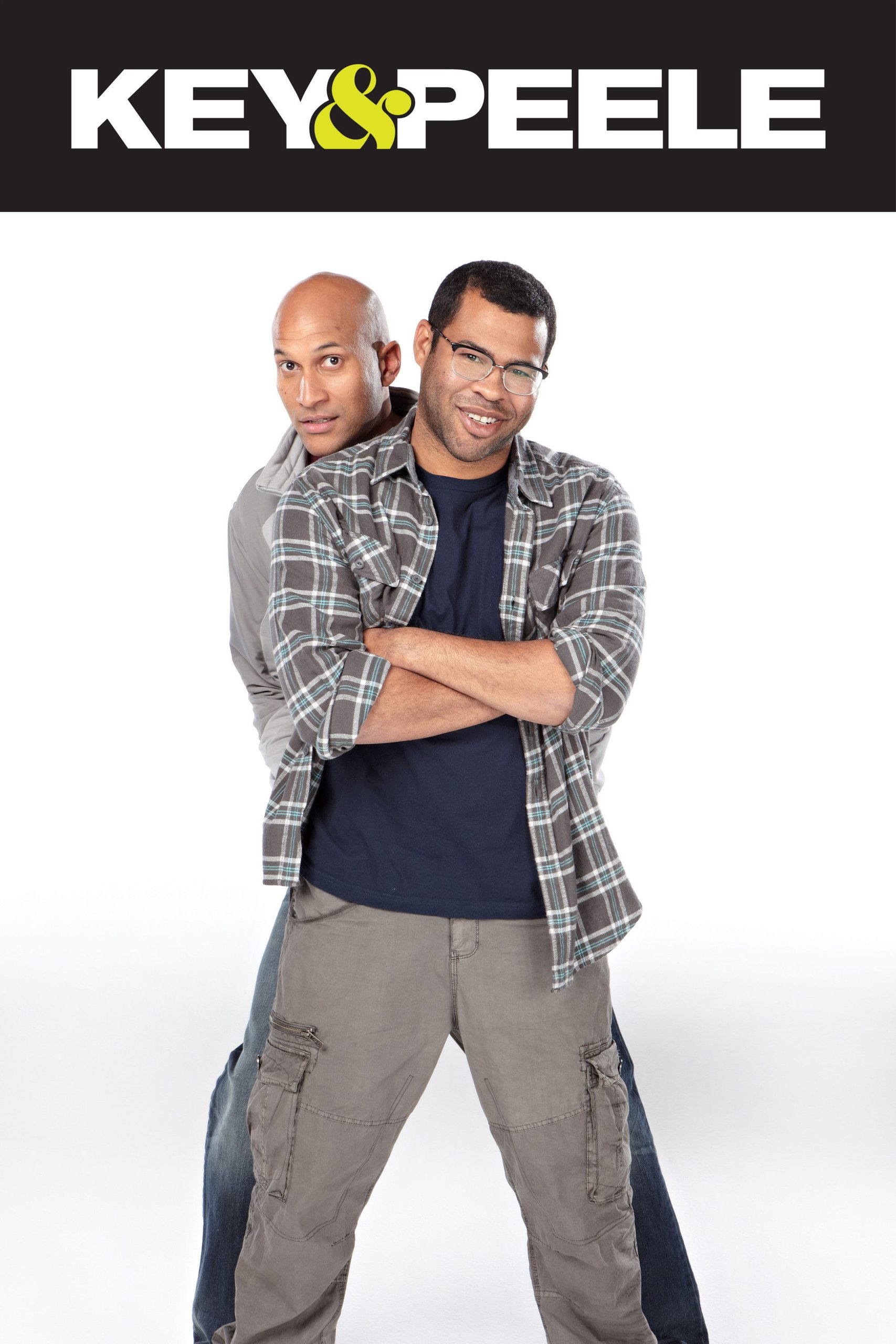
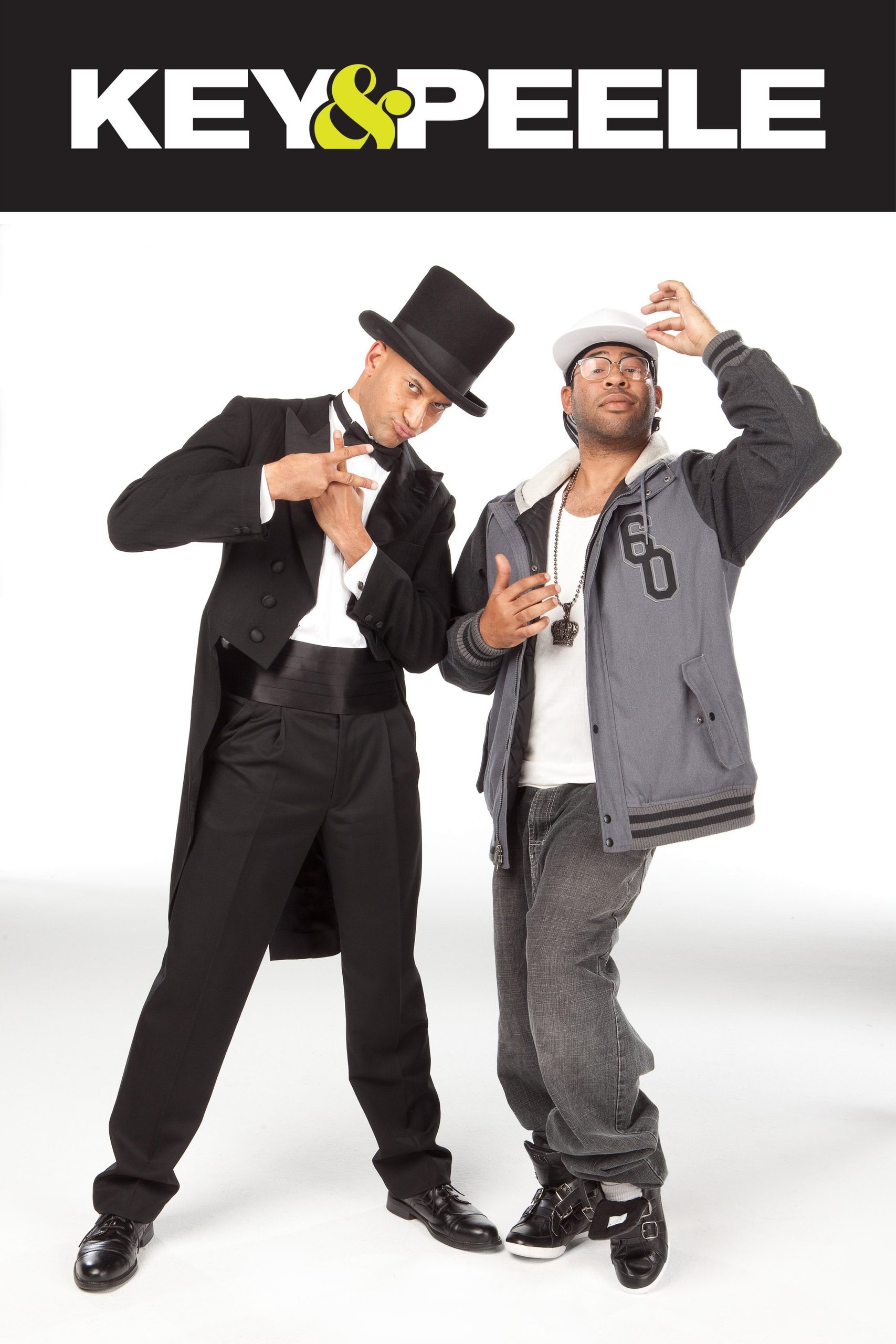
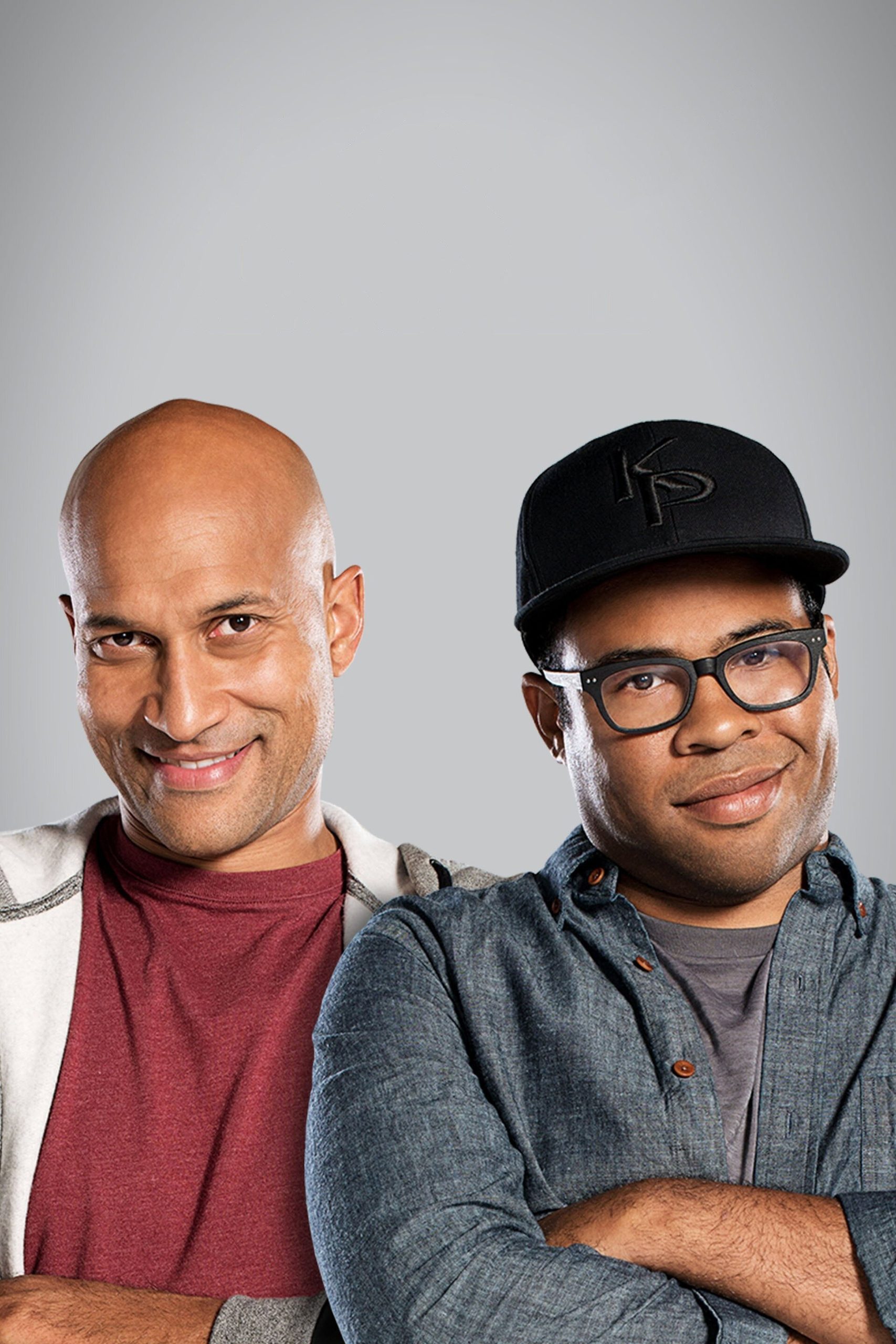
Sketch comedy on television is usually made on a studio floor, and it looks it. Key & Peele does not. Keegan-Michael Key and Jordan Peele, who created the programme and play nearly everyone in it, made 53 episodes over five seasons for Comedy Central, beginning on 31 January 2012, and each one runs about twenty minutes: the two men on a stage with a live audience, then filmed sketches, then back to the stage. The sketches are the point. They are built like short films, with sets, costumes and camera moves that a sketch show has no business affording, and the best of them are as funny as anything we have seen on television. We recommend it warmly, with two caveats: the stage material is the weakest thing in it, and 53 episodes is more than the good ideas strictly required.
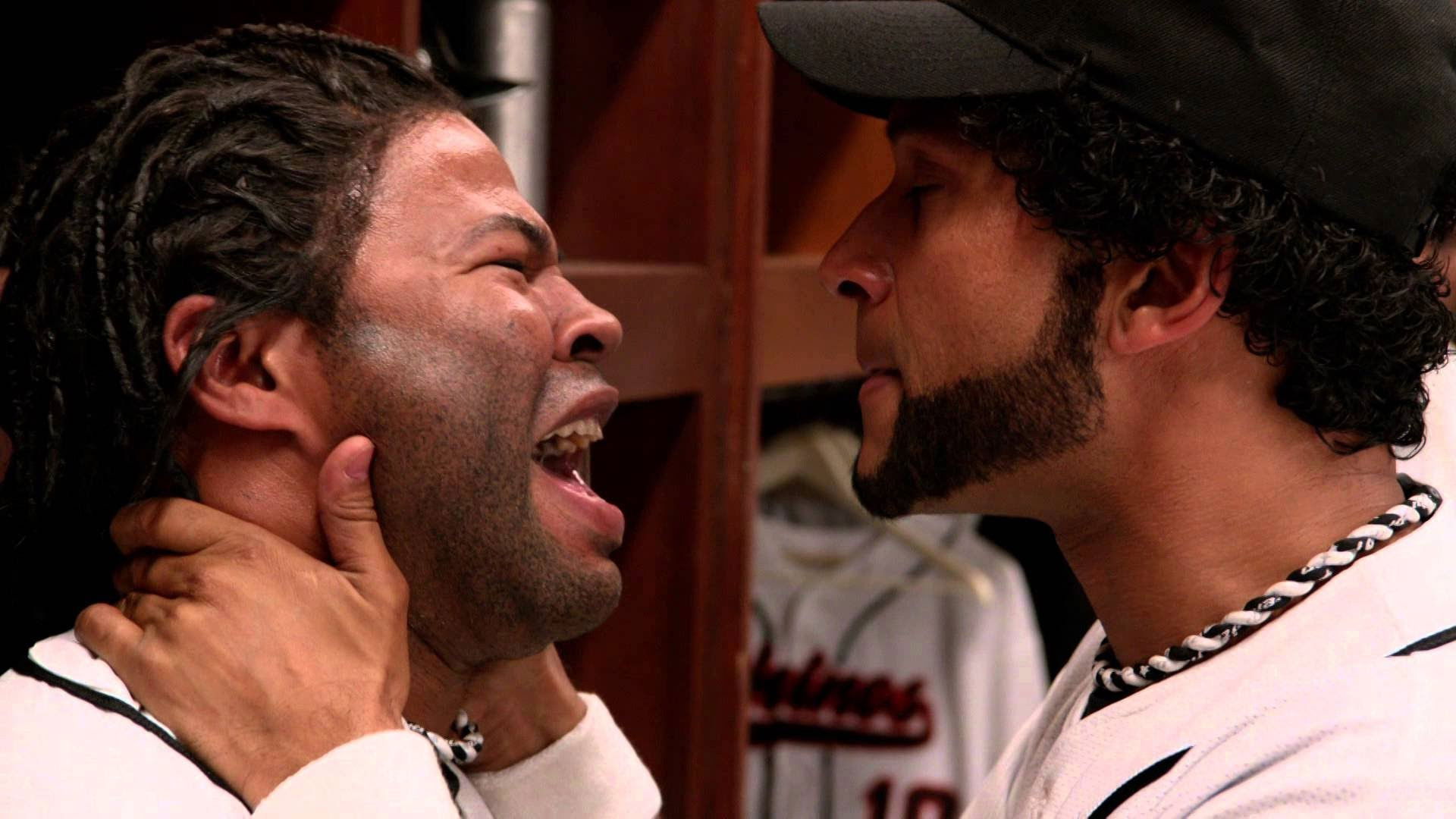
The rule seems to have been that a parody must look exactly like its target. A horror sketch is lit like a horror film, with the fill light taken away and the camera creeping. A sports segment has the graphics package and the crowd noise. The Les Misérables parody, with Nicole Parker as Fantine and Thomas Middleditch as Thénardier, has wet streets, candlelight and singing performed straight, so that the joke is not that the genre is silly but that these particular people are. Nicholas Monsour edits, and he understands that a sketch has one cut that matters: the one after the line, when you hold on a face for a beat longer than seems polite. He gets it right almost every time.
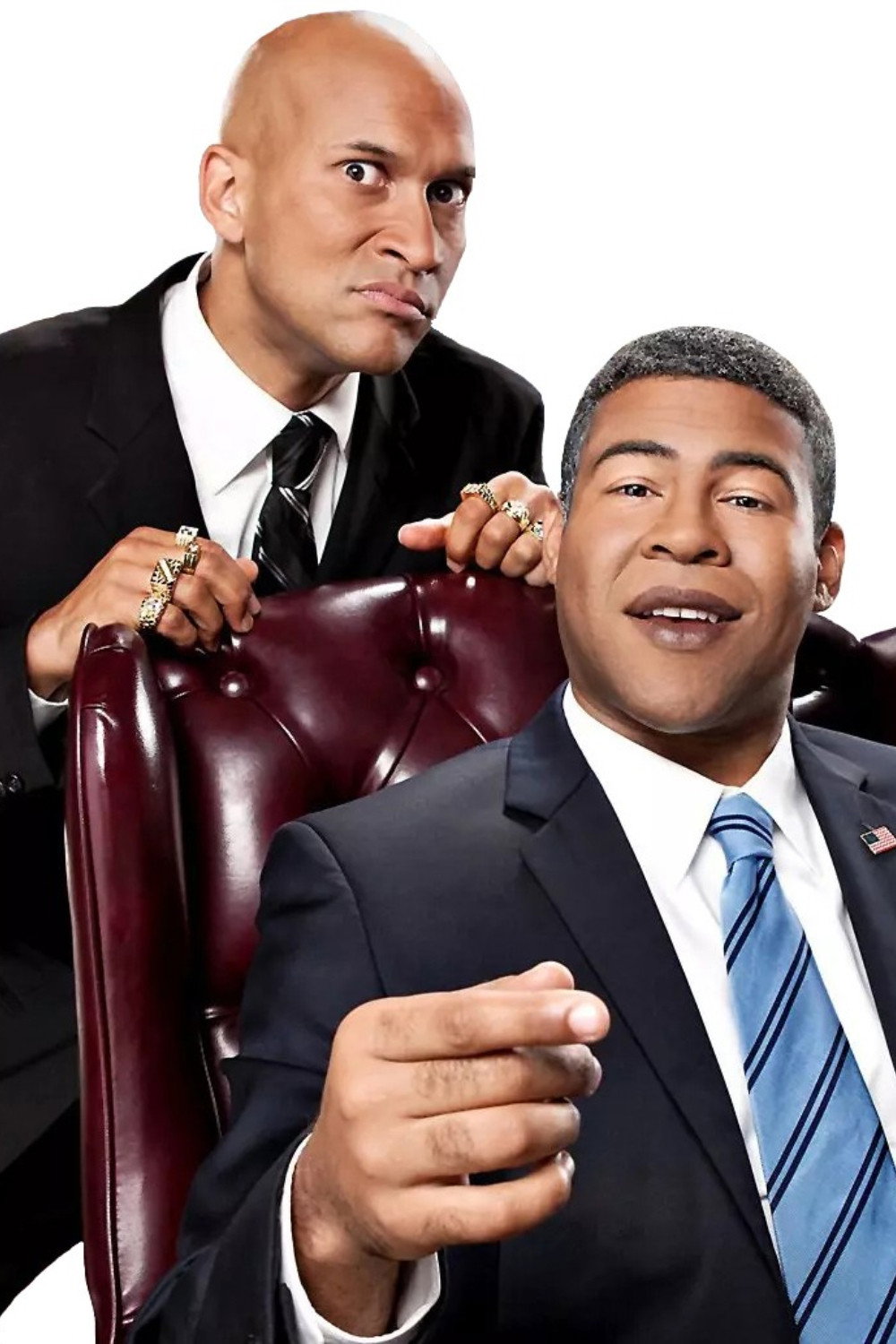
The two leads divide the work cleanly and then swap. Key is the taller and the louder, with a face that can go from confidence to panic without passing through anything in between. Peele is the still one, the one who has noticed something is wrong and has not yet decided what to do about it. Peele plays the president as measured to the point of blankness; Key, as Luther, stands beside him and translates every careful phrase into what it means, at volume. It is a joke about who is allowed to be angry in public, and it works because neither of them winks. We laughed harder at Luther than we have at anything in a long while. It was Key’s body that did it, wound tight beside a man who will not move, and Monsour’s cutting, which goes back to Peele’s unchanged face exactly when we want to see it.
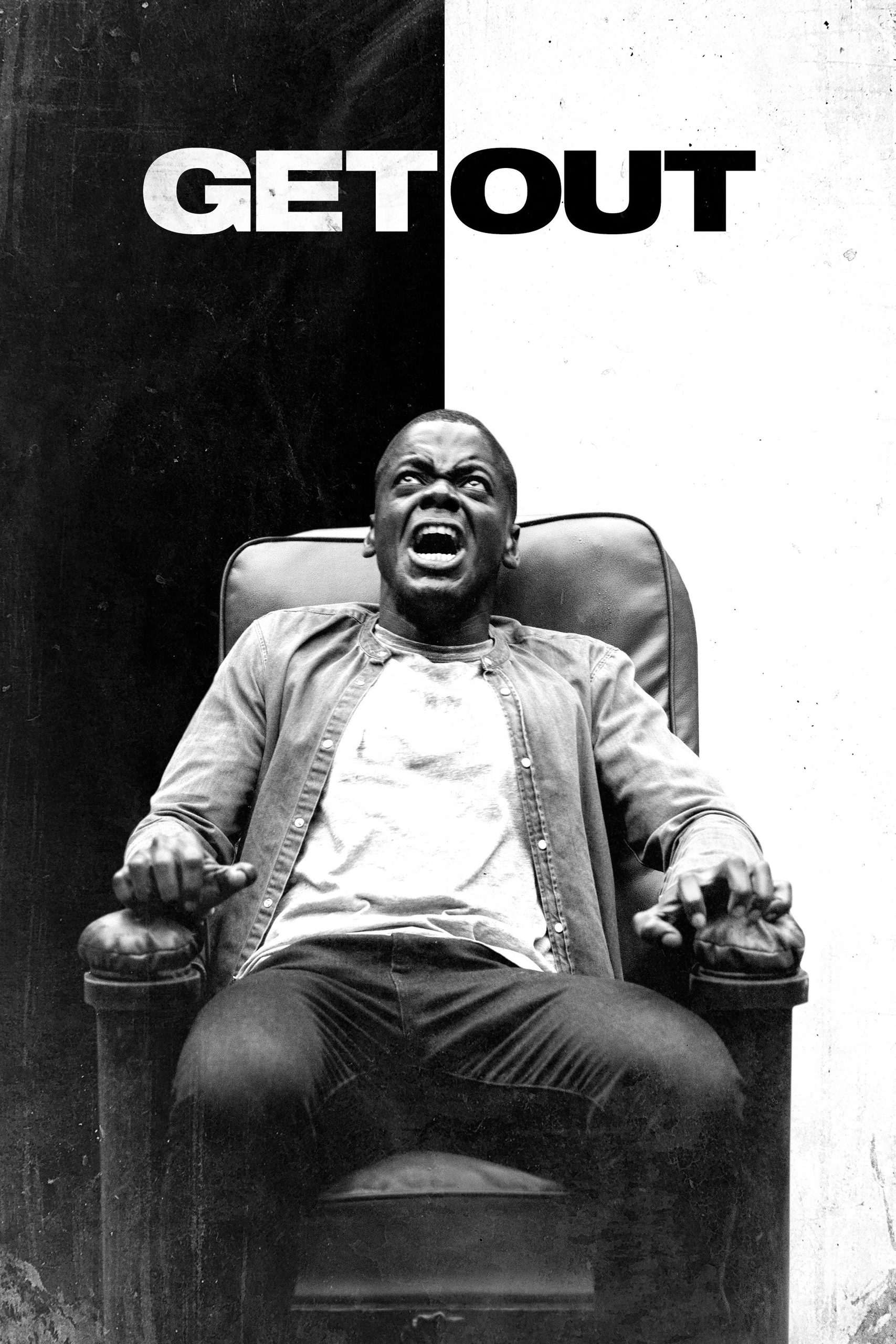
Some of the sketches are not really comedies at all. They begin as a small social embarrassment, two men being polite to each other on a street, say, and end somewhere close to horror, and the picture changes before the writing does: the light drops, the lens gets longer, the sound thins out. We felt an unease we had not expected from a comedy programme, and only afterwards worked out why. Peele went on to write and direct Get Out (2017), and you can see it being learned here.
The stage links let it down. Two likeable men are pleasant to a live audience, tell it roughly what the next sketch is about, and it laughs generously. It is the one part of the programme that looks like every other sketch show, and it slackens the pace each time. Some sketches take a single idea and repeat it four times when three would have done. The later seasons are more elaborate than the early ones, and occasionally the elaboration is where the money went instead of the joke. The supporting cast, though, is well chosen throughout: Paul Walter Hauser, Sarah Baker, Leslie David Baker and Matt Jones turn up in small parts and play them without trying to steal anything.
This is a sketch show that spent its budget on pictures rather than a costume rail, and the gamble pays because the look is so often the joke. Watch two episodes at a sitting, and skip nothing the first time through. The sketch you nearly fast-forwarded is the one you will be quoting in a year.