Film review

Get Out

2017 · Directed by Jordan Peele · 1h 44m · MPA R

In a sentenceA horror film in which being a difficult guest starts to seem like basic self-preservation

MysteryThrillerHorror

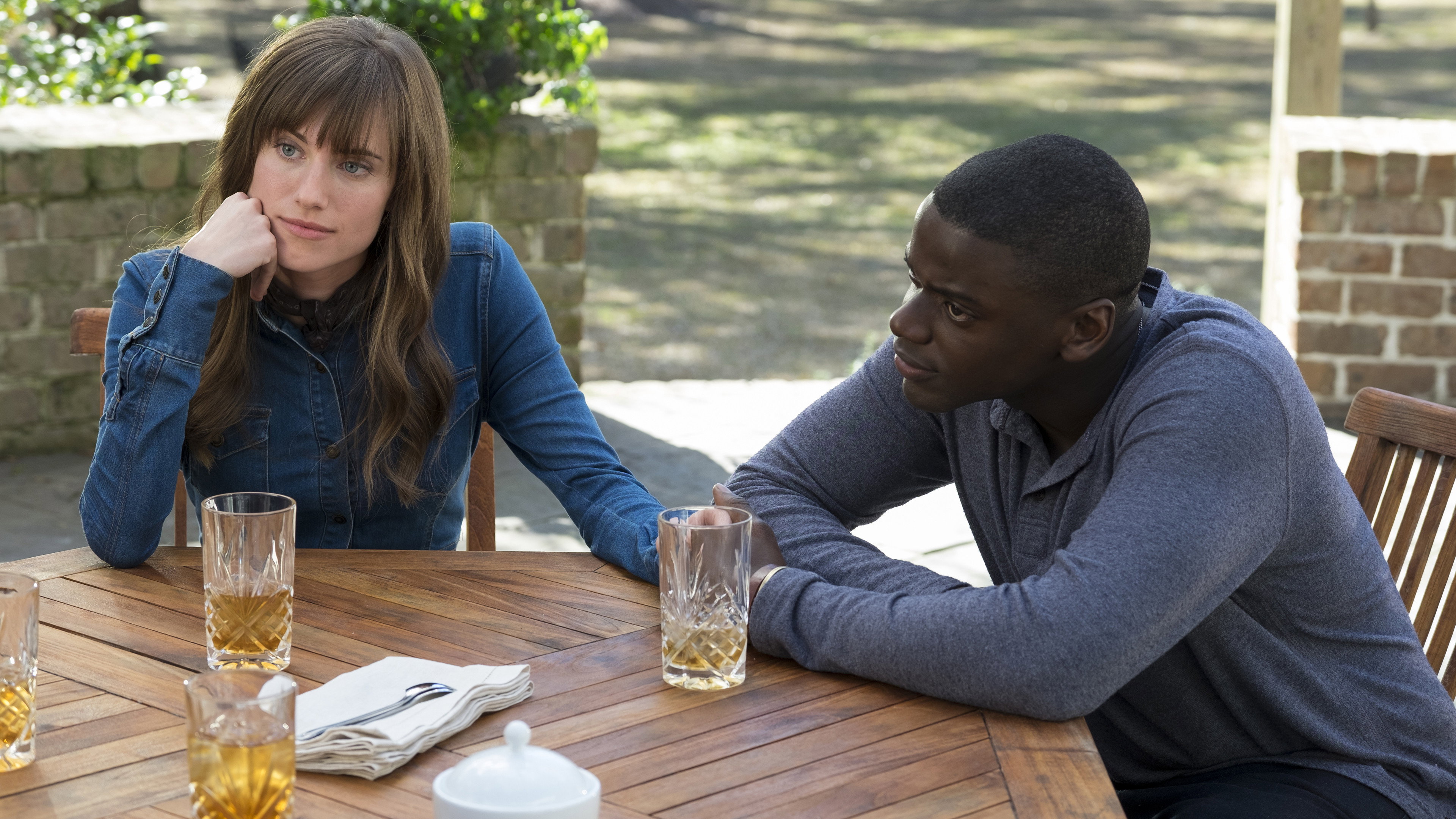
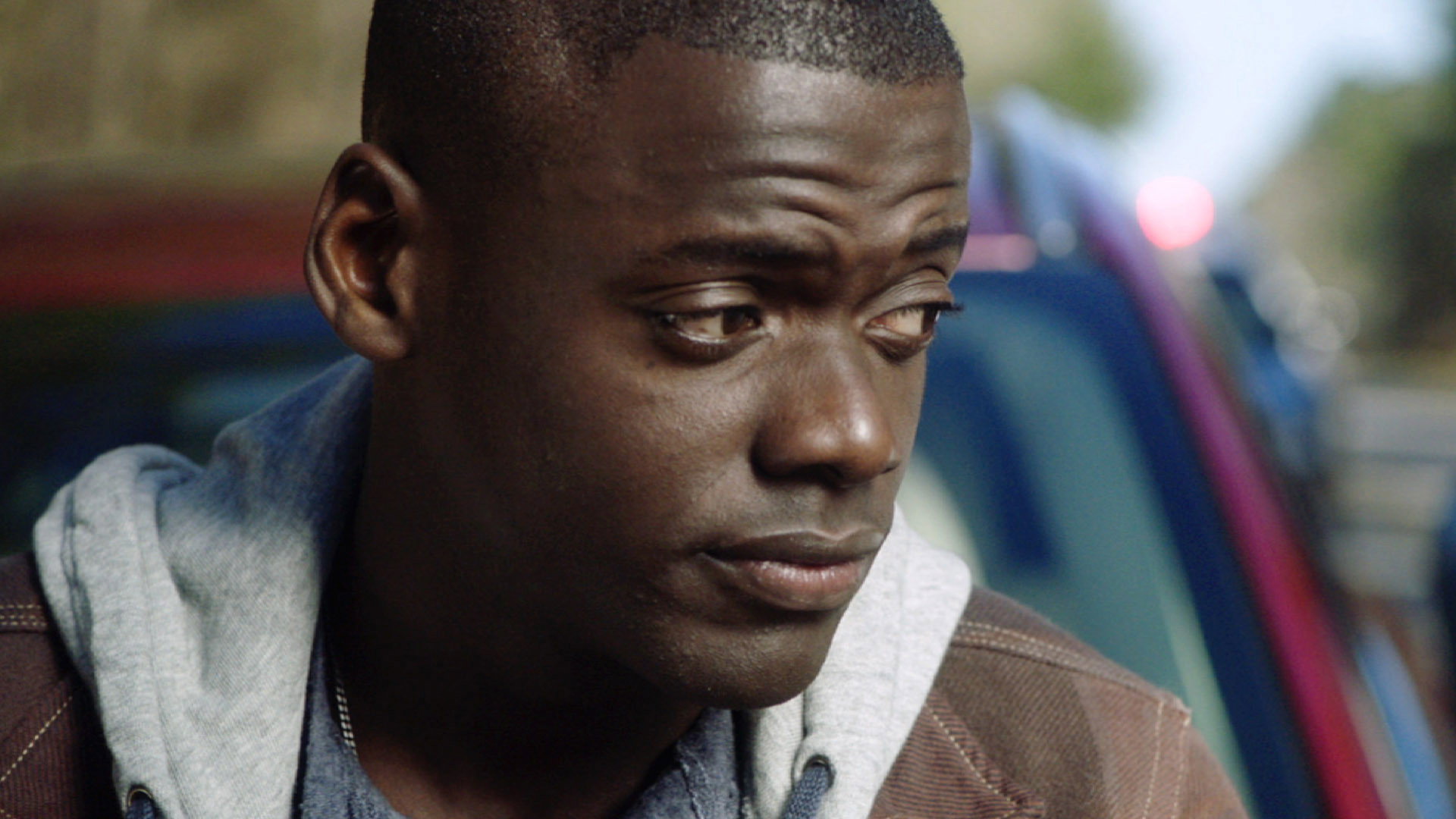
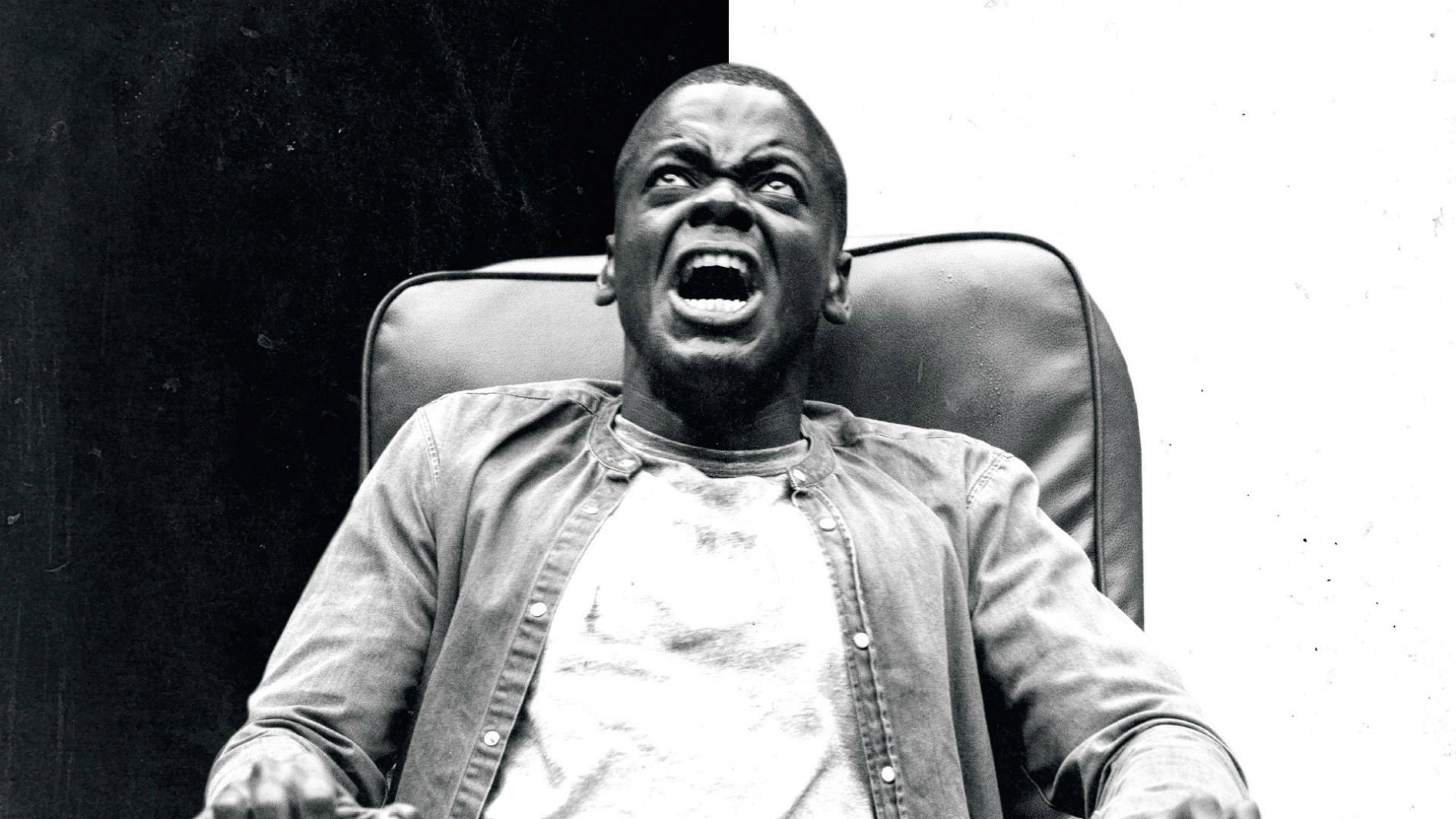
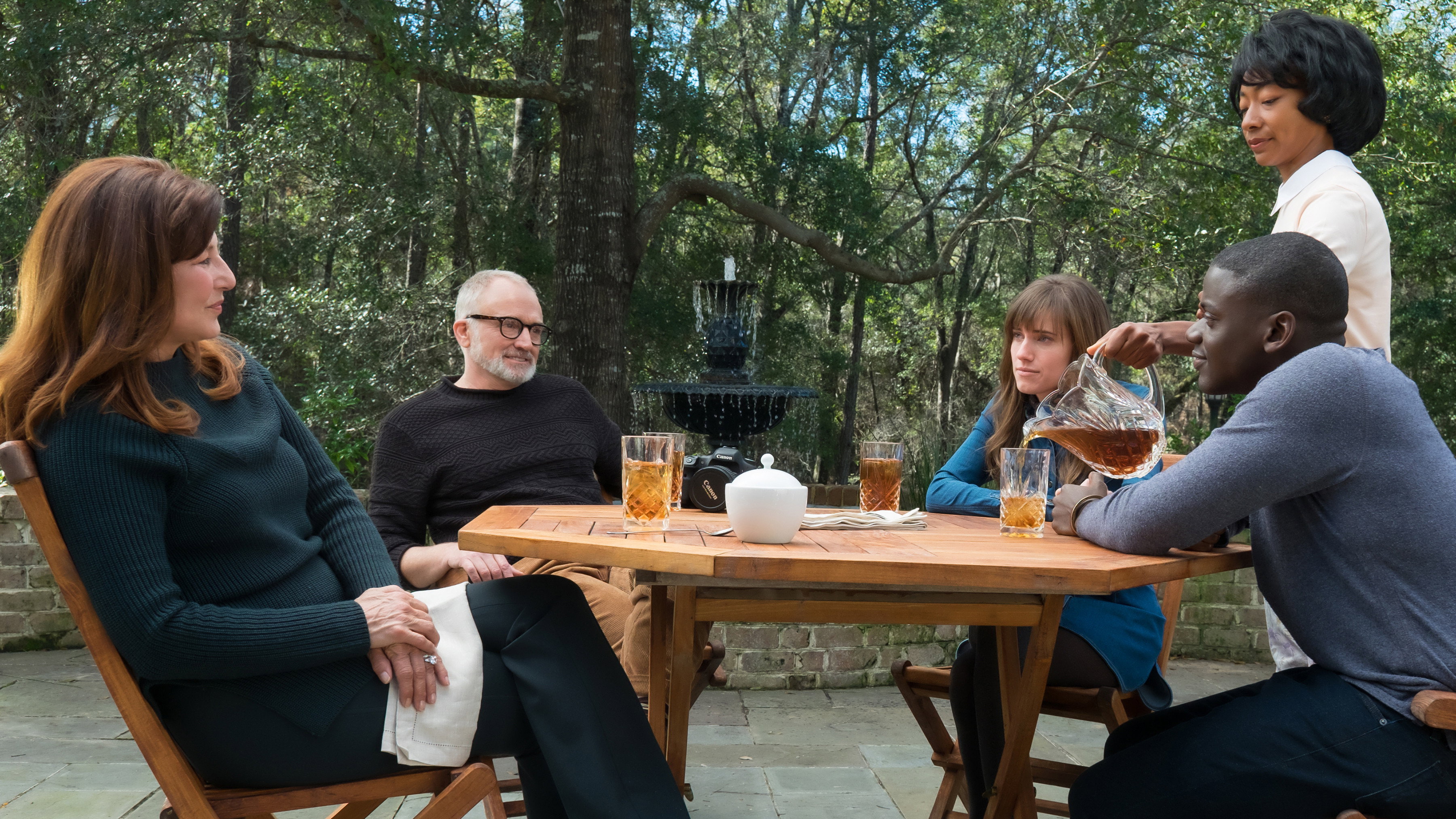
Chris Washington (Daniel Kaluuya) accepts an invitation into an affluent corner of America where the welcome is polite and race is never far from the conversation. Rose Armitage (Allison Williams), Dean Armitage (Bradley Whitford) and Missy Armitage (Catherine Keener) are part of a visit Chris struggles to make sense of. A nighttime stroll unsettles him, adding to his uncertainty about the people around him. He tries to distinguish social awkwardness from danger, while the people around him give him reasons to distrust their apparent goodwill.

Plays from YouTube when you press play; nothing loads from them until then.

Fi1m review

Jordan Peele makes racial discomfort frightening without losing the jokes, and Daniel Kaluuya gives every awkward encounter weight. A few supporting performances are too broad, but this is a horror film we recommend well beyond its usual audience.

Get Out is funny, frightening and unusually precise about the ways people make a guest feel unwelcome while insisting otherwise. Jordan Peele writes and directs with a clear understanding of how exhausting it can be to remain polite. The film’s white liberals take their own decency for granted, which makes their interest in black people peculiarly intrusive. We recommend it for the discomfort as much as the shocks.

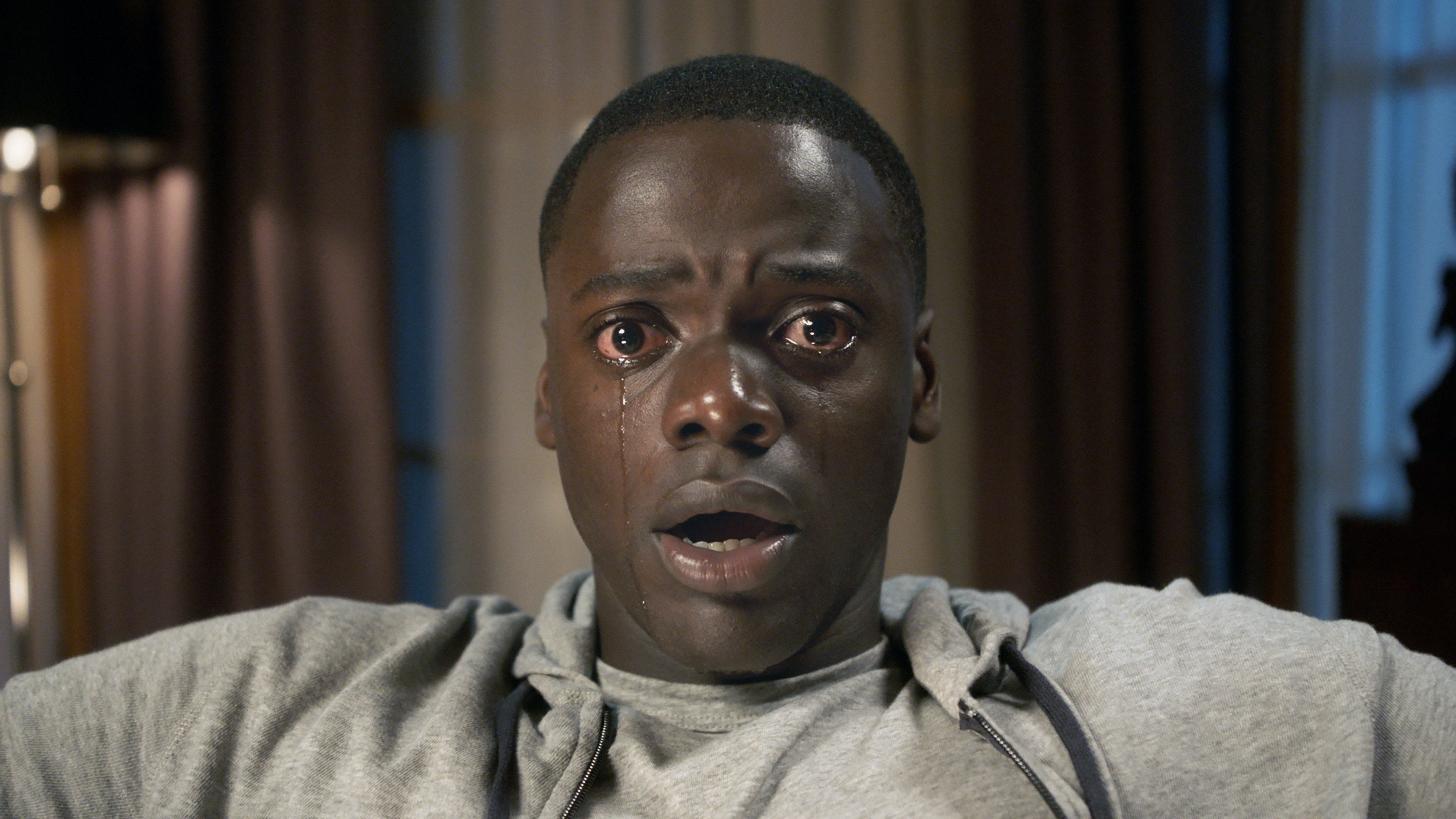
Daniel Kaluuya is the reason that discomfort stays personal. As Chris Washington, he makes the work of getting through an awkward encounter seem exhausting; we keep looking to him to decide how seriously to take the people around him. The satire depends on that judgement, because a performance that announced every insult would do our thinking for us. Kaluuya gives us room to recognise the offence and to understand why challenging it might be difficult, particularly when everybody seems so pleased with their own behaviour.

Bradley Whitford makes Dean Armitage’s eagerness to seem decent funny enough to be embarrassing. We recognise the demand for approval, and the unreasonable amount of attention it requires from the person receiving it. Caleb Landry Jones, as Jeremy Armitage, is less persuasive: the performance signals menace so strongly that there is little left for us to work out. A few of these encounters would be more uncomfortable if the supporting cast were allowed the same uncertainty that Kaluuya brings to Chris.

Toby Oliver and Denson Baker’s cinematography makes the nighttime stroll feel exposed, with too much uncertainty about what might interrupt it. The restraint works because we spend time looking for trouble rather than being shown exactly where it is. Rusty Smith’s production design makes the affluent surroundings feel established and secure, which is distinctly unhelpful to Chris. The place seems to have its own rules, and nobody appears particularly interested in his comfort with them.

Catherine Keener, as Missy Armitage, is particularly effective at making composure seem threatening without pushing the performance towards caricature. We were unnerved by her calm, because it gives Chris so little to respond to openly. Keener makes the effort to read another person’s face feel dangerous, and Kaluuya keeps that uncertainty visible without overplaying it.

Gregory Plotkin’s editing keeps the unease alive through the changes of tone, allowing the comedy enough room without letting it wipe away the threat. Michael Abels’s score makes that threat feel close even when the immediate occasion is still an awkward encounter. Neither humour nor music releases us from paying attention to Chris, which is why the film can change direction without seeming to start again. At 104 minutes, it establishes its social discomfort without making us endure every possible variation of it.

Horror often asks us to notice danger before its characters do. Here, Chris is already uneasy, and the harder question is what he can do with that knowledge while everyone expects him to behave. Peele understands how much pressure an apparently friendly welcome can exert, and how difficult it can be to explain why something feels wrong. Watch it for Kaluuya, and resist the temptation to learn much more about the invitation.

Critical consensus AI synthesised

85
Positive
18
Mixed
0
Negative
0

The reviews are strongly positive, with praise centred on Jordan Peele’s control of horror, comedy and racial satire. Most critics find that the film exposes white liberal racism through everyday discomforts while still delivering tension and shocks; the social commentary gives the horror its force. Daniel Kaluuya’s performance draws particular praise for making those anxieties felt, while the ensemble and Peele’s handling of small, unsettling details also earn repeated approval.

The differences are chiefly in the degree of enthusiasm, with reservations concerning how well the plotting sustains the promise of the build-up. The Los Angeles Times notes weaknesses in the ending, while /Film admires the wit and visceral impact but finds that the premise holds up less well under scrutiny afterwards. These are qualifications within favourable assessments: the broad consensus is that the film’s humour, unease and attention to racial behaviour work together unusually well.

Radio Times
★★★★★ · Trevor Johnston
100

The film is altogether remarkable as a socially aware horror mystery that provocatively addresses racial tensions with classic storytelling, subtle unease and imaginative shocks from a definite African-American perspective.

Read the full review →
RogerEbert.com
24 February 2017 · ★★★★/4 · Matt Zoller Seitz
100

The critic praises the film as a sharp, funny and scary horror-satire that uses genre conventions to expose liberal racism and the commodification of black bodies. Peele's direction and the performances, especially Daniel Kaluuya's, are singled out for making the social commentary land with visceral force.

Read the full review →
The New Yorker
4 March 2017 · Brandon Harris
90*

The critic lauds it as a major achievement in black cinema, commending its exploration of racial anxieties, miscegenation fears, and liberal racism through a horror lens, comparing it favorably to Moonlight.

Read the full review →
Empire
16 March 2017 · Olly Richards
85*

Peele's directing debut is a highly effective horror movie and satire on middle-class liberal racism that makes audiences uncomfortable while remaining very funny and entertaining throughout.

Read the full review →
Film Comment
3 March 2017 · Ina Diane Archer
85*

Peele balances comedy and menace in a horror film that mines genre conventions to address race and racism, with nuanced performances especially from Kaluuya. It links universal horror concerns to specific issues of blackness and microaggressions.

Read the full review →
The Guardian
19 March 2017 · Peter Bradshaw
85*

Peele's directorial debut is a chilling satire of liberal racism in America that starts as a modern Guess Who's Coming to Dinner before turning into a social thriller with horror elements. The critic praises the sharp writing, strong ensemble cast, and the way it hints at horrors beneath a genteel facade while delivering cathartic spectacle.

Read the full review →

Cast

Stills

Awards

Academy Awards, 2018

Nominated
Best Actor
Nominated
Best Director
Nominated
Best Picture
Won
Best Writing, Original Screenplay

Producers Guild Stanley Kramer Award, 2018

Won
Producers Guild Stanley Kramer Award

If you liked this, try…

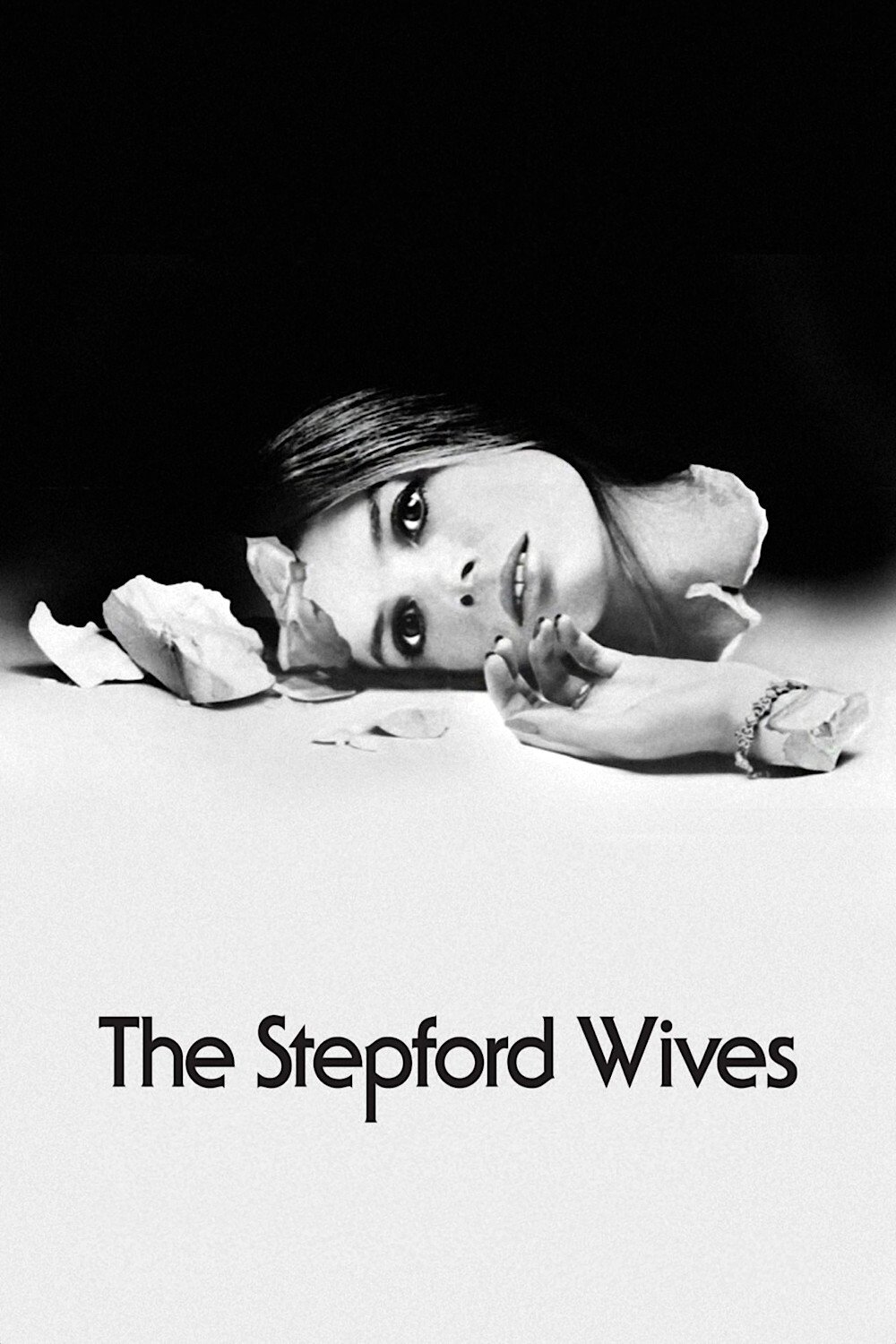
The Stepford Wives poster

The Stepford Wives

1975 · Another immaculate welcome that makes politeness feel like a dangerous obligation.

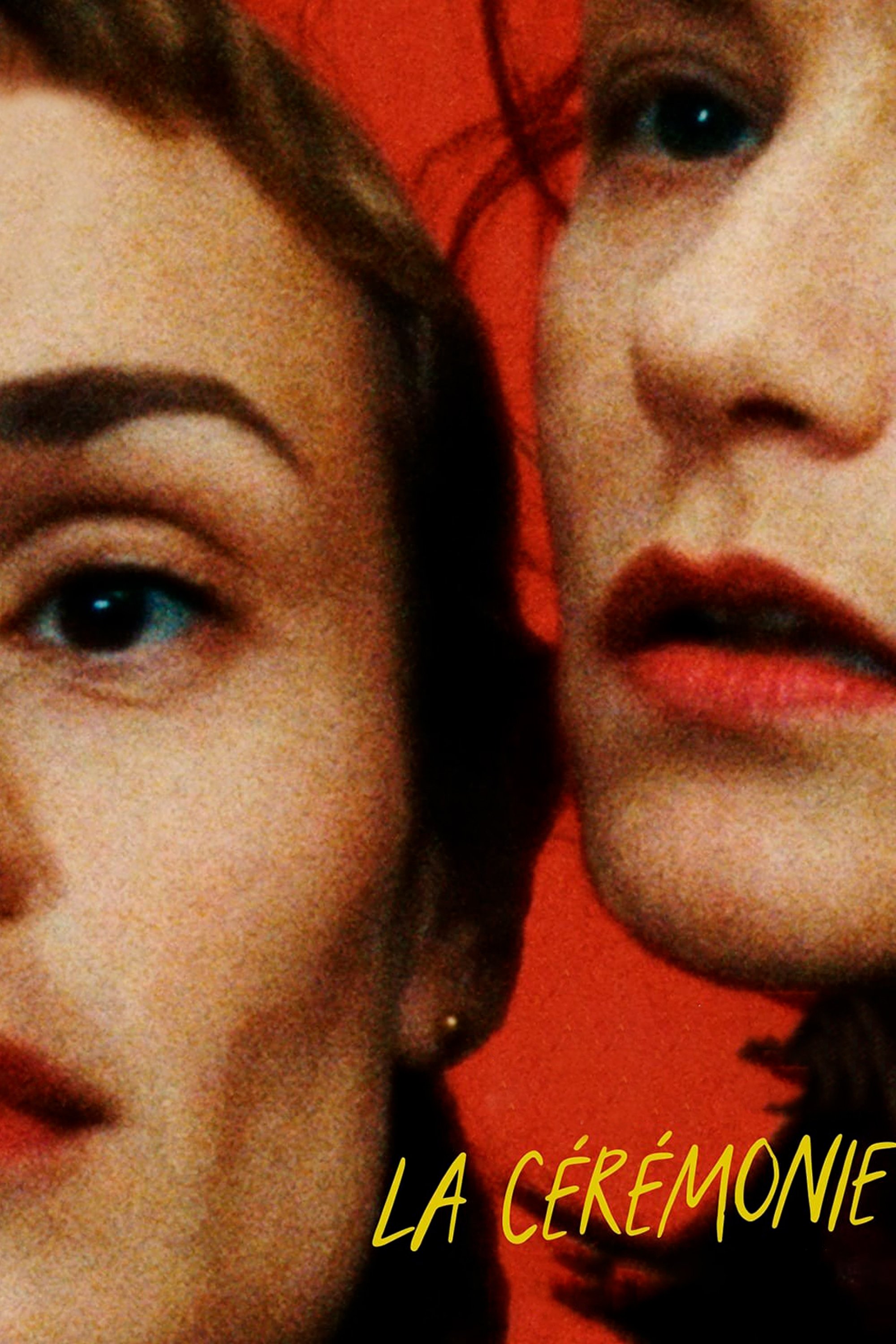
La Cérémonie poster

La Cérémonie

1995 · Domestic unease and class hostility, with little interest in comforting anyone.

The Host poster

The Host

2006 · Family comedy and social anger share space with a rather substantial monster.

The Invitation poster

The Invitation

2015 · A dinner party where staying courteous becomes an increasingly questionable decision.

His House poster

His House

2020 · A haunted home makes racial exclusion frighteningly concrete, with grief close behind.